ArdorComm Media Group

Monday, November 9, 2026 5:29 AM

Indian Parliament

Parliament Clears Bill to Expand Supreme Court Bench Strength to 37 Judges
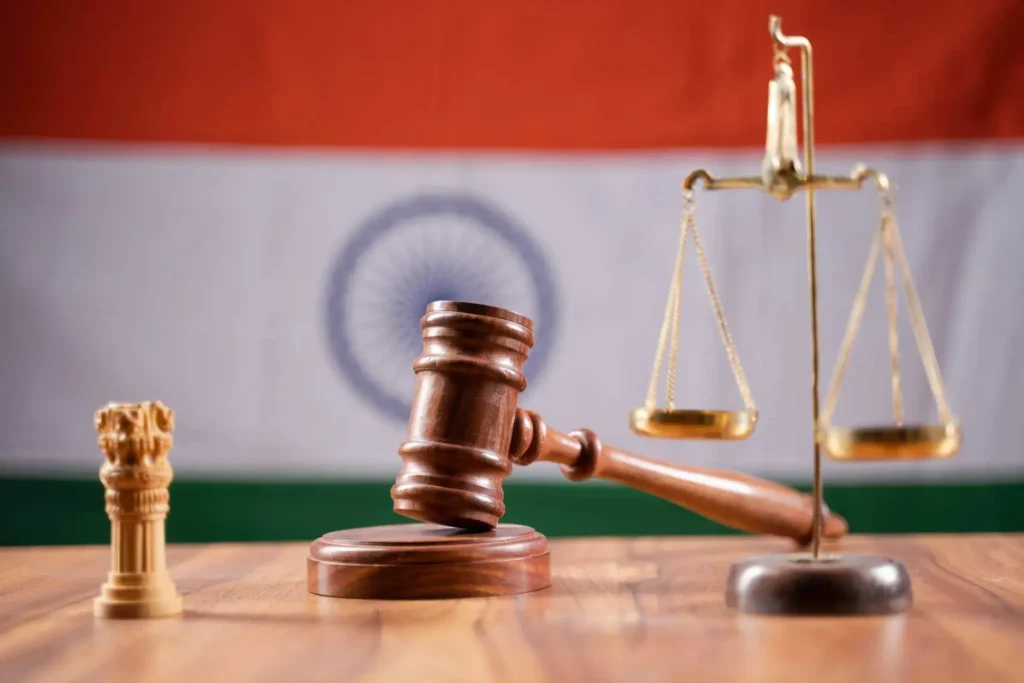
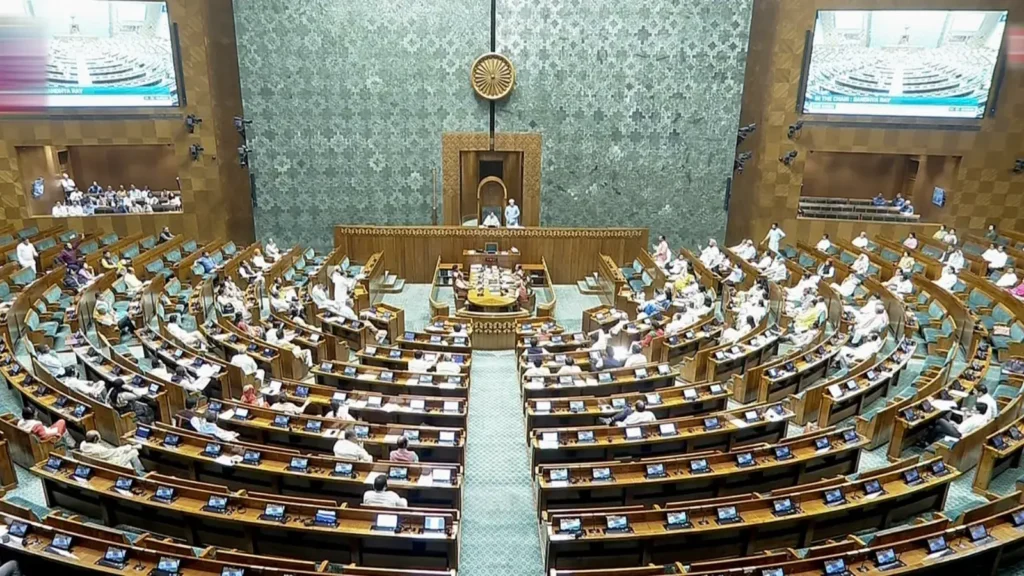
Parliament has approved the Supreme Court (Number of Judges) Amendment Bill, 2026, paving the way for an increase in the sanctioned strength of Supreme Court judges from 33 to 37, excluding the Chief Justice of India. The Rajya Sabha passed the legislation after a discussion and returned it to the Lok Sabha, which had already cleared the Bill earlier this week. The legislation amends the Supreme Court (Number of Judges) Act, 1956 to accommodate the growing workload of the country’s highest court. Before the Bill was introduced, President Droupadi Murmu had promulgated an ordinance in May this year authorising the increase in the number of judges. Responding to the debate in the Rajya Sabha, Union Law and Justice Minister Arjun Ram Meghwal said the expansion of the apex court’s bench reflects the government’s broader judicial reform agenda under the vision of Sabka Saath, Sabka Vikas, Sabka Vishwas and Sabka Prayas. He stated that strengthening the Supreme Court’s capacity would improve judicial efficiency and help address the increasing complexity and volume of cases before the court. The minister noted that the government has been implementing several measures to accelerate the disposal of pending cases. He said the rise in litigation, evolving constitutional issues and growing legal challenges have made it necessary to enhance the court’s judicial strength. During the discussion, Congress MP Vivek Tankha questioned the government’s decision to first issue an ordinance for the move, pointing out that nearly 95,000 cases remain pending before the Supreme Court. Supporting the legislation, BJP MP Sangeeta Yadav described it as a landmark reform that would strengthen the justice delivery system and improve access to timely justice. She observed that many cases have remained unresolved for more than a decade, making the expansion of the bench essential. Several members from different political parties backed the Bill while raising broader concerns about judicial infrastructure and vacancies. TMC MP Dr Menaka Guruswamy highlighted that nearly 30 per cent of High Court posts remain vacant. DMK MP R Girirajan said the additional judges would help reduce the Supreme Court’s mounting backlog, while BJD MP Dr Sasmit Patra emphasised the need to improve infrastructure in both the Supreme Court and High Courts. YSRCP MP S. Niranjan Reddy pointed to the increasing number of cases handled by each judge. AIADMK MP I.S. Inbadurai welcomed the move, calling it a timely reform, and urged the Centre to fill vacant judicial posts in the Madras High Court, where only 52 judges are currently serving against a sanctioned strength of 75. Shiv Sena MP Dr Jyoti N. Waghmare said the legislation would strengthen public confidence in the judiciary and contribute to faster justice delivery. Members including Rajendra Jain (NCP), Sanjay Singh (AAP), Milind Deora (Shiv Sena), Vijay Chintakayala (TDP) and Mahua Maji (JMM) also participated in the debate. Following the passage of the Bill, the Rajya Sabha proceeded with Special Mentions, during which members raised issues of public importance, before adjourning for the day. Source: News on AIR

Parliament Clears Bill to Expand Supreme Court Bench Strength to 37 Judges Read More »
Lok Sabha Clears Enhanced Education Budget; Dharmendra Pradhan Says Higher Education Funding Up 78%

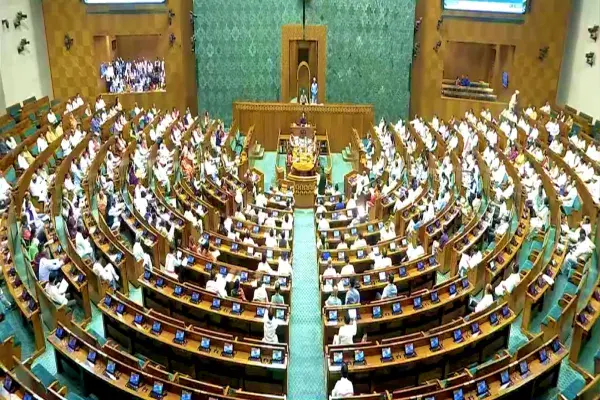
The Lok Sabha on Thursday approved the demands for grants of the Ministry of Education, with Union Education Minister Dharmendra Pradhan highlighting a significant rise in budgetary allocations for the sector over the past decade. He stated that India’s education spending has increased from ₹4.3 lakh crore in 2013-14 to ₹9.19 lakh crore at present, underlining the government’s commitment to building a strong knowledge-driven economy by 2047. Replying to the discussion in the House, Pradhan said quality education remains central to India’s vision of becoming a 30-trillion-dollar economy. He noted that the budget allocation for higher education has witnessed a 78% increase since 2013-14. The minister emphasized that the government has focused on ensuring education is accessible, equitable, affordable, accountable, and of high quality. He highlighted the expansion of higher education institutions across the country, including IITs and IIMs. According to him, the number of universities has risen from 760 in 2014-15 to 1,168 currently. Pradhan also spoke about the PM JANMAN scheme, aimed at improving educational access for Particularly Vulnerable Tribal Groups (PVTGs). He said the Centre plans to construct 500 hostels for tribal students under the initiative, with work already underway on 119 hostels. He further stated that the government is actively promoting Indian Sign Language and strengthening inclusive education measures. Highlighting women’s representation in education, the minister pointed out that Aligarh Muslim University has appointed its first woman Vice-Chancellor. He also mentioned an increase in the number of female teachers in schools. Opening the debate, BJP MP Tejasvi Surya said India has witnessed major improvements in educational infrastructure and quality over the last decade. He added that this year’s Union Budget places special emphasis on youth skill development, employment generation, and self-reliance, targeting skill training for nearly four crore young people. Surya noted that the higher education department’s budget has increased from ₹26,750 crore in 2013-14 to more than ₹47,000 crore now. Opposition members, however, raised concerns over vacancies and the quality of education. Congress MP Mohammad Jawed highlighted that nearly 4.8 lakh teaching positions in schools and over 61,000 posts in central universities remain vacant. TMC MPs Pratima Mondal and Sougata Roy criticized the government’s education policies, alleging inadequate focus on skill development and declining higher education standards. Roy also expressed concern over the growing number of Indian students pursuing higher studies abroad, citing that nearly 8.96 lakh students left the country last year. RLP leader Hanuman Beniwal demanded strict action against the “coaching mafia” and raised concerns over repeated paper leak incidents. MPs including Asaduddin Owaisi, Malvinder Singh Kang, Kamakhya Prasad Tasa, Priya Saroj, Sambit Patra, and Kanimozhi also participated in the discussion before the House adjourned for the day. Source: News on AIR

Lok Sabha Clears Enhanced Education Budget; Dharmendra Pradhan Says Higher Education Funding Up 78% Read More »

Online Gaming Bill 2025 introduced in Lok Sabha: Blanket ban on money games sparks debate

Union IT Minister Ashwini Vaishnaw on Wednesday introduced The Promotion and Regulation of Online Gaming Bill, 2025 in the Lok Sabha, even as opposition members voiced protests. The Bill, cleared by the Union Cabinet a day earlier, proposes a complete ban on online games involving monetary stakes, citing growing concerns of addiction, financial distress, and suicides among youth. Soon after the Bill was tabled, proceedings were adjourned until 2 PM. MeitY clarifies intent Explaining the move, IT Secretary S. Krishnan said the Bill addresses two key issues — recognising the scope of the online gaming industry while also curbing harmful real-money games. He emphasised that this is a “societal decision,” noting that the government had weighed concerns of job losses but prioritised public well-being. He added that a regulatory authority will be established to classify permissible and banned games. eSports and social games, including subscription-based formats without monetary rewards, will remain legal. What the Bill proposes Under the draft law: Offering online money games could attract up to three years in jail or fines up to ₹1 crore. Advertising such services could lead to two years in jail or fines up to ₹50 lakh. Banks and financial institutions enabling transactions for money games may also face penalties. Repeat offenders risk harsher sentences — three to five years in jail and higher fines. Importantly, the Bill does not criminalise players, treating them as victims rather than offenders. The legislation defines an “online money game” as any game where players pay fees, deposit money, or stake assets with the expectation of monetary returns — irrespective of whether it is skill-based or chance-based. It aims to curb gambling risks, financial exploitation, money laundering, and mental health crises while fostering a safe space for eSports and game development in India. Industry backlash Industry groups, including the All India Gaming Federation (AIGF), E-Gaming Federation (EGF), and the Federation of India Fantasy Sports (FIFS), have warned of severe fallout. In a letter to Home Minister Amit Shah, they claimed the blanket ban could wipe out over 2 lakh jobs, force the shutdown of more than 400 companies, and push users toward unregulated and illegal platforms. They highlighted that online skill gaming has become a ₹2 lakh crore industry, generating ₹31,000 crore in revenue and contributing ₹20,000 crore in taxes annually. The sector, growing at 20% CAGR, was projected to double by 2028, with India’s gamer base already exceeding 50 crore players by 2024. Industry voices fear that the ban could derail India’s progress as a digital innovator, discourage foreign investment, and trigger large-scale unemployment. Public health perspective Supporters of the Bill, however, argue it is a much-needed safeguard. “This is more than regulation — it is protection,” said Preetha Reddy, Vice Chairperson of Apollo Hospitals. “Online money games have exposed children and youth to exploitation and mental health risks. This step puts wellbeing first.” Source: Economic Times  

Online Gaming Bill 2025 introduced in Lok Sabha: Blanket ban on money games sparks debate Read More »

Lok Sabha Passes National Sports Governance Bill to Reform India’s Sporting Framework

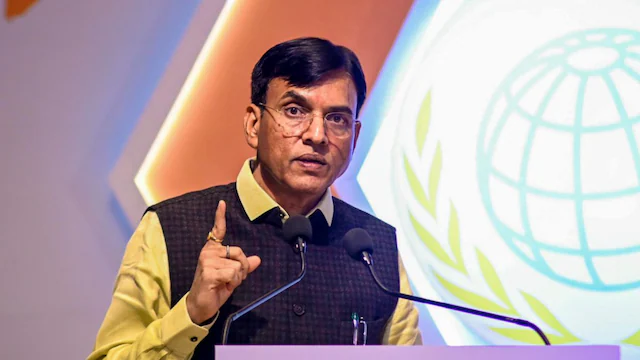
New Delhi – The Lok Sabha on Monday cleared the landmark National Sports Governance Bill, a key reform aimed at creating a transparent, accountable, and world-class sports administration system as India prepares to bid for hosting the Olympics. The bill was passed in the absence of the opposition, which was protesting over the revision of Bihar’s electoral rolls. Union Minister for Youth Affairs and Sports Mansukh Mandaviya described the legislation, alongside the National Anti-Doping (Amendment) Bill 2025, as a vital step toward strengthening the country’s sports ecosystem to meet international standards. He noted that while sports have been an integral part of Indian heritage — often linked to warfare — post-independence, the sector did not receive the necessary focus. “Despite our size, India’s Olympic and global sporting performance has been below expectations. This bill aims to change that,” he said. Key Features of the Bill: The National Sports Governance Bill establishes a legal framework to regulate National Sports Federations (NSFs), ensuring fair governance, athlete protection, and administrative accountability. Its provisions include: Transparent governance standards for NSFs. Implementation of safe sport protocols and grievance redressal systems. Standardized election processes to avoid disputes. Measures to ensure gender diversity in leadership roles. Stronger athlete representation in decision-making bodies. Financial transparency and stricter oversight. One of its most notable provisions brings the Board of Control for Cricket in India (BCCI) under the NSF governance framework. Once enacted, the BCCI will be required to seek annual recognition, and its legal disputes will be handled by a new National Sports Tribunal. Neither the BCCI nor its affiliated state bodies will be able to directly approach courts for dispute resolution. The bill also tackles ten chronic issues in Indian sports administration, ranging from recurring litigation and lack of dedicated dispute resolution bodies to the absence of legal backing for safe sport mechanisms. Age & Tenure Provisions: Addressing long-standing debates, the bill permits office-bearers to complete their term even if they turn 70 during tenure. It also sets clear tenure rules — a maximum of three terms of four years each (12 years in total) — with a mandatory cooling-off period of one term before re-election if they have served three consecutive terms. This legislation, previously returned twice by the Cabinet and once by Parliament due to disagreements, now marks a significant policy win for the BJP-led NDA government. Source: Economic Times

Lok Sabha Passes National Sports Governance Bill to Reform India’s Sporting Framework Read More »

National Sports Governance Bill to Be Introduced in Parliament This Monsoon Session

Union Sports Minister Mansukh Mandaviya has confirmed that the much-anticipated National Sports Governance Bill will be tabled in Parliament during the upcoming monsoon session, set to begin on July 21. The minister made the announcement while speaking at an event organized to unveil new initiatives by the Department of Youth Affairs focused on combating drug abuse. Mandaviya stated, “The bill will be introduced in Parliament during the upcoming session. I will share further details in the next couple of days.” Designed to enhance transparency and accountability in Indian sports administration, the proposed bill seeks to establish a central regulatory board. This body will oversee the recognition and funding of National Sports Federations (NSFs), ensuring they comply with best practices in governance, finance, and ethics. The draft legislation also outlines the formation of independent Ethics Commissions and Dispute Resolution Commissions to safeguard the integrity and transparency of sports governance in the country. However, the bill has faced resistance, particularly from the Indian Olympic Association (IOA), which contends that the formation of such a regulatory board may infringe upon its authority as the apex body managing NSFs. In a parallel initiative, the Ministry of Youth Affairs and Sports will host a three-day Chintan Shivir in Varanasi from July 18 to 20, focusing on the issue of substance abuse among the youth. Titled ‘Nasha Mukt Yuva for Viksit Bharat’, the conclave aims to chart a roadmap toward a drug-free India by 2047. The event will begin with participant registration on July 18, and the main sessions will commence on July 19 at the Rudraksh Convention Centre. Around 500 delegates are expected to attend, with five representatives each from 100 spiritual and social organisations. The Ministry of Health, Ministry of Social Justice and Empowerment, Ministry of Culture, the Narcotics Control Bureau, the National Legal Services Authority (NALSA), and various youth groups will be actively involved in the event. The Kashi Declaration, a national action plan to address drug addiction, will be released at the conclusion of the conclave, summarizing the key discussions and outcomes from the sessions. Source: PTI  

National Sports Governance Bill to Be Introduced in Parliament This Monsoon Session Read More »