ArdorComm Media Group

Wednesday, November 11, 2026 6:00 AM

infectious disease

More Than 16,000 Ebola Vaccine Doses Arrive in Outbreak-Hit DRC
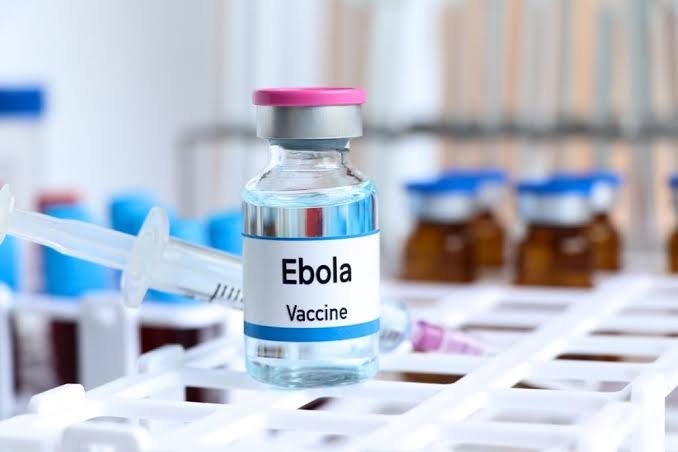
More than 16,000 doses of the Ervebo Ebola vaccine arrived in the Democratic Republic of Congo (DRC) on Friday, August 21, as the country battles its deadliest Ebola outbreak, according to an AFP journalist at the scene. A total of 16,250 doses were delivered by plane to Kinshasa, forming part of the 70,000 Ervebo doses made available to the DRC by the World Health Organisation (WHO). Of the total allocation, 20,000 doses are earmarked for a clinical trial, while 50,000 will be administered to frontline and healthcare workers. The DRC declared its 17th Ebola outbreak on May 15, although health officials believe the virus had been circulating for several weeks before the announcement. The outbreak has affected areas in the country’s north and east, where limited state presence, weak healthcare infrastructure and the presence of armed groups have complicated the response. According to the latest figures from Congolese authorities, the outbreak has resulted in 5,290 confirmed cases and 2,516 deaths. Julien Harneis, the UN’s senior Ebola coordinator, warned on Friday that the outbreak was “growing exponentially”. The Ervebo vaccine, developed by pharmaceutical company Merck, is approved for protection against the Zaire strain of Ebola but has not been approved for the Bundibugyo strain currently circulating in the DRC. WHO experts are yet to establish whether it can protect humans against the strain, although preliminary evidence, including animal studies, indicates that it may provide some level of protection. DRC Health Minister Samuel Roger Kamba said Ervebo had already been deployed during previous outbreaks, including extensively during the 2018-2020 Ebola epidemic. WHO vaccine experts this month recommended conducting a large-scale human trial to determine whether Ervebo can provide cross-protection against the Bundibugyo strain. The trial is expected to provide crucial evidence as authorities seek to contain the rapidly expanding outbreak. Researchers are also working on vaccines specifically designed to target the Bundibugyo strain. Moderna is developing an mRNA-based candidate, while another vaccine is being developed by the University of Oxford. Singapore-based Hilleman Laboratories is also set to develop an “rVSV Bundibugyo” vaccine, which WHO has described as the most promising candidate. Ebola spreads primarily through contact with infected bodily fluids and can cause severe fever and other serious symptoms. The virus has killed more than 15,000 people across Africa over the past five decades. Source: AFP  

More Than 16,000 Ebola Vaccine Doses Arrive in Outbreak-Hit DRC Read More »
Kerala Reports 85 Confirmed Shigellosis Cases in 2026, Health Department Intensifies Preventive Measures

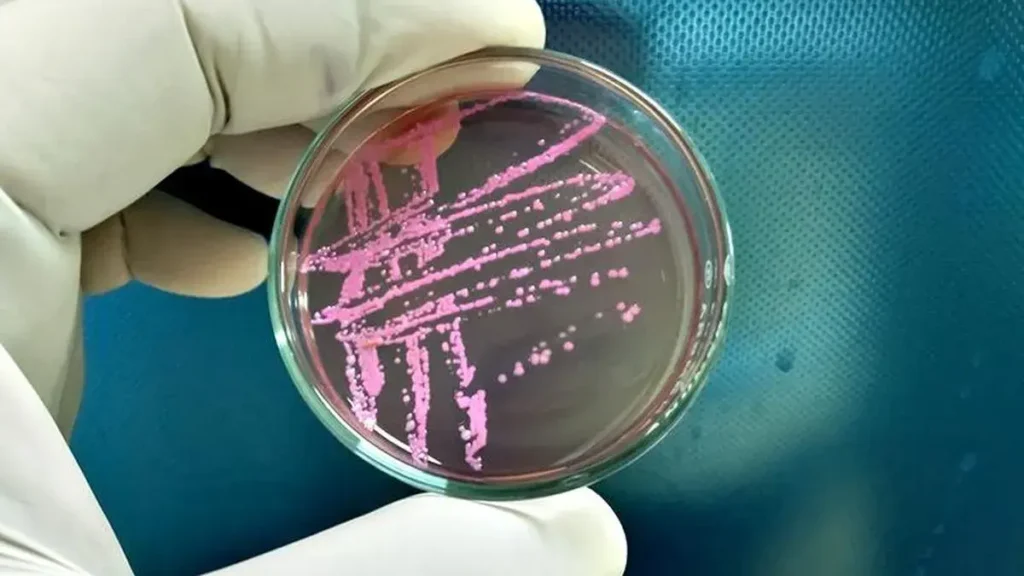
Kerala has reported 85 confirmed cases and more than 70 suspected cases of shigellosis, a highly contagious bacterial infection commonly known as bacillary dysentery, as of June 7, prompting health authorities to strengthen preventive measures across the state. The disease, caused by Shigella bacteria, has been detected sporadically in all districts, with localized outbreaks reported in Wayanad, Kozhikode, Alappuzha, and Malappuram. In Wayanad, two students from Mar Baselios School tested positive on Monday, while several other children are suspected to have contracted the infection. Health officials have expressed concern over the vulnerability of children under five years of age, the elderly, and immunocompromised individuals. While most healthy adults recover without complications, the disease can prove fatal in high-risk groups. Kerala has recorded two child fatalities linked to shigellosis this year, one in April and another on June 6, both in Kozhikode. Shigellosis spreads through contaminated food, water, and surfaces, as well as through close contact with infected individuals. Symptoms typically appear within one to two days and include fever, diarrhoea, vomiting, nausea, abdominal discomfort, blood in stools, and frequent painful bowel movements. The Health Department has urged the public to maintain strict personal and food hygiene practices, including thorough handwashing with soap before meals, food preparation, and after using the toilet. People have also been advised to consume boiled drinking water, avoid stale or raw foods, use ORS to prevent dehydration, and complete prescribed antibiotic courses. Households with infected individuals have been instructed to keep personal items, utensils, clothing, and bedding separate to prevent transmission. Recovered patients have also been advised to avoid serving food or attending public gatherings for at least two weeks after symptoms disappear. Food establishments have been directed to ensure hygienic food handling practices and verify the health status of food handlers. Authorities have also warned against the use of industrial ice in beverages. Health Minister K. Muraleedharan said the Food Safety Department has been instructed to intensify inspections and take action, including issuing closure notices, against eateries and street vendors found violating hygiene norms. Meanwhile, Opposition Leader Pinarayi Vijayan called for urgent and coordinated action by health authorities and local self-government bodies to prevent further spread of the infection across the state. Source: The Hindu

Kerala Reports 85 Confirmed Shigellosis Cases in 2026, Health Department Intensifies Preventive Measures Read More »

Indigenous Kit Developed for Accurate, Rapid Detection of Nipah Virus: ICMR-NIV

In a significant stride for India’s healthcare innovation, the Indian Council of Medical Research (ICMR) has unveiled a homegrown rapid diagnostic kit capable of detecting the Nipah virus with complete accuracy. Designed for swift deployment in the field, the portable test delivers results in just 1 to 2 hours without the need for sophisticated laboratory equipment. Dr. Naveen Kumar, Director of ICMR’s National Institute of Virology (NIV) in Pune, highlighted the effectiveness of the kit, stating, “It is 100% sensitive and specific, relying on the amplification of the viral gene without requiring specialised machinery.” The cost-effective test is priced at ₹250 and is based on the Loop-mediated Isothermal Amplification (LAMP) assay technique. The Nipah virus, a highly lethal zoonotic pathogen with a mortality rate of approximately 50%, is primarily transmitted to humans from fruit bats. It can also spread via contaminated food or human-to-human contact. Symptoms of the infection range from mild flu-like signs to severe respiratory distress and encephalitis, often proving fatal. Recent outbreaks of the disease, particularly the 2023 episode in Kerala’s Kozhikode district, underscore the urgent need for swift and reliable diagnostics. ICMR is concurrently collaborating with Zydus Health Sciences (Ahmedabad) and the Translational Health Science and Technology Institute (Faridabad) on the development of monoclonal antibodies. Efforts are also underway to create an indigenous vaccine for the virus. NIV remains the only laboratory in India equipped to culture the Nipah virus, making it central to the country’s disease surveillance and response capabilities. Source: ANI

Indigenous Kit Developed for Accurate, Rapid Detection of Nipah Virus: ICMR-NIV Read More »

Highly Contagious COVID-19 Variant NB.1.8.1 Spreads from China to the US

Ardorcomm news

A newly emerging COVID-19 variant, NB.1.8.1 — known for its high transmissibility and recent surge in China — has now been identified in the United States, including cases in New York City, according to the Centers for Disease Control and Prevention (CDC). The variant was first detected among international travelers entering the U.S. between late March and early April through airports in California, Washington State, Virginia, and New York. Since then, additional infections have been reported in Ohio, Rhode Island, and Hawaii. Although the U.S. case count remains relatively small, public health experts are monitoring the situation closely due to the variant’s rapid spread across Asia, where it has become the leading strain. In Hong Kong, the NB.1.8.1 variant has led to a significant rise in hospital admissions and emergency visits, particularly affecting senior citizens. Reports indicate that within a span of four weeks, the city recorded 81 severe cases and 30 fatalities, primarily among individuals aged 65 and older. Mainland China has also seen a steep increase in COVID-positive patients in emergency departments, along with a spike in hospitalizations. However, Chinese health authorities maintain that the variant does not pose a greater threat than earlier strains. U.S. experts are taking a more cautious stance. Dr. Amy Edwards of Case Western Reserve University noted that while NB.1.8.1 may not result in more severe illness, its rapid transmission is concerning. “There’s a clear increase in hospital activity in places like China and Hong Kong,” she told CBS News. CDC data shows that those carrying the variant had traveled from countries including China, Japan, South Korea, Vietnam, Thailand, France, Spain, and Taiwan — suggesting broader international transmission. NB.1.8.1 presents symptoms similar to prior variants — including fatigue, fever, sore throat, and coughing — but scientists believe it has a “growth advantage,” potentially allowing it to spread more efficiently. Dr. Subhash Verma from the University of Nevada highlighted this increased transmissibility as a cause for concern. In Hong Kong, Dr. Edwin Tsui of the Centre for Health Protection urged vigilance, warning that the variant might be more adept at bypassing existing vaccine defenses. Health officials there are tracking the variant’s evolution in line with World Health Organization (WHO) guidance. The emergence of NB.1.8.1 coincides with changes to U.S. COVID-19 vaccine policy. The CDC recently updated its guidelines, advising against routine vaccination for healthy children and pregnant women. Future booster shots will primarily target high-risk populations, such as the elderly and immunocompromised individuals. Source: NDTV Photo Credit: Reuters

Highly Contagious COVID-19 Variant NB.1.8.1 Spreads from China to the US Read More »