


ArdorComm Media Group

Tuesday, May 26, 2026 9:31 AM

Influenza Virus

IISc Study Warns of Bird Flu Strain’s Rising Threat to Humans
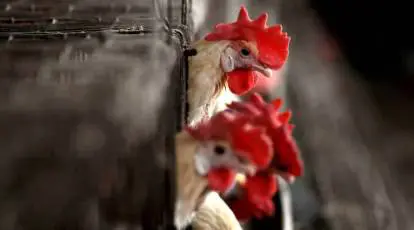
Researchers at the Indian Institute of Science (IISc) have raised concerns that the currently circulating H5N1 bird flu strain could be evolving to pose a greater risk to humans. The team, led by Kesavardhana Sannula from the Department of Biochemistry, found that the 2.3.4.4b clade of H5N1 carries genetic mutations similar to those seen in past pandemic influenza strains, enhancing its ability to adapt to human hosts. The study revealed that viruses capable of infecting foxes may have a higher human adaptation potential than those infecting cattle — a surprising finding. H5N1, first detected in birds about 30 years ago, has since caused sporadic human infections and widespread fatalities in birds and mammals, making it a panzootic concern. Using computational analysis of thousands of protein sequences from birds, mammals, and human influenza viruses, the researchers identified mutations concentrated in the viral polymerase complex (PA, PB2), nucleoproteins, and haemagglutinin (HA) proteins — key elements that could aid the virus in crossing the species barrier. The findings underscore the need for heightened surveillance and preparedness to mitigate potential outbreaks. Source: Indian Express

IISc Study Warns of Bird Flu Strain’s Rising Threat to Humans Read More »

Swine Flu Outbreak in Assam: Symptoms and Precautions

Following reports of swine flu infections in Assam’s Barak Valley, health authorities are on high alert, deploying frontline workers to assess the extent of the outbreak. The outbreak has led to several cases of infections, with one reported fatality in Hailakandi district. Dr. Subrata Das, Head of Internal Medicine and Diabetology at Sakra World Hospital in Bengaluru, highlighted the symptoms associated with swine flu, which closely resemble those of the common flu. These symptoms include fever, sore throat, cough, runny or stuffy nose, headache, fatigue, nausea, vomiting, and diarrhea. In severe cases, patients may experience breathlessness and complications such as pneumonia and low oxygen levels. Dr. Das emphasized that precautions against swine flu mirror those recommended for COVID-19. These precautions include wearing masks, practicing frequent hand washing, disinfecting surfaces, and maintaining overall hygiene. Additionally, individuals are advised to cover their nose and mouth when sneezing or coughing, avoid touching their face, and stay away from sick individuals. If feeling unwell, it’s crucial to stay home to prevent further spread of the virus. Highlighting the importance of vaccination, Dr. Das recommended that adults receive the annual flu vaccine, which provides protection against severe complications of flu, including swine flu. Swine flu, caused by the H1N1 strain of the influenza virus, is highly contagious and spreads rapidly among humans. To mitigate the risk of infection, individuals are advised to stay informed about credible medical information, practice proper respiratory hygiene, maintain hand hygiene, avoid close contact with sick individuals, and seek isolation if experiencing symptoms. Key Precautions to Avoid Swine Flu (H1N1): Stay informed about credible medical information regarding infectious diseases. Cover nose and mouth when coughing or sneezing, and dispose of tissues safely. Practice frequent handwashing with soap and water or use hand sanitizers. Avoid close contact with sick individuals. Isolate oneself to prevent the spread of the virus to others. Ensure to receive an annual influenza vaccine to reduce the risk and severity of swine flu infections. Taking these precautions can significantly reduce the risk of swine flu infection and contribute to public health safety during outbreaks.  

Swine Flu Outbreak in Assam: Symptoms and Precautions Read More »