Nvidia Grants Stock Bonuses to India Staff, Payouts Reach Up to ₹1 Crore
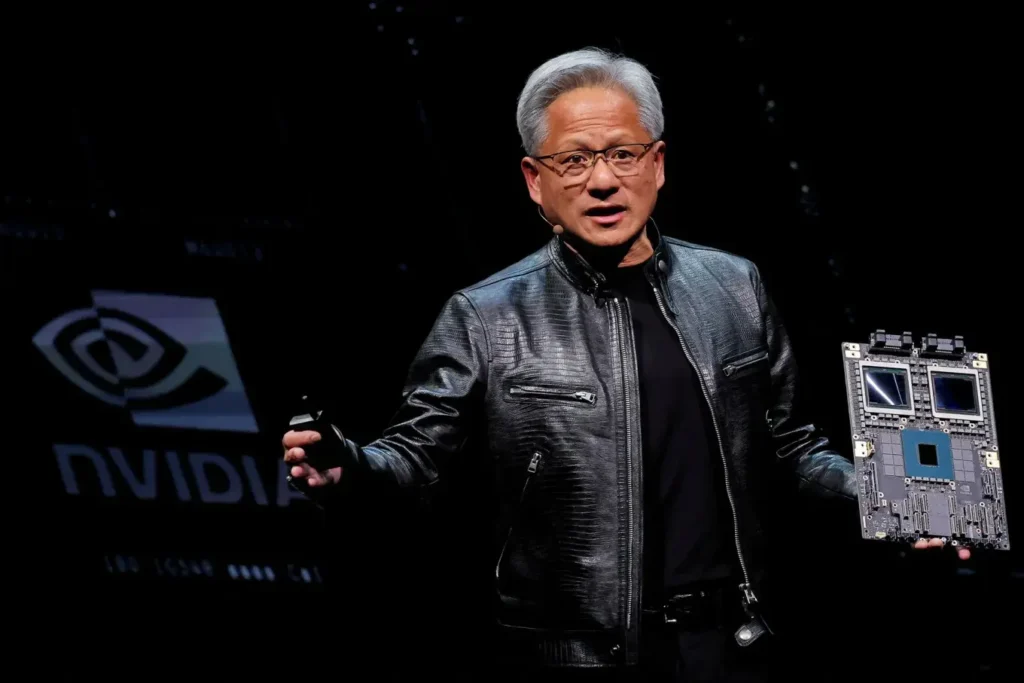
Nvidia has rewarded a large section of its nearly 10,000 employees in India with a one-time stock grant, with payouts ranging from over ₹5 lakh to as high as ₹1 crore over the vesting period, according to data from 6figr. The special reward, known as the “Jensen Special Grant,” was introduced in 2024 by CEO Jensen Huang. It offers employees an additional 25% of their initial restricted stock units (RSUs), reinforcing Nvidia’s push to retain top talent in the competitive AI and semiconductor space. How the Grant Works The stock grant is structured to vest over four years, beginning September 18, 2024, with 6.25% released initially, followed by quarterly installments through 2028. The valuation was calculated using an average Nvidia share price of $898.2, with conversions based on an exchange rate of ₹82.9 per dollar. In one example, a mid-level employee received eight additional RSUs worth approximately ₹5.3 lakh, on top of an annual equity grant valued at around ₹21.5 lakh. The employee’s total unvested equity reportedly exceeded ₹1.2 crore, highlighting how stock incentives are becoming central to compensation. Equity Driving Wealth Creation India is witnessing a surge in equity-driven wealth creation, particularly in global AI and semiconductor firms. At Nvidia India, stock-based compensation now makes up 50% to 75% of total pay, especially for mid- and senior-level roles. Highly skilled engineers—particularly in chip design and artificial intelligence—are seeing the biggest gains. Top professionals in these domains can earn between ₹2 crore and ₹3 crore annually, with senior engineers (IC6 level) averaging around ₹1.8 crore. Industry experts say this marks a shift in compensation strategy. Equity is increasingly replacing fixed salaries, aligning employees more closely with company growth and long-term value creation. Pay Trends Across Experience Levels Entry-level (IC1, 0–3 years): ₹10–22 lakh Early to mid-level (IC2, 1–8 years): ₹23–32 lakh Mid-level (IC3, 4–8 years): ₹27–51 lakh (top performers up to ₹85 lakh) Experts, including leaders from KPMG, note that in deep-tech sectors, the gap between average and exceptional talent is widening—making equity not just a retention tool, but a primary driver of wealth. While Nvidia has not officially commented on individual compensation details, the trend reflects a broader shift in the AI economy, where employees are increasingly becoming stakeholders in the companies they help build. Source: TNN
Nvidia Grants Stock Bonuses to India Staff, Payouts Reach Up to ₹1 Crore Read More »