ArdorComm Media Group

Saturday, December 13, 2025 6:53 AM

job creation

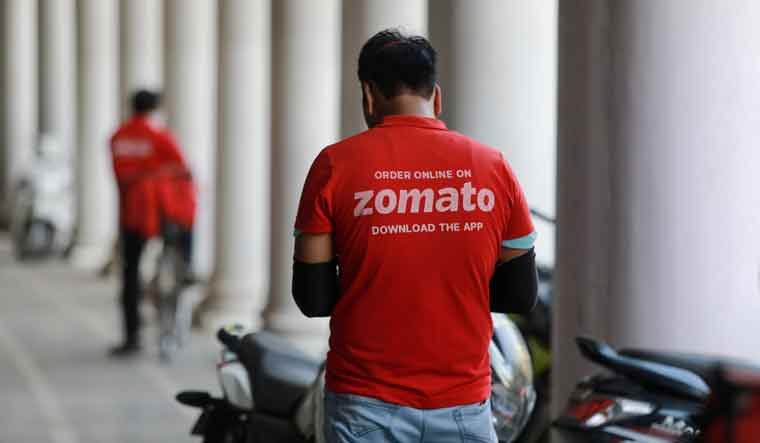
Labour Ministry Partners with Zomato to Generate 2.5 Lakh Jobs Annually, Boost Gig Economy

ardorcomm news

In a move to strengthen India’s gig economy and expand employment opportunities, the Ministry of Labour and Employment (MoLE) has signed a Memorandum of Understanding (MoU) with food delivery platform Zomato. The collaboration aims to create around 2.5 lakh flexible job opportunities every year through the National Career Service (NCS) portal. The MoU was formalised in the presence of Union Minister for Labour & Employment and Youth Affairs & Sports, Mansukh Mandaviya. The initiative seeks to integrate gig and platform-based roles into the formal employment framework, thereby connecting youth and women jobseekers to dignified, technology-driven livelihood options. Mandaviya highlighted that the NCS portal, launched in 2015, has already facilitated over 7.7 crore job vacancies, serving as a critical link between employers and job seekers across sectors. The partnership with Zomato, he said, will further expand this ecosystem, benefitting both organisations and millions of job aspirants nationwide. Minister of State for Labour & Employment Shobha Karandlaje emphasised the government’s commitment to ensuring social protection for every worker — organised and unorganised alike. She added that the MoU aligns with the objectives of the Pradhan Mantri Viksit Bharat Rozgar Yojana (PMVBRY) and the larger vision of Viksit Bharat 2047, which focuses on employment formalisation and universal social security. Under the newly introduced ‘Aggregator’ category, Zomato will regularly list flexible livelihood options for gig and delivery workers on the NCS portal, offering structured and real-time access to earning opportunities. In the past year, the ministry has entered into similar partnerships with 14 major organisations, including Amazon, Swiggy, Rapido, Zepto, Apna.co, FoundIT, TeamLease, and others — collectively creating more than five lakh employment opportunities across the country. Source: PTI

Labour Ministry Partners with Zomato to Generate 2.5 Lakh Jobs Annually, Boost Gig Economy Read More »

Goa Unveils New Startup Policy 2025 to Boost Innovation and Employment

ardorcomm news

The Goa government has launched an ambitious Startup Policy 2025 aimed at transforming the state into India’s “Creative Capital” by nurturing a thriving entrepreneurial ecosystem. The initiative targets the creation of 1,000 startups and 10,000 new jobs for Goans while extending strong support to women entrepreneurs, a state official announced. The policy, introduced by the Department of State Information Technology, Electronics and Communication (DITEC), focuses on fostering innovation through venture funding, government-industry collaborations, and partnerships with incubators, corporates, and academic institutions. Goa, which already hosts 696 DPIIT-recognised startups, is positioning itself as an emerging hub for technology and creativity. Vision and Key Goals With a goal to establish Goa as a leading startup destination by 2028, the policy outlines specific targets — including enabling 100 startups to secure venture capital, promoting collaboration between 50 startups and government bodies, and strengthening connections across the entrepreneurial ecosystem. Key Schemes and Incentives The policy introduces several initiatives to encourage innovation and skill development: Campus Innovation Scheme: Offers grants to students for entrepreneurial or research-based projects, reimbursing project development costs. Skill Enhancement Scheme: Provides reimbursement for professional training in areas such as Artificial Intelligence and other emerging technologies. Infrastructure Support: Encourages collaboration with private players and educational institutions to establish IT labs, Maker Labs, Centres of Excellence, and Innovation Hubs. Women Entrepreneurship Support: Launches a dedicated mentoring and funding programme, offering monthly allowances to women-led startups working on innovative solutions. Promotion and Marketing Assistance Scheme: Offers financial aid for startups participating in government-supported exhibitions and trade shows, covering a substantial portion of related expenses.  Officials said the Goa Startup Policy 2025 aims to build a robust innovation-driven environment that inspires the next generation of leaders, innovators, and creators. “This policy will serve as a catalyst for transforming Goa into a global hub for creativity, technology, and innovation — firmly establishing the state as the Creative Capital of India,” the DITEC spokesperson added. Source: PTI

Goa Unveils New Startup Policy 2025 to Boost Innovation and Employment Read More »

PwC India Unveils Vision 2030, to Add 20,000 Jobs and Triple Revenue in Five Years

PwC India has announced an ambitious expansion plan under its Vision 2030, aiming to grow its workforce to 50,000 employees within the next five years by creating 20,000 new jobs. The consulting major is targeting a threefold increase in revenue, committing over 5% of annual revenues to technology, innovation, and capability building. The company will sharpen its focus on areas such as digital transformation, sustainability, risk and regulatory compliance, cloud, and cybersecurity, positioning itself to help clients navigate rapid market disruptions. Chairperson Sanjeev Krishan emphasised the firm’s goal of building a “future-ready workforce,” with investments in upskilling, women in leadership, and inclusive career growth from entry-level to the boardroom. PwC India will allocate 1% of its revenues to learning initiatives while expanding its presence in Tier 2 and Tier 3 cities to support decentralised economic growth and align with the government’s vision of self-reliant local economies. Recruitment will focus on sector-specific and digital expertise, with growth anchored in six priority sectors: financial services, healthcare, industrial manufacturing, automotive, technology, media, and telecom. Additionally, the company will explore emerging “horizon sectors” to secure an early strategic foothold. Source: PTI

PwC India Unveils Vision 2030, to Add 20,000 Jobs and Triple Revenue in Five Years Read More »

Gujarat Revises Factory Labour Laws: 12-Hour Shifts, Night Work for Women Permitted Under New Ordinance

In a bold move to enhance industrial productivity and attract greater investment, the Gujarat government has enacted a significant overhaul of its factory labour regulations. Through the Factories (Gujarat Amendment) Ordinance, 2025, the state has extended the permissible daily work hours in factories from 9 to 12 hours — a decision that comes with several conditions to safeguard workers’ rights and wellbeing. Although the daily shift limit has been expanded, the ordinance retains the weekly work cap at 48 hours. The new rules mandate that extended shifts must be voluntary and require written consent from workers. Another key change is the increase in uninterrupted work duration, which may now go up to six hours before a break, pending formal notification. Furthermore, overtime provisions have been revised significantly. Workers putting in extra hours will receive double pay, and the cap on overtime has been raised from 75 to 125 hours per quarter, again contingent upon the worker’s voluntary participation. A landmark provision in the amendment is the authorization for women to work night shifts — between 7:00 PM and 6:00 AM — a move hailed as progressive and inclusive. However, this comes with strict safety protocols: employers must ensure a minimum of 10 women are present during a shift, provide secure transport, install 24/7 CCTV surveillance, and deploy female security personnel. Crucially, women can only be scheduled for night shifts with their written consent, and workplaces must have robust anti-harassment measures in place. The ordinance was promulgated in the absence of a state assembly session and reflects Gujarat’s aim to position itself as a more flexible and investment-friendly industrial hub. By aligning labour practices with evolving economic demands, the state hopes to spur job creation and boost competitiveness in the manufacturing sector. Source: IANS

Gujarat Revises Factory Labour Laws: 12-Hour Shifts, Night Work for Women Permitted Under New Ordinance Read More »

Karnataka Government Honors Commitment, Implements Old Pension Scheme for 13,000 Employees

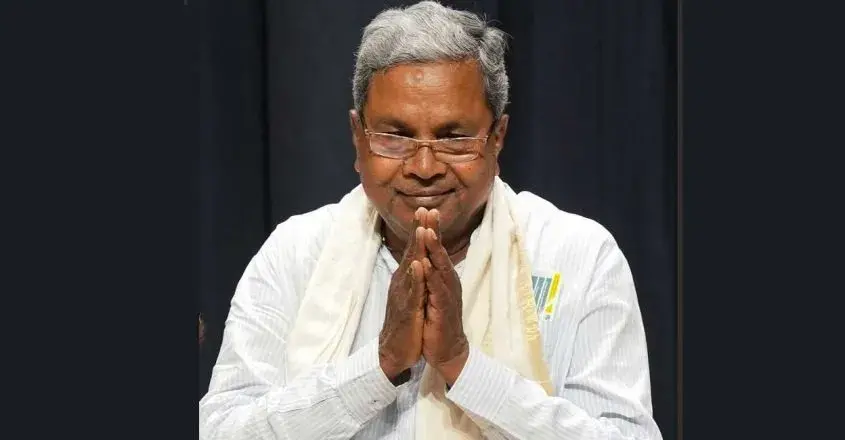
In a significant move, the Karnataka government has officially announced the implementation of the Old Pension Scheme for approximately 13,000 state government employees who were recruited after 2006. This decision comes as a fulfillment of Chief Minister Siddaramaiah’s commitment made during a strike by government employees opposing the introduction of the new pension scheme. 2006 ಏಪ್ರಿಲ್‌ ಪೂರ್ವ ನೇಮಕಾತಿ ಅಧಿಸೂಚನೆಯಾಗಿ 2006 ರ ನಂತರ ನೇಮಕಾತಿಗೊಂಡ ರಾಜ್ಯ ಸರ್ಕಾರದ ಸುಮಾರು 13,000 ಸರ್ಕಾರಿ ನೌಕರರಿಗೆ ಹಳೆ ಪಿಂಚಣಿ ಯೋಜನೆ ವ್ಯಾಪ್ತಿಗೆ ಒಳಪಡಿಸಿ ಆದೇಶ ಹೊರಡಿಸಲಾಗಿದೆ. ಚುನಾವಣೆಗೂ ಪೂರ್ವದಲ್ಲಿ ಎನ್.ಪಿ.ಎಸ್ ನೌಕರರು ಮುಷ್ಕರು ಮಾಡುವ ವೇಳೆ ಸ್ಥಳಕ್ಕೆ ಭೇಟಿನೀಡಿ ನಾವು ಅಧಿಕಾರಕ್ಕೆ ಬಂದ ನಂತರ ಬೇಡಿಕೆ… pic.twitter.com/IJTzZACw2R — Siddaramaiah (@siddaramaiah) January 24, 2024 Chief Minister Siddaramaiah affirmed the government’s dedication to meeting the demand of the employees, stating, “An order has been issued to cover the old pension scheme to about 13,000 government employees of the state government recruited after 2006. Even before the election, I visited the place when the National Pension System (NPS) employees were on strike and promised to fulfill the demand after we came to power.” He expressed hope that the decision brings comfort to the families of the 13,000 NPS employees affected by the transition. Old Pension Scheme vs. New Pension Scheme The Old Pension Scheme guarantees a monthly pension post-retirement, usually amounting to half of the last drawn salary, providing financial security for retired government employees. In contrast, the New Pension Scheme involves employees contributing a portion of their salaries to a pension fund, leading to a one-time lump sum payment upon superannuation. The transition from the old to the new scheme occurred in December 2003, with the new scheme being implemented on April 1, 2004. Taking the opportunity to address broader issues, Chief Minister Siddaramaiah criticized the central government, accusing it of failing to deliver on its promise of creating two crore jobs per year. “Prime Minister Narendra Modi, who promised to create 2 crore jobs per year, failed to do so. 20 crore jobs were to be provided in ten years, which did not happen,” he remarked. These comments were made during the inauguration of a project aimed at rejuvenating 150 lakes and ponds in 79 villages in Periyapatna taluk from the Cauvery River at Muthtina Mullusoge on Wednesday, January 24.

Karnataka Government Honors Commitment, Implements Old Pension Scheme for 13,000 Employees Read More »

Significant Surge in Youth Employment: 7.47 Lakh New Jobs Created in November 2023, ESIC Data Reveals

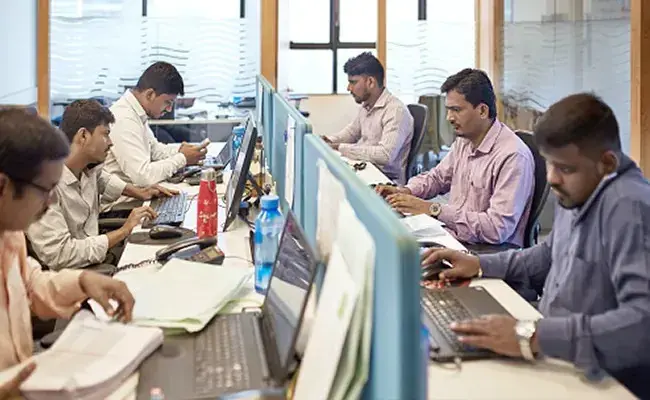
In a positive development for India’s employment landscape, the Ministry of Labour and Employment has reported a substantial increase in job opportunities for the youth. According to the provisional payroll data of the Employees State Insurance Corporation (ESIC), a staggering 7.47 lakh new jobs were generated for individuals up to the age of 25 in November 2023. The data, shared by the ministry, discloses that a total of 15.92 lakh new employees have been enrolled under the Employment State Insurance (ESI) scheme during the same period. Notably, the youth demographic constitutes a significant portion, accounting for 47% of the total registrations in November 2023. An official statement from the ministry emphasized the evident growth in youth employment, stating, “Data evidently reveals that more jobs have been generated for the youth of the nation.” The ministry also provided insights into the gender distribution, indicating that 3.17 lakh new workers are women, while 58 transgender employees have been included in the ESIC scheme. Highlighting the inclusive nature of the ESIC initiative, the ministry expressed commitment to extending benefits to all sections of society. Additionally, the government revealed that 20,830 new establishments have been brought under the social security umbrella of the scheme in November 2023, expanding coverage to more workers. It’s important to note that the Ministry of Labour and Employment clarified that the payroll data is provisional, as data generation is an ongoing process. Despite this, the positive trends observed in November 2023 suggest a promising outlook for the nation’s employment scenario, particularly for its youth population.

Significant Surge in Youth Employment: 7.47 Lakh New Jobs Created in November 2023, ESIC Data Reveals Read More »

Sintex BAPL’s Investment in Telangana to Create 1000 Jobs and Strengthen Building Materials Industry

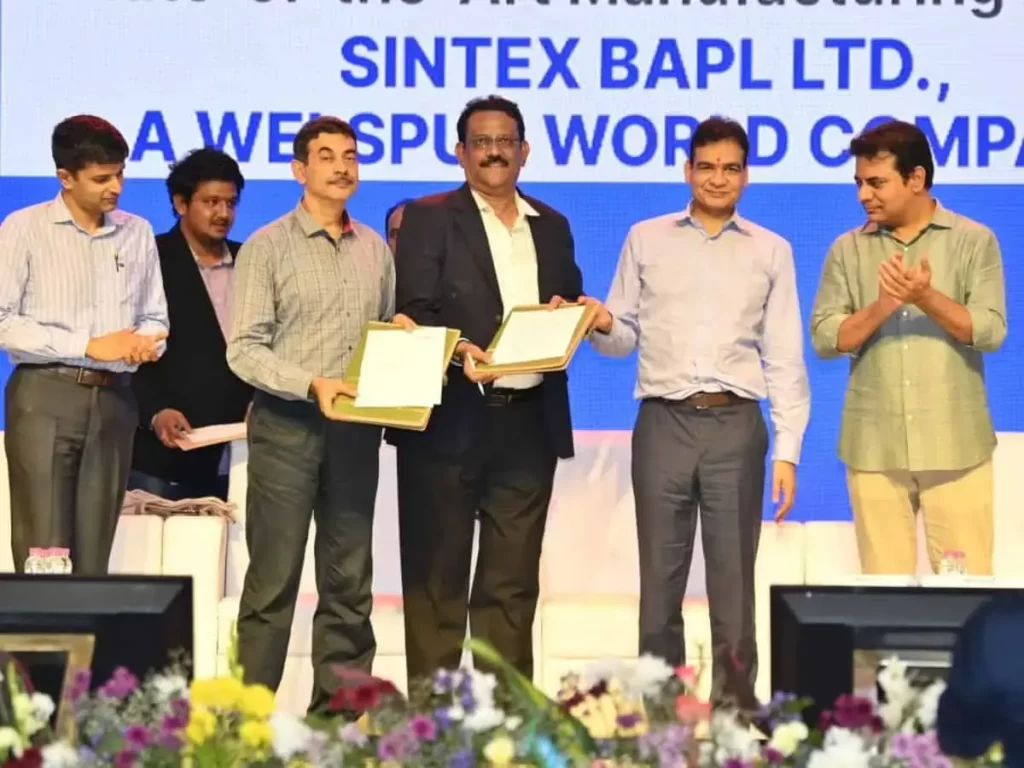
Sintex BAPL, a wholly-owned subsidiary of Welspun Corp, has inked a formal agreement with the Telangana government to establish a manufacturing facility in the state. This partnership is based on a memorandum of understanding (MoU) recently signed. Under Telangana’s incentive program, this manufacturing unit will necessitate an investment of Rs 350 crore over the next three years and is poised to generate employment for 1,000 individuals within the state. The primary focus of this facility will be the production of water tanks and PVC pipes within Telangana. Sintex BAPL, which is experiencing significant growth in the water tank segment, also has plans to commence the manufacturing of pipes, including PV pipes and fittings. This strategic move is aimed at solidifying Welspun’s presence in the building materials sector. The groundbreaking ceremony for this manufacturing unit took place in the presence of Telangana’s IT and Industries Minister, KT Rama Rao, and BK Goenka, Chairman of Welspun World, along with other notable figures. It’s worth noting that Telangana has been actively prioritizing job creation initiatives. Earlier this year, the Central government designated several locations for the establishment of PM Mega Integrated Textile Regions and Apparel (PM MITRA) Parks, particularly aimed at bolstering the textile industry. Telangana was identified as one of the seven states for this endeavour, alongside Tamil Nadu, Gujarat, Karnataka, Maharashtra, Madhya Pradesh, and Uttar Pradesh. These parks are anticipated to yield significant employment opportunities. The PM MITRA Parks model involves collaborative efforts between the central and state governments to attract substantial investments (up to Rs 70,000 crore), foster innovation, and contribute to making India a global hub for textile manufacturing and exports.

Sintex BAPL’s Investment in Telangana to Create 1000 Jobs and Strengthen Building Materials Industry Read More »