ArdorComm Media Group

Saturday, December 13, 2025 7:05 AM

NCDC

AI Tool Boosts India’s Disease Surveillance, Generates Over 5,000 Alerts: Study

An artificial intelligence–powered surveillance system deployed by the National Centre for Disease Control (NCDC) has significantly strengthened India’s ability to track infectious disease outbreaks, generating more than 5,000 real-time alerts for health authorities since 2022, according to a new pre-print study. Developed by WadhwaniAI, the Health Sentinel platform has automated the labor-intensive task of scanning news reports for unusual health events. The system reportedly reduced manual workload by 98%, enabling faster outbreak detection and quicker public health action. The findings are currently under review and not yet peer-reviewed. Under India’s Integrated Disease Surveillance Programme (IDSP), media scanning and verification has long relied on manual review of print, television and online news. Health Sentinel upgrades this process by screening articles daily across 13 languages, applying AI models to highlight potential threats that are later reviewed by epidemiologists. According to the study, the platform has processed over 300 million news articles since April 2022, identifying 95,000+ unique health-related events, of which around 3,500 were shortlisted by NCDC experts as possible outbreaks. Researchers also estimate that the AI-enabled system triggered more than 5,000 actionable alerts between April 2022 and April 2025. Parag Govil, National Program Lead for Global Health Security at WadhwaniAI, said the tool preserves human oversight while eliminating the time-consuming manual scanning traditionally required. Epidemiologists validate flagged events before disseminating them to state and district authorities. The research team noted a 150% surge in published health events captured since adopting AI-assisted surveillance, compared to earlier years of fully manual analysis. In 2024 alone, 96% of reported events were identified through the AI system, with only 4% coming from manual review. Globally, event-based surveillance techniques that incorporate online media or social media sources are increasingly used to complement traditional “passive reporting” from healthcare providers. The volume of daily online content, however, has made manual screening impractical, making automated systems essential. The article also references other Indian studies highlighting the value of enhanced surveillance. A pilot conducted in six private hospitals in Kasaragod, Kerala, used an algorithm to analyse cases of acute febrile illness (AFI). The system detected 88 clusters, with several verified as outbreaks—including dengue and COVID-19—demonstrating the benefits of early, data-driven detection. International research supports similar conclusions. A 2020 review in the Journal of Biomedical Informatics found that machine learning–based analysis of social media posts, especially on Twitter, improved disease trend prediction. Another study, published in 2017 in the American Journal of Tropical Medicine and Hygiene, showed that mining news articles can help fill gaps when official national case data is delayed. Overall, the findings underscore the growing importance of AI-driven surveillance systems in strengthening public health response capabilities and improving global health security. Source: PTI

AI Tool Boosts India’s Disease Surveillance, Generates Over 5,000 Alerts: Study Read More »
India Records Over 7,000 Suspected Heatstroke Cases and 14 Confirmed Deaths Amid Rising Temperatures

Ardorcomm news

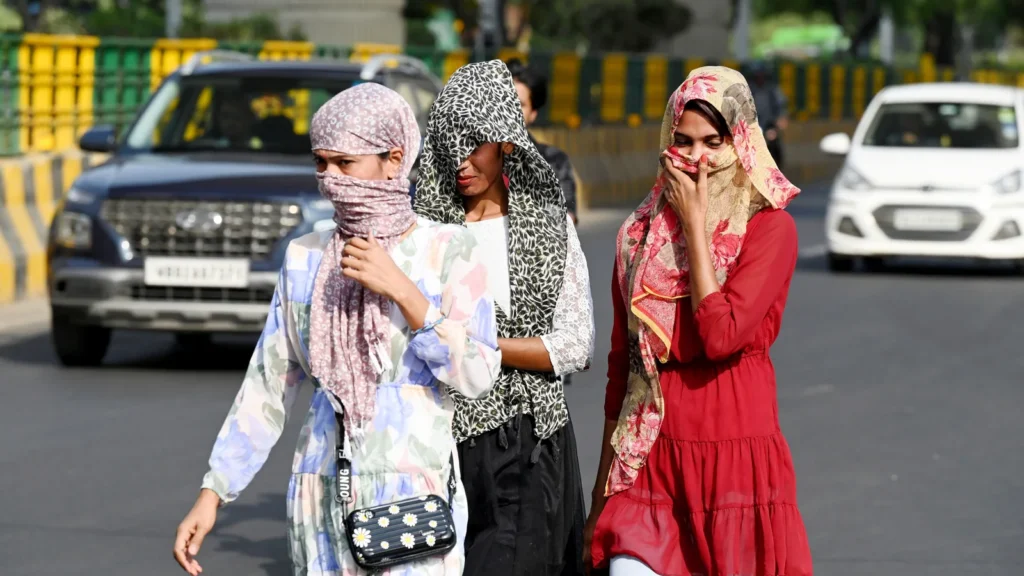
Between March 1 and June 24, 2025, India recorded 7,192 suspected cases of heatstroke and 14 confirmed deaths due to extreme heat, according to data obtained by PTI through the Right to Information (RTI) Act. The information, provided by the National Centre for Disease Control (NCDC), points to a growing public health concern amid soaring temperatures, as India experiences one of its hottest years on record since 1901. Majority of Heatstroke Cases Reported in May May proved to be the most critical month, with 2,962 suspected cases and three confirmed deaths. In April, there were 2,140 suspected cases and six confirmed fatalities, while March saw 705 cases and two deaths. Up to June 24, June added another 1,385 suspected cases and three confirmed fatalities. Andhra Pradesh emerged as the worst-hit state, reporting 4,055 suspected cases — more than half the national total during the period. Other significantly affected states included Rajasthan (373 cases), Odisha (350), Telangana (348), and Madhya Pradesh (297). Gaps in Death Reporting Highlight Systemic Flaws Despite the high number of suspected cases, many states, including those with hundreds of reported incidents, recorded few or no confirmed deaths. Maharashtra and Uttarakhand topped the list of confirmed fatalities, each reporting three deaths. Telangana, Odisha, Tamil Nadu, Jharkhand, Uttar Pradesh, and West Bengal each reported one. Experts and officials say the actual toll is likely much higher than reported due to systemic shortcomings in data collection and diagnosis. NCDC’s figures are based on reports from hospitals under the Integrated Disease Surveillance Programme (IDSP), leaving out cases that go untreated or undiagnosed, especially those occurring outside medical facilities. A health ministry official, speaking anonymously, acknowledged these limitations: “We only capture a fraction of real cases. Many deaths go unclassified due to lack of capacity, staff, and timely reporting in hospitals.” Inconsistent Records Across Agencies India’s fragmented approach to tracking heat-related illnesses was further exposed in a PTI investigation. For the 2015–2022 period, three government agencies reported vastly different numbers: NCDC cited 3,812 heat-related deaths, the National Crime Records Bureau (NCRB) recorded 8,171, and the India Meteorological Department (IMD) listed 3,436. Discrepancies are further worsened by states failing to provide complete or timely data. In previous years, Delhi, Uttar Pradesh, Punjab, Haryana, Bihar, Karnataka, Kerala, Chhattisgarh, and West Bengal have all been inconsistent in their reporting, with some reportedly underreporting deaths to avoid paying compensation. Heat-Related Deaths Often Misclassified Abhiyant Tiwari, Climate Resilience and Health Lead at NRDC India, emphasized the difficulty of accurately linking deaths to heat exposure. “Many are recorded as heart attacks or other conditions. To understand the true impact, we must look at excess mortality during heatwaves,” he said. Soumya Swaminathan, advisor to the Health Ministry, echoed the call for reform. “We need stronger death certification and reporting systems. Reliable data is essential for shaping effective climate and health policies,” she noted. As climate change intensifies the frequency and severity of heatwaves, the lack of a unified, robust national surveillance system remains a serious barrier to India’s readiness and response. Source: Economic Times  

India Records Over 7,000 Suspected Heatstroke Cases and 14 Confirmed Deaths Amid Rising Temperatures Read More »

No Proven Link Between COVID-19 Vaccines and Sudden Deaths, Confirms Union Health Ministry

The Union Ministry of Health and Family Welfare has clarified that there is no scientific evidence connecting COVID-19 vaccination with sudden or unexplained deaths in India. This conclusion is backed by comprehensive studies conducted by the Indian Council of Medical Research (ICMR) and the National Centre for Disease Control (NCDC). In an official statement, the Ministry emphasized that extensive investigations were carried out across the country by multiple research agencies to examine reports of sudden deaths, particularly among seemingly healthy young adults. Findings from these studies have consistently shown no direct association between COVID-19 vaccines and such fatalities. Two key studies have been pivotal in reaching this conclusion. The first, undertaken by ICMR’s National Institute of Epidemiology (NIE), is a multicentric matched case-control study titled “Factors associated with unexplained sudden deaths among adults aged 18–45 years in India.” Conducted across 47 tertiary hospitals in 19 states and union territories from May to August 2023, the research analyzed cases between October 2021 and March 2023. The outcome was clear: COVID-19 vaccination does not increase the risk of sudden death in young, otherwise healthy adults. The second study, still in progress, is being led by AIIMS, New Delhi, with ICMR’s collaboration and support. This prospective research—“Establishing the cause in sudden unexplained deaths in young”—aims to pinpoint the most common reasons behind such fatalities. Preliminary data reveals that heart attacks (myocardial infarctions) remain the leading cause of sudden death in this demographic, with no significant shift in trends compared to previous years. In many cases, genetic factors have also emerged as likely contributors. These studies offer valuable insights into sudden deaths among young individuals and provide reassurance about the safety of COVID-19 vaccines. Researchers highlight that deaths may stem from a range of issues, including underlying health conditions, genetic predispositions, and unhealthy lifestyles, rather than vaccination. Public health experts have strongly criticized unverified claims linking vaccines to sudden deaths, calling them unscientific and dangerous. Such misinformation not only lacks factual basis but also poses a serious risk to public trust and could foster vaccine hesitancy, undermining one of the most effective tools used during the pandemic to save lives. The government reaffirmed its commitment to science-driven public health policies and continued research to safeguard the health and well-being of all citizens. Source: ANI

No Proven Link Between COVID-19 Vaccines and Sudden Deaths, Confirms Union Health Ministry Read More »

New COVID-19 Subvariants NB.1.8.1 and LF.7 Detected in India: INSACOG Report

India has recorded the presence of two newly emerging COVID-19 subvariants—NB.1.8.1 and LF.7—according to recent data released by the Indian SARS-CoV-2 Genomics Consortium (INSACOG). While these variants are currently categorized as Variants Under Monitoring by the World Health Organization (WHO), they have been linked to the recent surge in COVID-19 cases across China and parts of Asia. As per the INSACOG data, a single case of NB.1.8.1 was identified in Tamil Nadu in April, while four cases of LF.7 were reported from Gujarat in May 2025. Despite these new detections, the dominant strain circulating in India remains JN.1, accounting for approximately 53% of the tested samples. It is followed by BA.2 (26%) and other Omicron-related variants (20%). Preliminary assessments by WHO suggest that NB.1.8.1 poses a low global public health risk, but the subvariant carries spike protein mutations—A435S, V445H, and T478I—that may enhance both transmissibility and the ability to evade immune responses. As of May 19, India reported 257 active COVID-19 cases. A high-level review meeting was recently convened, chaired by the Director General of Health Services, with participation from the ICMR, National Centre for Disease Control, and other leading health agencies to monitor the evolving situation. Meanwhile, certain states have shown localized spikes. Delhi reported 23 new cases, Andhra Pradesh had four, Telangana confirmed one, and Bengaluru recorded a positive case in a nine-month-old infant, reflecting a steady rise over the last 20 days. Kerala, in particular, reported 273 cases in May alone. Source: PTI

New COVID-19 Subvariants NB.1.8.1 and LF.7 Detected in India: INSACOG Report Read More »

Heatstroke Took 374 Lives, Over 67,000 Cases Till July 27: Health Ministry

Article

India has reported 374 deaths and 67,637 cases of suspected heatstroke from March 1 to July 27 this year, according to Minister of State for Health Anupriya Patel. The alarming figures were disclosed in the Lok Sabha on Friday. The latest data reveals a significant increase from the earlier estimates provided by the Ministry of Health, which reported 110 deaths and 42,000 cases by June 18. The majority of these incidents occurred in rural areas, where strenuous outdoor work associated with agriculture and poor health infrastructure exacerbated the impact of the heatwave. Uttar Pradesh was the worst-hit state, recording 52 deaths. Bihar followed with 37 fatalities, while Odisha and Delhi reported 26 and 25 deaths respectively. These statistics were compiled under the National Heat-Related Illness and Death Surveillance by the National Centre for Disease Control (NCDC). Government Response and Measures The Integrated Health Information Portal has been receiving data on heatstroke cases and deaths from States and Union Territories since 2023, as noted by Minister Patel. State and UT health departments get yearly warnings from the Ministry of Health and Family Welfare (MoHFW) to put awareness, readiness, and response plans into place. The Union Health Ministry’s Secretary communicated with the chief secretaries of all states and UTs on February 29 in order to release this year’s advise. The warning included steps to improve community awareness of heat-related diseases and to bolster health sector readiness. Record-Breaking Temperatures and Weather Anomalies With a blistering 47 degrees Celsius, June 2024 witnessed the hottest temperature recorded in the month in a decade. The hottest temperatures ever recorded in June 2023 were 41.8 degrees Celsius, 44.2 degrees Celsius in 2022, and 43 degrees Celsius in 2021. This is a considerable rise above the prior records. Furthermore, July was the second warmest month overall in India since 1901 and the highest nighttime temperature ever recorded in the country. Significant flooding resulted from the abnormally high rains that followed the record temperatures in various states, including Gujarat, Kerala, and Uttar Pradesh. It was the hottest July on record for both mean and lowest temperatures in the east and northeast of India. The terrible heatwave has made it clear how urgently better infrastructure and readiness are needed to deal with extreme weather, especially in rural regions. The growing frequency and intensity of these occurrences highlight the significance of long-term policies to address climate change and its implications on public health, even if the government’s preemptive actions and advisories play a key role in lessening the impact of such heatwaves. Reference taken from the Hindu

Heatstroke Took 374 Lives, Over 67,000 Cases Till July 27: Health Ministry Read More »