


ArdorComm Media Group

Monday, November 9, 2026 11:55 PM

public health emergency

WHO Unveils $518 Million Emergency Plan to Contain Escalating Ebola Outbreak
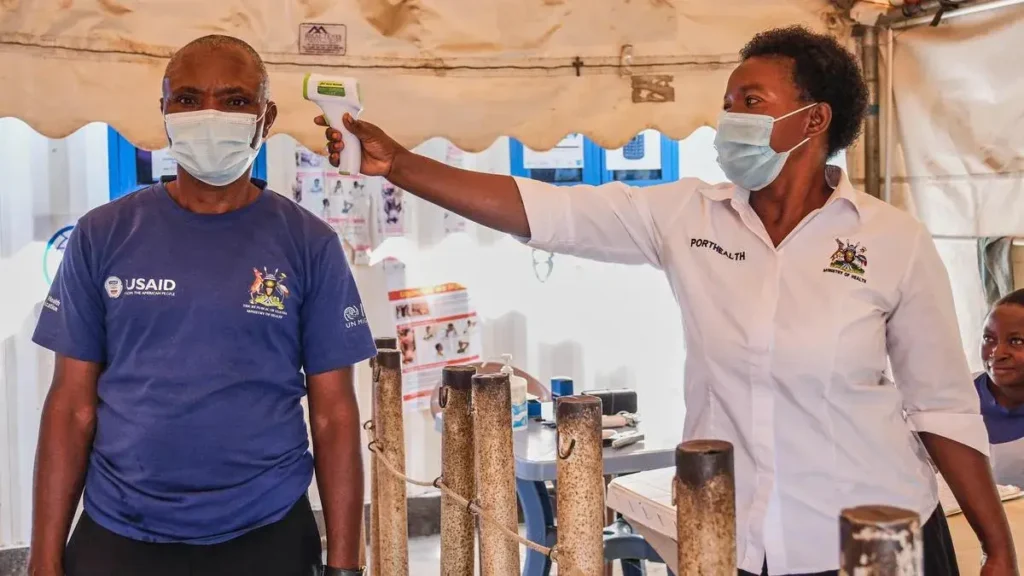
The World Health Organization (WHO) and the Africa Centres for Disease Control and Prevention (Africa CDC) have launched a six-month emergency response plan worth $518 million to combat the rapidly spreading Ebola outbreak in the Democratic Republic of Congo. Announcing the initiative, WHO Director-General Tedros Adhanom Ghebreyesus stressed the urgent need for financial support, political commitment, and community engagement to curb what has become the fourth-largest Ebola outbreak on record. The strategy will run from June through November 2026. Tedros warned that health authorities are still struggling to keep pace with the outbreak’s spread, emphasizing that effective containment will require sustained funding and strong public trust. According to the Africa CDC, the outbreak remained undetected for several weeks, allowing the virus to spread significantly before response measures were fully mobilized. The agency reported 381 confirmed infections and 62 confirmed deaths so far. The current outbreak is being driven by the rare Bundibugyo strain of Ebola, for which no approved vaccine or specific treatment currently exists. Africa CDC Director-General Jean Kaseya described the situation as the most severe Bundibugyo-related outbreak ever recorded. Kaseya noted that international donors have pledged approximately $315.8 million toward response efforts, though it remains unclear whether those funds will directly support the newly announced six-month action plan. He added that the pledged amount was revised downward after some donors updated their commitments. The Africa CDC officially declared the outbreak, Congo’s 17th Ebola epidemic, on May 15. Shortly afterward, the WHO classified the situation as a public health emergency of international concern, underscoring the global significance of the crisis. Source: Reuters

WHO Unveils $518 Million Emergency Plan to Contain Escalating Ebola Outbreak Read More »
India Advises Against Non-Essential Travel to Congo, Uganda and South Sudan Amid Ebola Surge

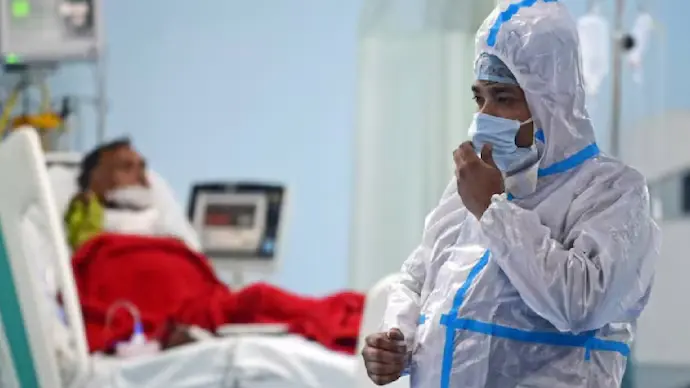
The Indian government has issued a travel advisory urging citizens to avoid non-essential visits to the Democratic Republic of the Congo, Uganda, and South Sudan following a growing outbreak of Ebola in central Africa. The advisory, released by India’s Health Ministry on May 23, 2026, comes after the World Health Organization classified the outbreak as a global public health emergency. The WHO had earlier designated the situation as a Public Health Emergency of International Concern (PHEIC), citing a “very high” national risk in the DRC and a “high” regional threat level, while maintaining that the global risk remains low. Health authorities confirmed that the ongoing outbreak involves the Bundibugyo strain of Ebola, for which there are currently no approved vaccines or specific treatments. Officials stressed the need for urgent containment measures, including surveillance, contact tracing, and rapid response systems. According to the latest figures released on Saturday, the Ebola outbreak has claimed 216 lives so far, while the total number of confirmed and suspected cases has reached 968. In response, the Directorate General of Health Services (DGHS) has intensified screening measures at major international entry points across India, including Indira Gandhi International Airport. Authorities have introduced targeted monitoring for travellers arriving from or transiting through the affected African nations. Airlines operating on these routes have been instructed to make mandatory health announcements onboard and distribute Self-Declaration Forms (SDFs) to passengers. Travellers displaying symptoms or those who may have come into contact with infected individuals are required to report to Airport Health Officers before immigration clearance. India has also strengthened physical screening measures at airports through round-the-clock thermal scanning and visual surveillance for fever-related symptoms. Dedicated isolation facilities and emergency ambulances have been deployed to ensure immediate transfer of suspected cases to designated hospitals. The Health Ministry further stated that all passengers arriving from high-risk regions must self-monitor their health for 21 days and seek immediate medical attention if symptoms appear, while fully disclosing their recent travel history. The WHO has repeatedly highlighted that Ebola control depends heavily on early detection, swift isolation, public awareness, and community participation. While effective vaccines and monoclonal antibody treatments exist for the Zaire strain of Ebola, the organisation has warned that similar medical countermeasures are not yet available for the rarer Bundibugyo variant. Source: The Hindu

India Advises Against Non-Essential Travel to Congo, Uganda and South Sudan Amid Ebola Surge Read More »

Mpox Cases in Africa Near 70,000 Mark: Africa CDC Calls for Urgent Action

The Africa Centers for Disease Control and Prevention (Africa CDC) has reported a significant rise in mpox cases across the continent, with the total number surpassing 69,000 this year and fatalities exceeding 1,260. These alarming statistics were shared by Ngashi Ngongo, Chief of Staff at Africa CDC, during an online media briefing on Thursday. According to Africa CDC data, as of this year, 69,211 cases have been reported, including 14,794 confirmed infections and 1,268 deaths. Last week alone saw 3,095 new cases, with 553 confirmed and 31 additional deaths, marking a 789% increase in confirmed cases compared to 2023. Fifteen African countries currently face active mpox transmission, while five nations—Gabon, South Africa, Morocco, Zambia, and Zimbabwe—have recently transitioned to controlled stages of the outbreak. Ngongo emphasized the urgency of intensifying resource mobilization, expanding vaccination campaigns, and enhancing integrated response strategies. Other priorities highlighted by Africa CDC include improving data management systems and addressing co-infections, as 20 African nations remain affected by the outbreak. Ngongo called for collaboration among countries to share best practices and bolster efforts to contain the epidemic. The mpox outbreak was declared a public health emergency of continental security by Africa CDC in mid-August, shortly followed by the World Health Organization designating it a public health emergency of international concern. This marks only the second time in two years that WHO has issued its highest-level alert for the disease. First identified in laboratory monkeys in 1958, mpox—formerly known as monkeypox—is a rare viral disease that spreads through body fluids, respiratory droplets, and contaminated materials. Symptoms include fever, rash, and swollen lymph nodes, posing severe risks to public health in Africa and beyond. Source: Nagalandpost Photo Credit: Nagalandpost

Mpox Cases in Africa Near 70,000 Mark: Africa CDC Calls for Urgent Action Read More »