PM Modi Pushes Faster Execution of Swachh Bharat Mission 2.0, Reviews Key Infrastructure Projects at PRAGATI Meeting
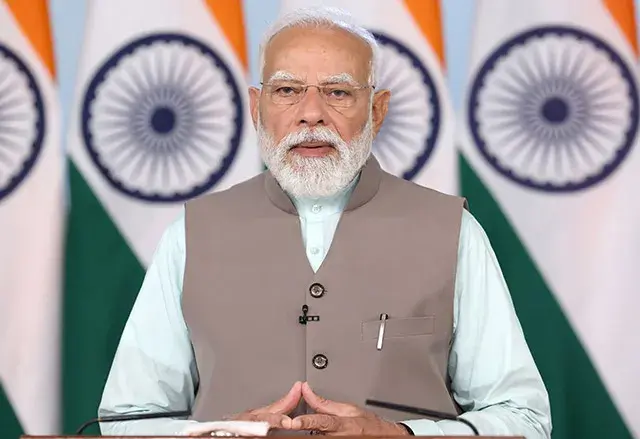
Prime Minister Narendra Modi on Thursday stressed the importance of effective implementation of Swachh Bharat Mission 2.0, urging States to focus not only on infrastructure creation but also on measurable outcomes through continuous monitoring, citizen participation, and better coordination among stakeholders. Chairing the 51st PRAGATI meeting in New Delhi, the Prime Minister reviewed seven major infrastructure projects spanning the Railways, Power, and Road sectors across nine States, with a combined value of nearly ₹30,000 crore. During the review of Swachh Bharat Mission initiatives, Modi directed States to speed up the completion of solid waste management infrastructure, including waste processing units and GOBARdhan plants. He highlighted the need for stronger implementation mechanisms to ensure long-term impact and improved sanitation outcomes. Reviewing power sector projects, the Prime Minister called for rapid expansion of rooftop solar systems in urban areas, residential societies, and public institutions. He said rooftop solar adoption should be pursued in mission mode to lower electricity costs, strengthen energy security, and boost clean energy generation at the community level. On road and port connectivity projects, Modi emphasised that the Vadhavan Port project should evolve into a model for integrated multi-modal infrastructure development. He said the port must function as a national logistics gateway connected through coastal shipping, inland waterways, dedicated freight corridors, high-speed rail, highways, and airport networks. While assessing the Ken-Betwa River Inter-linking Project, the Prime Minister said the initiative should become a benchmark for resolving inter-state water issues through cooperation, timely approvals, technology-driven monitoring, and mission-oriented execution. He encouraged States to explore similar integrated projects focusing on river-linking, water conservation, groundwater recharge, and efficient irrigation systems to enhance long-term water security. The Prime Minister also warned that delays in public infrastructure projects lead to rising costs and deprive citizens of timely access to essential services and development benefits. He stressed that Ministries, Departments, and State governments must adopt a proactive and time-bound approach to resolve bottlenecks and accelerate implementation. Modi further suggested innovative use of canal infrastructure, including installing solar panels along and above canals. He noted that such projects could optimise land use, reduce water evaporation, generate renewable energy, and create additional economic value from water resources. At the beginning of the meeting, the Cabinet Secretary informed that a monthly review mechanism for social sector schemes has now been operationalised at the State level following the Prime Minister’s directions. The system is aimed at ensuring regular monitoring, quicker resolution of implementation challenges, and greater accountability at State and district levels. Swachh Bharat Mission has been selected as the first scheme for review under this mechanism. Source: News on AIR