Delhi High Court Criticizes Poor Conditions in North-East District Government Schools, Calls for Urgent Action
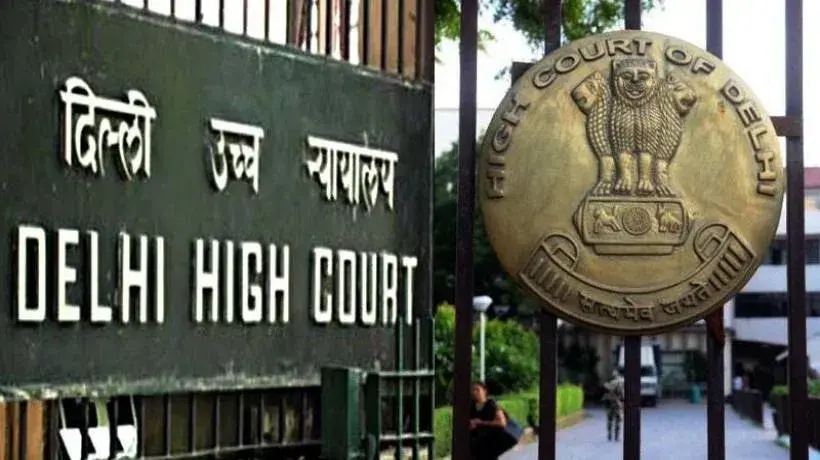
The Delhi High Court has issued scathing criticisms of the deplorable conditions observed in government schools within the city’s north-east district. Highlighting issues such as broken desks, classroom shortages, and a lack of essential materials like books, the court has emphasized the urgent need for accountability among education officials and swift measures to rectify the situation. In response to a damning report presented by lawyer Ashok Agarwal, who documented the discrepancies firsthand, the court expressed dismay at the state of affairs and demanded immediate action. Acting Chief Justice Manmohan, leading the bench, admonished education department officials, urging them to take proactive steps beyond mere announcements in newspapers. The bench highlighted the gravity of the situation, noting overcrowded classrooms with up to 144 children per room and schools being run from tin buildings. Such conditions, the court argued, not only impede learning but also endanger the well-being of students, particularly in extreme temperatures. Emphasizing the fundamental importance of education and its impact on young lives, the bench underscored the need for officials to prioritize ground-level inspections and interventions. It pointed out the lack of senior functionaries’ children attending these schools as symptomatic of systemic neglect and called for urgent corrective action. Acknowledging the NGO Social Jurist’s public interest litigation, represented by Agarwal, the court emphasized the violation of students’ fundamental right to education. It directed the education secretary to file a detailed affidavit, outlining steps to address the reported deficiencies and assigning responsibility to negligent officials. Furthermore, the court ordered the relocation of students from schools housed in inadequate tin buildings and mandated the provision of essential resources, including desks, books, and writing materials, to all students without delay. With the matter scheduled for further hearing on April 23, the court’s firm stance reflects its commitment to ensuring quality education for all, holding officials accountable, and safeguarding the constitutional rights of students.