ArdorComm Media Group

Saturday, November 21, 2026 9:04 AM

Rajnath Singh

Defence Ministry panel to discuss military modernisation, border security in Jaisalmer

The Defence Ministry’s Consultative Committee is scheduled to meet in Jaisalmer, Rajasthan, under the chairmanship of Defence Minister Rajnath Singh to discuss key national security matters and the preparedness of the Indian Armed Forces. The discussions are expected to focus on modernising the armed forces, promoting the use of indigenous defence equipment and incorporating emerging military technologies into India’s defence capabilities. The committee will also review security preparedness along the western border and explore measures to strengthen the operational effectiveness of the armed forces. Other key areas likely to feature in the deliberations include addressing evolving security threats and preparing the military to tackle future strategic and operational challenges. Defence Minister Rajnath Singh has arrived in Jaisalmer to attend the meeting, accompanied by several Members of Parliament from both the Lok Sabha and the Rajya Sabha. Senior officials from the Defence Ministry and representatives of the armed forces are also expected to participate. The meeting will provide a platform for discussions on India’s defence priorities, military preparedness and the role of indigenous technologies in strengthening national security. Source: News on AIR  

Defence Ministry panel to discuss military modernisation, border security in Jaisalmer Read More »

IIT Kanpur Launches $1 Billion Fundraising Drive, Announces ₹180-Crore Innovation School in Noida

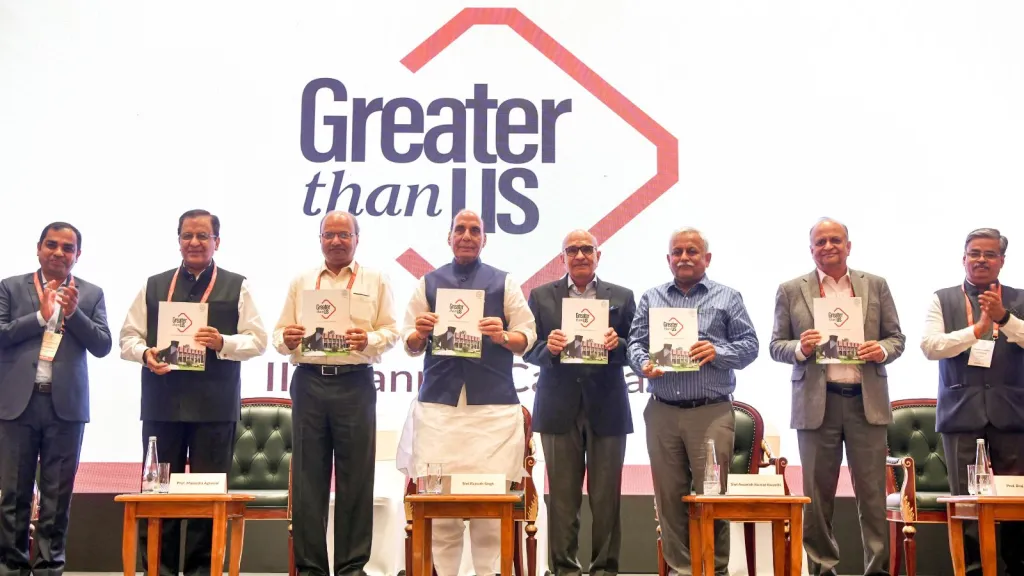
The Indian Institute of Technology (IIT) Kanpur has announced plans to establish a ₹180-crore school dedicated to innovation and entrepreneurship at its Noida campus, alongside a major fundraising campaign targeting $1 billion (approximately ₹9,000 crore) by March 2029. Named the Gautam School of Innovation & Entrepreneurship (G-SINE), the new institution aims to help students transform research and emerging technologies into commercially viable products and technology-driven startups. Its flagship MBA programme in Technology and Entrepreneurship is scheduled to commence in July 2027. The school forms part of IIT Kanpur’s ‘Greater Than Us’ campaign, which will support research and development across seven strategic technology domains: artificial intelligence, cybersecurity, drones, medical technology, sustainability, semiconductors and quantum technologies. Defence Minister Rajnath Singh launched the campaign in New Delhi on October 14. According to IIT Kanpur Director Manindra Agrawal, the institute has already secured commitments worth ₹4,155 crore from alumni, corporate donors, government bodies and other partners, representing nearly half of the overall fundraising target. G-SINE is being established with a ₹180-crore commitment from IIT Kanpur alumnus Rahul Gautam, with a memorandum of understanding signed during the campaign launch. Agrawal emphasised the importance of bridging the gap between laboratory research and commercial deployment. The school will focus on helping faculty members and students advance technologies towards market readiness, with entrepreneurship and startup development forming central elements of its approach. The institution will have dedicated full-time faculty members and degree programmes, covering areas such as AI, cybersecurity, digital health, biotechnology, drones and advanced manufacturing. It will also work alongside a proposed Deep Tech Hub at the Noida campus, providing students with access to product development and testing facilities. The institute’s Startup Incubation and Innovation Centre (SIIC), which has incubated 571 startups, will further support the initiative. The ₹9,000-crore fundraising campaign is structured around three pillars: Foundation, Talent and Frontier. Of the total target, ₹5,000 crore is earmarked for infrastructure, including research facilities, computing resources and student housing. Another ₹3,000 crore will support scholarships, doctoral fellowships and faculty recruitment, while ₹1,000 crore will be allocated to strategic technology initiatives. Agrawal said the campaign reflects IIT Kanpur’s commitment to strengthening India’s capabilities in strategically important technologies and reducing dependence on external technology ecosystems. The initiative builds on the institute’s existing specialised schools in medical sciences and technology, artificial intelligence and sustainability. IIT Kanpur also plans to establish dedicated funds to attract leading faculty members without financial constraints becoming a barrier to recruitment. Source: Indian Express  

IIT Kanpur Launches $1 Billion Fundraising Drive, Announces ₹180-Crore Innovation School in Noida Read More »

DAC Clears Defence Acquisition Proposals Worth Over ₹1.10 Lakh Crore

The Defence Acquisition Council (DAC), chaired by Defence Minister Rajnath Singh, has approved capital acquisition proposals worth more than ₹1.10 lakh crore for the Indian Armed Forces, with around 98 per cent of the procurements expected to be sourced from Indian industry. For the Indian Army, the approvals include Chemical, Biological, Radiological and Nuclear (CBRN) Recce Vehicles, High Mobility Vehicles (HMVs), Self-Propelled Mechanical Mine Layers (MMLs), Advanced Light Helicopters (ALHs), Trawl Tanks and the Sarvatra Bridge System. The CBRN Recce Vehicles will help detect, identify, monitor and mark areas contaminated by hazardous CBRN agents. HMVs are expected to strengthen troop mobility, logistics and operational support in difficult terrain, while MMLs will enable rapid and responsive mine-laying operations. The ALHs will support complex missions across diverse terrains and operational conditions. Trawl Tanks and the Sarvatra Bridge System will provide fighting formations with essential crossing capabilities during military operations across varied terrain. For the Indian Navy, the DAC granted Acceptance of Necessity for the acquisition of Arudhra Radars and for the design, development and subsequent procurement of Marine Gas Turbines (MGTs). The Arudhra systems will replace existing Air Route Surveillance Radars at various naval air stations. The indigenous development of MGTs, which are used for warship propulsion, is also aimed at reducing dependence on foreign suppliers. For the Indian Air Force, the Council cleared several proposals aimed at strengthening the operational capabilities of fighter aircraft, transport platforms and helicopters. Approval was also given for Ground-Based Multi-Purpose Jammers (GBMPJs) and the Defence Forces Secure Access Card (DEFSAC) system. The GBMPJ is designed to disrupt and jam adversary radar systems, while DEFSAC will replace paper-based identity cards, passes and permits with interoperable smart cards based on Radio Frequency Identification (RFID) technology. The latest approvals underline the government’s push towards greater self-reliance in defence manufacturing, with the overwhelming majority of the proposed acquisitions expected to benefit domestic defence companies and strengthen India’s indigenous military-industrial capabilities. Source: News on AIR

DAC Clears Defence Acquisition Proposals Worth Over ₹1.10 Lakh Crore Read More »

Rajnath Singh Highlights Economic Strength as Key Driver of India’s Defence Growth at Vibrant Gujarat Summit

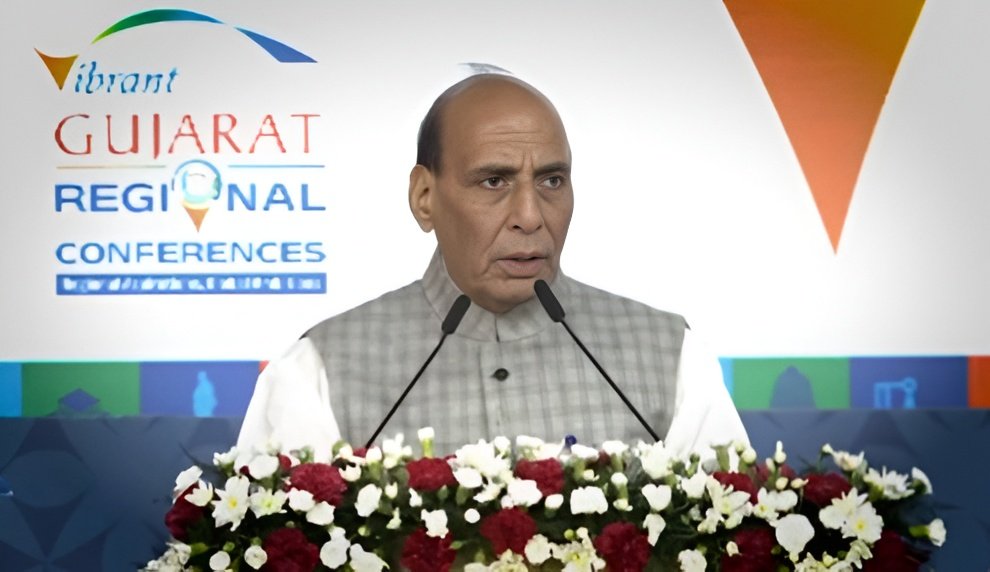
Union Defence Minister Rajnath Singh has underscored the critical connection between economic strength and national security, stating that a strong economy is the backbone of a nation’s defence capabilities. Speaking at the valedictory session of the Vibrant Gujarat Regional Conference in Vadodara, he said India’s growing industrial capacity is paving the way for greater self-reliance in the defence sector. Highlighting Gujarat’s industrial potential, Singh expressed confidence that the state is well-positioned to become a global centre for defence manufacturing, driven by its expanding footprint in sectors such as chemicals, electronics, shipbuilding, and renewable energy. He pointed to India’s remarkable progress in indigenous defence production, noting that the country’s domestic defence manufacturing output has risen sharply from ₹46,000 crore in 2014 to nearly ₹1.78 lakh crore today, reflecting the government’s continued push towards strengthening the country’s self-sufficiency in strategic sectors. Singh also highlighted Vadodara’s growing significance in India’s aerospace ecosystem, mentioning the establishment of the country’s first private-sector military aircraft manufacturing facility, where Tata Group and Airbus are jointly producing the Airbus C-295 transport aircraft — a milestone development for India’s defence manufacturing ambitions. Meanwhile, Gujarat Chief Minister Bhupendra Patel announced that agreements worth ₹3.34 lakh crore were signed during the two-day summit. These investments are expected to create over 1.97 lakh employment opportunities, providing a major boost to the region’s economic growth and industrial development in the near future. Source: News on AIR

Rajnath Singh Highlights Economic Strength as Key Driver of India’s Defence Growth at Vibrant Gujarat Summit Read More »

Rajnath Singh Unveils 100 New Sainik Schools, Boosts NCC Strength to 20 Lakh Cadets

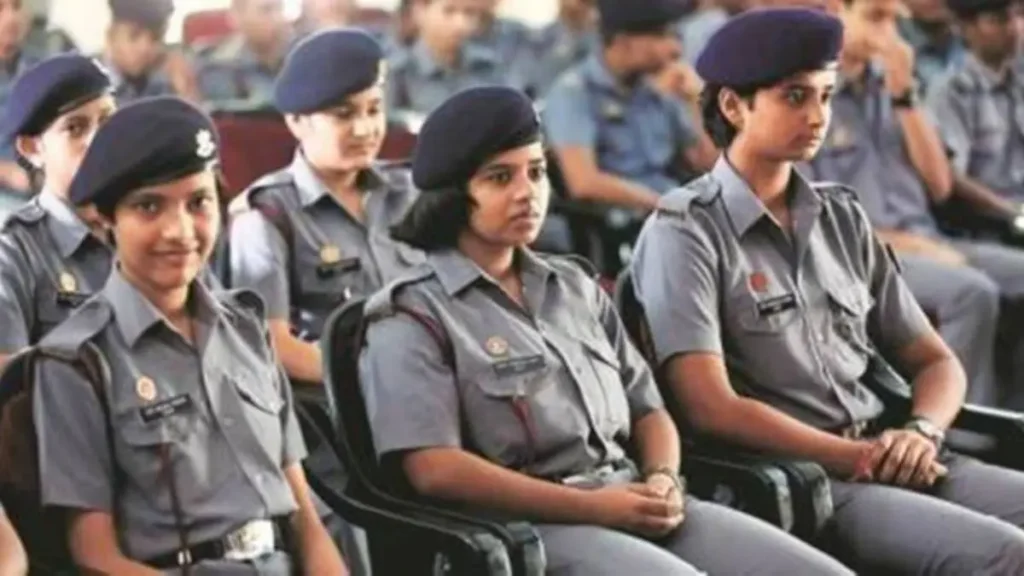
Rajnath Singh has announced a major expansion of India’s military-style education ecosystem, revealing plans to establish 100 new Sainik Schools under a public-private partnership (PPP) model. The announcement was made during the Diamond Jubilee celebrations of Sainik School Ghorakhal. In a parallel move, the Defence Minister also confirmed that the strength of the National Cadet Corps (NCC) will be increased from 17 lakh to 20 lakh cadets. This expansion aims to bring an additional three lakh युवाओं into a structured framework that emphasizes discipline, leadership, and civic responsibility. Highlighting the vision behind the decision, Singh noted that the expansion is not merely about numbers but about shaping future citizens equipped with strong values essential for nation-building. He further emphasized that Sainik Schools are not limited to preparing students for armed forces careers. Instead, they play a broader role in nurturing leadership qualities, resilience, and a sense of responsibility that can benefit multiple sectors. A key highlight of his address was the growing inclusion of girls in Sainik Schools. Singh praised the performance of girl cadets, stating that their achievements have effectively dispelled any doubts about their capabilities. Reinforcing the message of gender equality, he asserted that daughters are excelling alongside sons across all fields. The announcements reflect a continued push by the government to strengthen youth development initiatives while fostering leadership and inclusivity at the grassroots level. Source: PTI  

Rajnath Singh Unveils 100 New Sainik Schools, Boosts NCC Strength to 20 Lakh Cadets Read More »

DRDO successfully conducts high-speed rocket-sledge test for fighter jet escape system

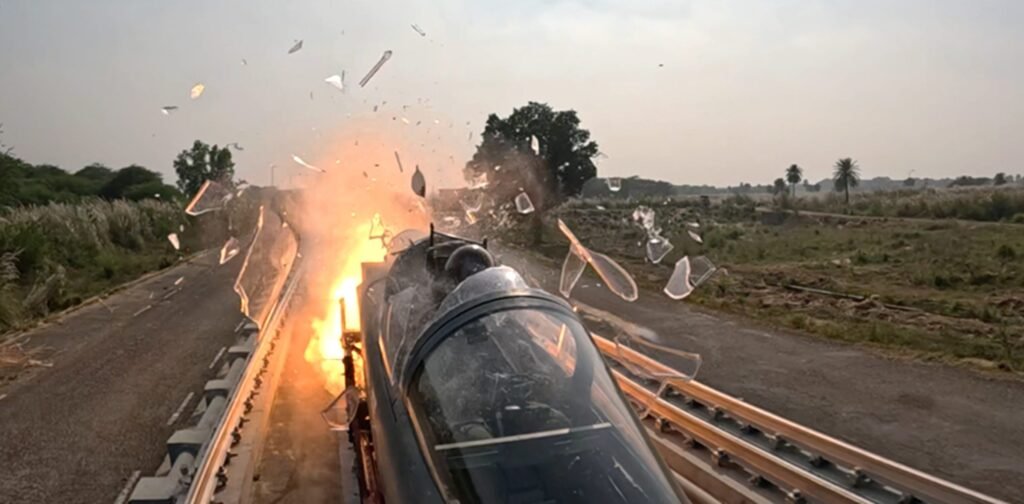
The Defence Research and Development Organisation (DRDO) has successfully carried out a high-speed rocket-sledge test of an indigenous fighter aircraft escape system, marking a major leap in India’s in-house dynamic testing capabilities. With this achievement, India has entered the select group of nations capable of performing advanced escape-system trials at controlled high velocities. The test was jointly executed with the Aeronautical Development Agency (ADA) and Hindustan Aeronautics Limited (HAL) at the Rail Track Rocket Sledge (RTRS) facility of the Terminal Ballistics Research Laboratory in Chandigarh. Officials from the Indian Air Force (IAF) and the Institute of Aerospace Medicine were present during the evaluation. Defence Minister Rajnath Singh congratulated DRDO, IAF, ADA, HAL and industry partners, calling the milestone a “significant boost to India’s defence self-reliance.” Dynamic ejection trials such as this are far more challenging than standard tests like Net or Zero-Zero trials. They offer a realistic assessment of ejection seat reliability and the canopy severance mechanism’s efficiency. For this test, a dual-sledge system carrying the forebody of an LCA aircraft was accelerated to an exact velocity through sequential firing of multiple solid-fuel rocket motors. Key performance indicators — including canopy break pattern, ejection timing, and full aircrew recovery — were assessed using a fully instrumented Anthropomorphic Test Dummy, designed to replicate the physiological responses of a human pilot. The test captured detailed data on forces, acceleration, and motion loads that an ejected aircrew member would endure. The entire sequence was recorded through onboard sensors and ground-based imaging systems. Source: newsonair

DRDO successfully conducts high-speed rocket-sledge test for fighter jet escape system Read More »

DRDO Successfully Concludes Dual Flight-Tests of Indigenous ‘Pralay’ Missile

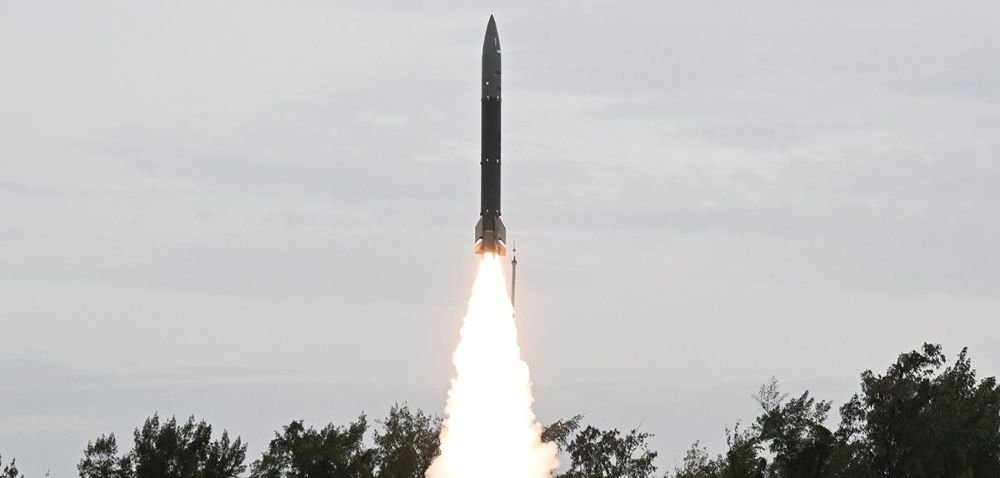
The Defence Research and Development Organisation (DRDO) has successfully conducted two back-to-back flight-tests of its homegrown ‘Pralay’ missile on July 28 and 29, 2025, from Dr APJ Abdul Kalam Island, located off the coast of Odisha. These tests were part of the User Evaluation Trials designed to validate both the upper and lower range capabilities of the missile system. In both trials, the Pralay missile demonstrated exceptional performance by accurately following the designated trajectory and hitting the intended targets with high precision. All onboard subsystems functioned flawlessly, with their performance verified through real-time tracking data gathered by various sensors deployed by the Integrated Test Range (ITR), including those stationed on ships near the target area. The Pralay missile, powered by solid propellant, is a quasi-ballistic weapon featuring cutting-edge guidance and navigation systems. It is designed to deliver multiple types of warheads with remarkable accuracy against a range of targets. The development of the missile was spearheaded by the Research Centre Imarat (RCI) in collaboration with several DRDO laboratories such as the Defence Research & Development Laboratory (DRDL), Advanced Systems Laboratory (ASL), Armament Research & Development Establishment (ARDE), High Energy Materials Research Laboratory (HEMRL), Defence Metallurgical Research Laboratory (DMRL), Terminal Ballistics Research Laboratory (TBRL), Research & Development Establishment (Engineers), and the Integrated Test Range. Key industry partners included Bharat Dynamics Limited (BDL), Bharat Electronics Limited (BEL), as well as several other industrial units and MSMEs. The flight-tests were closely observed by senior DRDO scientists, officials from the Indian Army and Air Force, and representatives from the participating industries. Defence Minister Rajnath Singh congratulated DRDO, the Armed Forces, and the industrial partners on the successful tests, highlighting that the integration of such modern technologies significantly enhances India’s defence capabilities. DRDO Chairman and Secretary of the Department of Defence R&D, Dr Samir V Kamat, also lauded the team for the achievement, noting that the successful conclusion of these Phase-1 trials marks a significant step toward the missile’s formal induction into the Armed Forces. Source: Economic Times

DRDO Successfully Concludes Dual Flight-Tests of Indigenous ‘Pralay’ Missile Read More »

India, US Set to Sign New 10-Year Defence Agreement by Year-End

India and the United States are on track to formalize a fresh 10-year Defence Framework Agreement by the end of 2025, marking a new chapter in their strategic military partnership. The announcement was confirmed by US Senior Defence Spokesperson Colonel Chris Devine following a high-level phone conversation between US Secretary of Defence Pete Hegseth and India’s Defence Minister Rajnath Singh. According to a Pentagon release, the two leaders agreed to finalize and sign the updated framework during their scheduled meeting later this year. The agreement aims to deepen defence collaboration, enhance joint operational capabilities, and promote greater defence industrial cooperation. Taking to social media platform X, Defence Minister Rajnath Singh expressed optimism about the discussion, stating: “Glad to speak with US Secretary of Defense Pete Hegseth today. We had an excellent exchange on advancing India-US defence cooperation and capacity building. I thanked the US for its consistent support in India’s fight against terrorism and look forward to meeting him soon.” Secretary Hegseth reiterated the United States’ commitment to strengthening defence ties with India, recognizing it as a pivotal partner in the South Asian region. Both leaders took stock of the progress made since the February 2025 Joint Statement issued by President Trump and Prime Minister Modi, which laid out key defence goals. As per the Pentagon, the conversation also covered several strategic points: upcoming major US defence sales to India, the need for tighter defence industry collaboration, and enhancing joint military capabilities. India’s Ministry of Defence, in a separate statement, confirmed that the dialogue spanned a broad spectrum of topics, including long-term defence cooperation, personnel training, and expanded military exchanges. The discussions also touched on increasing joint exercises, interoperability between armed forces, logistical cooperation, and strengthening global partnerships with other like-minded nations. Both countries emphasized accelerating momentum in these areas to elevate their bilateral defence relationship to new heights in the coming decade. Source: ANI

India, US Set to Sign New 10-Year Defence Agreement by Year-End Read More »

India Clears Indigenous Fifth-Generation Fighter Jet Project AMCA, DRDO to Spearhead Development

Ardorcomm news

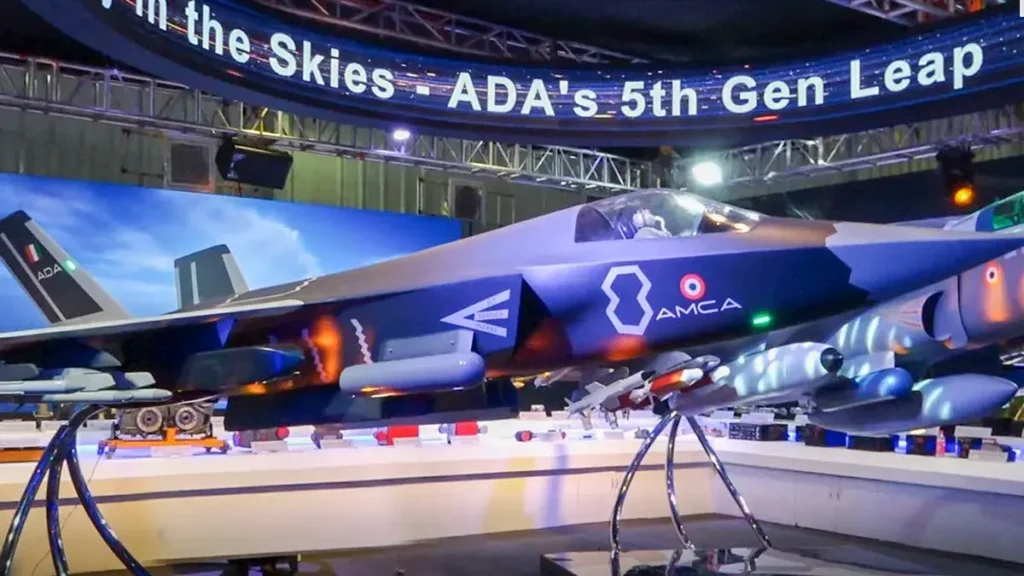
India has formally given the green light to its ambitious fifth-generation fighter aircraft programme—the Advanced Medium Combat Aircraft (AMCA). This move marks a major stride in strengthening the country’s self-reliance in defence manufacturing and aerospace innovation. The Ministry of Defence (MoD) announced on Tuesday that Defence Minister Rajnath Singh has approved the execution model for the AMCA programme, which will be led by the Aeronautical Development Agency (ADA), a key arm of the Defence Research and Development Organisation (DRDO). The decision follows the Cabinet Committee on Security’s (CCS) prior approval of the project in March 2024. “In a significant push towards enhancing India’s indigenous defence capabilities and fostering a robust domestic aerospace industrial ecosystem, Raksha Mantri Shri Rajnath Singh has approved the Advanced Medium Combat Aircraft (AMCA) Programme Execution Model. The Aeronautical Development Agency (ADA) is set to execute the programme through Industry partnership,” the MoD said in a statement. The ministry also confirmed that the ADA is expected to soon release an Expression of Interest (EoI) to kick-start the development phase of the AMCA. This step will pave the way for creating the aircraft’s prototype. While no official timeline has been specified in the recent announcement, earlier reports suggested a prototype might be ready within three years of the go-ahead, with a maiden flight potentially occurring within a year to 18 months after that. The AMCA is expected to feature advanced stealth technology, positioning India among an elite group of nations—such as the United States, Russia, and China—that have developed fifth-generation fighter jets. However, past delays and budgetary constraints have raised concerns about the project’s viability and timelines. The green signal for AMCA comes at a crucial moment for the Indian Air Force (IAF), which is grappling with a significant shortfall in its fighter squadron strength. The IAF currently operates around 29 squadrons—well below the sanctioned strength of 41. This shortfall has raised alarms, particularly given India’s increasingly tense security environment, with mounting threats from both Pakistan and China. The slow pace of aircraft procurement and challenges in domestic defence development have further exacerbated these concerns among military planners. The AMCA project is seen as a key initiative to not only bolster the IAF’s capabilities but also to catalyse the growth of India’s aerospace sector through industry partnerships and indigenous innovation. Source: Firstpost  

India Clears Indigenous Fifth-Generation Fighter Jet Project AMCA, DRDO to Spearhead Development Read More »

PM Modi Chairs Day-Long Conclave with NDA CMs, Focuses on Good Governance and Development Synergies

Ardorcomm news

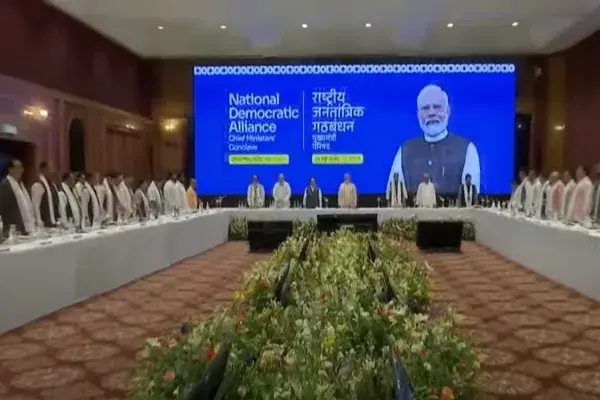
Prime Minister Narendra Modi chaired a comprehensive conclave in New Delhi, bringing together Chief Ministers and Deputy Chief Ministers from all 20 National Democratic Alliance (NDA)-governed states. The high-level meeting centred on strategies to accelerate development and ensure the effective delivery of governance through the “double-engine” model. Addressing the gathering, the Prime Minister stressed the importance of enhancing coordination and synergy across sectors such as healthcare, sanitation, agriculture, youth empowerment, and technology. He also encouraged states to intensify their efforts in delivering public services and creating impactful governance outcomes. In a post on social media, PM Modi highlighted the extensive discussions held during the conclave, which included sharing of successful models and initiatives from various states. These ranged from water conservation and grievance redressal mechanisms to administrative reforms, women empowerment, sports, and education. Organised by the BJP’s Good Governance Department, the conclave saw participation from 20 Chief Ministers and 18 Deputy Chief Ministers. Senior BJP leaders including Party President JP Nadda, Home Minister Amit Shah, and Defence Minister Rajnath Singh also took part in the day-long discussions. Speaking to the media after the meeting, BJP President JP Nadda stated that two key resolutions were adopted. The first praised the Indian armed forces for their bravery under Operation Sindoor, which targeted terror camps across the border. The second resolution reaffirmed the party’s stance on caste-based policies, clarifying that the BJP prioritises social integration and mainstreaming of backward communities without engaging in caste-based politics. The session also featured detailed presentations by the states showcasing their governance achievements. Additionally, leaders discussed preparations for major upcoming milestones, including the NDA government’s first anniversary on June 9, the 10th International Day of Yoga, and the 50th year since the declaration of the Emergency in 1975. The conclave reinforced the NDA’s collective commitment to good governance, innovation, and inclusive development across the nation. Source: newsonair  

PM Modi Chairs Day-Long Conclave with NDA CMs, Focuses on Good Governance and Development Synergies Read More »