ArdorComm Media Group

Thursday, February 12, 2026 10:24 PM

School Education

ArdorComm Education Leadership Summit & Awards 2026 held in Guwahati, Assam on 6th February 2026

The ArdorComm – Education Leadership Summit & Awards 2026, held on 6th February 2026 in Guwahati, Assam, emerged as a powerful confluence of ideas, inspiration and action, spotlighting the North East as a fast-evolving education and skills hub of India. Centred on the theme “Future-Ready Northeast: Building Skills, Mindsets for a Smarter Tomorrow”, the summit brought together senior education leaders, policymakers, academicians, EdTech innovators and industry experts from across the region and beyond. Organised by ArdorComm Media Group, the flagship summit reaffirmed the organisation’s commitment to fostering dialogue, collaboration and recognition across India’s education ecosystem—this time with a sharp focus on the immense potential and progress of the North Eastern states. Showcasing the Northeast’s Education Transformation The summit highlighted how Northeast India is undergoing a quiet but powerful transformation in education, driven by improved literacy rates, enhanced digital infrastructure, policy-led reforms and growing private participation. Discussions underscored the region’s journey from access-led education to outcome-oriented, future-ready learning models. Speakers extensively explored the opportunities unlocked by NEP 2020, particularly its emphasis on regional languages, multidisciplinary learning, skill integration and alignment with local economic and employment needs. The role of education in nurturing entrepreneurship, employability and innovation within the region was a recurring theme across sessions. With growing investments in universities, private unaided schools, vocational training centres and EdTech-enabled classrooms, the Northeast is increasingly positioning itself as a model region for inclusive and tech-driven education. Support from Esteemed Government Leaders The ArdorComm – Education Leadership Summit & Awards 2026 – Guwahati received strong encouragement and goodwill from distinguished leaders of the Government of Assam, underscoring the importance of collaborative efforts in advancing education, skills and youth development in the region. Smti. Nandita Garlosa, Hon’ble Minister of Sports & Youth Welfare, Government of Assam, extended her warm wishes to the summit, appreciating initiatives that focus on empowering youth through education, skill development and holistic growth. Dr. Ranoj Pegu, Hon’ble Minister of Education, Welfare of Plain Tribe & Backward Classes, Government of Assam, conveyed his best wishes for the event and acknowledged the role of such platforms in strengthening education systems, promoting inclusivity and aligning learning with the aspirations of the future workforce. Shri Prasanta Phukan, Hon’ble Minister for Power, Skill, Employment & Entrepreneurship, Medical Education & Research, Government of Assam, also shared his warm regards for the summit, recognising the significance of industry–academia collaboration in building a skilled, employable and future-ready talent pool for the state and the region. Their encouragement and goodwill added immense value to the summit and reaffirmed the collective commitment towards nurturing a future-ready Northeast through education, skills and innovation. Industry Leaders and Keynote Speakers The summit opened with an impactful Inaugural Session on “Future-Ready Northeast: Building Skills & Mindsets for a Better Tomorrow”, setting the tone for a day of forward-looking discussions. Kumar Chandan Anand, Founder, CEO & Group Editor, ArdorComm Media Group, delivered the Welcome Address, highlighting ArdorComm’s commitment to fostering collaborative platforms that drive inclusive, future-ready education. The Guest of Honour, Shri R. C. Jain, IAS (Retd.), Chairman, Assam State School Education Board (ASSEB), Government of Assam, shared insights on strengthening school education and aligning learning outcomes with the vision of NEP 2020. The session was further enriched by Maj. Gen. B. D. Wadhwa, AVSM, Pro Chancellor (Emeritus), IILM University, Greater Noida, who emphasised leadership and values-based education, and Aaditya Razdan, Senior Enterprise Director, Coursera, who spoke on the growing role of digital platforms and industry-aligned learning in building future-ready skills for the Northeast. Panel 1, titled “NEP and Tech Advantage for KG to PG: Building a Future-Ready Generation”, brought together education leaders from school and higher education to discuss how NEP 2020 and technology can collectively transform learning across the entire academic continuum. Moderated by Sandip Sen, Principal, SERS Public School, Guwahati, the panel featured Cdr. (Dr.) Gurdaman Sharma, Vice Chancellor, SRM University, Gangtok; Prof. (Dr.) Ginlianlal Buhril, Vice Chancellor, ICFAI University, Mizoram; Dr. Nitai Pradhan, Principal, Good Shepherd’s Home English Medium High School, Nagaon; and Mohan Raghavan, Director, Mind Matters Educational Group, Guwahati. The discussion highlighted curriculum flexibility, experiential learning, digital integration and teacher preparedness as critical enablers for nurturing future-ready skills and mindsets from early childhood education to higher education. Panel 2, titled “Digital Pathways to Lifelong Learning: Balancing Innovation, Inclusion & Ethics”, focused on how digital transformation can enable continuous learning while remaining equitable and responsible. Moderated by Gariasi Dutta, Chairperson, The down town Group Schools, Guwahati, the panel featured Diwan Siraj Munir, Executive Director & CEO, Sublime Academy, Barpeta; Dr. Durlav Sarkar, Founder & Director, Gurukul Group of Educational Wing, Mangaldai; Mallika Das Singh, Founder & Director, Lakshya International School, Tezpur; and Anuraag Saraf, Founder & Director, Mind Matters Educational Group, Guwahati. The discussion emphasised ethical use of technology, inclusive digital access, blended learning models and the importance of fostering critical thinking and digital citizenship across all stages of education. Panel 3, titled “Bridging Education and Employability: Skills for the 21st Century Workforce”, brought the spotlight on aligning academic frameworks with evolving industry demands and employability outcomes. Moderated by Prof. Himanshu Panchal, Vice Chancellor, EdTech Skills University, Tinsukia, the panel featured Kuldip Sarma, Co-Founder & Pro-Chancellor, Medhavi Skills University, Singtam; Manik Kathuria, Regional Account Director, Coursera; Maj. Gen. B. D. Wadhwa, AVSM, Pro Chancellor (Emeritus), IILM University, Greater Noida; Prof. (Dr.) K. V. S. Sarma, Vice Chancellor, National Law University and Judicial Academy, Guwahati; Dr. Bibhas Deb, Vice Chancellor, Maharaja Bir Bikram University, Agartala; Prof. (Dr.) Ajeya Jha, Vice Chancellor, Arunachal University of Studies, Namsai; and Dr. Debmalya Bhattacharya, Pro Vice Chancellor, MIT University of Meghalaya. The discussion underscored the importance of industry-aligned curricula, experiential learning, micro-credentials, leadership development and strong academia–industry partnerships in preparing a future-ready workforce for the Northeast and beyond. Panel 4, titled “Reimagining Higher Education in the Digital Era: Transformation, Trends & Pathways”, explored how universities are navigating digital disruption while rethinking academic delivery, governance and student engagement. Moderated by Prof. (Dr.) Prakash Divakaran, Vice Chancellor, Himalayan University, Itanagar, the panel featured Subrato Ganguly, Senior Manager

ArdorComm Education Leadership Summit & Awards 2026 held in Guwahati, Assam on 6th February 2026 Read More »

Meghalaya Makes Khasi and Garo Mandatory in Foundational Education to Strengthen Cultural Roots

The Meghalaya government has rolled out a new foundational-stage curriculum that makes Khasi and Garo compulsory for children up to Class 1, aiming to simplify early learning while strengthening students’ connection with local culture and heritage. Chief Minister Conrad K. Sangma said the initiative is designed to instil confidence and a strong sense of identity among children from their formative years. Emphasising the importance of mother-tongue education, he noted that early exposure to indigenous languages helps children develop a deeper sense of belonging. The decision was taken during a cabinet meeting chaired by him on Friday. According to officials, the newly developed textbooks will be introduced on an optional basis in the upcoming academic year, as many schools have already finalised their syllabi. The curriculum will become mandatory from the following academic session. The revised foundational curriculum, spanning preschool to Class 1, places emphasis on ease of learning, value-based education, and an early introduction to Meghalaya’s history, culture, and traditions. In addition to education reforms, the cabinet approved a revised pay structure for Sarva Shiksha Abhiyan and ad hoc teachers, addressing a long-standing demand. The chief minister termed the move a recognition of their vital role and a step towards ensuring greater stability within the education system. The cabinet also cleared a five-year Mission Mode HIV/AIDS project with a budget allocation of ₹25 crore, focusing on awareness generation, infrastructure strengthening, and targeted interventions across the state. Other key decisions included amendments to the Meghalaya Building Bye Laws, 2021, making green building certification mandatory for large-scale constructions. Former Meghalaya High Court Chief Justice S. Vaidyanathan was appointed as the chairperson of the Meghalaya Human Rights Commission. Further, the cabinet approved the formation of the Meghalaya Livelihoods and Investment Financing Cooperative Society Ltd to support cooperative societies, agriculture, and food processing sectors through working capital and investment assistance. Approval was also granted for the creation of a National Games Secretariat Society to oversee preparations for the 39th National Games. Source: PTI

Meghalaya Makes Khasi and Garo Mandatory in Foundational Education to Strengthen Cultural Roots Read More »

CBSE to Begin Recruitment for Teaching and Non-Teaching Roles in KVS and NVS

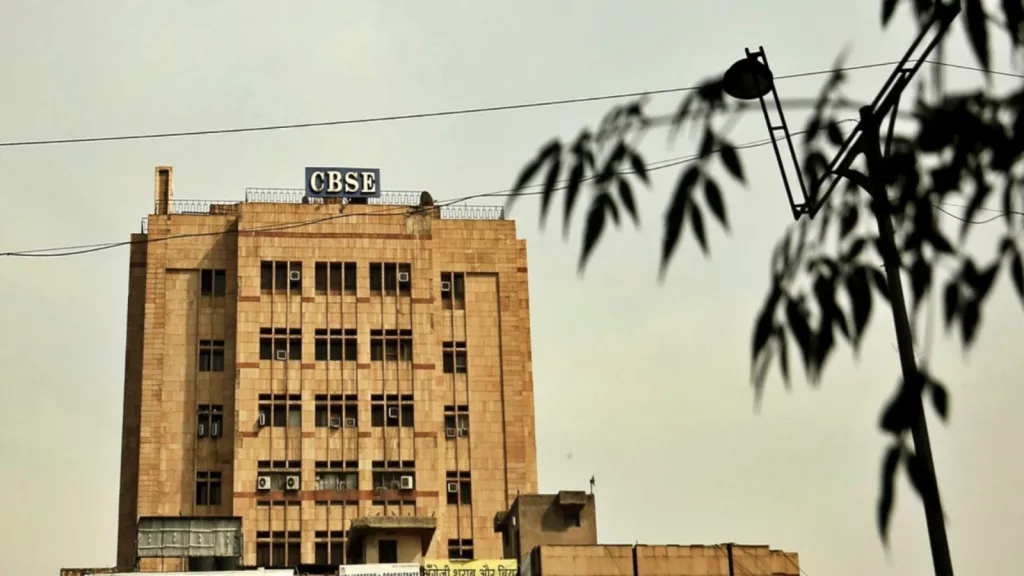
The Central Board of Secondary Education (CBSE) has announced that it will soon launch the recruitment process for multiple teaching and non-teaching vacancies across Kendriya Vidyalaya Sangathan (KVS) and Navodaya Vidyalaya Samiti (NVS). The recruitment will be carried out on a direct basis and is open to eligible Indian citizens. Online applications will open on November 14, 2025, and the last date to apply is December 4, 2025. A detailed notification specifying eligibility criteria, vacancies, and application procedures will be issued shortly by CBSE. Candidates are advised to apply exclusively through the official websites for authentic information: cbse.gov.in kvsangathan.nic.in navodaya.gov.in In a related development, the Cabinet Committee on Economic Affairs (CCEA), chaired by Prime Minister Narendra Modi, has approved the establishment of 57 new Kendriya Vidyalayas across 17 states and Union Territories. The initiative aims to provide equitable access to quality education, particularly for children of Central government employees posted in remote, aspirational, Left Wing Extremism-affected, hilly, or northeastern areas. The project, estimated to cost ₹5,862.55 crore over nine years, will include pre-primary sections and is projected to benefit more than 86,000 students, expanding the existing network of 1,288 Kendriya Vidyalayas across India. However, data from the Ministry of Education’s Department of School Education and Literacy indicates a decline in KV admissions. In response to a question raised by MPs B.K. Parthasarathi (TDP) and Sudha R (Congress), the Ministry reported that the total number of students enrolled dropped from 13,87,763 in 2020–21 to 13,50,518 in 2024–25 — a decrease of 37,245 students, marking a decline of roughly 2.86%. Kendriya Vidyalayas, managed by the Kendriya Vidyalaya Sangathan (KVS) under the Ministry of Education, follow a uniform curriculum designed by the National Council of Educational Research and Training (NCERT) and are affiliated with CBSE. Admissions primarily prioritize children of Central government and defence personnel, while others are accommodated based on the availability of seats. Source: Indian Express

CBSE to Begin Recruitment for Teaching and Non-Teaching Roles in KVS and NVS Read More »

Pratibha Saran, Owner, Happy Home Montessori School, Rishikesh shares insights at ArdorComm Education Leadership Summit & Awards 2025 in Dehradun

Pratibha Saran

We’re very glad to have you here with us at the event. Could you please introduce yourself? I’m Pratibha, and I look after the complete academics and day-to-day functioning at Happy Home Montessori School. Besides this, I’m also a member of the Government’s ‘Namami Gange’ project. Additionally, I work with the Shiksha Sanskriti Utthan Nyas, an organization that works towards promoting education and culture across all 13 districts of Uttarakhand, especially in the area of language development. You will be one of the eminent speakers at the Roundtable discussion, how does it feel to be part of this event? I feel extremely glad and honored to join this event. I’m really looking forward to learning about the kind of work other educators are doing in the field of education. Your media company is doing a commendable job, especially in Dehradun, where we’ve been observing educational developments for the past 25 years. You’re helping take that work forward, and I’m excited to witness it today. Being part of this platform is a great opportunity for me to learn and grow. ArdorComm Media is celebrating its 4th anniversary. Would you like to share a message for us? You’re doing a truly great job for our future generations — our students. You’re providing them with better opportunities, and that’s highly appreciated. My best wishes to ArdorComm Media for continued success.  

Pratibha Saran, Owner, Happy Home Montessori School, Rishikesh shares insights at ArdorComm Education Leadership Summit & Awards 2025 in Dehradun Read More »

Empowering Digital India through Education: Countdown to ArdorComm – Digital Bharat Education Conclave 2025 in Bengaluru

As India accelerates its journey toward becoming a digitally empowered knowledge economy, education remains the linchpin of this transformation. Against this backdrop, ArdorComm Media Group, one of India’s fastest-growing media organisations, is set to host its National Flagship Event – Digital Bharat Education Conclave 2025 in Bengaluru, Karnataka on 19th September 2025. With a future-forward theme – Digital India Rising: Transforming Education, Skilling & Employability – the conclave promises to be a high-impact gathering of education stakeholders, tech innovators, government dignitaries, and institutional leaders from across the nation. Why Does This Conclave Matters? India’s Digital Bharat initiatives have dramatically reshaped the way learning is delivered, accessed, and consumed. From remote tribal belts to bustling urban centres, digital technologies are now at the heart of educational outreach. The conclave arrives at a time when the country is witnessing a surge in Education 5.0—an ecosystem where Artificial Intelligence (AI), Machine Learning (ML), immersive AR/VR experiences, Learning Management Systems (LMS), and data-driven insights are redefining education models. Bengaluru, Karnataka—India’s tech capital—provides the perfect setting for this exchange of ideas. The state’s forward-thinking policies, robust digital infrastructure, and dynamic education ecosystem make it a prime example of how technology can be leveraged to uplift learning outcomes, boost employability, and ensure inclusive education. What to Expect: Key Highlights This one-day conclave is designed as an interactive platform to celebrate, discuss, and design the next leap in Indian education. Here’s what the day entails: Panel Discussions: 6+ engaging sessions featuring experts from academia, government, and industry. 50+ Esteemed Speakers sharing best practices and innovative approaches. Participation from 150+ Higher Education Institutions, 100+ K-12 Schools, 20+ EdTech Corporates. 2+ RoundTable Discussions to deep-dive into policy, technology, and leadership challenges. ArdorComm Education Leadership Awards 2025 to honour institutions and individuals driving change. Who Will Be There? Expect participation from a wide spectrum of stakeholders, including: Government Officials & Policy Makers University Leaders & College Principals EdTech Innovators & Startups HR Professionals from Skill & Employability Sectors K-12 & Preschool Management Bodies Training & Certification Bodies The conclave is a dynamic networking opportunity for changemakers committed to uplifting the Indian education ecosystem. Key Discussion Themes The event will revolve around the following futuristic and inclusive themes: Empowering Students for the Global Stage: Skills for 21st Century Workforce Inclusive Campus in Digital Era: Addressing Digital Divides, Diversifying Curricula Degrees to Skills: Rethinking Higher Education Outcomes for the Future Workforce Education 5.0: Redefining Education by Integrating Immersive & Advanced Technologies Public-Private Partnerships in Education: Institutional Perspectives for Scalable Impact These themes reflect the urgency to not just adapt to change, but lead it. ArdorComm Education Leadership Awards 2025: Honouring the Trailblazers One of the marquee segments of the conclave is the Education Leadership Awards 2025, a prestigious initiative to honour excellence, innovation, and impact in the education and skilling ecosystem. From preschools to universities, from startups to corporate giants—six award segments will celebrate those who’ve truly made a difference: Award Segments: Preschool Awards School Education Awards Higher Education Awards Skills & Training Awards EdTech Startup Awards EdTech Corporate Awards If you or your institution has led by example in advancing education, nominate now: Submit Nomination Why You Should Attend This is not just another event—it’s a collaborative movement towards building an inclusive, tech-driven, and skill-oriented education system for India. Whether you’re a policymaker, educator, institution head, EdTech entrepreneur, or HR professional, DBEC 2025 will help you: Stay ahead of policy and tech trends Connect with India’s top education influencers Showcase your innovations and gain visibility Collaborate for strategic partnerships and investments Celebrate and learn from the best in the sector Conclusion: The Future Is Now The Digital Bharat Education Conclave 2025 is more than just a confluence of thought leaders—it’s a platform to redefine the trajectory of Indian education. In the heart of India’s tech capital, this conclave will set the stage for meaningful dialogues, pathbreaking innovations, and actionable collaborations that push the boundaries of what’s possible. Mark your calendar – 19th September 2025 Location – Bengaluru, Karnataka Theme – Digital India Rising: Transforming Education, Skilling & Employability Let’s come together to celebrate changemakers and shape a digitally empowered future for India’s learners. Stay tuned for updates, speaker announcements, and more. Follow us with hashtags: #DBEC2025 #DBECBengaluru #DigitalBharatEducationConclave

Empowering Digital India through Education: Countdown to ArdorComm – Digital Bharat Education Conclave 2025 in Bengaluru Read More »

CBSE Mandates First Board Exam for Class 10; Introduces Optional Second Attempt in Select Subjects

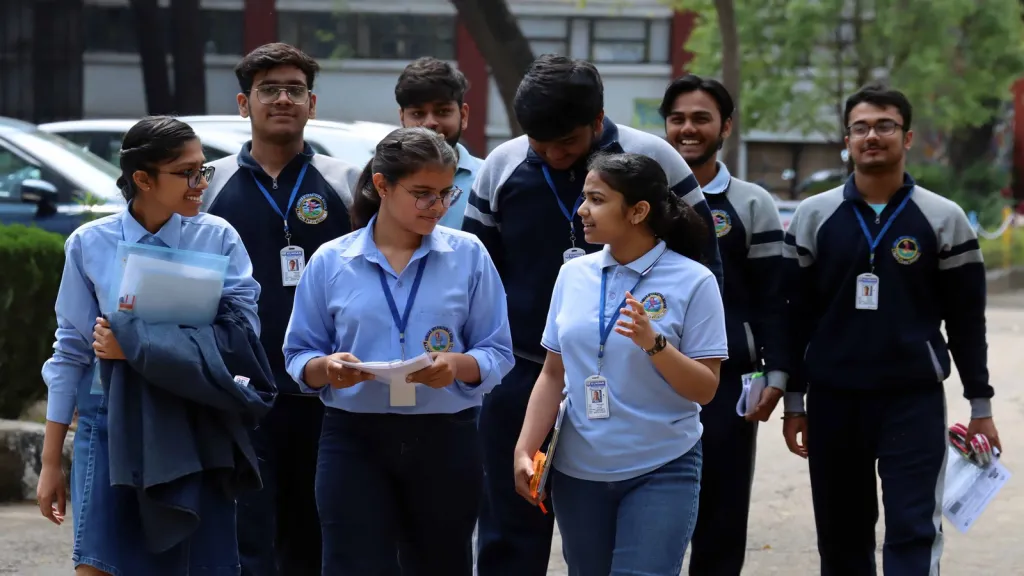
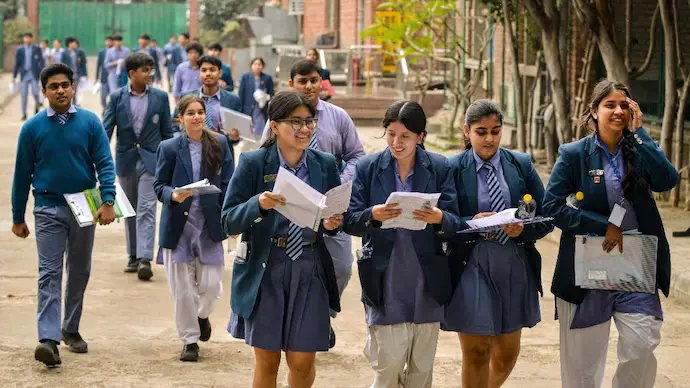
Starting from the academic year 2026, the Central Board of Secondary Education (CBSE) will implement a dual-board exam system for Class 10 students, with the first exam being mandatory for all. The second exam will serve as an optional chance for students to improve their scores, but only in up to three subjects from science, mathematics, social science, and the two language papers. Previously, CBSE allowed students to reappear for improvement in just two subjects. Under the new framework, that number increases to three, offering more flexibility while still maintaining academic discipline. CBSE Chairman Rahul Singh explained that making the first exam compulsory and restricting the second exam to three subjects is meant to encourage students to treat the initial attempt seriously. He emphasized that the second exam is not an alternative, but an “additional opportunity” for enhancement. If a student skips three or more subjects in the first round, they will not be eligible for the second attempt and will have to reappear the following year under the ‘essential repeat’ category. However, exceptions will be made for students in winter-affected regions like Ladakh, parts of Arunachal Pradesh, Sikkim, and Himachal Pradesh. These students can opt to appear only for the second set of exams, as heavy snowfall may hinder participation in the February session. The timeline for the two exams is as follows: the first board exam will be conducted from mid-February, with results declared in April. Based on their performance, students can choose to take the second exam in May, and the best scores from either attempt will be considered final. The second round results are expected by June 30, a shift from the earlier system where improvement results were released in August. Students who fail to clear the first exam will be able to appear in the second round as ‘compartment’ candidates. This two-exam system may eventually be extended to Class 12 as well, with similar timelines to ensure college admission deadlines are met. Earlier this year, CBSE had released a draft proposal for this policy and sought public opinion. According to Singh, 64% of students expressed support for the new format. Notably, the initial draft had not made the first exam compulsory or set a cap on the number of subjects for the second attempt — both key changes in the final version. Source: Indian Express

CBSE Mandates First Board Exam for Class 10; Introduces Optional Second Attempt in Select Subjects Read More »

Govt Forms Panel to Probe Coaching Dependency and Fairness of Entrance Exams

The Ministry of Education has constituted a nine-member committee to investigate the growing dependence of students on coaching centres, the phenomenon of ‘dummy schools,’ and the integrity and fairness of competitive entrance exams like JEE and NEET, officials confirmed. Chaired by Higher Education Secretary Vineet Joshi, the committee will delve into systemic shortcomings within the school education framework that push students towards coaching hubs. The panel will examine the limited emphasis on critical thinking, analytical reasoning, innovation, and conceptual understanding in traditional schooling — factors that fuel rote learning and, in turn, coaching culture. One major concern to be addressed is the rise of ‘dummy schools’ — institutions where students enroll merely for board exam eligibility while devoting their full attention to intensive coaching. These setups allow aspirants to bypass classroom learning altogether, focusing solely on entrance exam preparation. Many also exploit state domicile criteria through such enrollments to gain regional admission advantages, such as eligibility for the Delhi state quota in medical colleges. “The committee will study how dummy schools undermine formal education and promote exclusive dependence on coaching. It will recommend ways to address this growing issue,” a senior ministry official said. The panel will also scrutinize the current model of entrance exams to assess their fairness and relevance in the context of mainstream schooling. It will investigate whether the absence of formative assessments and a weak focus on concept clarity in school systems are inadvertently supporting the proliferation of coaching institutes. Another key focus area is the imbalance between the rising demand for quality higher education and the limited seats available in top institutions — a gap that often drives students toward costly and stressful coaching environments. The panel’s mandate also includes evaluating students’ and parents’ awareness of diverse career opportunities beyond elite engineering and medical colleges. It aims to assess the status of career counselling mechanisms in schools and recommend strategies to enhance career guidance systems nationwide. Alongside Vineet Joshi, the committee comprises the CBSE chairperson, joint secretaries from the school and higher education ministries, representatives from IIT Madras, IIT Kanpur, NIT Trichy, NCERT, and principals from Kendriya Vidyalaya, Navodaya Vidyalaya, and a private school. This initiative follows increasing concerns over the coaching industry’s practices, including rising student suicides, fire hazards, inadequate infrastructure, and questionable teaching methods. The government hopes the panel’s findings will lead to more balanced, student-centric reforms in education and examination systems. Source: PTI

Govt Forms Panel to Probe Coaching Dependency and Fairness of Entrance Exams Read More »

Delhi Govt Expands Vocational Education: Skill-Based Courses Introduced in 257 More Schools

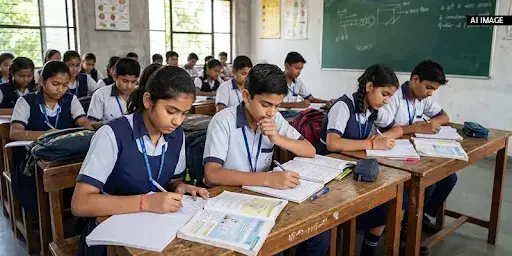
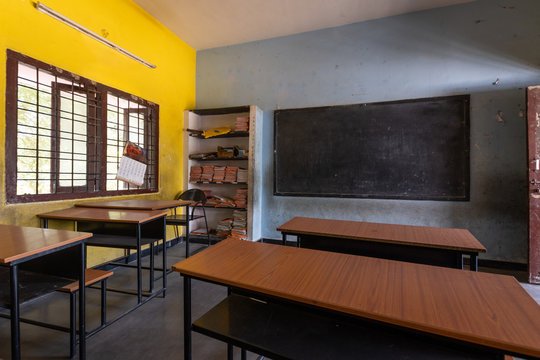
In a significant push towards integrating vocational training into mainstream education, the Delhi government has approved the rollout of skill-based subjects in 257 additional government schools starting this academic session, as per a circular issued by the Directorate of Education on May 23. These skill subjects fall under the Samagra Shiksha initiative and aim to equip students in Classes 9 and 11 with hands-on learning and industry-relevant skills alongside their regular curriculum. Each school can enroll up to 50 students per subject, encouraging broader participation in career-oriented learning. To guide students in making informed decisions, schools have been asked to conduct counselling sessions detailing the benefits and future prospects associated with these vocational courses. Notably, students entering Class 11 can opt for a skill subject even if they haven’t studied it in the earlier grades, thanks to the policy’s flexible multi-entry and multi-exit structure. However, participation in these skill subjects remains optional, not mandatory. Schools can offer these courses as additional learning avenues without making them compulsory for all students. As per CBSE norms, schools do not require separate permissions to introduce new vocational subjects. They simply need to update the necessary information on the CBSE portal. The National Skills Qualifications Framework (NSQF) subjects being offered include practical disciplines such as Information Technology, Retail, Healthcare, and Beauty & Wellness—all designed to boost employability and prepare students for real-world careers. Source: PTI (Image: AI generated)    

Delhi Govt Expands Vocational Education: Skill-Based Courses Introduced in 257 More Schools Read More »

Previewing the 11th New Normal Education Leadership Summit & Awards 2024 to be held on 3rd May 2024 in Coimbatore, Tamil Nadu

In a world constantly evolving, education stands as the cornerstone of progress, shaping minds, and molding futures. As we navigate through the complexities of the 21st century, the need for innovative, forward-thinking education has never been more pressing. Embracing this spirit of change and advancement, ArdorComm Media Group proudly presents the 11th New Normal Education Leadership Summit & Awards 2024, set to take place in the vibrant city of Coimbatore, Tamil Nadu, on May 3rd, 2024. Pioneering Education in Tamil Nadu Tamil Nadu, renowned for its rich cultural heritage and historical significance, emerges as a beacon of educational excellence within India. With Coimbatore, a bustling educational hub in South India, as its backdrop, the summit promises to be a melting pot of ideas, innovations, and insights. Students flock to Coimbatore from every corner of the nation, drawn by its esteemed educational institutions and unwavering commitment to quality education. A Convergence of Minds The summit serves as a Knowledge Forum, bringing together luminaries from various spheres of the education ecosystem. Academicians, educators, edupreneurs, innovators, industry experts, and government dignitaries will converge to share their experiences, expertise, and accomplishments. With over 50 speakers, representing a diverse range of perspectives, the event promises enriching discussions and thought-provoking insights. Our Sponsors and Partners The 11th New Normal Education Leadership Summit & Awards 2024 is proud to announce its esteemed partners, each contributing to the event’s success and impact. LinkedIn, as the Presenting Partner, brings its unparalleled networking platform to foster connections and collaboration. Samsung, the Powered By Partner, infuses the summit with cutting-edge technology and innovation. D2L, the EdTech Partner, provides expertise in learning management systems, driving continuous improvement in education. Intercell, the Mentoring Partner, offers guidance and support to empower future leaders. Teachmint, the Connected Classroom Technology Partner, facilitates seamless integration of technology into the learning experience. DigitalEd India and SAS, as Associate Partners, bring their respective expertise to enrich discussions and insights. Finally, Kalorex, the School Partner, represents excellence in education, embodying the summit’s mission to pioneer educational advancements. Together, these partners form a formidable alliance dedicated to shaping the future of education. Celebrating Excellence Central to the summit is the ArdorComm Education Leadership Awards 2024, a testament to the tireless dedication and innovation driving the education community forward. This prestigious accolade honors individuals, educational institutions, EdTech pioneers, and startups whose unwavering commitment has propelled the sector to new heights. Through recognition and celebration, the awards aim to inspire further excellence and foster a culture of continuous improvement within the education landscape. The ArdorComm Education Leadership Awards 2024 will recognize excellence across six segments, including Higher Education, School Education, Preschools, Skills & Training, Corporate, and Startups. By honoring the trendsetters, innovators, and education leaders of today, the awards aim to inspire future generations and catalyze positive change within the sector. Exploring the Key Discussion Points The summit will delve into a myriad of key discussion points, addressing the evolving needs of the 21st-century learner. Innovation in Teaching and Learning: Leveraging technology and innovative teaching methods to enhance student engagement and outcomes. Skills for the Future Workforce: Strategies for integrating employability skills and career readiness into educational programs. Sustainable Education Practices: Integrating sustainability education into the curriculum to foster responsible citizenship. Digital Literacy and Cybersecurity in Education: Building digital literacy skills among educators and students to navigate the digital landscape safely and responsibly. Global Collaboration and Partnerships in Education: Harnessing the power of international collaboration and partnerships to enrich teaching and learning experiences. The summit will also witness two insightful Leadership Talk Sessions Samsung Sponsored: Leadership Talk Session – A Roundtable Discussion  Topic: Experience unlimited learning possibilities with Samsung: Future trends and  innovations in technology to ensure education institutions represent the future of classrooms. D2L Sponsored –  Leadership Talk Session – A Roundtable Discussion Topic: Adapting to Change: Future-Proofing Education with Innovative Technologies and Continuous Improvement in Learning Management Systems A Call to Action As we stand on the cusp of a new era in education, the 11th New Normal Education Leadership Summit & Awards 2024 serves as a rallying cry for progress and transformation. Together, let us unlock the boundless potential of education, shaping a future where every learner has the opportunity to thrive and succeed. Join us tomorrow, 3rd May’24 in Coimbatore as we embark on this transformative journey, charting a course towards a brighter, more inclusive tomorrow. Stay tuned for live updates and highlights from the summit. For more details, visit https://ardorcomm-media.com/elsacoimbatore/ Follow #ELSATamilNadu #ELSACoimbatore #ArdorComm #NewNormal for the latest updates and insights.

Previewing the 11th New Normal Education Leadership Summit & Awards 2024 to be held on 3rd May 2024 in Coimbatore, Tamil Nadu Read More »

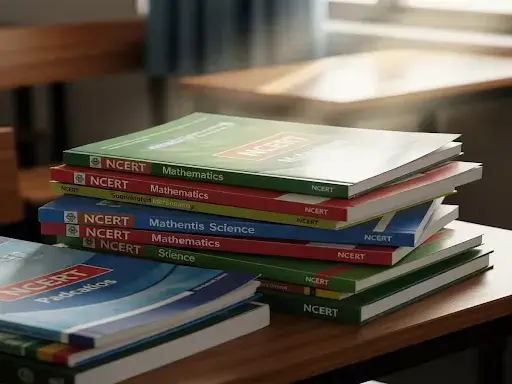
NCERT Announces Revision of CBSE Syllabus for Classes 3 and 6 from 2024-25 Academic Session

The National Council of Education Research (NCERT) is set to introduce revised syllabi for Classes 3 and 6 of the Central Board of Secondary Education (CBSE) in line with the National Curriculum Framework for School Education (NCF-SE) 2023. These changes are scheduled to take effect from the academic year 2024-25. A notice issued by NCERT outlines the plan for implementing the revised curriculum, emphasizing the need for adjustments to school timetables to accommodate the changes. Collaboration among CBSE, Kendriya Vidyalaya Sangathan (KVS), and Navodaya Vidyalaya Samiti (NVS) is deemed essential for the successful implementation of these modifications. The notice highlights the importance of proactive communication from CBSE to school heads, teachers, and parents regarding the updated syllabi and recommended time allocations for Grades 3 and 6. It underscores the significance of engaging students in playful and activity-based learning, aligning with the holistic approach advocated by the National Education Policy (NEP) 2020. To facilitate a smooth transition for students, NCERT will provide a syllabus bridge program for Grade 6 and clear guidelines for Grade 3. These initiatives aim to acquaint students with new pedagogical perspectives and areas of study, including Arts, Physical Education, Vocational Education, and The World Around Us. The revised Grade 3 syllabi encompass a diverse range of topics, reflecting contemporary educational perspectives. NCERT is developing activity books and textbooks tailored to the updated curriculum to support students’ learning experiences. Schools are urged to disseminate this information to all stakeholders and adopt a proactive strategy to ensure students’ seamless adaptation to the revised syllabi. By fostering awareness and collaboration among educators, parents, and the wider community, NCERT aims to enhance the quality and effectiveness of education delivery in line with evolving educational standards and objectives.

NCERT Announces Revision of CBSE Syllabus for Classes 3 and 6 from 2024-25 Academic Session Read More »