ArdorComm Media Group

Monday, March 16, 2026 7:31 AM

Sony

$100 Million Hopes Fade: FIFA and IOC Struggle to Attract Indian Broadcasters Amid Market Slowdown
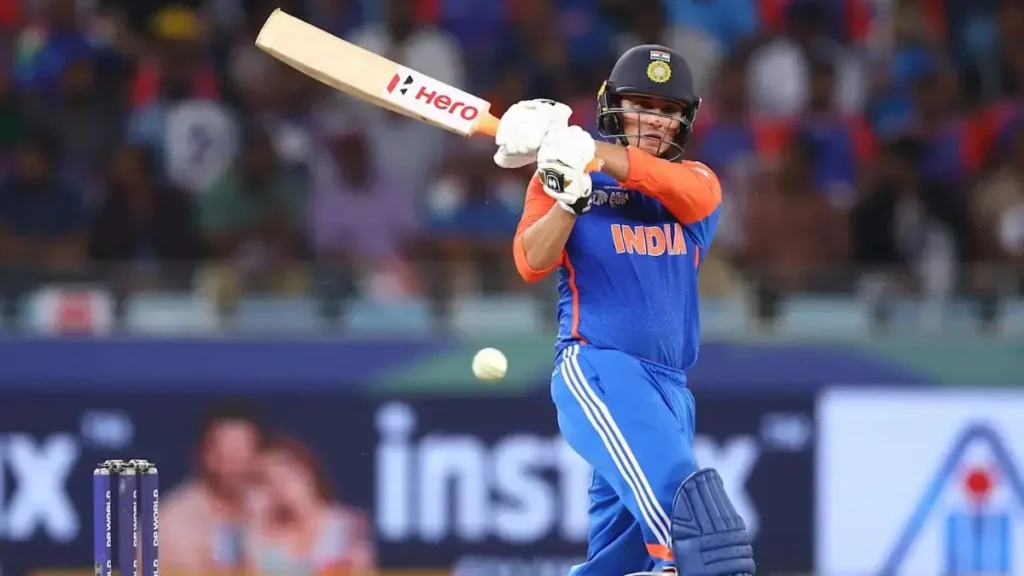
India’s once-booming sports broadcasting market is undergoing a sharp correction, weighed down by broadcaster consolidation, the ban on real-money gaming (RMG), and challenging time zones for upcoming global events. As a result, global sports bodies like FIFA and the International Olympic Committee (IOC) are finding it increasingly difficult to secure higher media rights deals from Indian broadcasters, industry insiders revealed. Both FIFA and the IOC are reportedly eyeing over $100 million each from the Indian market — nearly four times what local networks are prepared to offer. In comparison, India contributed around $61 million for the Qatar 2022 World Cup and $31 million for the Paris 2024 Olympics during the last rights cycle. FIFA floated its invitation to tender (ITT) in July for the 2026 and 2030 World Cups, while the IOC launched a similar tender for the 2026 Milano Cortina Winter Games and the 2028 Los Angeles Olympics. However, progress has been sluggish as Indian broadcasters balk at the steep asking prices. The market’s competitive edge has dulled significantly, with only two major contenders — JioStar and Sony — now dominating negotiations. JioStar, heavily invested in cricket, is reluctant to stretch further, while Sony remains conservative amid weak advertising prospects for non-cricket sports. The government’s ban on RMG platforms has also dealt a severe blow, wiping out an estimated ₹6,000–₹7,000 crore from the sports advertising ecosystem — a crucial source of funds for premium sports rights. Compounding the issue, both the 2026 FIFA World Cup in North America and the 2028 Olympics in Los Angeles will air during late-night hours in India, reducing live viewership potential and ad revenue. Industry veterans argue that global bodies are misreading the Indian market. The IOC, sources say, expects ICC-level valuations due to cricket’s inclusion in the LA28 Olympics, while FIFA is benchmarking against its record-breaking global contracts. “The era of irrational bidding is over,” said a senior media executive. “With broadcaster consolidation, the RMG ban, and inconvenient time zones, even top-tier events don’t offer viable returns. The mismatch between global expectations and Indian realities has never been greater.” Another executive added that while India’s growing Olympic ambitions — including its potential bid for the 2036 Games — could boost interest, time zone differences and the mandatory feed-sharing rule with Doordarshan under the Sports Broadcasting Signals Act continue to erode the commercial appeal of exclusive rights. Sources noted that JioStar had initially approached FIFA for a two-cycle rights deal, but the global football body opted for an open bidding process, anticipating higher offers. That strategy has backfired — JioStar has since pulled back, and Sony remains cautious. Viacom18, which merged with Star India to form JioStar, was the previous rights holder for both FIFA and IOC events. Despite structural challenges, both properties performed decently in their last outings. The Paris 2024 Olympics attracted over 170 million Indian viewers across JioCinema and Sports18, generating roughly ₹110 crore in ad revenues. Since then, JioCinema has merged with Disney+ Hotstar to form JioHotstar, while Sports18 has been absorbed under Star Sports. Source: Economic Times
$100 Million Hopes Fade: FIFA and IOC Struggle to Attract Indian Broadcasters Amid Market Slowdown Read More »

Sony Confirms Termination of $10 Billion Merger Deal with Zee Entertainment, Legal Battle Looms

Sony Corporation officially announced on Monday the termination of its proposed $10 billion mega-merger deal with Zee Entertainment, marking the collapse of the ambitious alliance that aimed to create India’s largest entertainment company. The agreement was intended to provide substantial financial prowess, positioning the unified entity to compete with global streaming giants like Netflix Inc. and Amazon.com Inc., as well as local conglomerates such as Reliance Industries Ltd, currently exploring potential partnerships with Disney. The termination notice served by Sony brings an abrupt end to the negotiations, which had been anticipated as Sony Group Corp signaled its hesitancy to extend the discussions beyond the originally agreed-upon deadline. The termination follows a report on January 21 by ET (Economic Times) indicating that Sony was unlikely to prolong the good faith negotiations with Zee Entertainment Enterprises Ltd. (ZEEL). Zee Entertainment, in response to Sony’s move, expressed its intention to take legal action against the Japanese conglomerate, setting the stage for a potential legal battle between the two entities. The fallout from the failed merger deal adds a layer of complexity to the media landscape, with Zee Entertainment now reassessing its strategic options. In a prior development, Zee had requested Sony to extend the merger deadline from December 21, 2023, citing the need for more time. The merger deal, initially inked on December 22, 2021, faced hurdles and uncertainties, ultimately leading to its termination. The termination of the Sony-Zee merger deal raises questions about the future trajectory of both companies in the highly competitive Indian entertainment market. Industry observers are closely watching the aftermath of this high-profile breakdown and its potential implications for the broader media and entertainment landscape in India.

Sony Confirms Termination of $10 Billion Merger Deal with Zee Entertainment, Legal Battle Looms Read More »

Sony Board to Decide on $10-Billion Merger with Zee Entertainment Amid Leadership Dispute

Sony Group has convened a board meeting on January 19 to determine the fate of the proposed $10-billion merger with Zee Entertainment Enterprises. The decision, expected to be communicated to the Tokyo Stock Exchange next week, may indicate a potential discontinuation of the merger plan. The key point of contention revolves around the leadership of the merged entity, particularly the role of Punit Goenka, Zee’s current CEO and son of its founder Subhash Chandra. Despite the 2021 agreement designating Goenka as the CEO of the merged company, Sony has shifted its stance and is reluctant to have him lead the entity. This change is exacerbated by an ongoing regulatory investigation, with the Securities and Exchange Board of India (SEBI) alleging deceptive practices by Zee, including false claims about loan recovery and misuse of positions by Chandra and Goenka. The protracted stalemate over leadership has raised concerns within Sony about proceeding with the deal. Even after Goenka’s voluntary decision to relinquish the CEO position following the merger, uncertainties persist. Zee Entertainment’s request to extend the deadline for completing the deal, originally set for December 21, 2023, indicates unresolved issues, including the leadership role of Goenka, requiring additional time for negotiations. Insiders at Sony suggest that even if Goenka agrees to step down, meticulous scrutiny of condition precedent pacts and financial adjustments must occur before finalizing the merger. Zee’s financial performance has seen a significant decline since the merger announcement, with net profit plummeting from Rs 956 crore in FY22 to Rs 48 crore in FY23. The outcome of the board meeting carries significant implications for the future of the merger, as insiders indicate that for the deal to progress, Goenka may need to step down on the day the new merged company is established. The decision will shed light on whether Sony and Zee can overcome the leadership dispute and move forward with the high-profile merger.

Sony Board to Decide on $10-Billion Merger with Zee Entertainment Amid Leadership Dispute Read More »

ZEE Entertainment Shares Rebound After Initial Plunge on Director’s Exit Ahead of AGM

ZEE Entertainment Enterprises Ltd (ZEE) witnessed a brief setback as its shares tumbled by 9% during Thursday’s trading session following the unexpected exit of non-executive non-independent director Adesh Kumar Gupta from the board. However, the stock demonstrated resilience, recovering most of its losses as the session progressed. Gupta, who served as a crucial member of the audit committee and chairman of the risk management and stakeholders relationship committees, cited personal reasons and commitments for his departure ahead of the upcoming annual general meeting (AGM). The initial market reaction led to a decline of 8.79%, with the stock hitting a low of Rs 284.10 on the BSE. In his resignation letter, Gupta expressed regret for being unable to continue as a director due to personal reasons and commitments. He withdrew his re-appointment at the AGM but extended his best wishes for the company’s success, particularly emphasizing the completion of the pending merger with Sony. ZEE Entertainment responded by confirming Gupta’s exit from key committees after the AGM. The company’s 41st AGM is scheduled for Saturday, December 16, at 4:00 pm (IST). ZEE has announced that the AGM will be conducted through video conferencing and other audio-visual means, adhering to circulars issued by the Ministry of Corporate Affairs and the Securities and Exchange Board of India. Investors, initially concerned about the sudden exit, regained confidence as the trading session progressed, reflecting the market’s anticipation of a smooth AGM and positive outcomes for the pending merger with Sony.

ZEE Entertainment Shares Rebound After Initial Plunge on Director’s Exit Ahead of AGM Read More »