


ArdorComm Media Group

Wednesday, June 24, 2026 7:23 AM

sports tribunal

National Sports Governance Bill Officially Becomes Law After Presidential Assent

The long-pending National Sports Governance Bill has officially become law after receiving the assent of President Droupadi Murmu, marking a major milestone in India’s sports administration reforms. According to a Gazette notification issued by the Centre, the legislation—now titled the National Sports Governance Act, 2025—was signed into law on August 18, 2025. The bill, debated and refined for over a decade, finally cleared both Houses of Parliament earlier this month. It was introduced in the Lok Sabha on July 23, passed on August 11, and approved by the Rajya Sabha on August 12 following an extensive discussion lasting more than two hours. Key Provisions of the Act The new law lays down clear governance standards for sports bodies and introduces structural reforms to ensure transparency and accountability. Among its significant provisions: Establishment of a National Sports Tribunal to enable faster resolution of disputes. Formation of a National Sports Election Panel to oversee elections of National Sports Federations (NSFs), which have often faced allegations of irregularities. A New Era in Indian Sports Administration The Act, shaped through year-long consultations with stakeholders, is expected to streamline sports governance in India, reduce conflicts, and bring fairness to sports administration. Experts believe it could mark the beginning of a more professional and accountable sports ecosystem in the country. Source: PTI

National Sports Governance Bill Officially Becomes Law After Presidential Assent Read More »
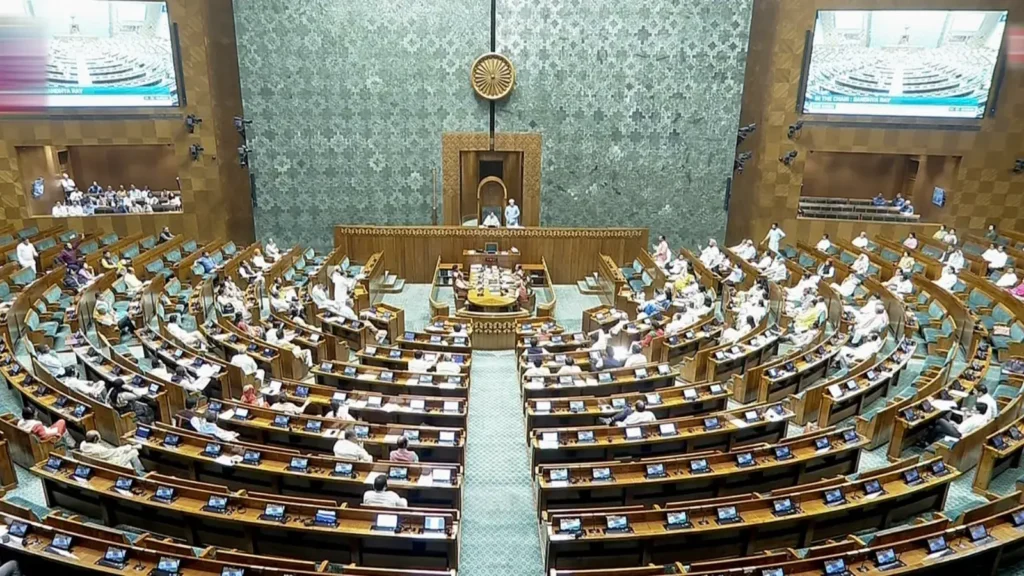
Lok Sabha Passes National Sports Governance Bill to Reform India’s Sporting Framework

New Delhi – The Lok Sabha on Monday cleared the landmark National Sports Governance Bill, a key reform aimed at creating a transparent, accountable, and world-class sports administration system as India prepares to bid for hosting the Olympics. The bill was passed in the absence of the opposition, which was protesting over the revision of Bihar’s electoral rolls. Union Minister for Youth Affairs and Sports Mansukh Mandaviya described the legislation, alongside the National Anti-Doping (Amendment) Bill 2025, as a vital step toward strengthening the country’s sports ecosystem to meet international standards. He noted that while sports have been an integral part of Indian heritage — often linked to warfare — post-independence, the sector did not receive the necessary focus. “Despite our size, India’s Olympic and global sporting performance has been below expectations. This bill aims to change that,” he said. Key Features of the Bill: The National Sports Governance Bill establishes a legal framework to regulate National Sports Federations (NSFs), ensuring fair governance, athlete protection, and administrative accountability. Its provisions include: Transparent governance standards for NSFs. Implementation of safe sport protocols and grievance redressal systems. Standardized election processes to avoid disputes. Measures to ensure gender diversity in leadership roles. Stronger athlete representation in decision-making bodies. Financial transparency and stricter oversight. One of its most notable provisions brings the Board of Control for Cricket in India (BCCI) under the NSF governance framework. Once enacted, the BCCI will be required to seek annual recognition, and its legal disputes will be handled by a new National Sports Tribunal. Neither the BCCI nor its affiliated state bodies will be able to directly approach courts for dispute resolution. The bill also tackles ten chronic issues in Indian sports administration, ranging from recurring litigation and lack of dedicated dispute resolution bodies to the absence of legal backing for safe sport mechanisms. Age & Tenure Provisions: Addressing long-standing debates, the bill permits office-bearers to complete their term even if they turn 70 during tenure. It also sets clear tenure rules — a maximum of three terms of four years each (12 years in total) — with a mandatory cooling-off period of one term before re-election if they have served three consecutive terms. This legislation, previously returned twice by the Cabinet and once by Parliament due to disagreements, now marks a significant policy win for the BJP-led NDA government. Source: Economic Times

Lok Sabha Passes National Sports Governance Bill to Reform India’s Sporting Framework Read More »