ArdorComm Media Group

Friday, February 6, 2026 6:35 PM

Talent Management

Mahindra & Mahindra Announces HR Leadership Transition; Rohit Thakur to Succeed Ruzbeh Irani

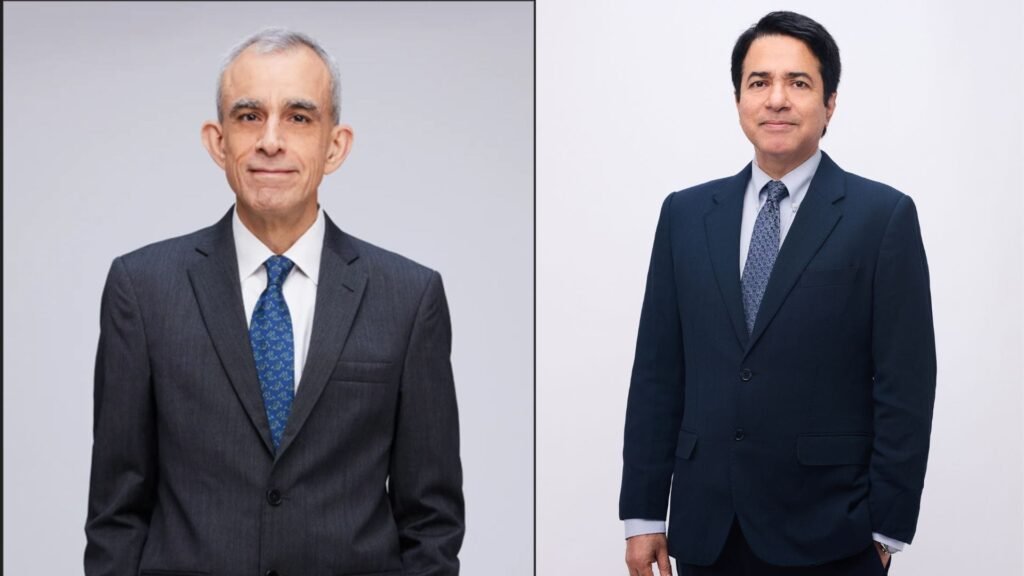
Mahindra & Mahindra on Friday revealed a significant leadership transition in its human resources function, announcing that Rohit Thakur will assume the role of Group Chief Human Resources Officer (CHRO) from 2 April 2026. He will succeed Ruzbeh Irani, who is set to retire after completing more than 19 years with the company. The change is part of Mahindra’s well-defined succession planning process to ensure continuity and stability in senior leadership. Irani, a key member of the Mahindra Group Executive Board, will step down on 1 April 2026 following his superannuation. The company acknowledged his nearly two decades of service, crediting him for his significant role in shaping the group’s HR strategy and people-centric culture. Following the announcement, Mahindra & Mahindra shares were trading at ₹3,714.55, down ₹9.60 or 0.26%, at around 9:35 am. Rohit Thakur, who currently serves as CHRO for Mahindra’s Auto and Farm sectors, brings with him wide-ranging global HR experience. His career includes senior HR leadership roles at Microsoft India and Accenture, where he handled large-scale talent strategies, operations and cultural transformation initiatives. Thakur has also worked with GE across multiple businesses in India and the United States, and has led HR functions at fast-growing startups such as Paytm and LEAD School. Academically, he holds a commerce degree from Shri Ram College of Commerce (SRCC), Delhi, and an MBA in Human Resources from XLRI, Jamshedpur. With Thakur’s appointment, Mahindra & Mahindra said it aims to further strengthen its focus on talent development, leadership continuity and organizational growth. Source: Economic Times

Mahindra & Mahindra Announces HR Leadership Transition; Rohit Thakur to Succeed Ruzbeh Irani Read More »

How to Build a Continuous Learning Culture in Your Organization

ardorcomm news

In today’s rapidly changing world, the most valuable asset any organization can cultivate isn’t just technology or capital — it’s the capacity to learn faster and adapt better than the competition. The shelf life of skills is shrinking, industries are being reshaped by innovation, and traditional job roles are continuously evolving. In this landscape, organizations that foster a continuous learning culture don’t just survive — they lead. So how can you move beyond occasional training programs and truly embed learning into the DNA of your organization? Let’s explore the mindset, strategies, and structures that make a continuous learning culture thrive. Redefine Learning: From an Event to a Mindset Most companies treat learning as a one-time event — a workshop, a certification, a webinar. But real learning cultures see it as an ongoing mindset. A true learning culture starts when employees — from interns to CEOs — see learning not as something they have to do, but something they want to do. It means rewarding curiosity, celebrating experimentation, and normalizing the idea that not knowing something today is just an invitation to grow tomorrow. Leaders can set the tone by modeling learning behavior: sharing what they’re reading, attending sessions themselves, and openly discussing their own growth areas. When curiosity flows top-down, it soon spreads sideways. Build the Infrastructure for Learning A culture cannot thrive without structure. Learning must be easy, accessible, and woven into daily workflows. Here’s how successful organizations make learning seamless: Digital Learning Platforms: Offer bite-sized, personalized content employees can access anytime. Think microlearning modules, internal MOOCs, or AI-driven learning journeys. Learning Experience Platforms (LXPs): Go beyond traditional LMS systems to provide tailored recommendations based on individual skills, goals, and performance data. Learning in the Flow of Work: Integrate learning into tools employees already use — Slack, Teams, or project management software — so that upskilling becomes a natural extension of their workday. By creating these learning touchpoints, you shift from training events to a continuous learning ecosystem. Connect Learning with Purpose Learning without purpose feels like homework; learning with purpose feels like growth. Employees are more likely to engage when they understand why learning matters — both for their career progression and the company’s mission. HR leaders and managers should tie learning opportunities directly to: Career pathways and promotions Skill-based projects and stretch assignments Organizational goals or innovation challenges When employees can see the connection between new skills and tangible outcomes, learning becomes meaningful — not mandatory. Empower Peer-to-Peer Learning Some of the most powerful learning doesn’t come from external trainers or e-learning platforms — it comes from peers. Encourage knowledge-sharing communities, mentorship programs, and internal “lunch and learn” sessions where employees teach each other. This not only builds skills but also creates a sense of belonging and cross-functional collaboration. For example, a data analyst could host a short session on Excel automation, while a communications specialist could share tips on persuasive writing. Over time, this peer-driven learning becomes self-sustaining — a hallmark of mature learning cultures. Measure, Recognize, and Reward Learning What gets measured gets valued. Organizations often track KPIs like revenue or customer satisfaction, but rarely measure learning progress. To make learning integral, establish metrics such as: Skill acquisition and certification rates Learning engagement scores Internal mobility linked to upskilling Moreover, reward learning behaviors, not just performance outcomes. Recognize employees who proactively learn new tools, mentor others, or contribute to knowledge bases. A small acknowledgment — a feature in the company newsletter or “learning champion” badge — can go a long way in reinforcing the right habits. Make Failure Part of Learning A continuous learning culture cannot exist without psychological safety. Employees must feel safe to experiment, fail, and learn from mistakes without fear of punishment. Leaders should create environments where failure is seen as data, not defeat. Sharing “lessons learned” stories or holding reflection sessions after projects helps normalize the learning loop. When teams know that innovation and imperfection can coexist, creativity blossoms — and learning accelerates. Align Learning with Organizational Strategy Finally, continuous learning must be tied to business priorities. The most successful organizations treat learning as a strategic lever — aligning it with goals like digital transformation, innovation, and customer experience. This ensures learning isn’t an HR initiative, but a business imperative. When learning drives measurable business outcomes — faster innovation cycles, reduced attrition, improved leadership pipelines — it becomes non-negotiable. Conclusion: Make Learning a Way of Life Building a continuous learning culture isn’t a quick project; it’s a long-term transformation. It requires leadership buy-in, thoughtful systems, and a deep respect for human potential. But once embedded, it transforms the organization into a living, breathing learning organism — adaptive, resilient, and always ready for what’s next. Because in the future of work, the best organizations won’t be the biggest or the fastest. They’ll be the ones that never stop learning.


How to Build a Continuous Learning Culture in Your Organization Read More »

Majority of HR Teams Unready for 2025 M&A Surge, Says WTW Report

With merger and acquisition (M&A) activity expected to rebound strongly in late 2025, a new survey by WTW highlights growing concerns around HR preparedness in navigating complex deal landscapes. According to the Asia-Pacific-focused report, 54% of organisations expect a rise in M&A activity this year, despite a sluggish start, while only 19% anticipate a decline — signalling a potential late-year acceleration driven by pent-up market momentum. However, the report reveals a significant preparedness gap, as 65% of HR professionals admit they feel underprepared to handle the anticipated wave of deals. Among the top challenges cited are conducting thorough HR due diligence (HRDD), pinpointing critical talent, and aligning workplace cultures post-merger. A notable 78% of companies rank the identification of specialised, non-executive talent as their foremost HRDD priority — a concern that overshadows even leadership retention. In fact, 50% of respondents consider retaining this non-executive workforce as the most vital integration success factor, outpacing the emphasis on executive-level continuity by 21 percentage points. Cultural integration remains another major obstacle. Around 74% of companies outside the US and 54% of those within the US consider cultural alignment the most challenging aspect of M&A, surpassing concerns around technological and operational resources. Looking to the future, HR leaders are increasingly acknowledging the role of emerging technologies. About 65% believe Generative AI will influence M&A processes within the next two years. Yet, widespread adoption remains cautious, with many citing limited practical applications beyond legal assessments and internal communications. The findings underscore the importance of embedding HR early in M&A strategy — particularly as companies use acquisitions to gain access to niche digital and AI talent. Strengthening HR capabilities through foresight and investment could be crucial in preserving long-term deal value amid intensifying talent competition. Source: Economic Times   

Majority of HR Teams Unready for 2025 M&A Surge, Says WTW Report Read More »

The Rise of HR Tech: Must-Have Tools for 2025 and Beyond

Ardorcomm news

As organizations continue to navigate the evolving world of work, technology has become central to how businesses manage and develop their human capital. No longer confined to administrative duties, Human Resources (HR) is now a strategic function empowered by advanced digital tools that enhance everything from recruitment and onboarding to employee engagement and performance analytics. By 2025, HR technology will be more than a convenience—it will be a necessity. The rapid rise in automation, hybrid work models, data-driven decision-making, and personalized employee experiences is pushing companies to embrace a new generation of HR tech solutions. Understanding the HR Tech Boom The HR technology market is expanding at an unprecedented rate. According to industry estimates, the global HR tech market is expected to exceed $35 billion by 2028. This surge is being driven by a variety of factors, including: The shift to remote and hybrid work models The increasing demand for real-time employee data A growing emphasis on diversity, equity, and inclusion (DEI) The need for faster, more intelligent talent acquisition Rising employee expectations around engagement and wellness With these shifts, HR leaders are turning to tools that not only improve processes but also enhance the employee experience at every stage of the lifecycle. Key Trends Shaping HR Technology in 2025 Before identifying the tools to watch, it’s important to understand the broader trends shaping the future of HR: 1. AI and Automation Artificial intelligence is playing a larger role in recruitment, resume screening, and predictive analytics. AI helps HR teams make faster, more objective decisions while freeing up time for strategic tasks. 2. Skills-First Talent Strategies Organizations are moving away from job titles and degrees and instead focusing on skills. HR tech is enabling this shift by mapping employee skills to business needs and learning paths. 3. Enhanced Employee Experience Platforms Employee Experience Platforms (EXPs) are being designed to manage every aspect of the employee journey, from onboarding to performance reviews, offering personalized, data-rich experiences. 4. Predictive People Analytics Workforce data is now essential for anticipating attrition, improving DEI outcomes, and planning for future roles and capabilities. 5. Employee Wellness and Mental Health Digital wellness tools have become central to HR strategy, especially with rising concerns about stress, burnout, and work-life balance in hybrid environments. Must-Have HR Tech Tools for 2025 and Beyond Based on current trends and emerging business needs, here are the most impactful categories of HR tech tools organizations should prioritize: 1. Recruitment and Applicant Tracking Systems (ATS) These tools streamline recruitment by automating job postings, candidate tracking, and interview scheduling. Leading Tools: Greenhouse – Structured hiring with DEI support Lever – Combines ATS with candidate relationship management HireEZ (formerly Hiretual) – AI-powered sourcing for passive candidates 2. AI-Based Screening and Interview Platforms These platforms use artificial intelligence to assess candidates more efficiently and objectively, reducing hiring bias. Leading Tools: HireVue – AI-driven video interviewing and candidate analysis Modern Hire – Combines science and technology to improve hiring decisions Pymetrics – Neuroscience-backed assessments for fair hiring 3. Onboarding and Employee Experience Platforms A seamless onboarding process is key to employee retention. These platforms ensure smooth transitions and consistent engagement. Leading Tools: Talmundo – Interactive onboarding workflows Enboarder – Human-centric engagement experiences SAP SuccessFactors – Comprehensive lifecycle management 4. HR Analytics and Workforce Planning Tools These tools offer powerful insights into employee behavior, helping companies make data-informed decisions. Leading Tools: Visier – Predictive analytics for HR and workforce planning ChartHop – Visualizes HR data for better organizational decisions PeopleInsight – Unified analytics from multiple HR systems 5. Learning and Development (L&D) Platforms With upskilling becoming a business imperative, these platforms deliver personalized learning at scale. Leading Tools: Degreed – Skills-based learning and development EdCast – AI-driven learning experience platform Coursera for Business – Curated courses from global universities and companies 6. Employee Engagement and Feedback Tools Continuous feedback and employee listening are now essential for workplace culture and retention. Leading Tools: Culture Amp – Surveys, feedback, and action planning Officevibe – Real-time pulse surveys and team engagement tools Peakon (Workday) – Predictive insights based on employee sentiment 7. Wellness and Benefits Management Platforms Holistic employee wellness is critical to organizational success. These tools support mental health, fitness, and benefits personalization. Leading Tools: Headspace for Work – Mindfulness and mental health resources Wellable – Corporate wellness and incentive programs Zestful – Flexible employee perks and rewards 8. Core HR and Payroll Systems Reliable HRIS and payroll systems remain the backbone of HR operations, ensuring compliance and operational efficiency. Leading Tools: Workday – Integrated HCM with talent, payroll, and analytics BambooHR – User-friendly HRIS for small to mid-sized companies ADP Workforce Now – Scalable solution for payroll and HR compliance Building a Future-Ready HR Function To keep pace with digital transformation, HR leaders must: Invest in digital literacy and tech adoption within HR teams Ensure seamless integration between different HR systems Put employee privacy and ethical AI use at the center of implementation Evaluate HR tools not just for features, but for long-term adaptability and ROI Conclusion HR technology is no longer optional—it’s a strategic imperative. By leveraging the right tools, companies can not only streamline operations but also create agile, inclusive, and engaging work environments that attract and retain top talent. As we step further into 2025, the HR leaders who embrace innovation will be the ones who shape the future of work.

The Rise of HR Tech: Must-Have Tools for 2025 and Beyond Read More »

Accenture Names Parived Bhatnagar as Head of HR for EMEA and Advanced Technology Centres in India

Ardorcomm news

Accenture has announced the appointment of Parived Bhatnagar as the Head of Human Resources for its Europe, Middle East and Africa (EMEA) operations and its Advanced Technology Centres in India (AIOC). Bhatnagar shared the news on LinkedIn, expressing enthusiasm for his new role: “I’m happy to share that I’m starting a new position as Head HR, EMEA, AIOC at Accenture!” In this expanded leadership capacity, Bhatnagar will work closely with regional business leaders to drive organisational transformation, align talent strategy with business goals, and support growth across the EMEA region. He will lead a team of 50 HR professionals overseeing the full employee lifecycle for more than 30,000 employees. As a key member of Accenture’s India HR Leadership Council, Bhatnagar will also contribute to shaping the broader HR strategy across regional and global teams. Bringing over 20 years of diverse HR experience, Bhatnagar has held senior positions across South Asia, the Middle East, Southeast Asia, and North America. His expertise spans strategic HR, M&A integration, organisational development, HR tech, and workforce transformation. He has worked with a broad range of clients—from global enterprises to high-growth companies—across industries such as IT/ITES, manufacturing, BFSI, telecom, retail, healthcare, and energy. Bhatnagar holds a postgraduate degree from the Delhi School of Economics, University of Delhi. His strong academic foundation and global career trajectory make him well-equipped to lead HR initiatives at a time when organisations are reimagining the future of work amid rapid technological evolution. Prior to rejoining Accenture, Bhatnagar served in leadership roles at renowned firms such as Aon Hewitt, Deloitte, and SAP, where he played a crucial role in building people strategies and delivering large-scale HR transformation programmes. His appointment underscores Accenture’s continued emphasis on building agile, people-focused HR leadership to navigate the complexities of today’s global talent landscape. The decision also signals the company’s commitment to strategic, region-specific workforce planning and innovation in talent management. Source: LinkedIn

Accenture Names Parived Bhatnagar as Head of HR for EMEA and Advanced Technology Centres in India Read More »

Mankind Pharma Names Dapinder Singh Narula as GM – Human Resources

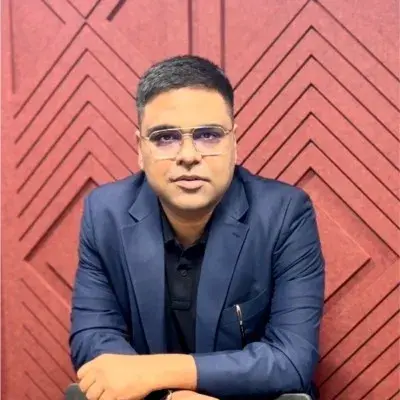
Mankind Pharma has appointed Dapinder Singh Narula as its new General Manager – Human Resources, where he will spearhead Talent Management initiatives for the company. He will operate from Delhi and report directly to Prateek Dubey, the Global CHRO of Mankind Pharma. Narula brings with him over 15 years of diverse HR experience. Prior to joining Mankind Pharma, he played a key leadership role at Jubilant FoodWorks, overseeing Talent Management, Performance, Learning & Development, and HR Business Partnering functions. His professional journey also includes stints at leading organizations such as Max Life Insurance, Adani Enterprises, Larsen & Toubro, and Ericsson. Academically, he holds a B.Tech in Electronics and Communication Engineering from NIT Jalandhar, and an MBA in Human Resources from XIM Bhubaneswar. Source: Economic Times

Mankind Pharma Names Dapinder Singh Narula as GM – Human Resources Read More »

Nothing Appoints Yudhisthir Singh as Head of HR for India Operations

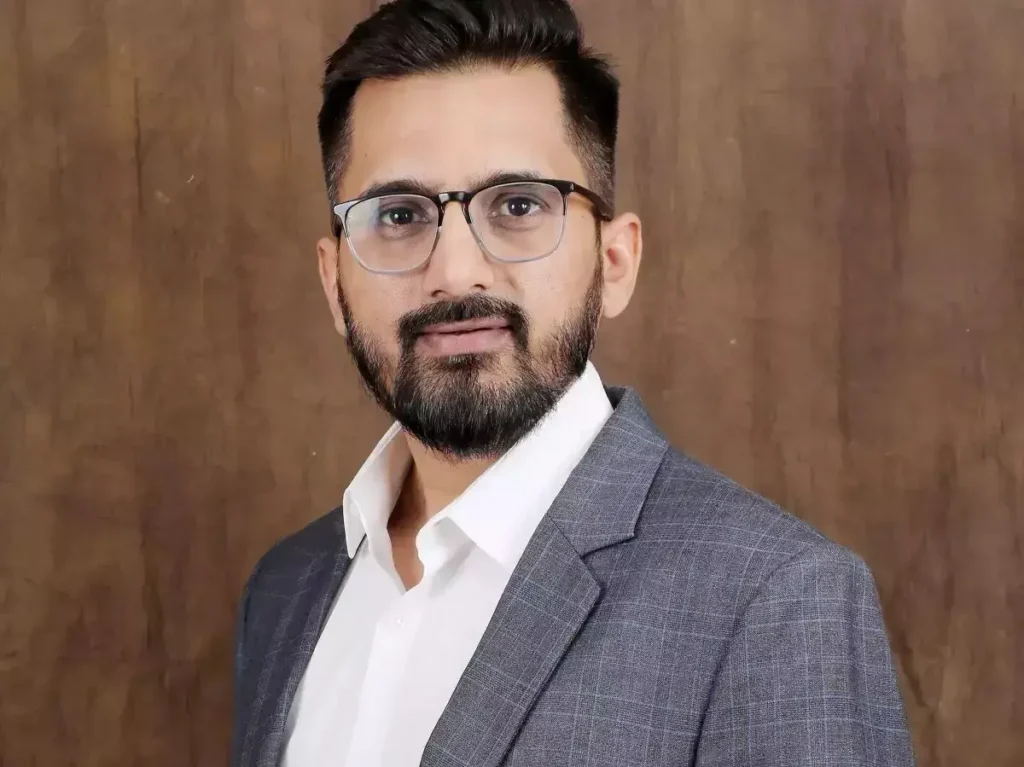
Nothing, a global consumer tech company, has appointed Yudhisthir Singh as the Head of Human Resources for its India operations, effective March 7, 2024. With over 18 years of HR leadership experience spanning various sectors including fintech, FMCG, retail, manufacturing, and banking, Yudhisthir brings a wealth of expertise to his new role. He will be tasked with aligning people’s priorities with the company’s business objectives in India and enhancing talent capabilities, all while fostering a high-performance culture to empower the India team for success. Prior to joining Nothing, Yudhisthir held the position of Senior Associate Director of HR and Talent Advisory at KPMG India. His professional journey also includes significant roles at Bharti Retail, Walmart, Swarovski, RPSG, and BharatPe. Yudhisthir is a graduate in BCom from Maharshi Dayanand Saraswati University and has completed an Executive Management Programme in Strategic Management from IIT Delhi. His core competencies encompass culture and team building, employer branding, talent management, performance management, succession planning, training and development, compensation and benefits, and HRIS. Pranay Rao, Marketing Director India at Nothing, expressed excitement about Yudhisthir’s appointment, stating, “We are thrilled to welcome Yudhisthir to our organisation. With his extensive experience and talent-building capabilities, he will be a valuable addition to our team.”

Nothing Appoints Yudhisthir Singh as Head of HR for India Operations Read More »

Kotak Mahindra Bank Welcomes Akansha Sriram as VP-HR in Leadership Reshuffle

Kotak Mahindra Bank has bolstered its leadership team with the recent appointment of Akansha Sriram as the Vice President of Human Resources. Sriram, who previously served at Piramal Capital and Housing Finance Limited, brings a wealth of experience to her new role. This move comes on the heels of Kotak Mahindra Bank’s strategic appointments, including the announcement of Ashok Vaswani as CEO and Anupam Kaura as Chief Human Resources Officer (CHRO). With a focus on strengthening their executive team, the bank is positioning itself for continued growth and success. Expressing her excitement about the new role, Akansha Sriram took to LinkedIn to share the news with her professional network. In her post, she mentioned, “I’m happy to share that I’m starting a new position as Vice President – Human Resources | Vertical HR RM – Priority, NR, CEC, RL – HO at Kotak Mahindra Bank!” Kotak Mahindra Bank is evidently making strategic moves in its leadership appointments, aiming to enhance its capabilities and fortify its position in the financial sector. The addition of Akansha Sriram to the team signifies the bank’s commitment to nurturing talent and fostering a robust human resources infrastructure. The financial industry is closely watching Kotak Mahindra Bank’s leadership transitions, anticipating positive outcomes and continued growth under the guidance of its newly appointed executives.

Kotak Mahindra Bank Welcomes Akansha Sriram as VP-HR in Leadership Reshuffle Read More »