


ArdorComm Media Group

Tuesday, September 8, 2026 12:19 PM

UGC Guidelines

UGC flags 32 fake universities, warns students against EdTech franchise-based online degree programmes
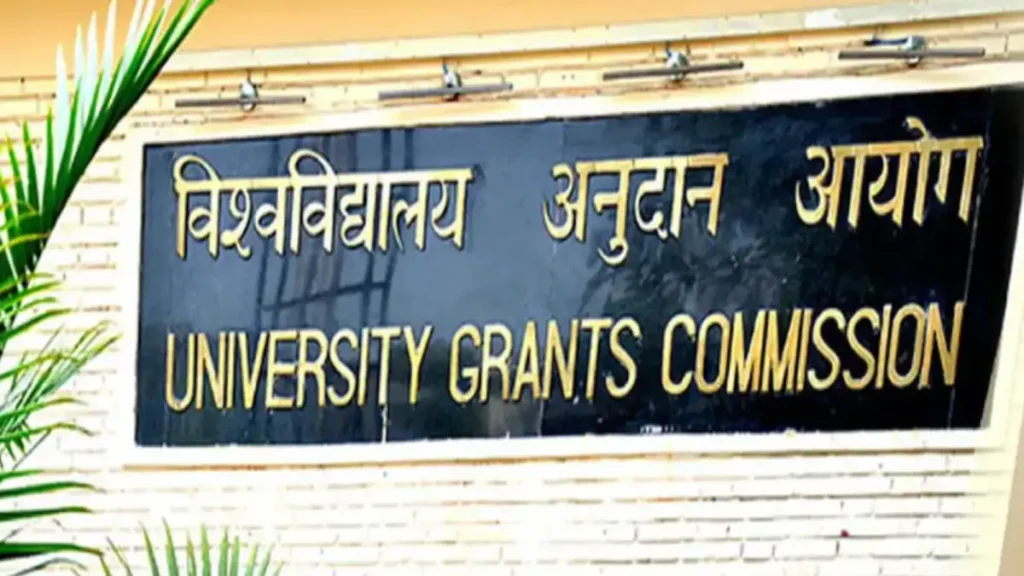
The University Grants Commission (UGC) has identified 32 institutions as fake universities in its latest list released in February 2026, the Ministry of Education informed the Rajya Sabha on Wednesday. The disclosure came in response to questions concerning misleading advertisements by EdTech platforms promoting 100% placement guarantees, lucrative job prospects, unauthorised institutional affiliations, fake universities, invalid degrees and unrecognised foreign collaborations. Minister of State for Education Dr. Sukanta Majumdar said the UGC has observed that several EdTech companies are advertising online and Open and Distance Learning (ODL) degree and diploma programmes in collaboration with universities and institutions recognised by the commission. He clarified that the UGC has issued a public notice stating that franchise arrangements for offering online or ODL programmes are not permitted. Degrees awarded through such unauthorised partnerships are not recognised by the UGC, and appropriate action will be taken against both defaulting EdTech firms and higher education institutions under existing laws and regulations. The commission has advised students and other stakeholders to verify the recognition or entitlement status of any online or distance education programme through the UGC Distance Education Bureau (DEB) portal before taking admission. According to the ministry, whenever the UGC receives complaints about unauthorised institutions awarding degrees, it issues notices seeking explanations. If the response is found unsatisfactory, the institution is subsequently included in the commission’s list of fake universities. To tackle such malpractice, the UGC established its Anti-Malpractice Cell (AMPC) on May 30, 1996, to address cases involving fake or unrecognised universities operating in violation of the UGC Act, 1956. The regulator also issues warning and show-cause notices, regularly publishes state-wise lists of fake universities, and conducts awareness campaigns through its website and social media channels. It has further urged state governments and Union Territories to initiate action, including filing FIRs where necessary, against fake institutions operating within their jurisdictions. The latest list includes fake institutions across Delhi, Haryana, Rajasthan, Uttar Pradesh, Jharkhand, Andhra Pradesh, Arunachal Pradesh, West Bengal, Maharashtra and Puducherry. Students have been urged to verify the authenticity and recognition status of higher education institutions through the official UGC website before seeking admission. Source: Indian Express

UGC flags 32 fake universities, warns students against EdTech franchise-based online degree programmes Read More »

Kerala Cabinet Approves Draft Bill for Establishment of Private Universities

The Kerala Cabinet, led by Chief Minister Pinarayi Vijayan, has approved the Kerala State Private Universities (Establishment and Regulation) Draft Bill, 2025, setting the stage for private universities in the state. The bill outlines strict guidelines for eligibility, infrastructure, and governance to ensure high academic standards. According to the draft bill, only credible sponsoring agencies with prior experience in the education sector can apply to establish private universities. Institutions must own land as per regulatory guidelines and deposit a ₹25 crore corpus fund in the state treasury. For multi-campus universities, the main campus must span at least 10 acres. The bill also mandates adherence to UGC and state government norms regarding faculty appointments, the selection of the Vice-Chancellor, and overall university administration. To ensure local representation, 40% of seats in each course must be reserved for students from Kerala, aligning with the state’s reservation policy. Additionally, scholarships and fee waivers will continue for Scheduled Caste (SC) and Scheduled Tribe (ST) students. Applicants must submit a detailed project report along with the application fee, ensuring transparency and credibility in the process. The move signals Kerala’s commitment to expanding higher education opportunities while maintaining regulatory oversight.

Kerala Cabinet Approves Draft Bill for Establishment of Private Universities Read More »

UGC Unveils Regulations Allowing Top Global Universities to Establish Campuses in India

The University Grants Commission (UGC) has recently released regulations allowing foreign universities ranked among the top 500 globally to establish branch campuses in India. This comes shortly after Australia’s Western Sydney University announced plans for an independent campus in Bangalore. The new regulations empower these foreign institutions to determine their admission processes, fee structures, and facilitate the repatriation of funds to their parent campuses. The guidelines stipulate that two or more foreign universities can collaborate to establish campuses in India, provided each institution individually meets the eligibility criteria. Additionally, a foreign university is permitted to set up multiple campuses in India, with a separate application required for each proposed location. The final regulations, released after a 10-month period of public feedback on the draft, include several modifications. Notably, foreign universities must ensure that international faculty members appointed to teach at Indian campuses stay in the country for at least one semester. The processing time for applications by the standing committee has been extended from 45 to 60 days, and recommendations must be presented to the UGC within 60 days. The regulations also specify that foreign universities cannot establish learning centers, study centers, or franchises that act as representative offices for promotional activities in India or any other jurisdiction outside the country without prior approval from the UGC. Moreover, the regulations prohibit the offering of programs online or in open and distance learning modes, except for online lectures, which should not exceed 10% of the program requirements. Foreign institutions are exempt from annual fees to the UGC, only requiring a one-time application fee. They are expected to use their own infrastructure, land, and resources to establish campuses. Additionally, foreign universities may offer full or partial merit-based or need-based scholarships and fee concessions to Indian students on their campuses. While these regulations align with the National Education Policy of 2020, which aims to create a legislative framework for top global universities in India, previous attempts, including those by the UPA government, faced opposition from parties such as the BJP and the Left when they were in the opposition.

UGC Unveils Regulations Allowing Top Global Universities to Establish Campuses in India Read More »