





ArdorComm Media Bureau
February 2, 2026
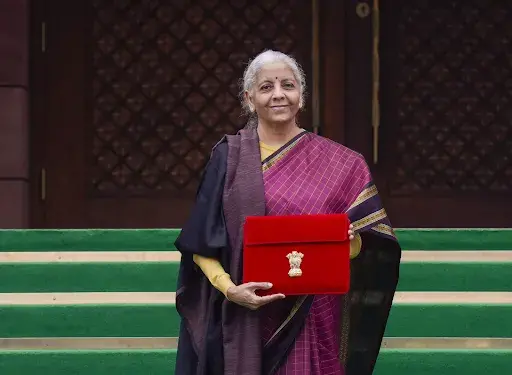
Finance Minister Nirmala Sitharaman on February 1 presented the Union Budget 2026–27 in Parliament, laying out a roadmap to sustain India’s growth amid global uncertainties while advancing long-term structural reforms. The Budget spans key areas including taxation, infrastructure, healthcare, manufacturing and logistics, with capital expenditure raised by nearly 9% to a record ₹12.2 lakh crore, reinforcing the government’s infrastructure-led growth strategy. Major announcements include the rollout of the New Income Tax Act from April 1, 2026, seven high-speed rail corridors, rare earth corridors across four states, and a ₹10,000 crore Biopharma Shakti initiative. Education and skilling feature prominently, with a focus on design education and the creative economy through a new National Institute of Design for eastern India and Content Creator Labs in 15,000 schools and 500 colleges to boost the AVGC sector. Highlighting the Budget’s growth orientation, Prime Minister Narendra Modi said it would help MSMEs transition from local players to global champions. Against this backdrop, leaders and experts across sectors share their first reactions to the Budget’s implications for the economy, businesses and citizens.
Key Budget 2026–27 Highlights at a Glance
- Fiscal consolidation maintained: Fiscal deficit for FY27 pegged at 4.3% of GDP, marginally lower than FY26, signalling continued commitment to macroeconomic stability.
- Debt reduction roadmap reaffirmed: India’s debt-to-GDP ratio projected to decline to 55.6% in FY27, with a medium-term target of approaching 50% by FY31.
- Record capital expenditure push: Capital outlay raised to an all-time high of ₹12.2 lakh crore to sustain infrastructure creation and crowd in private investment, supported by an Infrastructure Risk Guarantee Fund.
- AI, cloud and digital infrastructure boost: Tax holiday till 2047 for global cloud service providers operating data centres in India to position the country as a global AI and data hub.
- Major MSME and SME support: ₹10,000 crore SME Growth Fund, ₹2,000 crore top-up to the Self-Reliant India Fund, mandatory TReDS payments for CPSEs, and ‘Corporate Mitras’ to ease compliance and liquidity.
- Market discipline measures: Higher securities transaction tax on derivatives and taxation of share buybacks as capital gains to curb speculative activity.
- Strategic minerals focus: Dedicated rare earth corridors announced in Odisha, Kerala, Andhra Pradesh and Tamil Nadu to strengthen domestic supply chains.
- Transport and logistics expansion: Seven new high-speed rail corridors and a new Dankuni–Surat freight corridor to improve connectivity and green mobility.
- Relief on overseas education and healthcare costs: TCS under the Liberalised Remittance Scheme for education and medical remittances reduced from 5% to 2%, improving liquidity for families.
Reactions from Leaders & Experts
 Kumar Chandan Anand, Founder, CEO & Group Editor, ArdorComm Media Group, says, “Today’s Union Budget is a reform-driven, youth-oriented agenda, reflecting a strong intent towards economic stability and future growth. The emphasis on infrastructure, manufacturing, sunrise industries, artificial intelligence (AI), job creation, biopharma, health tourism, ‘Heal-in-India’, digital expansion, and the Animation, Visual Effects, Gaming, and Comics (AVGC) sector is particularly encouraging. Initiatives like creator labs in schools and colleges will nurture talent and bridge the gap between education and industry needs. If timely and speedy execution matches the Budget’s intent, it could significantly strengthen industry confidence and grassroots development, benefiting the middle class and small businesses. This comprehensive effort will accelerate India’s growth trajectory and help achieve the goal of becoming the world’s third-largest economy.”
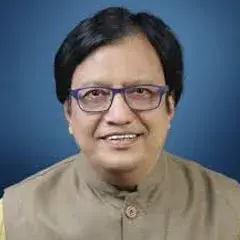 Dr. S.S. Mantha, Founding Chancellor and President, RBU, Nagpur and Former Chairman, AICTE says “Budget 2026-27 is progressive and futuristic. It is quietly efficient. It gives a fillip to manufacturing. The idea of bridging education to employment is a great idea but will need a lot of ground work and mapping of skills to opportunities. The thrust on AI and Semiconductors design and production is especially interesting. Competing with the world leaders in those sectors can propel the nation into the big league. The education budget seems to have risen by 11% over last year. This could have been much higher accounting for inflation. I would have liked to see a bigger share for promoting research. Startup and Make in India initiatives should have had higher allocations. Thrust on MSME growth is much needed. That the budget addresses this is good. Higher investments in the health sector and defense sectors is noteworthy.”
 Dr. Manjula Pooja Shroff, Founder & CEO, Kalorex Group says, “The labour codes were suddenly made effective without necessary preparatory and implementation time. Employers are concerned about the risk of non-compliance, dispute, and litigation around various provisions where there is ambiguity. Generally, there is an expectation of more time for industry to comply and a supportive regulatory and enforcement mindset. Setting up Content Labs in High schools and Colleges is a welcome move guided by futuristic needs. The Union Budget demonstrates a clear focus on skilling and transition from education to employability. Setting up of NID, University Townships, extra support for women entrepreneurship show a future ready approach.”
 Dr. Vidya Yeravdekar, Principal Director, Symbiosis Society, and Pro Chancellor, Symbiosis International University, says, “The Union Budget 2026 reflects a clear intent to align education with India’s future workforce and innovation priorities. The introduction of Content Creator and AVGC labs in schools and colleges is a forward-looking step that integrates creative technologies, digital skills and early industry exposure into mainstream education. The proposal to build girls’ hostels in every district will significantly improve access, safety and retention of girls, particularly in higher education. Reducing TCS on overseas education expenses will ease financial pressure on families and support global academic mobility. The Budget’s strong focus on skilling, teacher upskilling, AI, emerging technologies and women’s participation in STEM, along with plans for university townships near industrial corridors, signals a shift towards outcome-driven, employment-linked education. Overall, the Budget positions education as a strategic enabler of inclusive growth, innovation and long-term national competitiveness.”
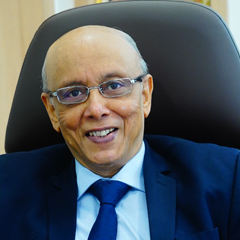 Dr. Sujit Chatterjee, CEO, Sea View Healthcare Management Services Pvt. Ltd., CEO, Adi Arogyam Super Speciality Hospital, Mumbai says “The Union budget related to healthcare has been nebulous. There are positives such as decrease in some cancer drugs, Biopharma Shakti Mission has a budget of Rs 10,000 crore to enhance manufacture is a good move but the fund should have been much more in allocation. There is thought of improving mental health but the entire implementation and reach has not been defined. The same with ‘trauma services’ the golden hour concept but specifics and fund allocation needs clarity. Attention has been given for training care givers for the geriatrics, but the numbers are woefully inadequate. The allocation of funds of 1.9% of GDP to healthcare is inadequate. The minimum should have been 2.5 % . The means the private healthcare providers will continue to bear the brunt of healthcare”
 Rupak Barua, Managing Director and CEO Woodlands Multispeciality Hospital and Vice Chairman, CII West Bengal State Council says “The government has addressed all major sectors in this Budget, with the fiscal deficit to GDP ratio successfully brought below 4.5%. In the healthcare space, there is a clear shift in focus from therapeutic care to wellness and preventive healthcare, with renewed emphasis on AYUSH. Medical Value Travel has received due attention and is poised to emerge as a major growth sector in the coming years. The introduction of Biopharma SHAKTI is also a welcome step, strengthening India’s life sciences and pharmaceutical ecosystem. Besides, proposals for setting up a NIMHANS-2 and also upgrading National Mental Health Institutes in Ranchi and Tezpur as Regional Apex Institutions are welcomed.”
 Prof. (Mrs.) Rajita Kulkarni, President, Sri Sri University and Co-Chair, ASSOCHAM National Education Council and FICCI Higher Education Council, says the Union Budget 2026–27 marks a decisive shift in treating education, skills and innovation as strategic economic infrastructure rather than social sector spending, with a clear focus on outcomes such as jobs, productivity and global competitiveness. She highlights the proposed Education-to-Employment-and-Enterprise Standing Committee as a significant reform to bridge the gap between academic curricula and industry needs, particularly in services and AI-enabled domains. Kulkarni notes that investments in AI in education, Atal Tinkering Labs, Centres of Excellence for skilling and AVGC creator labs signal an emphasis on nurturing curiosity, creativity and applied learning from an early stage. She also welcomes the Budget’s focus on health, wellness and allied health education, university townships, girls’ hostels and research infrastructure, calling it a move towards holistic academic ecosystems. She says the Budget positions education as a core productivity driver and a central pillar of nation-building, aligned with India’s long-term goals of Atmanirbhar Bharat and Viksit Bharat @2047.
 Dr. D.K. Gupta, Chairman, Felix Hospital, says the Union Budget 2026–27 offers a transformative vision for India’s healthcare, focusing on affordability, self-reliance, and innovation. He highlights that making critical medicines for diabetes and cancer more affordable will provide much-needed relief to patients, while the ₹10,000 crore Biopharma Shakti initiative will strengthen domestic capabilities in biologics and biosimilars, reducing import dependence and positioning India as a global supplier of advanced medicines. The Budget’s emphasis on pharmaceutical education, research, and a nationwide network of clinical trial sites will accelerate drug discovery, enhance trust in clinical research, and attract global investment. Dr. Gupta also welcomes the strengthening of mental health institutions, upgrading of district hospitals, and establishment of regional medical hubs that integrate treatment, training, and research. He describes the Budget as a game-changer for public health, creating a more inclusive, accessible, and globally competitive healthcare ecosystem in India.
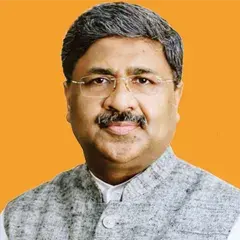 Kunwar Shekhar Vijendra, Co-Founder & Chancellor of Shobhit University, and Chairman, National Education Council, ASSOCHAM says, “Union Budget 2026–27 strengthens the direction set over the last decade under the leadership of Hon’ble Prime Minister Narendra Modi ji, recognising education as a driver of national capability and economic growth. The emphasis on skills, innovation, regional development, and youth empowerment reflects a maturing policy approach. Initiatives linking education with industry, services, and emerging sectors are especially encouraging for students beyond metropolitan centres. The opportunity now lies in execution, ensuring predictable funding, timely implementation, and strong institutional capacity. If carried forward with discipline and focus, this Budget can significantly strengthen regional universities and enable young Indians, particularly from small towns and rural areas, to convert learning into opportunity and contribution.”
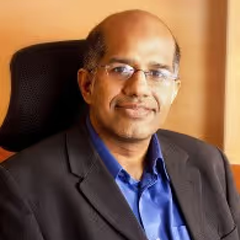 Sameer Mehta, Chairman, Dr. Mehta’s Hospitals, Chennai says, “India loses about $6 billion directly and $30 billion indirectly annually due to lower productivity due poor health in lost GDP. Government spend of 2% of GDP means that this is amongst the single biggest benefit lever to GDP – and an opportunity missed especially at a time of global uncertainty. Happy to see certain NCD drugs becoming cheaper especially for cancer and the specific focus on health training especially for allied health and care takers. No benefit to infrastructure healthcare costs meaning health will continue to have significant inflatory pressure.”
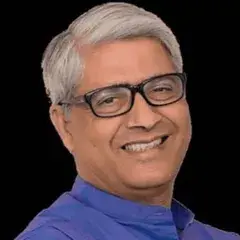 Dr. Jawahar Surisetti, Vice Chancellor, RISU says “The Union Budget 2026–27 presents a forward-looking roadmap for India’s healthcare sector, with a strong focus on affordability, self-reliance, and global leadership. By prioritising cost reduction alongside treatment, the budget addresses a critical need for patients battling chronic diseases like diabetes and cancer. Affordable medicines and the launch of the Biopharma Shakti Initiative, backed by ₹10,000 crore over five years, can significantly reduce import dependence on biologics and make advanced treatments more accessible. Strengthening pharmaceutical education through new and upgraded institutes will boost research, innovation, and skilled talent. The plan to develop a nationwide network of accredited clinical trial sites will accelerate drug development and attract international collaboration. Investments in district hospitals, emergency care, mental health services, regional medical hubs, new AIIMS, and Ayurveda institutions will strengthen healthcare delivery, especially in rural and semi-urban India, creating a more balanced and resilient health ecosystem.”
 Kanak Gupta, Group Director, Seth M.R. Jaipuria Schools, says “Budget 2026 gets one thing decisively right: India’s education challenge is no longer enrolment, but what actually happens inside classrooms. With most of India’s children studying outside metros, quality, consistency, and teacher capability will decide outcomes far more than policy intent. AI and emerging technologies matter only if teachers are prepared to use them meaningfully, across systems and geographies, not as isolated pilots. When infrastructure, sports, inclusion and technology meet in everyday school practice, learning becomes durable and opportunity becomes portable. Education-to-employment cannot be an afterthought; it has to be designed early, delivered at scale, and executed where aspiration is rising fastest. That is where India’s future will be built.”
 Tarun Anand, Founder & Chancellor, Universal Ai University, says “The university sees its technology innovation initiatives as essential for transforming India’s higher education system. The development of university townships close to industrial and logistic paths will create strong academic and industrial research centers, which will drive worldwide research development and employment opportunities. Additionally, the current focus on the AVGC (Animation, Visual Effects, Gaming, and Comics) industry represents an ideal moment. The establishment of creator labs across 15000 schools and 500 colleges will create an organized pathway for developing talent because the industry requires 2 million skilled workers. The project will create a strong link between three technologies, which include artificial intelligence, immersive digital media, and interactive storytelling. Also, the Eastern India Design Institute will provide residents access to top international creative programs that use design thinking for product development and user experience in digital fields. The establishment of girl hostels in each district will create a major change because it improves safety and access for female students who wish to attend higher education programs and STEM education. The combined initiatives will help India develop into a global knowledge center that promotes innovation through inclusive development.”
 Ashish SK, Former Chairman FICCI AVGC-XR Forum & Founding Director – IICT says, “The Indian Union Budget 2026 – 2027 today by Hon Finance Minister Smt Nirmala Sitharaman, has placed our AVGC-XR industry on a fast forward pathway. The focus on the basic Creative Arts, Performing Arts, Design coupled with technical skills & knowledge thru the formative years of school education and with higher education thru Universities is a revolutionary step. The formation of these well equipped AVGC-XR labs and training the trainer programs across India through our Indian Institute of Creative Technologies- IICT is going to lay a rock solid foundation for building the Indian leadership in building Creators – Orange Economy. Thanks to the I & B Ministry for making this happen.”
 Dr. Shuchin Bajaj, Founder Director, Ujala Cygnus Hospitals, says, “The Union Budget 2026–27 clearly recognises healthcare as a core pillar of India’s economic and social resilience. The sustained focus on strengthening public health infrastructure, expanding medical education, and prioritising preventive and digital health marks an important shift from episodic care to long-term system building. Increased emphasis on biopharma, MedTech, AI-enabled diagnostics and skilling can significantly enhance India’s position as a global healthcare innovation hub. Equally critical is the intent to improve last-mile access through primary care, telemedicine and technology-enabled outreach, especially for Tier-2, Tier-3 and rural India. While effective execution and timely fund flows will be crucial, the Budget reinforces that quality, affordability and scale in healthcare are strategic investments in India’s long-term productivity and human capital.”
 Dr. CA Achyut Dani, Director General & Provost, JG University says “The Union Budget strikes a pragmatic balance between fiscal consolidation and growth acceleration at a time of global economic uncertainty. The government’s continued focus on capital expenditure and structural reforms underlines its long-term vision for a resilient and inclusive Indian economy. Capital expenditure of nearly ₹11 lakh crore (about 3.4% of GDP), reinforcing infrastructure-led growth and employment generation. We are the YOUTH CAPITAL of the world and our success in employing these youth correctly will decide the direction and speed of growth of our country. Fiscal deficit targeted at around 5% of GDP, reflecting commitment to macro-economic stability. Stable direct tax regime with enhanced digital compliance, improving ease of doing business and taxpayer confidence. New Income Tax Act would be effective from 1st April, 2026. There is no change in tax slabs, no additional deductions reliefs or rebates, which were expected, particularly by salaried employees specifically in cases where salary is just above basic exemption limit and salary in highly paid corporate employees, which attracts a very high tax burden. Over ₹1.2 lakh crore allocation for education, skilling and research, supporting India’s demographic dividend which is Urban INDIA and Rural BHARAT. This is a welcome move.”
 Dr. Kerron G Reddy, Founder & CEO, AIMS Institutes says “India’s Union Budget 2026–27 seeks to balance growth with fiscal prudence, targeting a fiscal deficit of about 4.3 % of GDP while sustaining a record push in capital expenditure. Infrastructure, manufacturing, and strategic sectors such as semiconductors and biopharma dominate priorities. Education receives renewed focus through proposals for university townships, girls’ hostels, skill-linked institutes, and content-creation labs in schools and colleges, strengthening the education-to-employment pipeline. Sports policy is scaled up through an integrated Khelo India Mission to improve talent development and infrastructure. Health spending rises with a stronger emphasis on medical education, regional medical hubs, allied health training, and expanded AYUSH and mental health initiatives, alongside tax relief on critical drugs.”
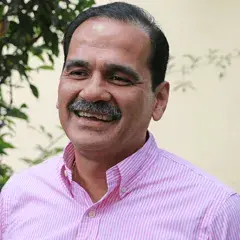 Sanjay Padode, Founding President, Vijaybhoomi University and Chairman of IFIM Institutions says, “The ₹1.39 lakh crore allocation for education, though an 8% increase over last year, still amounts to barely 2.6% of total government expenditure—well below the aspirations of NEP 2020. Implementing systemic reforms in education, skills integration, and youth development with this level of funding will be an uphill task. The Budget also misses a critical opportunity to enable Indian educators both private and public to raise capital through legitimate market instruments. Without such structural reforms, the sector will continue to rely on frugal innovation or governmental funding to compete in the world rankings. India definitely needs an integrated strategy that aligns education, skills, youth development, and sports to truly harness our demographic dividend and this is not evident in this budget”
 Piyush Singh Chauhan, Vice Chairman, S.R. Group of Institutions says “Initiatives like university townships, girls’ hostels in every district, and the ‘Biopharma SHAKTI’ are significant milestones in preparing youth for global competitiveness. He termed the Union budget as a “visionary step that bridges the gap between education and employment and further strengthens the resolve of a self-reliant India.”
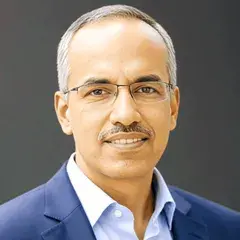 Dr. Aloke Mullick, Chief Growth Officer, OMNI Hospitals says, “As a hospital industry leader, I view yesterday’s Union Budget as a cautiously encouraging step for Indian healthcare. The continued emphasis on infrastructure creation, regional capacity expansion, and digital health signals recognition of healthcare as a national growth and resilience priority. While incremental increases in public spending and policy intent toward PPPs are welcome, the sector was hoping for bolder fiscal measures—especially easier access to long-term capital, GST rationalisation on medical devices, and structured financing support to balance growing private equity dominance. The focus on skilling and preventive care is positive, but execution and timely reimbursements will be key. Overall, the budget moves in the right direction, yet falls short of a transformative push needed to future-proof hospitals while preserving affordability, clinical autonomy, and patient-centric care at scale.”
 Dr. Geetali Tilak, Vice- Chancellor, Tilak Maharashtra Vidyapeeth says ”The Union Budget 2026-27 presents a vision-driven framework for nation-building, with education, skill development, innovation and infrastructure emerging as key enablers of India’s long-term growth.”
 Ganesh Natarajan, Chairman, GTT Data Solutions & 5F World says “FM presented a progressive budget that takes forward the “Make in India” agenda and sets out measures to get 10% market share for world services. The special treatment offered by way of the Safe Harbour framework for IT services, with a strong emphasis on automation and rule-based administration will be welcomed by IT firms, Global Capability Centres and Global Data Centres looking at India as a new opportunity. This is accompanied by a substantial increase in the eligibility threshold from INR 300 crore to INR 2,000 crore, the consolidation of IT services, IT-enabled services, KPO and contract R and D into a single category. For GCCs operating routine captive and cross-border delivery models, the combination of scale, automation and multi-year continuity can materially reduce compliance effort, lower interpretational risk and improve long-term planning confidence. The Budget also strengthens the Advance Pricing Agreement framework by committing to faster unilateral Advance Pricing Agreements, with an endeavour to conclude them within two years, extendable by a limited period at the taxpayer’s request. In addition, the Standing Committee for Services may provide many new ideas to take the services industry forward.”
 Bharti Madhok, Vice Chairperson, Sunbeam Group of Educational Institutions, says, “The Union Budget 2026–27 reflects a pragmatic and future-oriented fiscal vision that carefully balances growth with long-term resilience. The strong focus on capital expenditure, infrastructure, manufacturing and technology-driven sectors such as semiconductors, biopharma and digital services signals a clear intent to strengthen India’s global competitiveness and attract private investment. Initiatives like high-speed rail corridors further reinforce the shift towards infrastructure-led and technology-enabled growth. While the calibrated approach to fiscal consolidation supports economic stability, the absence of direct relief in individual tax slabs may moderate expectations among middle-class taxpayers. Overall, the Budget is visionary in intent and measured in delivery, with its success ultimately hinging on effective execution, job creation and the ability to translate large-scale investments into inclusive and sustainable growth.”
 Vimal Roy Manhotra, CEO, Lamrin Tech Skills University Punjab says, “Union Budget 2026 reinforces a simple truth: employability comes from relevance, not rote learning. The focus on industry-aligned skills, AI, digital technologies, and modern vocational infrastructure marks a decisive shift toward outcome-based education. This budget acknowledges what industry has been saying for years—skills must translate into productivity and livelihoods. Modular programmes, stronger MSME linkages, and future-ready competencies are steps in the right direction. At Lamrin Tech Skills University, we see this as momentum, not a milestone. Institutions must now move faster, collaborate deeper, and deliver talent that is job-ready from day one. The future of work won’t wait—and neither should we.”
 Sanjive Narain, Chairman, SN Group of Companies says, “It’s a reasonable Budget with MSME getting more priority, and since GST reforms were done in Sep last year, not too many changes were to be seen, I believe. Anyways, good to see the budget increasing, which will benefit the North East. Was expecting some changes to the income tax slabs, but not there yet, as the new tax regime starts 1st April. Overall, a normal and average budget.”
 CA Mala Dani, Founder & Owner M I Mansukhani & Co Chartered Accountants & Financial Advisory says, ”Union Budget 2026-27 can be viewed as a strategically balanced framework prioritizing growth, fiscal prudence, and inclusion. With a fiscal deficit targeted at 4.3% of GDP and debt-to-GDP ratio declining to 55.6%, the government demonstrates commendable fiscal discipline. The ₹12.2 lakh crore capital expenditure reflects continued infrastructure thrust, while manufacturing receives significant impetus through semiconductor mission 2.0, industrial cluster revival, and export-friendly customs reforms. The ₹10,000 crore SME Growth Fund and TReDS integration promise enhanced MSME liquidity. Tax rationalization measures including extended return filing deadlines, reduced TCS rates, and MAT reforms substantially ease compliance burdens. The services sector gains momentum through safe harbor provisions for IT services and cloud computing incentives. Notably, people-centric initiatives spanning skill development, care economy, and disability support align economic growth with social welfare. This budget positions India strategically for sustained 7% growth while maintaining stability, a commendable achievement in volatile global conditions.”
Conclusion
Taken together, the reactions to Union Budget 2026–27 underline a clear and deliberate shift in India’s policy imagination—from incremental sectoral support to building integrated, future-ready ecosystems. By placing education, skills, healthcare and innovation at the heart of its growth strategy, the Budget recognises that sustainable economic expansion will be driven as much by human capital and creativity as by physical infrastructure. The emphasis on education-to-employment linkages, AI-enabled learning, design and creative industries, preventive healthcare and biopharma innovation reflects an intent to align classrooms, campuses and research hubs with emerging industry needs and global opportunities. For stakeholders across education, healthcare and industry, the Budget signals continuity in reform with a sharper focus on outcomes, inclusion and scale. If executed effectively, these measures have the potential to translate aspiration into capability, local talent into global competitiveness, and policy vision into durable, long-term national growth.