






ArdorComm Media News Network
October 9, 2026
The World Health Organization (WHO) has issued its first guidelines focused specifically on tackling obesity among children and adolescents, recommending lifestyle-based interventions rather than medicines or surgery for children under the age of 10.
The global health agency said children aged 0 to 9 should not be treated with weight-loss medicines, bariatric surgery or weight-loss devices. Instead, it strongly recommends comprehensive programmes centred on healthy diets, regular physical activity and sustainable behavioural changes.
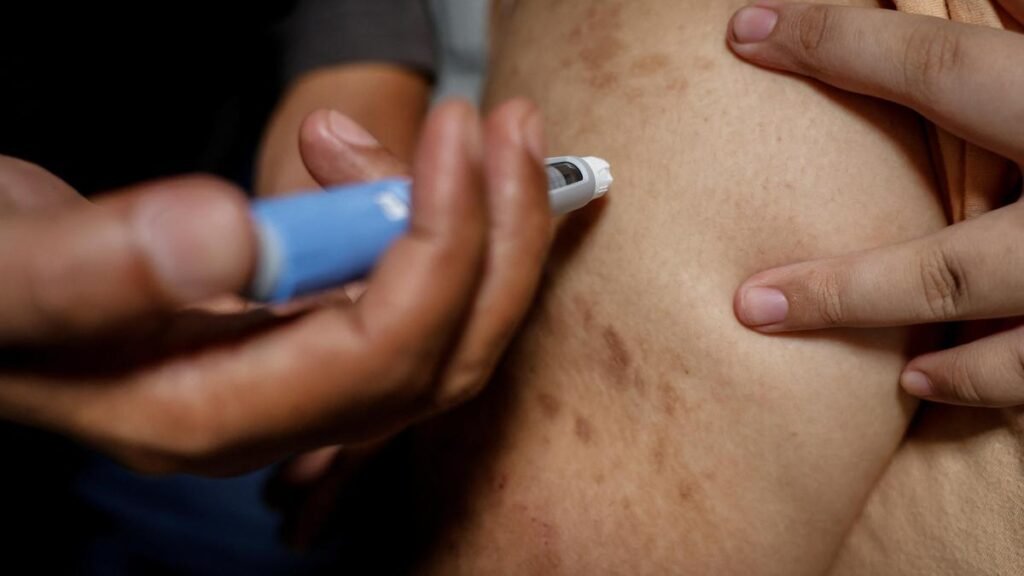
For adolescents aged 10 to 19, approved obesity medicines may be considered in selected cases when supervised lifestyle programmes have failed to produce the desired results. Bariatric surgery may also be considered for adolescents with severe obesity, but only under strict conditions and appropriate medical supervision.
The recommendations differ from WHO’s guidance for adults, which has recognised the potential role of newer weight-management medicines, including GLP-1 receptor agonists, in treating obesity.
The scale of childhood obesity has become a growing global concern. WHO estimates that around 70 million children aged five to nine and approximately 100 million adolescents aged 10 to 19 were living with obesity in 2024. Among people aged five to 19, the global prevalence of obesity increased from about 2 per cent in 1990 to 8 per cent in 2024.
WHO officials said the increase is being seen across regions, including low- and middle-income countries. The agency emphasised that the foundation of obesity care for young people should be access to nutritious food, physical activity and sustained support for healthier behaviours.
The guidelines also highlight the importance of mental health. Anxiety, depression and low self-esteem can influence eating habits, physical activity and social behaviour. At the same time, children and adolescents living with obesity may face stigma, discrimination and bullying.
WHO experts noted that bariatric surgery could be considered for some adolescents with severe obesity and related complications, such as type 2 diabetes or hypertension, particularly when lifestyle interventions have not been effective. Such cases require careful assessment and specialised medical supervision.
Source: AFP
Photo Credit: Reuters