ArdorComm Media Group

Wednesday, March 18, 2026 2:54 AM

Author name: admin

State Govt Allocates ₹10 Crore for Advanced Media Monitoring Cell

The Maharashtra state government has approved a ₹10 crore budget to establish and operate a media monitoring cell under the Directorate General of Information and Public Relations (DGIPR). The initiative aims to systematically track, analyze, and report news across print, electronic, social, and digital media. A specialized agency will be appointed for a one-year term, with a potential extension of two years based on performance. This agency will manage a media monitoring centre, providing real-time data through dashboards and mobile applications to enhance the government’s responsiveness to media trends. According to the government resolution (GR), the cell will observe and categorize media content as positive or negative, enabling authorities to counter misinformation swiftly. The first phase will cover news websites, online apps, and traditional media. Future expansions will incorporate emerging media formats. The monitoring centre will operate from 8 AM to 10 PM, tracking content hourly and generating daily, weekly, and monthly reports on media trends, public sentiment, and policy reception. Additionally, it will issue alerts on misinformation, fake news, and misleading narratives to prevent disruptions in the state. Key Features of the Media Monitoring Cell: Real-time tracking of print, digital, and social media Categorization of news by topic, section, and event Hourly trend analysis on mood and tone Dashboards & mobile apps for seamless information access Misinformation detection to maintain public order This scientific approach to media monitoring will help the government assess public perception and respond to critical issues more efficiently. Source: TOI

State Govt Allocates ₹10 Crore for Advanced Media Monitoring Cell Read More »

Aprirose Sells London Hotel; LA Hotel Rebrands; Marriott Expands in EMEA

London-based Aprirose has sold the 30-key Karma Sanctum hotel in Soho to Madrid-based Tenigla for £22 million. The rock-and-roll-themed hotel, acquired by Aprirose in 2021, is part of the company’s evolving U.K. acquisition strategy. Meanwhile, in Los Angeles, the Lum Hotel Los Angeles Stadium District is set for a transformation. The 179-key hotel, owned by San Francisco-based Chartres Lodging Group and managed by PM Hotel Group, will be rebranded as a Tapestry by Hilton property. Renovations are expected to be completed by late 2025. Marriott International continues its rapid growth in Europe, the Middle East, and Africa (EMEA), securing a record-breaking 291 deals, adding over 34,000 rooms in 2024. The company expanded into three new markets—Luxembourg, Angola, and Senegal—bringing its EMEA pipeline to 596 properties with 104,731 rooms, a 10% increase from the previous year. Conversions accounted for 45% of new signings, highlighting Marriott’s strategic expansion. Manchester City is also entering the hospitality space in collaboration with Radisson Hotel Group. The Premier League club will open The Medlock, a 401-key hotel adjacent to its stadium, by late 2026. In the Philippines, SM Hotels and Convention Corp. (SMHCC), a unit of SM Prime Holdings Inc., reported double-digit occupancy growth amid rising travel and MICE (Meetings, Incentives, Conferences, and Exhibitions) demand. The company is investing P15 billion in a five-year expansion plan, adding eight hotels and two convention centers in key locations. Source: hotelinvestmenttoday

Aprirose Sells London Hotel; LA Hotel Rebrands; Marriott Expands in EMEA Read More »

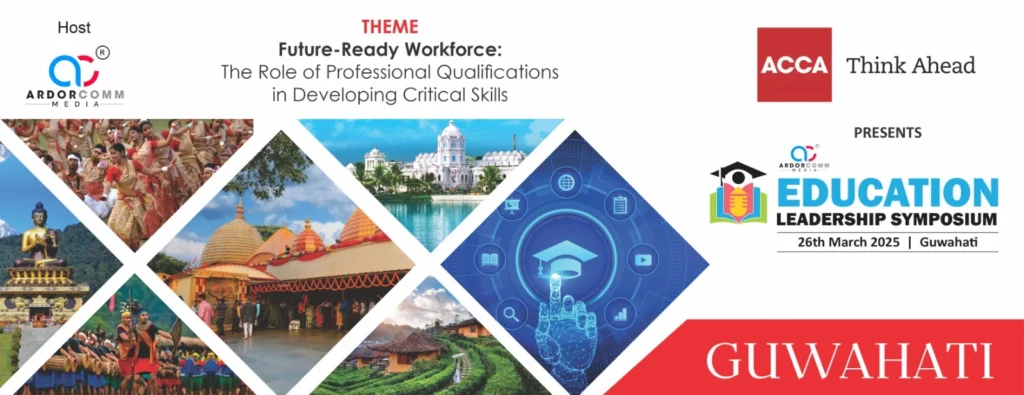
“ArdorComm Education Leadership Symposium” Wednesday, 26th March 2024 | Guwahati, Assam

“ArdorComm – Education Leadership Symposium” – A RoundTable Meet Event Theme: Future-Ready Workforce: The Role of Professional Qualifications in Developing Critical Skills #ELS2025 #ELSGuwahati #ELSNorthEast #EducationLeadershipSymposium The upcoming “ArdorComm – Education Leadership Symposium” – A RoundTable Meet on 26th March in Guwahati, Assam will witness the presence of senior leadership from the higher education fraternity of north-eastern region. The representation of academicians and educators will be mostly from the  eight northeast states of India — Arunachal Pradesh, Assam, Manipur, Meghalaya, Mizoram, Nagaland and Tripura (popularly known as the “Seven Sisters”), and the “brother” state of Sikkim.  The education fraternity will unite under one roof for a meaningful brainstorming session on ‘Future-Ready Workforce- The Role of Professional Qualifications in Developing Critical Skills’.  In an era of rapid technological advancements and evolving job markets, professional qualifications play a pivotal role in equipping individuals with critical skills essential for a future-ready workforce. As industries embrace digital transformation, employers seek professionals with expertise in problem-solving, adaptability, data literacy, and leadership. Formal certifications, industry-recognized credentials, and continuous learning pathways help bridge the skills gap, ensuring alignment with emerging industry demands. Professional qualifications not only validate technical proficiency but also foster analytical thinking, collaboration, and innovation—key attributes for success in the 21st-century workplace. This discussion explores how structured learning programs, upskilling initiatives, and competency-based education empower professionals to navigate an increasingly complex and dynamic global economy, preparing them for sustainable career growth. Who Should Attend: Educators Academicians Chancellors Vice-Chancellors CEOs Directors Principals Deans KEY DISCUSSION POINTS How can professional qualifications be designed to effectively address the evolving skill demands of a technology-driven workforce? What role do industry-academia collaborations play in ensuring that professional certifications remain relevant and aligned with real-world challenges? How can education institutions integrate critical skills such as problem-solving, adaptability, and data literacy into professional qualification programs? What strategies can be implemented to make professional qualifications more accessible and inclusive, ensuring equitable opportunities for lifelong learning? How do professional credentials impact employability and career progression, and what metrics can be used to measure their effectiveness in workforce development? Eminent Speakers Kumar Chandan Anand Founder, CEO & Group Editor ArdorComm Media Group (HOST) Prabhanshu Mittal Head – Education Partner Relationships, India ACCA Rohan Rajvanshi, Education Partner Relationships Lead – North, East, West & Central India (NEWC)ACCA Piyush Singh Chauhan Vice Chairman S R Group of InstitutionsLucknow, UP Joutishman Dutta Vice President Assam Down Town University Guwahati, Assam Prof. Partha Pratim Baruah President – Governing Body B Borooah College Guwahati, Assam Dr. Jagannath Patnaik Vice Chancellor ICFAI University Sikkim Dr. Sagar Onkarrao Manjare Vice Chancellor Mahatma Gandhi University Ri Bhoi, Meghalaya Dr. Manjeet Kaur Kaushal Vice ChancellorCMJ UniversityShillong, Meghalaya Dr. Paul Bhaggien Vice Chancellor North East Adventist University Thadlaskein, Meghalaya Prof. (Dr.) Pranveer Singh Pro Vice-Chancellor Assam Down Town University Guwahati, Assam Dr. Debmalya Bhattacharya Pro Vice Chancellor MIT University of Meghalaya Shillong, Meghalaya Dr. Hemanta Kumar Nath Secretary – University Classes Gauhati University Guwahati, Assam Prof. Dr. George AP Dean – Royal School of Business & Commerce The Assam Royal Global University Prof. Kumud Ch. Goswami Dean – Faculty of Commerce and Management Sciences Dibrugarh University Assam Dr. Hrishikesh Baruah PrincipalK.C Das Commerce College Guwahati, Assam Dr. Manoj Kumar Mahanta Principal Pragjyotish College Guwahati, Assam Dr. Mampi Bora Principal Jettwings Business School Guwahati, Assam Dr. Bipasha Chetiya Head – Department of Commerce Dibrugarh University Assam Dr. Abdur Rashid Ahmed Asst. Prof & HOD – EconomicsAssam Don Bosco UniversityGuwahati, Assam Dr. Biju Mani Das Associate Professor cum Head – Department of CommerceAssam Don Bosco UniversitySonapur Mridul Deka HOD- Commerce & Management Krishnaguru Adhyatmik Visvavidyalaya Agenda Time Topic 3:30 – 4:00 PM Registration & Networking Tea 4:00 – 4:15PM Welcome Note: ArdorComm Media Group Keynote Address: ACCA 4:15 – 6:45 PM Roundtable Discussion – Moderated by ACCA 7:15 PM Onwards Networking Cocktails followed by Dinner 6:45 – 7:15 PM Closing Remarks & Felicitation Ceremony Venue Vivanta Guwahati Address: 613, Mahapurush Srimanta Sankardev Path, Khanapara, Guwahati, Assam 781022


“ArdorComm Education Leadership Symposium” Wednesday, 26th March 2024 | Guwahati, Assam Read More »

Arunachal Pradesh Minister Balo Raja Stresses Role of Consultative Committees in Governance

Arunachal Pradesh’s Urban Affairs Minister, Balo Raja, on Tuesday underscored the importance of consultative committees in governance, emphasizing their role in fostering discussions between elected representatives and government officials. Presiding over the consultative committee meeting of the Urban Affairs Department, Raja reminded attendees that these committees were first constituted by the Centre in June 1969 to help elected members better understand administrative processes. He highlighted their function as an informal platform for MPs, MLAs, and government ministries to discuss policy formulation and address governance challenges. “In line with the recommendations of the 8th All India Whips Conference held in 1972, Arunachal Pradesh has established consultative committees for each department, chaired by the respective ministers and comprising MLAs as members,” Raja stated. He further noted that such meetings should ideally be conducted during or between legislative sessions, with their reports submitted to the government for consideration. In most cases, unanimous recommendations are accepted, barring exceptions in specific policy areas. The meeting was attended by MLAs Techi Kasso, Tapi Darang, and Hamjong Tangha, along with senior officials, including Urban Affairs Secretary Nyali Ete, Joint Secretary Tamune Miso, Urban Development Chief Engineer Taring Darang, Town Planning Director Likha Suraj, and Housing Director Geyi Basar, among others. The discussion reaffirmed the government’s commitment to structured and collaborative decision-making, ensuring effective policy implementation in urban development.

Arunachal Pradesh Minister Balo Raja Stresses Role of Consultative Committees in Governance Read More »

Delhi High Court Stays Suspension of Jamia Students, Forms Committee to Ease Tensions

The Delhi High Court has directed the formation of a committee to de-escalate tensions at Jamia Millia Islamia (JMI) following student protests over the university’s ban on demonstrations without prior permission. The committee, to be supervised by the Vice Chancellor, will include university officials and student representatives. Justice Dinesh Kumar Sharma also stayed the suspension of 17 students, who were penalized for allegedly protesting without approval and defacing public property, until the next hearing. The students had challenged the suspension, arguing that the university’s actions were disproportionate. Senior Advocate Colin Gonsalves, representing the petitioners, contended that the students had a clean record and were peacefully protesting outside the canteen. He criticized the university for siding with the Delhi Police, leading to the students’ detention. Advocate Abhik Chimni further noted that, per university regulations, suspensions cannot exceed two weeks. Jamia’s counsel, Advocate Amit Sahni, defended the university’s decision, stating that the students had been given opportunities to comply and that their protest was unrelated to academics. He added that no arrests occurred on campus, and the detained students were later released. The Court, while refraining from commenting on the reasons behind the protest, observed that the demonstration appeared peaceful. It emphasized that student participation in such movements is part of their civic training. Urging the university administration to take remedial steps, the Court ordered the committee’s formation and requested a report from the university. Until the next hearing, the Court has suspended the operation of Jamia’s February 12 suspension order. However, it clarified that this ruling does not impact any criminal cases filed against the students.

Delhi High Court Stays Suspension of Jamia Students, Forms Committee to Ease Tensions Read More »

A weakened Australia put up a strong fight, but India’s experience ensured a successful chase of 265, reaching the target with 11 balls to spare

India 267 for 6 (Kohli 84, Iyer 45, Rahul 42*, Ellis 2-49, Zampa 2-60) beat Australia 264 (Smith 73, Carey 61, Shami 3-48, Jadeja 2-40, Varun 2-49) by five wickets. Dubai will host the Champions Trophy final, and India will be there after overcoming a resilient Australian side in an intense semi-final. Though Australia had their moments, India’s class and composure ultimately secured their victory. Virat Kohli, a symbol of consistency, played a pivotal role once again. Having earlier crafted a chase-masterclass against Pakistan, he looked set for another century before an unexpected shot ended his innings at 84. However, by then, he had surpassed 8000 runs in ODI chases and had left India requiring only 40 off 44 balls. KL Rahul and Hardik Pandya finished the job efficiently, with Rahul sealing the victory in style with a six over long-on off Glenn Maxwell. Despite Australia hitting more boundaries (20 fours and eight sixes) than India (16 fours and seven sixes), India’s game plan revolved around calculated aggression and smart running between the wickets. They faced just 124 dot balls compared to Australia’s 153 and ran 158 of their runs, significantly more than Australia’s 129. India’s four-spinner strategy proved effective on a slow and low pitch. While the surface didn’t offer extravagant turn, the Indian spinners controlled the game better than their Australian counterparts, maintaining pressure by attacking the stumps and restricting scoring areas. Their collective dot-ball percentage stood at 50%, whereas Australia’s was just over 39%. Australia showed promise at multiple junctures. Choosing to bat first, they eyed a total of 300, with three key batters threatening to turn the game in their favor. However, all three fell just as they seemed to be taking control. Source: ESPN

A weakened Australia put up a strong fight, but India’s experience ensured a successful chase of 265, reaching the target with 11 balls to spare Read More »

“Empowering Education Through Innovation: Insights from Dr. Avijit Nair”

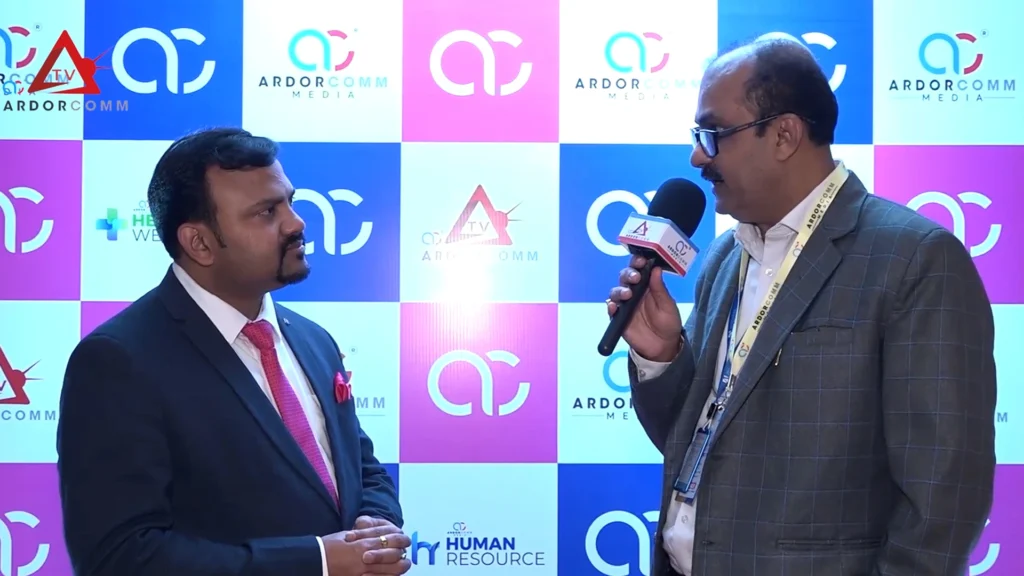
“Teacher capacity building is crucial. Until teachers are aware of the latest advancements, they cannot effectively teach students” said Dr. Avijit Nair Q: Can you share some insights into your institution, AIM Group of Institutions, and its initiatives? Akemi Group of Institutions is 11 years old. Founded by Dr. Abhishek Boke, we started with an MBA program and now offer BBA, BSc in Cyber and Digital Science, and a Junior College. To align with digital transformation, we’ve integrated AI components into our MBA program, launched an MDP program, and introduced certifications on AI and Metaverse. Our BSc in Cyber and Digital Science is gaining strong student interest, addressing the growing importance of cybersecurity. At the junior college level, we incorporate life skills training alongside academics. Q: What initiatives are you taking for teacher training? A: Teacher capacity building is crucial. Until teachers are aware of the latest advancements, they cannot effectively teach students. We conduct FDP programs where faculty from reputed institutions like IIM train our teachers on the latest innovations in their respective fields. Recently, we had a senior expert from the Bombay Stock Exchange train our faculty on financial literacy. I also personally conduct sessions on classroom delivery techniques because knowledge alone is not enough; how to transfer that knowledge to students is equally important. We consistently train, reskill, and upskill our teachers to ensure they stay updated. Q: How important is skilling in the 21st century? A: Skilling is essential. We are in an era of rapid transformation, where new technologies emerge frequently. A month ago, people were unaware of Diffusion 6, and today, it’s a trending topic. There are two aspects to skilling. First, students must be equipped with relevant future skills. Second, they must develop adaptability. Certain skills may become irrelevant in the future, but if students have adaptability and resilience, they can unlearn and relearn as required. Q: How do forums that bring together academicians, corporate players, and government representatives contribute to society? A: Such forums provide a collaborative learning opportunity. When academicians remain confined to their own institutions, their knowledge remains limited. By interacting with senior professionals from various domains, they gain exposure to best practices from other institutions. For example, educational trips to Finland help academicians learn about their education system. Though India’s demographic differences prevent a direct replication, the best practices can be adapted. Organizing such forums fosters knowledge exchange and collective growth in the education sector. Q: ArdorComm Media is celebrating its third anniversary. Do you have any message or suggestions for us? A: You are doing excellent work. The next step is scaling up by organizing more events on relevant topics, expanding pan-India and even internationally. Additionally, a vertical focused on training modules could be valuable. Since you have ties with many academicians, inviting experts to conduct training sessions for students could significantly benefit the student community.

“Empowering Education Through Innovation: Insights from Dr. Avijit Nair” Read More »

Bridging Education & Digital Transformation – Insights from Dr. Ashok B. Gupta

“The foundation behind this initiative plays a crucial role in advancing digital education.” Said Dr. Ashok Gupta Q: Can you share your experience and thoughts on today’s event? A: This event provided me with a great opportunity. I have been working in the field of education and environmental initiatives for the past 35 years. I sincerely thank the organizers for creating a platform where I could connect with various universities, as well as organizations like SAS and D2L. This platform enables schools and colleges to share their views and connect with each other effectively. It is a valuable initiative that fosters collaboration in the education sector. Q: What are your key takeaways from today’s event? A: This event facilitates connections between universities, institutional heads, leaders, and educators. The foundation behind this initiative plays a crucial role in advancing digital education. Without digitization, progress in education is challenging. This platform contributes significantly to the field by promoting digital learning and collaboration. I appreciate the opportunity to be part of this event. Thank you.

Bridging Education & Digital Transformation – Insights from Dr. Ashok B. Gupta Read More »

Nepal’s Economic Prospects at Risk Due to FATF Grey-Listing and Governance Concerns

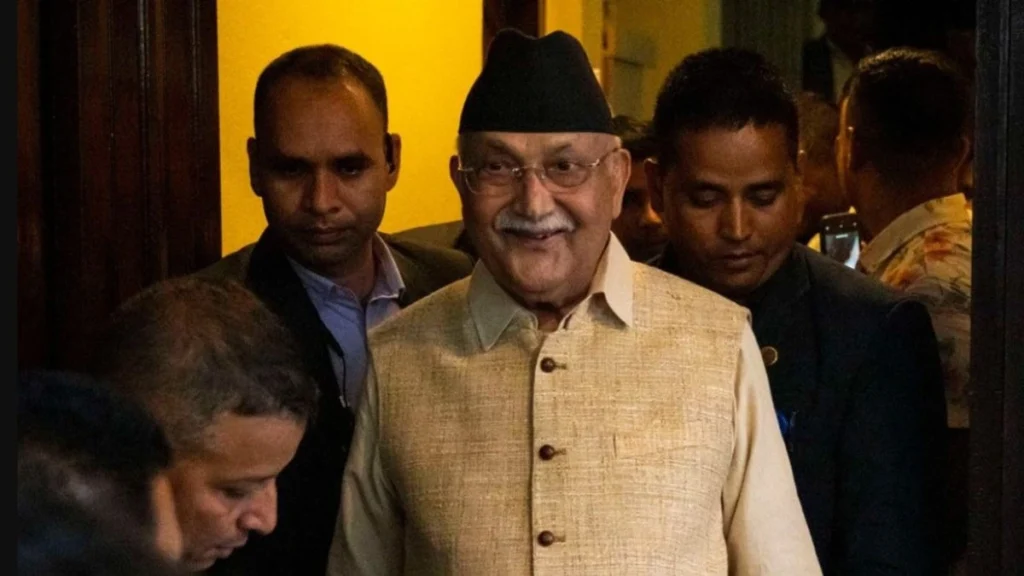
The Financial Action Task Force (FATF) has once again placed Nepal on its grey list, citing deficiencies in the country’s legal framework and enforcement mechanisms to combat money laundering and terrorist financing. The decision was announced following the FATF plenary meeting in Paris from February 17 to 21, 2025, marking a decade of deteriorating governance since Nepal was last removed from the list in 2014. The Implications of FATF Grey-Listing Being placed on the FATF grey list designates Nepal as a ‘jurisdiction under increased monitoring,’ requiring it to implement a comprehensive action plan within two years. Although grey-listing does not result in direct sanctions, it sends a warning to international financial institutions about the potential risks of doing business in Nepal. This designation could severely impact Nepal’s fragile economy, which heavily relies on foreign aid, remittances, and imports. Failure in Financial Oversight and Enforcement The Asia/Pacific Group on Money Laundering (APG), a regional FATF-style body, highlighted Nepal’s failure to implement necessary reforms. The country lacks stringent laws to regulate illicit financial activities and has struggled with weak enforcement. Key deficiencies include: Lack of comprehensive anti-money laundering laws Inadequate mechanisms to track and prevent terrorist financing Weak financial regulations and ineffective implementation Economic and Political Consequences The grey-listing comes at a challenging time for Nepal’s economy. Prime Minister K.P. Sharma Oli, in his fourth term, is under mounting pressure as opposition parties call for his resignation. Economic experts warn that foreign investors may hesitate to engage with Nepal due to increased scrutiny and compliance risks. The misuse of foreign aid has further eroded confidence, prompting the U.S. to cancel $39 million in planned assistance, including $20 million for fiscal federalism and $19 million for biodiversity conservation. Underlying Issues: Criminal Activities and Corruption Nepal’s financial vulnerabilities stem from a range of illicit activities, including: Money laundering: Enabled by weak regulatory enforcement and porous borders Human and drug trafficking: The Terai region serves as a hotspot for organized crime Gold smuggling: Smugglers use Nepal as a transit hub to supply the Indian market Informal remittance channels (Hundi): Nearly 40% of remittances bypass official banking channels Counterfeit goods: Rampant trademark violations with fake products flooding markets Mafia-style groups and political affiliates engage in systematic extortion and financial crimes, further exacerbating the problem. Political instability—ten governments in the past decade—has hindered the establishment of long-term reforms to address these issues. Path Forward for Nepal To regain international confidence and improve its economic outlook, Nepal must take decisive action: Strengthen anti-money laundering and counter-terrorism financing laws Enhance financial oversight and regulatory enforcement Crack down on organized crime and illicit financial flows Improve transparency in governance and public fund utilization Encourage the formalization of remittances to prevent illicit transfers The FATF grey-listing serves as a wake-up call for Nepal’s leadership to implement necessary reforms. If the government fails to act, the country risks further economic decline, loss of foreign investments, and global financial isolation. Addressing these issues proactively will be crucial for Nepal’s long-term economic stability and global standing.

Nepal’s Economic Prospects at Risk Due to FATF Grey-Listing and Governance Concerns Read More »

“Insights on Holistic Education, Skilling, and Collaboration – A Conversation with Debika Chatterjee”

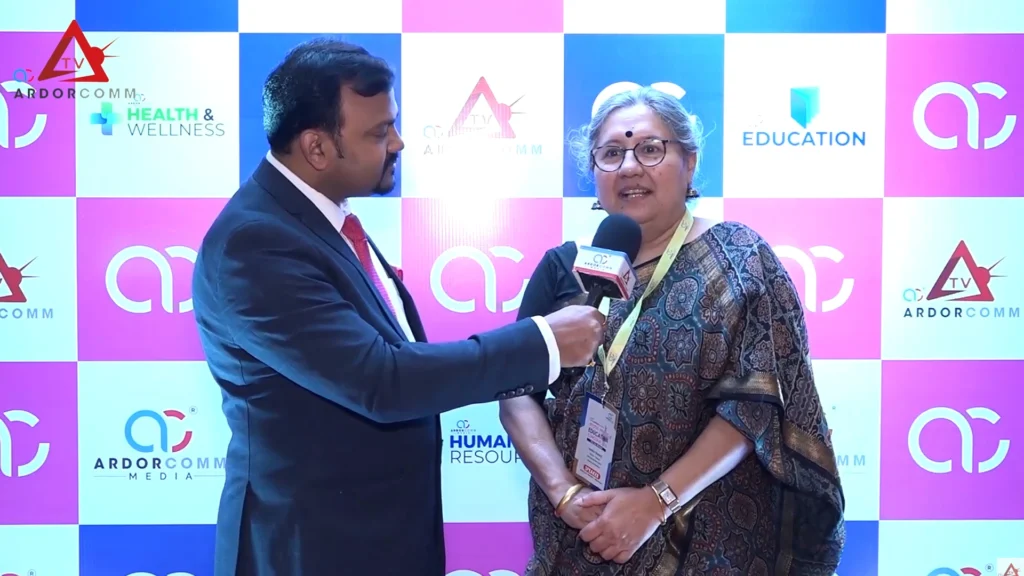
“Skilling and reskilling are of utmost importance because the future is unpredictable.” Said Debika Chatterji Q: Can you share some insights about your institution? A: I am the Director-Principal at JBCN International School. Our school strongly believes in innovative learning processes that nurture the mind, body, and spirit of our students. We focus on holistic education to prepare learners for the future. Q: What are your thoughts on the holistic development of children in schools? A: As educators, we are not just providers of information; we are deeply invested in shaping learners who can contribute to making the world a better place. Holistic development, which includes intellectual, physical, and emotional well-being, is essential in education. Q: How do skilling and reskilling impact students, especially school-going children? A: Skilling and reskilling are of utmost importance because the future is unpredictable. Simply acquiring information is not enough—students need skills, critical thinking, and adaptability to succeed in an ever-evolving world. These aspects prepare them to be global citizens and active contributors to society. Q: What role do sports and physical education play in a student’s life? A: With rapid technological advancements and increasing digital engagement, physical movement has become more important than ever. As the saying goes, “A healthy mind lives in a healthy body.” Physical education plays a crucial role in maintaining balance and overall well-being. Q: How do forums like this, which include representatives from schools, corporates, and the government, impact the larger community? A: Such platforms emphasize that collaboration is the key to success. If educators and adults model collaborative behavior, learners will adopt the same approach. Fostering cooperation is essential for progress in every sector. Q: Any message for our media group as we celebrate our third anniversary? A: You are already doing a great job. Keep up the good work!

“Insights on Holistic Education, Skilling, and Collaboration – A Conversation with Debika Chatterjee” Read More »