

ArdorComm Media Group

Sunday, April 12, 2026 11:30 AM

Governance Community

Madras High Court Rules: Reservation Policy Inapplicable to Government Law Officers
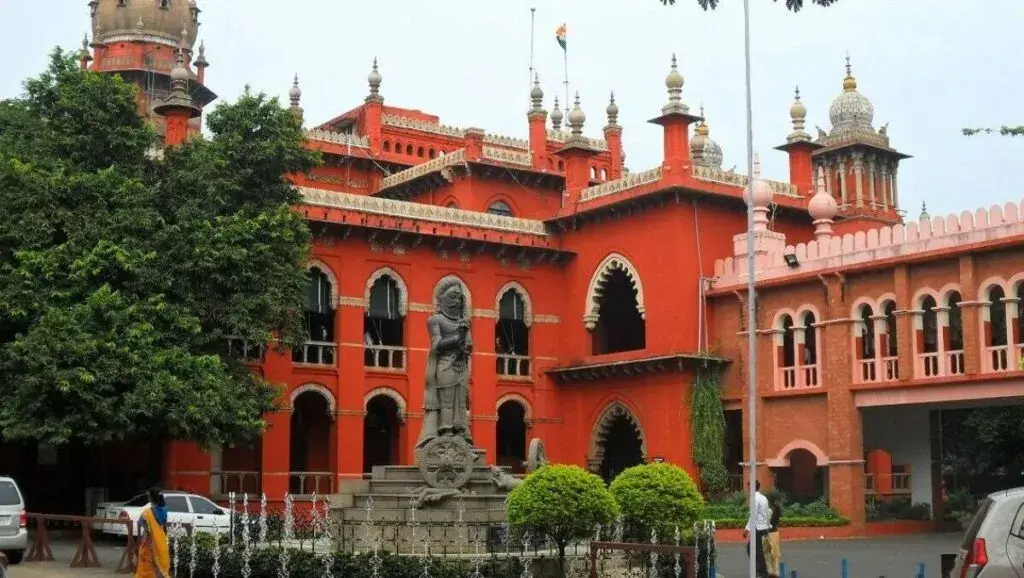
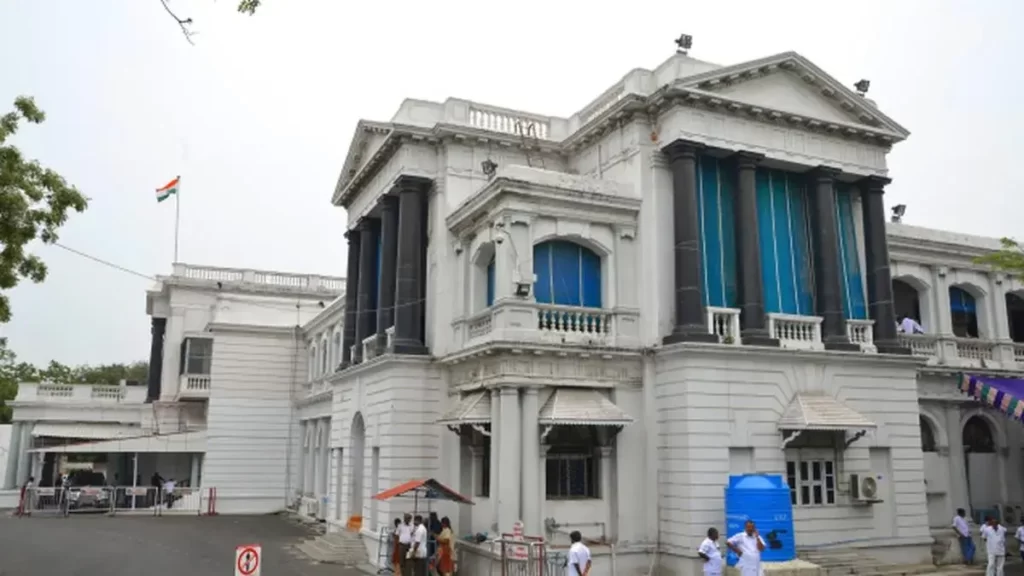
The Madras High Court has ruled that the reservation policy mandated under Article 16(4) of the Constitution does not apply to law officers engaged by the government. The court emphasized that law officers, appointed by the government, do not hold civil posts, and hence, the relationship between them and the government is not that of a master and servant. A Bench comprising Chief Justice SV Gangapurwala and Justice D Bharatha Chakravarthy highlighted the government’s duty to appoint the most competent and meritorious lawyers for legal representation. The court asserted that, as the law officers do not hold civil posts, Article 16(4) of the Constitution, which deals with reservations, is not applicable to such appointments. The judgment underscored the importance of merit as the sole criterion for selecting law officers. The ruling came in response to a Public Interest Litigation (PIL) filed in 2017 by Thol Thirumavalavan, a local political leader, seeking reservation for women, Scheduled Caste (SC), and Scheduled Tribe (ST) communities in the appointment of law officers in the Madras High Court and subordinate courts in Tamil Nadu. The court dismissed the PIL, stating that the government’s duty to protect public interest obligates it to engage the most proficient and capable individuals, making merit the primary consideration in such appointments. The court also rejected arguments based on government orders and office memoranda advocating reservation for contractual employees, emphasizing that such provisions apply to individuals in the employment of the government, which does not include law officers. The verdict highlights the unique nature of the relationship between the government and law officers, grounded in trust and confidence, and asserts that the selection process for law officers is transparent and not arbitrary.

Madras High Court Rules: Reservation Policy Inapplicable to Government Law Officers Read More »
BJP Leadership Shuffle: Bhajan Lal Sharma, Mohan Yadav, and Vishnu Deo Sai Take Charge as Chief Ministers in Rajasthan, Madhya Pradesh, and Chhattisgarh

News on Government

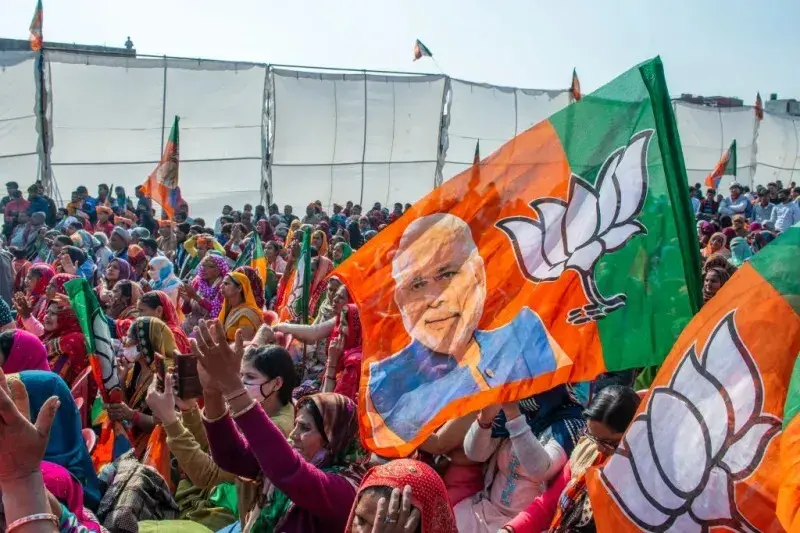
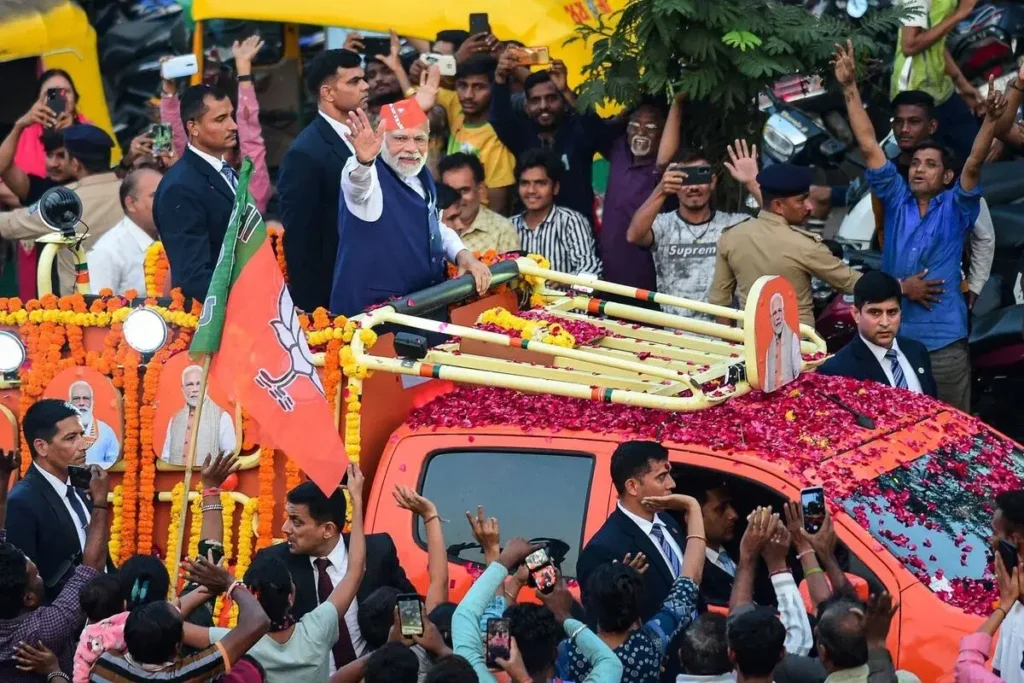
The Bharatiya Janata Party (BJP) officially announced Bhajan Lal Sharma as the new Chief Minister of Rajasthan, following a conclusive BJP Legislature Party meeting held in Jaipur yesterday. The meeting, which commenced at 4 pm, saw the presence of all 115 BJP MLAs at the party office, marking a crucial moment in Rajasthan’s political landscape. The selection process was overseen by Defence Minister Rajnath Singh, Rajya Sabha member Saroj Pandey, and BJP National General Secretary Vinod Tawde, appointed as observers by the BJP to ensure a smooth and transparent selection of the Rajasthan Chief Minister. The saffron party emerged victorious in the Rajasthan Assembly polls on December 3, securing a clear majority and displacing the Congress party. Notably, the BJP’s strategy in selecting chief ministers has taken an interesting turn in states like Chhattisgarh and Madhya Pradesh, where the party also claimed victory. In Chhattisgarh, tribal leader Vishnu Deo Sai was chosen, while in Madhya Pradesh, Mohan Yadav, the party’s OBC face and former education minister, secured the chief ministerial position. Both choices surprised many as the BJP opted for fresh faces over seasoned leaders. Mohan Yadav, a three-time MLA from Madhya Pradesh’s Ujjain South, is set to take the oath as the chief minister at Bhopal’s Lal Parade Ground. In Chhattisgarh, Vishnu Deo Sai, a four-time Lok Sabha MP and three-time state BJP chief, will be sworn in as the CM at the Science College ground in Raipur. In Madhya Pradesh, Rajendra Shukla and Jagdish Devda are expected to be sworn in as deputies of Mohan Yadav. However, in Chhattisgarh, the BJP is yet to make an official announcement regarding the deputy CMs. Speculations suggest that Arun Sao and Vijay Sharma might assume these roles alongside Sai. The swearing-in ceremonies in Bhopal and Raipur are anticipated to witness the presence of political heavyweights, including Prime Minister Narendra Modi, Union Home Minister Amit Shah, and Uttar Pradesh Chief Minister Yogi Adityanath. The BJP’s choices for chief ministers in these states reflect a strategic shift, opting for fresh and dynamic leadership over experienced veterans.

BJP Leadership Shuffle: Bhajan Lal Sharma, Mohan Yadav, and Vishnu Deo Sai Take Charge as Chief Ministers in Rajasthan, Madhya Pradesh, and Chhattisgarh Read More »

Government Mandates 100% Jute Packaging for Food Grains and 20% for Sugar

Indian government has given its nod for the mandatory packaging of 100% of food grains and 20% of sugar in diversified jute bags for the Jute Year 2023-24. This decision aligns with the government’s commitment to the Aatmanirbhar Bharat (Self-Reliant India) initiative. The reservation norms outlined in the proposal aim to safeguard the interests of domestic raw jute production and jute packaging material within India. By enforcing these norms, the government seeks to enhance self-reliance in line with the Aatmanirbhar Bharat vision. Approximately 65% of the raw jute produced in the country was consumed for packaging purposes in the previous fiscal year (2022-23). The implementation of the Jute Packaging Materials (JPM) Act is expected to provide relief to 4 lakh workers employed in jute mills and ancillary units, supporting the livelihoods of around 40 lakh farm families. Additionally, the move is anticipated to contribute to environmental conservation, given that jute is a natural, biodegradable, renewable, and reusable fiber, meeting essential sustainability criteria. The Jute industry holds a vital position in India’s national economy, particularly in the Eastern Region, including West Bengal, Bihar, Odisha, Assam, Tripura, Meghalaya, Andhra Pradesh, and Telangana. The industry plays a crucial role in providing direct employment to 4 lakh workers and supporting 40 lakh farmers through the reservations norms established under the JPM Act of 1987. Jute Sacking Bags constitute 75% of the total production of the Jute Industry, with 85% of these bags supplied to the Food Corporation of India (FCI) and State Procurement Agencies (SPAs). The remaining portion is either exported or sold directly. The government’s annual purchase of Jute sacking bags, valued at approximately Rs. 12,000 crore, ensures a guaranteed market for Jute farmers and workers. With an average production of about 30 lakh bales (9 lakh MT) of Jute Sacking Bags, the government is committed to the complete off-take of the production to protect the interests of Jute farmers, workers, and stakeholders in the Jute Industry.

Government Mandates 100% Jute Packaging for Food Grains and 20% for Sugar Read More »

Supreme Court Advocates Leeway for Government Adjustments in Citizenship Act, Cites National Interest

news on government

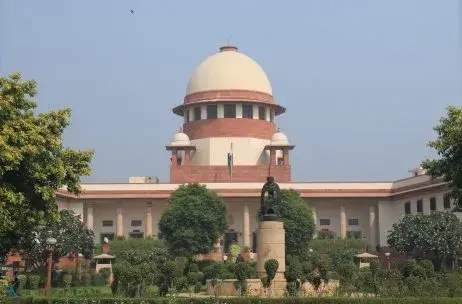
Supreme Court of India emphasized the need for the government to have the flexibility to make crucial adjustments for the nation’s well-being. The statement came during the hearing of 17 petitions challenging the constitutional validity of section 6A of the Citizenship Act, which is specific to Assam. A five-judge constitution bench, led by Chief Justice DY Chandrachud, highlighted the challenges faced by northeastern states, particularly those affected by insurgency and violence. Chief Justice Chandrachud stressed that governments must be granted “latitude and leeway” to make necessary adjustments, acknowledging the complexities and unique circumstances in various regions. Section 6A of the Citizenship Act, inserted as a special provision for individuals covered under the Assam Accord, outlines criteria for granting citizenship to those who migrated to Assam between January 1, 1966, and March 25, 1971. The provision sets March 25, 1971, as the cutoff date for citizenship, affecting individuals from specified territories, including Bangladesh. The bench, comprising Justices Surya Kant, M M Sundresh, J B Pardiwala, and Manoj Misra, is considering the constitutional validity of section 6A, particularly its impact on the rights of individuals and the homogeneous classification of states. Senior advocate Shyam Divan, representing the petitioners, argued that section 6A operates in a “blanket manner” and rewards illegal immigrants who continue to reside in Assam against the citizenship law. Divan called for a declaration of the provision as invalid and urged the government to formulate a policy for the settlement and rehabilitation of individuals who arrived in Assam after January 6, 1951. The court questioned whether Parliament could allow the continuation of strife in Assam due to discrimination among states. It raised concerns about the potential discrimination between states and the need for a balanced solution to address the complex issues faced by Assam. The hearing, which remained inconclusive, will resume on Thursday. The court had earlier sought data on the beneficiaries of section 6A to evaluate its impact on Assam’s demographic and cultural identity. As the legal battle unfolds, the Supreme Court’s stance reflects the delicate balance between national interest, security concerns, and the protection of individual rights.

Supreme Court Advocates Leeway for Government Adjustments in Citizenship Act, Cites National Interest Read More »

Uttar Pradesh Government Initiates Review of Madrassa Educational Qualifications and Facilities

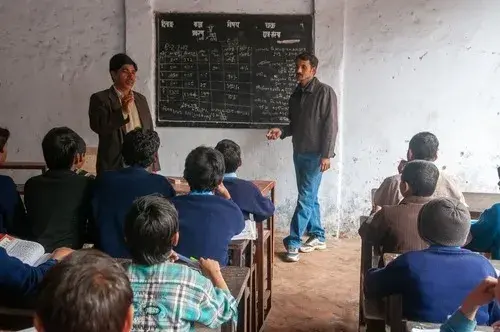
The Uttar Pradesh government recently issued directives to evaluate teachers’ and staff’s educational qualifications, as well as basic facilities in state-funded madrassas. Ifthikar Ahmad Javed, Chairperson of the Uttar Pradesh Madrasa Education Board, criticized the move, emphasizing the disruptive nature of such investigations on the routine functioning of these institutions. Javed expressed his concerns, stating that while he has no objections to the investigation, it should be carried out properly to avoid jeopardizing ongoing preparations, particularly with upcoming board exams. He also mentioned that a similar survey was conducted last year, but no action was taken as a result of its findings. J Reebha, Director of the Minority Welfare Department, urged divisional deputy directors and district minority welfare officers in a letter dated December 1 to ensure essential facilities and qualified teachers in madrassas. The goal is to maintain educational quality by encouraging students to be inquisitive, engaging, and scientific. The investigation, which is expected to last until December 30, will look into madrassa structures, basic facilities, and the educational records of teaching and non-teaching staff in state-supported madrassas. The findings are expected to be submitted to the Madrasa Education Board’s Registrar. Currently, Uttar Pradesh has approximately 25,000 recognized and unrecognized madrassas, with 560 receiving state financial assistance. The letter noted that these madrassas lacked adequate facilities, which contributed to a lack of quality, scientific, and modern education, limiting students’ employment opportunities. Committees comprised of the District Minority Welfare Officer and the District Magistrate have been formed to expedite the process. Additional committees will be formed in districts with more than 20 state-assisted madrassas. During the September board meeting, Javed expressed concern about the lack of prior information and proposals. He emphasized that the government is free to investigate government-aided madrassas, but he urged caution to avoid disruptions during exam preparations. In September of last year, the state government conducted a comprehensive inspection of recognized and unrecognized madrassas, revealing that approximately 8,000 madrassas in the state were unregistered. Javed urged that future investigations be well-timed and focused in order to ensure the continued smooth operation of madrassas.

Uttar Pradesh Government Initiates Review of Madrassa Educational Qualifications and Facilities Read More »

UP Government’s Rs 28,760.67 Crore Supplementary Budget Prioritizes Election Promises and Key Sectors

The state government of Uttar Pradesh unveiled a supplementary budget of Rs 28,760.67 crore, with a focus on keeping the promises made by the ruling BJP during the Assembly elections two years ago. This comes as the state gets ready for the upcoming Lok Sabha elections. To show that the government is committed to helping farmers, a sizeable portion of the budget—Rs 900 crore—has been set aside to provide free electricity to private tubewell connections. The UP Cooperative Sugar Mill Association has been given Rs 400 crore as a vital next step to settle the outstanding debts of cane growers. In addition, Rs 50 crore has been set aside for the season of 2022–2023 sugarcane procurement, and Rs 100 crore for the season of 2023–2024. Presenting the supplemental budget, State Finance Minister Suresh Khanna noted that expenditures from the revenue account totaled Rs 19,046 crore, while those from the capital account were Rs 9,714 crore. Notably, the Power sector was allotted the largest amount—more than Rs 6,000 crore—with funds designated for particular projects like Ghatampur and Jawaharpur Thermal Power. Infrastructure projects were also given top priority; funds were set aside for the Ganga Expressway, the Lucknow and Kanpur Metro Rail projects, and programs like the Deen Dayal Upadhaya Gram Jyoti Yojana and smart metering. The budget also covers road projects, the development and renovation of places of worship, and the preservation of stray cattle. Important social welfare initiatives include the provision of Rs 51 crore in prize money to medal winners at the 19th Asian and Para Asian Games, Rs 27 crore for the welfare of fishermen, and Rs 250 crore for the care of stray cattle. With large funding for the Home Department, the Special Task Force (STF), and initiatives to combat cybercrime and naxalism-related activities, security and law and order have not been neglected. The government’s strategic approach to fulfilling electoral promises, addressing important sectors, and guaranteeing comprehensive development across various facets of the state is emphasized by the supplemental budget. The budget, which combines targeted funding with populist measures, creates the conditions for heated discussions and debates in the run-up to the elections.

UP Government’s Rs 28,760.67 Crore Supplementary Budget Prioritizes Election Promises and Key Sectors Read More »

Anticipating a Legal Turnaround: Tamil Nadu Government Re-adopts Bills Amidst Supreme Court Ruling

In a special session held on November 18, the Tamil Nadu Assembly re-adopted ten bills that had been held up by Governor R N Ravi. The bills, which primarily addressed the Chief Minister’s appointment as chancellor of state universities in lieu of the governor, had been sitting in the governor’s office for more than two years. With the recent Supreme Court decision in a case filed by the Punjab government against Governor Banwarilal Purohit, the legal squabble over these bills took an interesting turn. On Saturday, Tamil Nadu Law Minister S Regupathy expressed optimism about the re-adopted bills, anticipating positive news from Raj Bhavan. The Supreme Court’s decision in the Punjab case clarified that governors cannot withhold bills indefinitely without taking action, emphasizing that the constitutional powers of the unelected Head of State should not obstruct the regular legislative process. The court, led by Chief Justice of India DY Chandrachud, argued that granting governors unrestricted power would undermine the functioning of elected legislatures, contradicting the fundamental principles of a constitutional democracy based on a parliamentary pattern of governance. Governor R N Ravi’s unexpected departure for New Delhi on the same day added to the mystery, with Raj Bhavan officials remaining tight-lipped about the reason for his visit. A recent report submitted to the Supreme Court by the Attorney General revealed the total number of bills pending with the governor’s office. Since January 2020, the governor has approved 152 bills, reserving nine for the President’s consideration, and withholding assent for ten. This development is taking place against the backdrop of a broader debate in India about the balance of powers and the proper functioning of constitutional mechanisms.

Anticipating a Legal Turnaround: Tamil Nadu Government Re-adopts Bills Amidst Supreme Court Ruling Read More »

Defence Ministry Body, Kendriya Sainik Board, Allocates Rs 932 Crore in Grants to Over 3.7 Lakh Armed Forces Beneficiaries in Last 5 Years

Over the past five years, the Kendriya Sainik Board (KSB), a body under the Defence Ministry, has allocated Rs 932 crore in grants to more than 3.7 lakh beneficiaries associated with the armed forces. These funds were distributed through various welfare schemes, including education grants for wards, daughters’ marriage support, and assistance for serious diseases. Recipients encompass ex-servicemen, widows, and dependents, benefiting from 10 welfare programs operated nationwide with the collaboration of 34 state KSBs and 410 district Sainik Boards. Among the grants provided are penury grants for non-pensioners up to Havildar rank, education grants, disabled children grants, orphan children grants, medical grants, daughter’s marriage grants, vocational training grants, and serious diseases grants. The Secretary of KSB, CMDE HP Singh, revealed that approximately Rs 932 crores have been disbursed to over 3.7 lakh beneficiaries in the last five years. In the fiscal year 2022-23 alone, grants totaling around Rs 250 crores have been distributed to over 99,000 beneficiaries. Singh highlighted the increase in grants for medical treatment, vocational training for widows, and assistance for serious diseases. Additionally, institutional grants have been extended to various centers and hostels across the country. The KSB, functioning under the Department of Ex-Servicemen Welfare in the Ministry of Defence, aims to enhance the financial and social status of ex-servicemen through an inclusive and participatory approach. The KSB Secretariat advises state and district Sainik Boards on welfare matters, offering guidance on schemes and fund management for the well-being of ex-servicemen and their dependents.

Defence Ministry Body, Kendriya Sainik Board, Allocates Rs 932 Crore in Grants to Over 3.7 Lakh Armed Forces Beneficiaries in Last 5 Years Read More »

Government e-Marketplace (GeM) Achieves Rs 2 Trillion GMV in 8 Months, Resulting in Rs 45,000 Crore Savings

In less than eight months of the current fiscal year, the Government e-Marketplace (GeM) has achieved a significant milestone by surpassing a Gross Merchandise Value (GMV) of over Rs 2 lakh crore. This exceeds the GMV recorded at the end of the previous fiscal year (2022-23). The average daily GMV has also experienced substantial growth, reaching over Rs 850 crore in the current financial year. A noteworthy aspect of this achievement is the substantial contribution of Central entities, including Central Public Sector Enterprises (CPSEs), which constitute an impressive 83% of the total GMV. The active participation of State Governments, making up the remaining 17%, highlights the widespread adoption of GeM’s transformative impact on public procurement. Several states, including Uttar Pradesh, Gujarat, Maharashtra, Delhi, Madhya Pradesh, Jammu & Kashmir, Odisha, Bihar, Assam, and Uttarakhand, have placed significant procurement orders. The collaboration between Central and State entities showcases a harmonious synergy that has propelled GeM to unprecedented success. GeM’s expansion into the services sector has played a pivotal role in driving its accelerated adoption, with the services segment experiencing exponential growth over the last three years. The services sector’s contribution to the total order value on the platform has surged from 23% in FY 21-22 to nearly 46% in the current financial year. This accomplishment reflects not only the platform’s rapid growth but also its crucial role in transforming public procurement throughout India. GeM’s commitment to fostering efficiency and transparency in procurement processes has enabled government agencies to access a diverse range of products and services in a streamlined and cost-effective manner. With a catalog featuring nearly 312 service categories and over 11,800 product categories, GeM caters effectively to the dynamic requirements of government buyers at all levels. Since its inception, GeM has surpassed a cumulative GMV of Rs 5.93 lakh crore, with over 1.8 crore transactions. GeM’s dedication to inclusivity and accessibility is evident in its integration with e-Gram Swaraj, streamlining Panchayat-level procurement and optimizing costs at the grassroots level. This approach showcases GeM’s influence on India’s procurement landscape, particularly in addressing the unique contexts and limitations of marginalized seller segments such as small and medium enterprises, women entrepreneurs, startups, and artisans. Nearly 49% of the total order value transacted through the platform has been awarded to MSEs. In just seven months, over 45,000 MSEs have registered as sellers/service providers on GeM. GeM’s success lies in its commitment to cost savings, contributing to government savings of over Rs 45,000 crore since 2016. According to the Economic Survey 2021-22, GeM’s prices were 9.5% lower than other online platforms for 10 out of 22 commodities. GeM’s transformative journey reflects transparency, efficiency, and inclusivity driven by cutting-edge technology and innovation.

Government e-Marketplace (GeM) Achieves Rs 2 Trillion GMV in 8 Months, Resulting in Rs 45,000 Crore Savings Read More »

India’s First AI-Powered Agricultural News Monitoring and Analysis Solution ‘Krishi 24/7’ Launched by Government

News on Gov

The Department of Agriculture and Farmers Welfare (DA&FW), in partnership with the Wadhwani Institute for Artificial Intelligence (Wadhwani AI), has introduced ‘Krishi 24/7,’ India’s inaugural AI-driven solution for automated monitoring and analysis of agricultural news. Developed with support from Google.org, this innovation will enable the DA&FW to identify pertinent agricultural news, issue timely alerts, and take swift actions to safeguard farmers’ interests and encourage sustainable agricultural development by enhancing decision-making. The Ministry of Agriculture & Farmers Welfare underlines the necessity for an efficient mechanism to pinpoint and manage agricultural news articles that can facilitate prompt decision-making. Krishi 24/7 scans news articles in various languages, translates them into English, and extracts crucial information, including headlines, crop names, event details, dates, locations, severity, summaries, and source links, ensuring that the ministry receives timely updates on pertinent events found on the internet. During the launch of this initiative, Manoj Ahuja, Secretary (A&FW), emphasized that this news monitoring system not only keeps stakeholders informed but also empowers them to shape the narrative. He encouraged continuous improvement and adaptability to the evolving landscape of information. Samuel Praveen Kumar, Joint Secretary (Extension), explained the system’s functions, which aim to provide near real-time monitoring of online agricultural news articles, helping the DA&FW identify relevant news and establish a comprehensive mechanism for event selection, alert creation, and timely action. JP Tripathi, Associate Director (Ag) at Wadhwani AI, highlighted their commitment to developing AI solutions for addressing challenges where news monitoring and validation have been manual and time-consuming. He mentioned the successful deployment of a similar solution for tracking and analyzing disease outbreaks in collaboration with the National Centre for Disease Control (NCDC). By collaborating with the DA&FW and other central government bodies, their goal is to provide effective tools that enhance information flow through data-driven decision-making.

India’s First AI-Powered Agricultural News Monitoring and Analysis Solution ‘Krishi 24/7’ Launched by Government Read More »