ArdorComm Media Group

Thursday, April 2, 2026 5:47 AM

Health & Wellness Community

Yemen Reports 35% of Global Cholera Cases Amid Severe Humanitarian Crisis
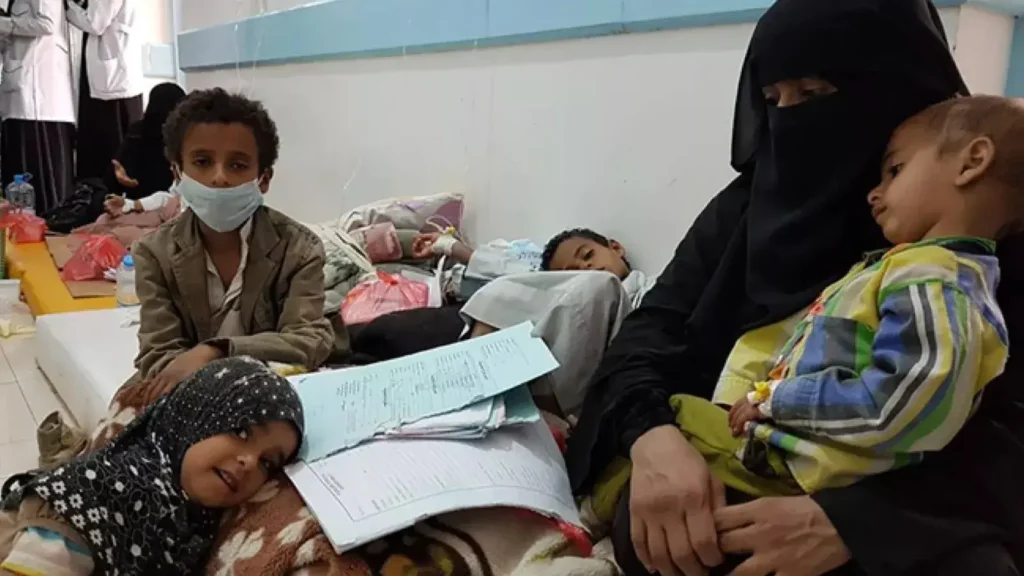
Yemen is grappling with a catastrophic cholera outbreak, accounting for 35% of global cases in 2024. The World Health Organization (WHO) reported 249,900 suspected cases and 861 deaths as of December 1, marking a 37% increase in infections and a 27% rise in fatalities compared to 2023. Arturo Pesigan, WHO’s Representative in Yemen, described the crisis as a severe strain on the nation’s healthcare system. “This outbreak of waterborne diseases like cholera adds further pressure to an already overstretched health system facing multiple disease outbreaks,” Pesigan stated. The epidemic is driven by a lack of clean water, poor sanitation, and inadequate medical facilities. Over 18.2 million Yemenis require humanitarian assistance, and 17.6 million face food insecurity. Among children under five, nearly half suffer from moderate to severe stunting due to malnutrition, exacerbating the outbreak’s impact. Yemen’s healthcare system, battered by years of conflict, has struggled to respond. Cholera, caused by ingesting contaminated water or food, has persisted since its largest outbreak from 2017 to 2020, which saw over 2.5 million cases and 4,000 deaths. The response efforts are critically underfunded, with a $20 million gap in funding for October 2024 to March 2025. This shortfall has led to the closure of 47 diarrhoea treatment centres (DTCs) and 234 oral rehydration centres (ORCs), with more closures anticipated by year-end, potentially eliminating 84% of DTCs nationwide. To control the epidemic, WHO has called for immediate measures, including oral cholera vaccination campaigns, improved disease surveillance, expanded treatment services, and water, sanitation, and hygiene (WASH) initiatives. The ongoing crisis underscores the toll of prolonged conflict and neglect in Yemen, highlighting the urgent need for international solidarity to address systemic issues in water, sanitation, and healthcare access. Source: Newsx Photo Credit: Newsx

Yemen Reports 35% of Global Cholera Cases Amid Severe Humanitarian Crisis Read More »

Mpox Cases in Africa Near 70,000 Mark: Africa CDC Calls for Urgent Action

The Africa Centers for Disease Control and Prevention (Africa CDC) has reported a significant rise in mpox cases across the continent, with the total number surpassing 69,000 this year and fatalities exceeding 1,260. These alarming statistics were shared by Ngashi Ngongo, Chief of Staff at Africa CDC, during an online media briefing on Thursday. According to Africa CDC data, as of this year, 69,211 cases have been reported, including 14,794 confirmed infections and 1,268 deaths. Last week alone saw 3,095 new cases, with 553 confirmed and 31 additional deaths, marking a 789% increase in confirmed cases compared to 2023. Fifteen African countries currently face active mpox transmission, while five nations—Gabon, South Africa, Morocco, Zambia, and Zimbabwe—have recently transitioned to controlled stages of the outbreak. Ngongo emphasized the urgency of intensifying resource mobilization, expanding vaccination campaigns, and enhancing integrated response strategies. Other priorities highlighted by Africa CDC include improving data management systems and addressing co-infections, as 20 African nations remain affected by the outbreak. Ngongo called for collaboration among countries to share best practices and bolster efforts to contain the epidemic. The mpox outbreak was declared a public health emergency of continental security by Africa CDC in mid-August, shortly followed by the World Health Organization designating it a public health emergency of international concern. This marks only the second time in two years that WHO has issued its highest-level alert for the disease. First identified in laboratory monkeys in 1958, mpox—formerly known as monkeypox—is a rare viral disease that spreads through body fluids, respiratory droplets, and contaminated materials. Symptoms include fever, rash, and swollen lymph nodes, posing severe risks to public health in Africa and beyond. Source: Nagalandpost Photo Credit: Nagalandpost

Mpox Cases in Africa Near 70,000 Mark: Africa CDC Calls for Urgent Action Read More »

First Severe U.S. Human Case of H5N1 Bird Flu Reported in Louisiana

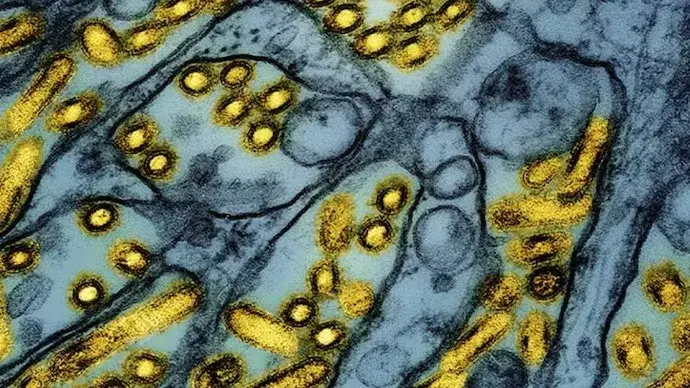
The United States has recorded its first severe human case of H5N1 bird flu, with a Louisiana resident hospitalized after exposure to sick and dead birds in backyard flocks. This case, confirmed by the Centers for Disease Control and Prevention (CDC), marks the first U.S. human infection linked to backyard poultry. Key Highlights: Case Details: The Louisiana patient was exposed to infected birds but symptoms remain undisclosed. This case is part of a broader trend, with over 60 bird flu infections reported in 2023, more than half in California. Undetermined Cases in Other States: Health officials are investigating two additional cases—a Missouri adult and a California child—where the source of infection remains unclear. No Person-to-Person Transmission: Officials have emphasized that bird flu remains primarily an animal health issue. Importantly, there is no documented spread of H5N1 from person to person, keeping the risk to the general public low. Prevention Measures: To reduce the risk of H5 bird flu infection: Avoid exposure to sick or dead birds. Be cautious around backyard poultry flocks. Practice good hygiene if handling birds or their byproducts. Infected birds can shed the virus through saliva, mucous, and feces, while other animals may spread the virus through respiratory secretions. Health officials continue to monitor the situation closely, reaffirming that the risk to the public is minimal but urging caution in handling potentially infected birds. Source: India Today Photo Credit: India Today

First Severe U.S. Human Case of H5N1 Bird Flu Reported in Louisiana Read More »

UAE Healthcare Sets Global Benchmark in Preventive Medicine: M42 CEO

Abu Dhabi, UAE: The UAE healthcare system has established itself as a global leader in preventive medicine, driven by cutting-edge technology, genomic research, and AI-powered healthcare solutions. Speaking to the Emirates News Agency (WAM), Hasan Jasem Al Nowais, Managing Director and Group CEO of M42, highlighted the nation’s advancements underpinned by visionary leadership and collaborative innovation. Driving Healthcare Innovation Al Nowais credited the UAE’s leadership for fostering an ecosystem that integrates advanced hospitals, robotic technologies, genomic science, and artificial intelligence, enabling a shift from reactive treatment to proactive health management. He underscored M42’s collaboration with government entities to revolutionize healthcare by focusing on: Early detection of health risks through data-driven insights Delivering targeted treatments more efficiently Reducing healthcare costs while improving outcomes M42’s Vision for Preventive Care M42 is committed to shifting healthcare paradigms by prioritizing precision, preventive, and predictive medicine. The group also aims to enhance healthy ageing, promote general well-being, and transition to a more sustainable healthcare model. “For meaningful, lasting, and positive change that enhances human longevity worldwide, we must collectively focus on three pillars: precision, preventive, and predictive medicine,” Al Nowais stated, emphasizing the role of AI and genomic science in detecting diseases before symptoms arise. Innovative AI Solutions M42 has introduced several groundbreaking healthcare innovations: Med42: An open-source, large clinical language model AIRIS-TB: An AI-powered system capable of conducting 2,000 chest X-rays daily to combat tuberculosis—ten times the capacity of traditional methods AI in Endoscopy: Enhances the detection of abnormalities and early signs of cancer These technologies signify a leap in diagnostic efficiency and precision, paving the way for personalized care. Genomics and the UAE Genome Programme M42’s Omics Centre of Excellence is spearheading genomic research, including the UAE Genome Programme, which aims to advance precision medicine and proactive health management. These initiatives are crucial for identifying genetic predispositions to diseases, further strengthening the UAE’s position as a leader in genomics-driven preventive healthcare. Global Inspiration Al Nowais concluded by highlighting the UAE’s commitment to setting new global standards in healthcare. Through innovations in AI, genomic science, and cross-sector collaboration, the UAE is shaping a future where preventive medicine and sustainable healthcare become the norm, inspiring countries worldwide. Source: Business Standard Photo Credit: Business Standard

UAE Healthcare Sets Global Benchmark in Preventive Medicine: M42 CEO Read More »

Bain Capital Invests $157 Million in Indonesia’s Mayapada Healthcare

U.S.-based private investment firm Bain Capital has announced a $157 million investment in Indonesia’s Mayapada Healthcare Group, known as Sejahteraraya Anugrahjaya Tbk PT (SRAJ.JK). The deal, part of Bain Capital’s special situations strategy, will support Mayapada’s hospital expansion through both organic growth and strategic initiatives. The investment is Bain Capital’s first in Indonesia, reflecting growing interest in Southeast Asia’s healthcare sector. The firm’s special situations team, managing over $20 billion in assets, combines credit and equity strategies to target high-growth opportunities. Jonathan Tahir, Mayapada’s chairman and Group CEO, highlighted the demographic trends fueling the healthcare market: “Indonesia faces a growing gap between healthcare supply and demand due to demographic shifts like an aging population and rising affluence.” Sarit Chopra, Bain Capital’s partner and head of special situations in Asia, expressed confidence in Mayapada’s potential, noting that the Indonesian private healthcare market is still in its early stages of development. Founded in 2008, Mayapada Healthcare Group operates seven hospitals across Indonesia, including a flagship hospital in South Jakarta with over 1,000 beds. The group plans to increase its capacity to over 2,000 beds by 2027, supported by ongoing projects. Shares of Mayapada Healthcare have soared 747% year-to-date, signaling strong market optimism. The transaction is expected to close in early 2025, subject to regulatory and shareholder approvals. With this investment, Bain Capital taps into Southeast Asia’s rising affluence and aging population, positioning itself in a resilient sector amid global economic challenges. Source: Reuters Photo Credit: Reuters  

Bain Capital Invests $157 Million in Indonesia’s Mayapada Healthcare Read More »

Over 1 in 5 Adults Worldwide Infected with Genital Herpes: WHO

According to the World Health Organization (WHO), over 846 million people aged 15 to 49, or more than one in five individuals in this age group, are living with genital herpes infections globally. These findings, published in the journal Sexually Transmitted Infections, highlight the widespread nature of the infection and underscore the urgent need for improved prevention, treatment, and vaccine development. Each year, an estimated 42 million people contract a new genital herpes infection, equating to one new case every second. While many infections are asymptomatic, over 200 million individuals in 2020 experienced painful genital sores and blisters, often requiring repeated medical visits. Dr. Meg Doherty, WHO’s Director of Global HIV, Hepatitis, and STI Programmes, emphasized the strain on global health systems: “Genital herpes causes pain and distress for millions, and better prevention and treatment options are critical to controlling its spread and reducing its health impacts, including its link to an increased risk of HIV transmission.” The study estimates 520 million people have genital HSV-2, responsible for 90% of symptomatic cases and associated with a three-fold higher HIV risk. An additional 376 million are infected with genital HSV-1, which is increasingly transmitted during adulthood due to declining childhood oral infections. Herpes infections carry significant social and economic burdens. Stigma often silences discussions about the infection, and healthcare costs and productivity losses are estimated at $35 billion annually. WHO advocates consistent condom use and avoiding sexual contact during active outbreaks to reduce transmission. It also recommends HIV testing for individuals with genital herpes and pre-exposure prophylaxis when needed. Research into vaccines and new treatments remains a priority, as these advancements could significantly improve global health outcomes and reduce the stigma surrounding herpes infections. Source: World Health Organization Photo Credit: World Health Organization

Over 1 in 5 Adults Worldwide Infected with Genital Herpes: WHO Read More »

Max Healthcare Hits All-Time High Stock Price of ₹1124.9

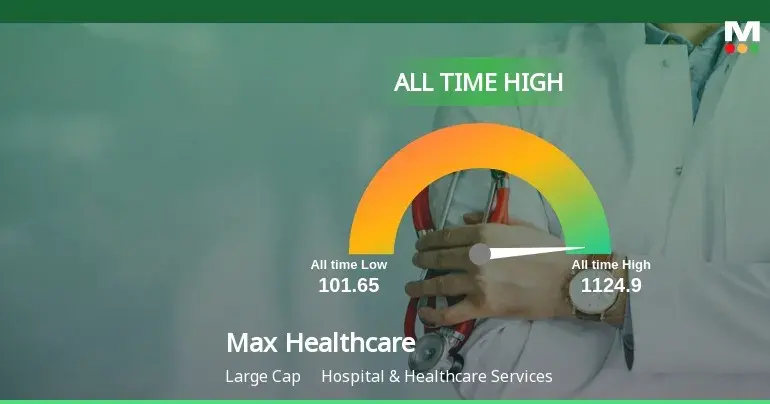
Max Healthcare Institute, a leading provider in the hospital and healthcare services sector, achieved a significant milestone as its stock price reached an all-time high of ₹1124.9 on December 10, 2024. This impressive performance underscores the company’s strong market position and growth potential. Key Highlights Stock Performance: The stock has shown a 15.49% gain over the past 7 days, maintaining consistent upward momentum. Current Recommendation: MarketsMojo has issued a ‘Hold’ call for Max Healthcare, reflecting its steady alignment with the broader market trends. Moving Averages: The stock price exceeds its 5-day, 20-day, 50-day, 100-day, and 200-day moving averages, signaling strong technical performance. Comparative Growth Max Healthcare’s 1-year performance of 64.79% stands out significantly against the Sensex’s 16.72% growth over the same period. This remarkable growth reinforces the company’s robust standing in the healthcare sector. Market Stability The stock’s consistent trading price and long-term upward trajectory highlight its stability and appeal as a reliable investment option. Industry Leadership As a large-cap entity, Max Healthcare Institute continues to set benchmarks in the healthcare services industry, showcasing profitability and resilience. With its current trajectory, the company remains well-positioned for sustained success and growth in the future. Investors and market analysts are closely watching Max Healthcare, which has emerged as a top contender in the healthcare sector, offering both stability and promising returns. Source: marketsmojo Photo Credit: marketsmojo

Max Healthcare Hits All-Time High Stock Price of ₹1124.9 Read More »

MediBuddy Launches BuddyCare to Revolutionize Cashless Healthcare

MediBuddy has unveiled BuddyCare, a networking platform under the India Health Care Collaborators (IHCC) initiative, to strengthen India’s cashless primary healthcare infrastructure. This innovative platform connects insurance companies, healthcare providers, and intermediaries, fostering a robust ecosystem in alignment with India’s ‘Insurance for All by 2047’ vision. BuddyCare offers comprehensive services for insurers, including pre-policy issuance, real-time risk quantification, and seamless post-policy health and wellness service delivery. By integrating advanced fraud-resilient systems like the ‘Sherlock’ Fraud Detection System, BuddyCare enhances transparency and efficiency in outpatient department (OPD) processes. Satish Kannan, Co-founder and CEO of MediBuddy, emphasized the platform’s significance, stating, “IHCC marks a transformative step in redefining healthcare delivery in India. By integrating innovation, collaboration, and quality, we aim to create a universally accessible, cashless, and insurance-integrated healthcare model.” With a network of over 100,000 doctors, IHCC bridges gaps between life, health, and wellness insurance. Leveraging AI-driven tools, the platform improves risk management and service delivery while offering medical consultations, diagnostics, medicine delivery, and concierge support. MediBuddy also extends its reach to Non-Resident Indians (NRIs), ensuring inclusive healthcare solutions. As part of its Corporate Social Responsibility (CSR) initiatives, the company runs paramedical training programs to bolster healthcare infrastructure nationwide. This initiative not only supports MediBuddy’s mission but also aligns with national policy objectives. By integrating technology and strategic partnerships, BuddyCare is set to redefine healthcare delivery across urban and rural India, ensuring greater accessibility, affordability, and efficiency. Source: expresshealthcare Photo Credit: expresshealthcare

MediBuddy Launches BuddyCare to Revolutionize Cashless Healthcare Read More »

Hospitals Secure 50% Share in Healthcare FDI, Driving Sector Growth

Foreign direct investment (FDI) in India’s healthcare sector has seen a significant shift, with hospitals now commanding 50% of the total FDI in FY24, amounting to $1.5 billion. This marks a substantial rise from 24% in FY21, signaling a growing investor preference for hospitals over the traditionally dominant pharmaceuticals sector. Post-Covid, hospitals and diagnostics have emerged as key areas for investment, driven by rising demand for quality healthcare, increased insurance coverage, and untapped potential in underserved regions. The surge has led to high-profile transactions such as Temasek’s $2 billion acquisition of an additional 41% stake in Manipal Hospitals, valuing the chain at $4.8 billion. “The Indian market’s size, high disease burden, and growing insurance penetration make it an attractive destination for investors,” said Sujay Shetty, Global Health Industries Advisory Leader, PwC India. “The hospital sector’s reinvestment in infrastructure further supports its robust growth trajectory.” Prominent hospital chains like Max Healthcare are spearheading expansion plans, with the group investing over ₹5,000 crore to double its capacity in the next three years. Abhay Soi, CMD of Max Healthcare, emphasized the capital-intensive nature of the sector and its critical role in achieving India’s $5 trillion economy target. Investor interest has also been buoyed by successful primary market transactions, including IPOs of six hospital chains, raising around ₹3,600 crore through IPOs and qualified institutional placements (QIPs). This influx of funds is expected to boost bed capacity among the 10 listed hospital firms by 47% over FY24-27, with expansions concentrated in north and south India, according to BNP Paribas analyst Tausif Shaikh. The momentum highlights a transformative era for India’s healthcare landscape, with hospitals at the forefront of FDI-driven growth, paving the way for enhanced healthcare access and infrastructure development nationwide. Source: Times of India Photo Credit: Times of India

Hospitals Secure 50% Share in Healthcare FDI, Driving Sector Growth Read More »

Aster DM and CARE Hospitals Join Forces in India’s Biggest Healthcare Deal

In a landmark healthcare merger, Aster DM Healthcare and Blackstone-backed CARE Hospitals have united to form Aster DM Quality Care, a top-tier player in India’s healthcare industry. With an enterprise value of ₹43,000 crore ($5 billion), the merged entity will rank among India’s top three hospital chains, alongside Apollo and Manipal Hospitals. The merger will consolidate 38 hospitals across 27 cities, with plans to expand capacity to 13,300 beds by FY27, adding 3,500 new beds. Revenue for the combined entity is estimated at ₹7,314 crore. Deal Structure and Shareholding Aster DM will acquire 19 million equity shares of Quality Care India Ltd. (QCIL) from Blackstone and Centella at ₹445.8 per share, issuing 18.6 million shares to QCIL shareholders at ₹456.33 per share. The swap ratio for the merger entails QCIL shareholders receiving 977 Aster shares for every 1,000 QCIL shares. Post-merger, the shareholding structure will see Blackstone holding 30.7%, Aster promoters 24%, and the remaining 45.3% with the public and other shareholders. Leadership and Vision Azad Moopen, founder and chairman of Aster DM Healthcare, will continue as executive chairman of the merged entity, while CARE Hospitals’ Varun Khanna will assume the role of managing director and group CEO. “This merger combines the strengths of two pioneers, creating a transformative force in the healthcare sector. We aim to redefine patient care, innovation, and accessibility,” Moopen stated. Strategic Focus The new entity plans to integrate strengths, expand its footprint, and set benchmarks in patient-centric care. Amit Dixit, Blackstone’s head of Asia Private Equity, highlighted their commitment to scaling the platform into a world-class healthcare institution. Vishal Bali, senior advisor at TPG, praised the partnership as a significant milestone for India’s multi-specialty hospital ecosystem. Regulatory Approvals and Timeline The merger, expected to close by Q3 FY26, is subject to shareholder and regulatory approvals. This deal marks a transformative chapter in India’s healthcare sector, setting the stage for significant advancements in care delivery and infrastructure. Source: Business Standard Photo Credit: Business Standard

Aster DM and CARE Hospitals Join Forces in India’s Biggest Healthcare Deal Read More »