ArdorComm Media Group

Thursday, April 2, 2026 11:03 AM

Health & Wellness Community

50 Senior Doctors Resign from RG Kar Medical College Amid Protests Over Trainee Doctor’s Death

ArdorComm news

In a dramatic escalation of protests at RG Kar Medical College and Hospital, 50 senior doctors resigned on Tuesday, October 8, in solidarity with junior doctors who have been on hunger strike since Saturday. The protests were sparked by the alleged rape and murder of a trainee doctor, which has led to widespread unrest within the medical community. Social media posts and videos shared by hospital staff show senior doctors walking out to applause from students and colleagues. One doctor posted a video of the resignation walkout with a poignant message: “Safety in the workplace is basic. If you can’t ensure that, you have no right to demand services from doctors.” The protest has garnered significant attention, as doctors demand justice for their deceased colleague and call for systemic reforms at the hospital. Earlier in the day, 15 senior doctors had joined their junior counterparts in a symbolic hunger strike, further highlighting the growing frustration with the administration’s inaction. The junior doctors, who have been protesting for several days, are calling for improved security measures, increased staffing, and better working conditions at the hospital. They describe the current situation as being plagued by a “corruption-threat syndicate” and are demanding a safer, more transparent healthcare environment. Among their key demands are the implementation of a centralized hospital referral system, real-time monitoring of bed availability, and stronger security measures, including permanent female officers on campus. The mass resignation of senior doctors reflects the rising tension at RG Kar Medical College, with many doctors expressing disappointment in the lack of response from authorities. In a joint statement, the medical staff expressed their frustration: “There has been no response from the appropriate authority to solve and save our children from an impending health disaster.” Source: Business Standard

50 Senior Doctors Resign from RG Kar Medical College Amid Protests Over Trainee Doctor’s Death Read More »

Tamil Nadu Health Department Wins UN Award for ‘Makkalai Thedi Maruthuvam’ Scheme

ArdorComm news

Tamil Nadu’s Health and Family Welfare Department has been awarded the prestigious ‘UN Interagency Task Force Awards (UNIATF) for 2024’ for its flagship healthcare initiative, Makkalai Thedi Maruthuvam. The award, announced under the category of Ministries of Health, recognizes the state’s exemplary efforts in addressing Non-Communicable Diseases (NCDs) through innovation and technology. Health Minister Ma. Subramanian, in a press release on Monday, celebrated the recognition, emphasizing that the scheme has significantly improved access to healthcare for vulnerable populations by delivering comprehensive home-based services. The programme strengthens the health system for NCDs at all levels, providing treatment and follow-up care directly to beneficiaries’ doorsteps. Chief Minister M.K. Stalin lauded the success of Makkalai Thedi Maruthuvam, which has benefitted over 1.80 crore people, in a post on X (formerly Twitter). He praised the initiative for transforming lives and delivering essential healthcare to the masses. The Chief Minister also congratulated the Health Department, including its doctors, nurses, and staff, for their relentless efforts in making the scheme a success. Minister Subramanian hailed the award as a validation of the department’s work and a motivation to continue addressing NCD challenges. He noted that the recognition would inspire further efforts toward improving control rates and managing complications related to NCDs. The UNIATF awards are granted annually to acknowledge outstanding contributions in NCD and mental health management. Tamil Nadu’s Health Department was one of 14 global organizations honored at the 79th UN General Assembly in New York on September 25. Source: The Hindu

Tamil Nadu Health Department Wins UN Award for ‘Makkalai Thedi Maruthuvam’ Scheme Read More »

CCI Approves Mankind Pharma’s Acquisition of Bharat Serums and Vaccines in Rs 13,630 Crore Deal

In a significant development for the Indian pharmaceutical industry, the Competition Commission of India (CCI) has officially approved Mankind Pharma Ltd’s acquisition of Bharat Serums and Vaccines Limited (BSV). This acquisition, valued at Rs 13,630 crore, marks a major strategic move for Mankind Pharma, the fourth-largest pharmaceutical company in India by market share. The proposed transaction involves the complete acquisition of 100% shareholding in BSV, a company well-known for its focus on women’s health, critical care, and fertility treatments. Mankind Pharma had announced the deal earlier in July 2024, acquiring BSV from Advent International, one of the world’s largest private equity investors. The acquisition is expected to strengthen Mankind Pharma’s position in the women’s health and fertility drug market, giving it access to complex R&D platforms and high-entry barrier products in critical care. The definitive agreement reached between the two companies positions Mankind Pharma to further expand its presence in the healthcare sector, offering a wide range of pharmaceutical formulations and healthcare products. Mankind Pharma is engaged in the development, manufacturing, and marketing of pharmaceutical products in both acute and chronic therapeutic areas, including consumer healthcare products. Meanwhile, BSV specializes in biotech, biological formulations, and emergency medicines, with a focus on women’s health and in-vitro fertilization (IVF). Shares of Mankind Pharma saw a slight dip following the announcement, closing at Rs 2576.75 per share on the BSE, reflecting a 2.19% decline. This acquisition reinforces Mankind Pharma’s commitment to growth and innovation, aligning with its goal of expanding its product portfolio in the Indian healthcare landscape. Source: The Hindu

CCI Approves Mankind Pharma’s Acquisition of Bharat Serums and Vaccines in Rs 13,630 Crore Deal Read More »

Community Health Camps in Pune Cancelled Amid Disease Outbreak

Amid a surge in vector-borne diseases like chikungunya and dengue, community health camps scheduled in Pune have been cancelled. The rising number of patients has led to hospitals operating at full capacity, creating a shortage of beds and staff, officials said. Dr. Vaibhav Gaikwad, district coordinator of the MPJAY and PMJAY health schemes, confirmed that while over 100 health camps had been held to date, the recent outbreak forced the cancellation of camps planned for the last week of September in Pune. However, rural areas and Pimpri-Chinchwad continue to host camps as per directives, with hopes of resuming city camps once the situation stabilizes. Hospitals and medical colleges were earlier instructed to organize free community health camps under government orders, with specific targets based on their size. However, many hospitals, including Noble Hospital and Jehangir Hospital, cite staff shortages and a high influx of serious patients, making it difficult to conduct these camps. Dr. Sanjay Patil, chairman of the Hospital Board of India’s Pune Chapter, emphasized that private hospitals are overwhelmed, further complicating the situation. Many healthcare workers have also fallen ill, exacerbating the strain on hospital resources. Source: Hindustan Times

Community Health Camps in Pune Cancelled Amid Disease Outbreak Read More »

South Korea Advances Medical Data Exchange and AI-Driven Healthcare Research

South Korea’s Ministry of Health and Welfare (MOHW) is making significant strides in improving medical data exchange as part of its broader mission to enhance the use of health data across hospitals. These efforts include the ongoing development of the Korea Core Data for Interoperability and Transmission standards, alongside the implementation of the digital health record platform MyHealthway, now in its second phase. In addition to these initiatives, South Korea is set to launch a national project this year aimed at integrating the biological data of nearly 800,000 individuals. This ambitious project seeks to enhance health research and innovation by providing a vast pool of biological and medical data for analysis. The MOHW, in collaboration with the Korea Health Information Service, is also working on data-sharing agreements with major hospitals to promote the use of medical data for research purposes. This project aims to foster better utilization of medical information to drive forward medical innovations and improve patient outcomes. In a further push for innovation, an MOHW-led committee recently unveiled a four-year roadmap for establishing a robust medical AI research and development ecosystem. The roadmap emphasizes the need to invest in AI for essential medical care, including emergency services, major diseases, cancer treatment, and the development of AI-powered digital therapeutics, surgical robots, and AI-driven drug discovery. A key component of this roadmap is the creation of a unified healthcare data platform to support ongoing medical AI research. The platform is expected to streamline collaboration among researchers, hospitals, and tech developers, positioning South Korea as a leader in medical AI and healthcare innovation. Source: healthcareitnews

South Korea Advances Medical Data Exchange and AI-Driven Healthcare Research Read More »

Antibiotic-Resistant Infections Could Kill 40 Million by 2050, Study Warns

A new study published in The Lancet warns that nearly 40 million people could die from antibiotic-resistant infections by 2050, as antimicrobial resistance (AMR) continues to rise globally. The study, led by researchers from the Institute for Health Metrics and Evaluation at the University of Washington, found that deaths from antibiotic-resistant infections have been steadily increasing since 1990 and are expected to accelerate in the coming decades. Senior author Christopher J.L. Murray called AMR a “big problem” that is here to stay. The study revealed that older adults are particularly vulnerable to these infections, with the number of AMR-related deaths among individuals aged 70 and older increasing by over 80% between 1990 and 2021. By 2050, deaths among seniors are expected to double, potentially surpassing those in all other age groups as the global population ages. The study, which analyzed 520 million data points from 204 countries, projected that around 39 million deaths from antibiotic-resistant infections could occur over the next 25 years, averaging about three deaths per minute. Regions like South Asia and sub-Saharan Africa are expected to bear the heaviest burden, with South Asia alone projected to account for 11.8 million deaths. Lead author Kevin Ikuta highlighted the role of antibiotic overuse and misuse in driving bacterial resistance. He emphasized the importance of better antibiotic stewardship to balance access to life-saving antibiotics while preventing their overuse. Experts like Ishani Ganguli from Harvard Medical School also stressed the need for reducing unnecessary antibiotic prescriptions, particularly for viral infections. The study calls for urgent global action to combat antibiotic resistance by improving infection prevention, promoting responsible antibiotic use, and developing new treatment options. Without these steps, the world faces a growing public health threat that could jeopardize common medical procedures and treatments. Source: NDTV

Antibiotic-Resistant Infections Could Kill 40 Million by 2050, Study Warns Read More »

Telangana Farmers Suffer Severe Health Issues Due to Pesticide Exposure, Study Finds

Farmers in Telangana are facing severe health challenges due to overexposure to pesticides, with many afflicted by respiratory diseases, skin irritations, asthma, and even chronic conditions such as Alzheimer’s and cancer, according to a recent study. Conducted by researchers from the Indian Council of Medical Research-National Institute of Nutrition and Osmania University, the study titled Biomonitoring of Pesticide Exposure and Its Health Implications in Agricultural Areas of Telangana, India highlights the alarming impact of pesticide overuse. The research, published by Elsevier, examined 493 farmers across Telangana, with 341 identified as part of the exposure group and 152 as the control group. Blood and urine tests revealed significantly elevated levels of pesticide residues in exposed farmers, including 28 different types of pesticides. Notably, 11 of these pesticides are classified as highly hazardous by the World Health Organization (WHO) guidelines. Pesticide overuse has become a prevalent issue, especially among commercial growers who prioritize profit over safety. This has led to unsafe handling practices, lack of awareness regarding risks, and the use of banned chemicals. The exposed farmers were found to have higher levels of dialkyl phosphate (DAP) metabolites, indicating direct pesticide exposure, and lower levels of acetylcholinesterase enzymes, suggesting potential neurological damage. The study also revealed widespread unsafe practices, such as using bare hands to mix pesticides and improper storage and disposal, which increase the health risks for farmers. Researchers are advocating for the adoption of Integrated Pest Management (IPM) practices, such as using biopesticides, improved seed varieties, and more efficient irrigation and fertilization methods. Additionally, the study calls for regular biomonitoring and the use of personal protective equipment to minimize direct exposure to harmful pesticides. The findings emphasize the urgent need for better safety regulations and sustainable farming practices to protect the health of farmers in Telangana. Source: Times of India

Telangana Farmers Suffer Severe Health Issues Due to Pesticide Exposure, Study Finds Read More »

UK Doctors Agree to 22.3% Pay Rise, Ending Strikes

Junior doctors in England have accepted a 22.3% pay increase proposed by the government, officially ending a series of strikes that disrupted patient care over the past 18 months. The strikes were sparked by dissatisfaction with below-inflation wage increases since 2010 and the rising cost of living. The British Medical Association’s (BMA) Junior Doctors’ Committee confirmed that 66% of its members voted in favor of the pay offer. The deal was presented by the new Labour government soon after it took power in July, aiming to end the industrial action that saw junior doctors stage 11 walk-outs. Committee co-chairs Robert Laurenson and Vivek Trivedi acknowledged the deal as a positive step, stating it marked “the end of 15 years of pay erosion” and “the beginning of two years of modest above-inflation pay rises.” However, they also highlighted that doctors remain 20.8% behind in real terms compared to 2008. Health Secretary Wes Streeting welcomed the agreement, emphasizing that the government is addressing the issues left by the previous Conservative administration. He expressed relief that future strikes were averted ahead of winter, a period when the NHS typically faces heightened pressure due to seasonal illnesses. The junior doctors’ strikes were part of a wider wave of public and private sector walk-outs over pay and working conditions as inflation rates surged. Some junior doctors, despite having years of experience, complained that they were paid less per hour than coffee shop workers. The Labour government, while rejecting the BMA’s initial demand for a 35% “pay restoration,” moved quickly to resolve the dispute. In addition to the pay increase, Health Secretary Streeting also agreed to rename “junior doctors” as “resident doctors” to better reflect their expertise. Source: Health. Economic Times

UK Doctors Agree to 22.3% Pay Rise, Ending Strikes Read More »

Karnataka Health Department Partners with NIMHANS for Suicide Prevention Program

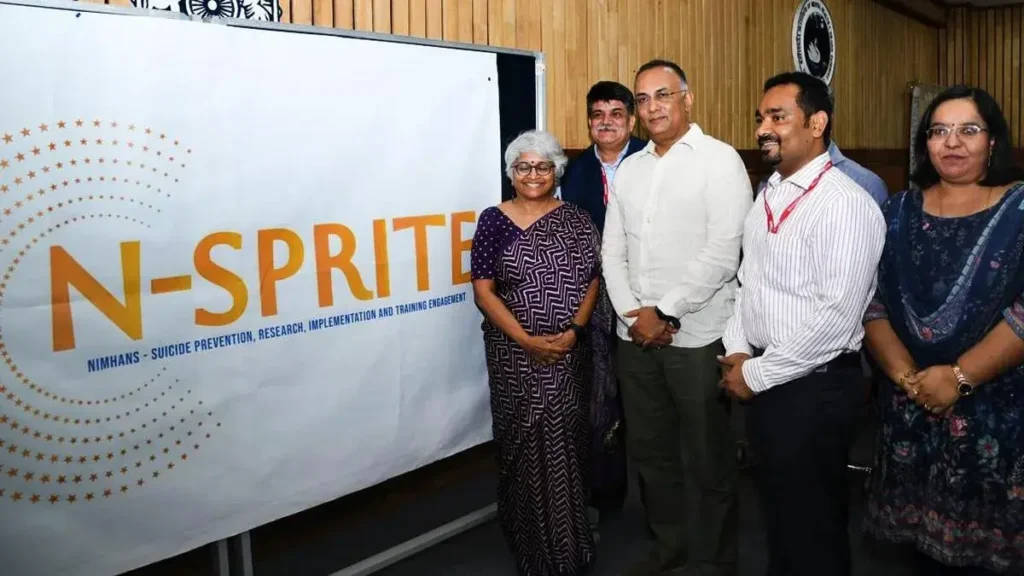
The Karnataka Health Department announced its collaboration with the National Institute of Mental Health and Neurosciences (NIMHANS) to develop a comprehensive suicide prevention program. The initiative, which aims to tackle the rising suicide rates in the state, was unveiled by Health Minister Dinesh Gundu Rao during the launch of the N-SPRITE Centre (NIMHANS Suicide Prevention, Research, Implementation, and Training Engagement) at NIMHANS in Bengaluru on Tuesday. Emphasizing the importance of a coordinated approach, Minister Rao highlighted that while the state already runs several mental health initiatives like the Karnataka Brain Health Initiative (KaBHI) and the District Mental Health Programme, a targeted suicide prevention strategy is needed. The collaboration with NIMHANS will focus on studying vulnerabilities to self-harm across various groups, including students, and implementing evidence-based interventions. “NIMHANS has a wealth of expertise in mental health research and intervention strategies, making them an ideal partner in this mission. By involving multiple government departments, we aim to create a holistic and effective program that addresses the root causes of suicide and offers support to those in need,” said Rao. The N-SPRITE Centre at NIMHANS will serve as the hub for this collaborative effort, integrating research, training, and implementation to create sustainable and impactful prevention strategies. The program will also include awareness campaigns, community engagement, and the training of healthcare professionals to better identify and manage individuals at risk. The initiative comes ahead of World Suicide Prevention Day on September 10, a global observance dedicated to raising awareness about suicide and promoting preventive measures. Minister Rao’s announcement underscores the state’s commitment to enhancing mental health support and reducing suicide rates through a multi-faceted approach. With rising concerns about mental health and the increasing incidence of suicides among vulnerable groups, Karnataka’s partnership with NIMHANS is a significant step towards fostering a supportive environment for mental well-being. Source: Indian Express

Karnataka Health Department Partners with NIMHANS for Suicide Prevention Program Read More »

Union Health Ministry Issues Mpox Guidelines to States, Focuses on Screening and Testing Suspected Cases

Amid rising concerns about the spread of mpox, Union Health Secretary Apurva Chandra has issued new guidelines to all states, emphasizing the need for rigorous screening and testing of suspected cases. The health ministry’s directive comes after a suspected case was reported in Delhi, marking India’s first alert since the disease was classified as a Public Health Emergency of International Concern (PHEIC) by the World Health Organization (WHO). The guidelines focus on four key steps for states to follow: Surveillance Training: States are instructed to train state and district-level surveillance teams on identifying suspected, probable, and confirmed mpox cases. Contact tracing and enhanced surveillance activities are crucial for early detection and containment. Healthcare Worker Training: Healthcare workers in clinics treating skin and sexually transmitted infections, along with those involved in the government’s HIV control program, must be trained on the signs, symptoms, and clinical management of mpox, while strictly adhering to isolation protocols. Screening and Testing: States are urged to carry out screening and testing of suspected cases, particularly among vulnerable groups such as men who have sex with men and sex workers. Testing facilities should be integrated into hospitals and identified HIV control program sites. Clear Communication: Effective communication about the risks of mpox is critical. The guidelines stress informing healthcare workers, hospital areas, and communities about the modes of transmission, symptoms, and the importance of timely reporting without inciting panic. The ministry has also asked states to identify isolation facilities for treating suspected and confirmed mpox cases. With a significant proportion of global cases being reported among people with HIV, state AIDS control societies have been asked to remain vigilant and monitor any emerging cases. The health ministry’s letter highlights the atypical spread of the deadlier Clade Ib of mpox through sexual contact, a shift from traditional transmission methods. The virus is predominantly affecting young men aged 18-44 years and is primarily spread through sexual and non-sexual close contact. Common symptoms include rashes, particularly on the body or genital region, and fever. Although India has reported 30 cases of the older mpox strain since 2022, the risk of sustained transmission within the country remains low, according to experts. The government continues to stress that while the situation requires vigilance, public panic should be avoided, and the focus should remain on prevention, awareness, and timely medical intervention. Source: Indian Express

Union Health Ministry Issues Mpox Guidelines to States, Focuses on Screening and Testing Suspected Cases Read More »