ArdorComm Media Group

Friday, February 20, 2026 11:15 AM

Health & Wellness Community

Health Ministry Issues Alert on Covid-19 Subvariant JN.1: Guidelines and Concerns Amid Rising Cases

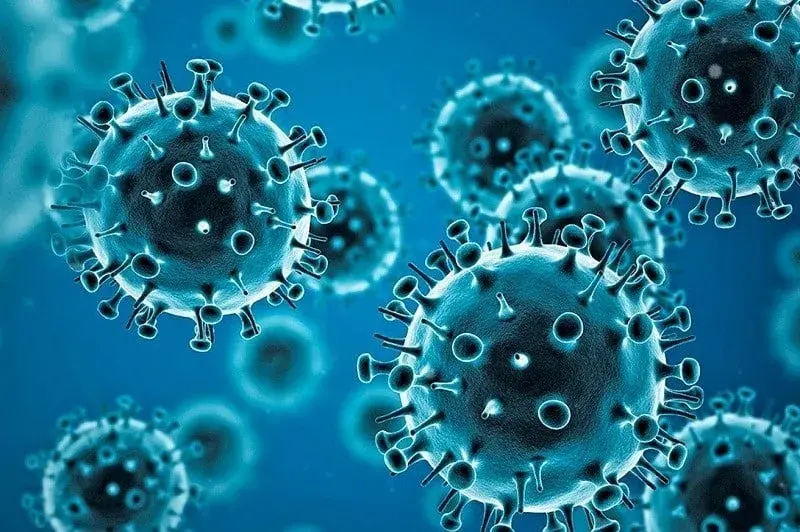
The Indian government has issued an alert to states regarding the emergence of the new Covid-19 subvariant, JN.1, as cases continue to rise in Kerala and 15 cases have been detected in samples from Goa. The Health Ministry emphasized that it is not yet clear whether an infection caused by JN.1 produces different symptoms or is more severe than other variants. The ministry stated that there is currently no indication of increased severity from JN.1, and there is no evidence that it presents an increased risk to public health compared to other circulating variants. Experts, including Dr. GC Khilnani, reassured that the elderly and those with comorbidities are not at an increased risk compared to other variants. General precautions such as handwashing and avoiding crowded areas during the festive season are recommended. The existing treatment for COVID-19 is expected to be effective against JN.1, and updated COVID-19 vaccines are expected to provide increased protection. RT-PCR tests remain the most reliable method for detecting the new subvariant. As the festive season approaches, the Health Ministry stressed the importance of adhering to respiratory hygiene norms, including wearing masks in enclosed and crowded spaces, frequent handwashing, and social distancing. States, such as Karnataka, are taking additional measures, mandating face masks for the elderly and those with comorbidities. The Health Ministry is conducting intensified surveillance at various levels, including laboratories, communities, and sewage, to monitor and report cases of influenza-like illness and Severe Acute Respiratory Illness. The global concern over JN.1 is due to its immunity-evading capacity, leading to rapid spread, with outbreaks reported in the US, China, and Singapore. JN.1 is a descendant of the BA.2.86 lineage of SARS-CoV-2.

Health Ministry Issues Alert on Covid-19 Subvariant JN.1: Guidelines and Concerns Amid Rising Cases Read More »

Cipla Boosts Digital Health with Major Investment in GoApptiv

Cipla Limited, a leading pharmaceutical company, has announced a further investment of approximately Rs. 42 crore in the digital tech company GoApptiv Private Limited. This move aims to bolster Cipla’s presence in the healthcare sector, particularly in underserved regions of India, by enhancing access to life-saving treatments. With the completion of this investment round, Cipla’s total stake in GoApptiv will rise to 22.99 percent on a fully diluted basis. This marks Cipla’s third investment in GoApptiv, demonstrating a continued commitment to supporting the digital tech company’s expansion in underpenetrated areas and product lines. The investment will be made in a combination of equity shares and compulsorily convertible preference shares. Cipla’s collaboration with GoApptiv has already yielded positive results in increasing penetration in underserved rural areas of India and addressing critical healthcare gaps where pharmaceutical coverage is limited. The expansion of this partnership aligns with Cipla’s strategy in the era of technology-driven healthcare, aiming to deliver patient-centric solutions and advance its digitization agenda for the next phase of growth. Umang Vohra, MD and Global CEO of Cipla Limited, emphasized the significance of the long-standing partnership with GoApptiv in addressing healthcare disparities. He stated, “In this era of technology-driven healthcare, this expanded investment will help us deliver patient-centric solutions and further strengthen our digitization agenda to drive Cipla’s next phase of growth.” GoApptiv, known for using technology to provide quality and affordable healthcare, shares Cipla’s commitment to making a positive impact on communities through innovative solutions. The current investment round is expected to deepen the collaboration between Cipla and GoApptiv, focusing on addressing healthcare disparities in underserved regions of India.

Cipla Boosts Digital Health with Major Investment in GoApptiv Read More »

Deepti Gaur Mukerjee Takes the Helm as CEO of National Health Authority

news on health

The National Health Authority (NHA) has officially appointed Deepti Gaur Mukerjee as its new Chief Executive Officer (CEO). The announcement was made on Wednesday, marking the beginning of a new era for the apex body responsible for overseeing the implementation of the government’s flagship health initiatives. Deepti Gaur Mukerjee, a 1993 batch Indian Administrative Service (IAS) officer from the Madhya Pradesh cadre, brings a wealth of experience and expertise to her new role. The NHA took to social media, particularly Twitter, to share the news with the public. The official NHA Twitter account posted, “We are delighted to extend the warmest welcome to Smt. Deepti Gaur Mukerjee, IAS as CEO, [MP:93], NHA,” NHA tweeted.” We are delighted to extend the warmest welcome to Smt. Deepti Gaur Mukerjee, IAS [MP:93] as CEO, NHA. — National Health Authority (NHA) (@AyushmanNHA) December 13, 2023 Mukerjee takes over the reins from Dr. Ram Sewak Sharma, who stepped down earlier this year after completing his tenure on January 31, 2023. Dr. Sharma had been appointed as the CEO of the NHA in February 2021. During his tenure, the NHA played a crucial role in implementing key healthcare initiatives, including the Ayushman Bharat Pradhan Mantri Yojana (AB PM-JAY), a flagship health insurance scheme, and the Ayushman Bharat Digital Mission (ABDM), aimed at integrating digital health infrastructure across India. The appointment of Deepti Gaur Mukerjee is expected to bring fresh perspectives and strategic leadership to the NHA as it continues its mission to enhance healthcare accessibility and affordability for all citizens. As the nation grapples with ongoing healthcare challenges, Mukerjee’s role becomes pivotal in steering the NHA towards achieving its objectives and contributing to the overall improvement of India’s healthcare landscape. The healthcare community and the public eagerly await the impact of Mukerjee’s leadership on the nation’s health policies and initiatives.

Deepti Gaur Mukerjee Takes the Helm as CEO of National Health Authority Read More »

Max Healthcare Institute Expands Footprint with Rs 940 Crore Acquisition of Starlit Medical Centre

Max Healthcare Institute (MHIL) has taken a significant step towards broadening its presence in Tier I and II cities by finalizing the acquisition of Starlit Medical Centre. The transaction, facilitated through MHIL’s subsidiary, Crosslay Remedies, comes with an enterprise value of Rs 940 crore. Currently managing 17 healthcare facilities across Delhi-NCR, Haryana, Punjab, Uttarakhand, and Maharashtra, Max Healthcare operates with 3,533 beds. With the inclusion of Starlit Medical Centre, the total bed count is expected to reach approximately 4,083 beds. MHIL has ambitious plans for the financial year 2023-24, intending to add 300 beds, with a broader vision of surpassing 4,000 additional beds in the next four years. Starlit Medical Centre, through a business transfer agreement, has acquired the 550-bed Sahara Hospital in Lucknow. The tertiary care facility, spanning 27 acres in Gomti Nagar, holds accreditations from the National Accreditation Board for Testing and Calibration Laboratories (NABL) and the National Accreditation Board for Hospitals & Healthcare Providers (NABH). The facility offers a spectrum of healthcare services, encompassing gastroenterology, neurology, surgery, cardiology, pulmonology, and diagnostics. Max Healthcare’s strategic acquisition in Lucknow marks its entry into the city, where it plans to introduce medical programs such as oncology and organ transplants while reinforcing existing programs in orthopedics, cardiac sciences, neurosciences, and renal sciences. Abhay Soi, Chairman and Managing Director of Max Healthcare Institute, expressed excitement about the acquisition, aligning with the institute’s strategy to establish a presence in developed healthcare ecosystems of new Tier I/II cities. Through this venture, Max Healthcare aims to provide quality healthcare to the people of Uttar Pradesh. The acquisition encompasses a 17-storey building, and the hospital, currently serving around 200,000 patients annually, boasts a revenue run rate of Rs 200 crore for the fiscal year 2023-24.

Max Healthcare Institute Expands Footprint with Rs 940 Crore Acquisition of Starlit Medical Centre Read More »

AIIMS Delhi Identifies Cases of ‘Walking Pneumonia’-Causing Bacterium; Ministry Dismisses Link to China’s Recent Outbreak

The All India Institute of Medical Sciences (AIIMS) in Delhi has identified seven cases of Mycoplasma pneumoniae, the bacterium associated with ‘Walking Pneumonia.’ The cases were detected between April and September this year and were reported in a study published in the Lancet Microbe journal. Notably, ‘Walking Pneumonia’ cases have been reported globally since October, including in China. Contrary to concerns about a link to the recent surge in respiratory infections in children, especially in China, the Union Health Ministry clarified that these seven cases have no connection to the ongoing outbreaks. The ministry stated that the cases were part of an ongoing study at AIIMS Delhi, spanning April to September 2023, and reassured the public that there’s no cause for worry. The ministry emphasized that no Mycoplasma pneumonia was detected in the 611 samples tested at AIIMS Delhi from January 2023 to the present, and there has been no surge reported in any part of India. AIIMS Delhi is part of a global consortium monitoring the spread of Mycoplasma pneumoniae, and the surveillance is conducted only at specific centers, including AIIMS Delhi. The study highlighted the re-emergence of Mycoplasma pneumoniae in Europe and Asia more than three years after the introduction of COVID-19 pandemic restrictions. ‘Walking Pneumonia’ is a milder form of bacterial infection that resembles a cold, allowing infected individuals to continue with daily activities. The infection is particularly risky for individuals aged 2 or younger, 65 or older, those with weakened immune systems, chronic respiratory conditions, or exposure to crowded places. Symptoms include sore throat, fatigue, chest pain, low-grade fever, chills, cough, sneezing, and headache. Preventive measures recommended by health experts include proper respiratory hygiene, regular handwashing, wearing masks around sick individuals (especially for those with respiratory conditions), getting an annual flu shot, avoiding smoking and secondhand smoke, and timely medical intervention using antibiotics and over-the-counter medicines. The Union Health Ministry continues to collaborate with state health authorities, closely monitoring the situation and providing timely updates to the public.

AIIMS Delhi Identifies Cases of ‘Walking Pneumonia’-Causing Bacterium; Ministry Dismisses Link to China’s Recent Outbreak Read More »

WHO Appeals for Urgent Protection of Gaza’s Health System Amid Escalating Hostilities

news on health

As the conflict in Gaza intensifies once again, the World Health Organization (WHO) has issued a dire appeal for the protection of the health system from further attacks and degradation of its capacity. The organization expresses grave concern over the resumption of hostilities, including heavy bombardment in Gaza, emphasizing the urgent need for Israel to adhere to the laws of war and safeguard civilians and critical infrastructure, especially hospitals. The current situation in southern Gaza is particularly alarming, as immediate evacuation orders force civilians into smaller areas. With dwindling access to essential supplies and concerns for the safety of health workers during movements, WHO and its partners are finding it increasingly challenging to provide support. The escalating military ground operations in southern Gaza, notably in Khan Younis, raise fears of cutting off thousands of people from essential healthcare. This includes access to Nasser Medical Complex and European Gaza Hospital, the main healthcare facilities in the region, amid a growing number of wounded and sick individuals. With approximately 1.9 million people—nearly 80% of Gaza’s population—estimated to be internally displaced, recent evacuation orders cover significant portions of Khan Younis and surrounding areas. The number of functioning hospitals has dramatically decreased from 36 to 18 in less than 60 days, severely straining the already overwhelmed health system. During a recent visit to Nasser Medical Complex, the WHO team described the situation as catastrophic, with overcrowded facilities, shortages of health workers, and an overwhelmed emergency ward. Disease surveillance systems are hampered, and there are reports of increases in infectious diseases, including acute respiratory infections, scabies, jaundice, diarrhoea, and bloody diarrhoea. WHO recorded an alarming 203 attacks on healthcare facilities from October 7 to November 28, including hospitals, ambulances, and medical supplies, while also highlighting the detention of healthcare workers. The organization deems these attacks unacceptable and emphasizes the urgent need for a sustained ceasefire to address the unfolding humanitarian crisis. On December 3 alone, reports indicate 349 people killed and 750 injured. The bed occupancy rate at operational hospitals stands at 171%, with intensive care units reaching an occupancy rate of 221%. The Nasser Medical Complex and European Gaza Hospital are currently three times beyond their intended capacities, with thousands seeking shelter. The WHO underscores the critical importance of protecting civilians and civilian infrastructure, calling for immediate measures to halt the escalating crisis in Gaza.

WHO Appeals for Urgent Protection of Gaza’s Health System Amid Escalating Hostilities Read More »

Free Health Camp in Doda, J&K, Provides Vital Support to Pregnant Women

On December 4, Doda, Jammu and Kashmir, a free medical camp was held. The event, which aimed to raise knowledge about the many health plans provided by the central government, acted as a source of encouragement for the local population. The medical camp’s unique attention on the health of pregnant women was one of its main features. Recognizing the special healthcare needs of expectant moms, the organizers made certain that instructive workshops on immunization and many areas of maternal and child health were held. Furthermore, a dedicated team of doctors, including seasoned gynaecologists and orthopaedics, was present to provide critical medical assistance. The organizers extended home services in an effort to reach out to folks who may have difficulty accessing traditional healthcare institutions. This effort attempted to ensure that pregnant women, particularly those in distant or difficult-to-reach places, had the medical attention and support they required. The medical camp not only addressed the community’s immediate healthcare needs, but it also acted as a platform to educate locals about the many health systems offered by the central government. The event aimed to empower individuals to make informed health decisions by spreading information about accessible resources and services. Residents of Doda expressed gratitude for the quick and thorough healthcare support provided by the program. As the central government prioritizes public health, events like this are critical in bridging the gap between healthcare services and the people they seek to serve. This medical camp’s success in Doda serves as a model for future endeavors, demonstrating the positive influence of community-focused healthcare programs in boosting overall well-being.

Free Health Camp in Doda, J&K, Provides Vital Support to Pregnant Women Read More »

Controversial ‘Pay Clinic’ Proposal Sparks Concerns Over Privatization of Health Sector

The Punjab Health Department is thinking about implementing a “Pay Clinic” model. A private practice within government health facilities would be an option for specialists under this proposed scheme, with fees collected going to the doctors, support staff, and the facilities themselves. India’s Doctors for Peace and Development (IDPD) have serious concerns about the ‘Pay Clinic’ initiative, despite the government’s claim that it is meant to maintain specialist and super-specialist services in the public sector. As per the doctors’ body, this initiative is viewed as a cautious attempt to weaken the public health system, which could lead to the eventual privatization of the health sector. Critics contend that the comparatively low pay scale in the state is the main reason why physicians choose to work in private practices. The president of IDPD, Dr. Arun Mitra, claims that it is unsustainable for the government to claim that this program will support specialists. He contends that improving public hospitals’ facilities and infrastructure will be crucial to finding a workable solution by drawing in more medical professionals. The ‘Pay Clinic’ system that is being proposed would permit physicians to hold private consultations on hospital property after regular business hours. Dr. Mitra underlines that the government’s inability to draw physicians to state services as a result of insufficient health spending is the main problem. He highlights the need for more public investment in health care even more by pointing out that Punjab has the highest out-of-pocket health care costs in the nation. Another IDPD member, Dr. Indervir Gill, expresses worries about the possible effects on lower-class communities. Due to financial limitations, this population, which was previously dependent on state facilities, may now experience increased financial burdens. Dr. Gill cites guidelines from the World Health Organization that state governments ought to devote at least 5% of their GDP to the health sector. He draws attention to the fact that the Punjabi government, which ranks lowest in the NITI Aayog Index for healthcare allocation, and the Union government both fall short of this standard.

Controversial ‘Pay Clinic’ Proposal Sparks Concerns Over Privatization of Health Sector Read More »

BMC Unveils ₹1,500 Crore ‘Healthcare at Doorstep’ Initiative: Digital Health Mission to Transform Medical Services in Maharashtra

The Brihanmumbai Municipal Corporation (BMC) in Maharashtra is planning to launch a groundbreaking healthcare initiative with a 1,500 crore budget. The ‘Chief Minister Health at Doorstep Scheme,’ which aims to reduce out-of-pocket healthcare costs, is expected to provide a wide range of medical services directly to residents. Sudhakar Shinde, BMC Additional Municipal Commissioner, announced the initiative at the CII Hospital Tech summit, emphasizing the importance of diagnostics for people over the age of 60. The scheme will include services such as doorstep delivery of over 4,500 drug-consumable items, as well as blood sample collection. BMC’s commitment to healthcare is reflected in its allocation of 15% of its budget to the sector, which is higher than the percentage allocated by most states in the country. Shinde urged industry to help with the initiative by providing skilled medical professionals, IT support, and innovative solutions. Collaboration with the private sector is critical to the program’s success in providing quality healthcare to Mumbai residents. N Nawin Sona, Principal Secretary of the Maharashtra Government’s Public Health Department, emphasized the importance of technology adoption in order to reduce healthcare costs. He outlined the government’s plan to improve healthcare access, accountability, and affordability. Sona also emphasized the importance of health data alignment between the public and private sectors, as well as the establishment of a health registry. The Maharashtra Government is actively pursuing the Digital Health Mission in line with its commitment to technological advancements in healthcare. The government intends to work with the private sector to carry out this mission, emphasizing the importance of public-private partnerships in transforming healthcare delivery. The initiative is a forward-thinking approach that leverages technology to improve healthcare services and make them more convenient and affordable for Maharashtra residents.

BMC Unveils ₹1,500 Crore ‘Healthcare at Doorstep’ Initiative: Digital Health Mission to Transform Medical Services in Maharashtra Read More »