ArdorComm Media Group

Friday, February 20, 2026 3:03 PM

Health & Wellness Community

Polio Remains a Public Health Emergency of International Concern: WHO

The World Health Organization (WHO) has issued a report stating that the risk of the poliovirus spreading internationally remains a significant concern for public health. Currently, there are no travel restrictions in place for Pakistan. The potential for the international transmission of Wild Poliovirus type 1 (WPV1) in Pakistan, Afghanistan, and Africa is influenced by various factors. One of the reasons for polio transmission in Pakistan is the ongoing spread of the virus from eastern Afghanistan across the border. Additionally, there is a worrisome number of unvaccinated children in southern Afghanistan, posing a continuous risk of WPV1 reintroduction in that region. The report highlights suboptimal immunization coverage during vaccination campaigns in southeastern Africa, specifically in Malawi, Mozambique, Zambia, and Zimbabwe, which may lead to insufficient population immunity to stop transmission. In Pakistan, a new WPV1 case was reported in Khyber Pakhtunkhwa province on February 20, 2023. Furthermore, environmental surveillance has detected three positive samples in 2023, two in Punjab and one in KP, with two of them linked to viruses circulating in Afghanistan. In Afghanistan, no new cases have been reported in 2023, with the last case occurring on August 29, 2022. However, there have been 18 positive environmental samples in 2023, all from the eastern region, with three from Kunar and 15 from Nangarhar. Regarding the WPV1 outbreak in southern Africa, there have been no new cases reported since August 10, 2022, in Mozambique. To mitigate the risk of polio spread, the WHO committee recommends that all residents and long-term visitors (staying more than four weeks) of all ages should receive a dose of either bivalent oral poliovirus vaccine (bOPV) or inactivated poliovirus vaccine (IPV) between four weeks and 12 months before international travel. Travelers should also obtain an International Certificate of Vaccination or Prophylaxis as proof of vaccination. The committee emphasizes the need to restrict international travel for residents lacking appropriate polio vaccination documentation at the point of departure, regardless of the mode of transportation.

Polio Remains a Public Health Emergency of International Concern: WHO Read More »

G20 Health Ministers Unite for Resilient and Equitable Access to Affordable Medicines in Developing Nations

During the G20 Health Ministers meeting, a consensus emerged to establish stronger, more inclusive health systems that provide fair access to safe, quality, and affordable vaccines, therapeutics, diagnostics, and medical countermeasures, particularly in low and middle-income countries and small island developing states. The outcome document, consisting of 25 paragraphs, received unanimous approval from all G20 delegations, except for paragraph 22, which focused on the geopolitical situation in Ukraine. According to the released outcome document after the meeting in Gandhinagar on August 19, there was agreement on creating a research and development network for vaccines, therapeutics, and diagnostics. Additionally, plans were made to establish a platform for readily accessible open-source and interoperable digital solutions. Health ministers also expressed optimism about the ongoing negotiations within the intergovernmental negotiating body (INB) for a legally binding WHO convention or international instrument related to pandemic prevention and preparedness, with a target of achieving this by May 2024. They recognized the need to fortify health systems against the impacts of climate change and pledged to prioritize the development of climate-resilient health systems. This includes creating sustainable and low-carbon/low greenhouse gas (GHG) emission healthcare systems and supply chains that offer high-quality care and mobilizing resources for resilient, low-carbon health systems. The G20 member countries committed to addressing antimicrobial resistance (AMR) comprehensively through a One Health approach. This entails strengthening governance, coordination, research and development, infection prevention and control, and improving awareness of AMR. Responsible use of antimicrobials across humans, animals, and plant sectors, along with preserving existing therapeutics through antimicrobial stewardship, was also emphasized. Moreover, the G20 recognized the potential of evidence-based traditional and complementary medicine (T&CM) in public health delivery, provided that these practices are scientifically validated for safety and effectiveness. They also acknowledged the significance of digital health and the modernization of health data systems in improving healthcare accessibility and equity. The ministers recommended closer coordination among existing digital health initiatives to create a seamless digital health ecosystem, endorsing the WHO’s Global Initiative on Digital Health to implement the WHO’s Global Digital Health Strategy 2020-2025. This initiative, managed by the WHO, aims to reduce fragmentation, promote interoperable open-source digital solutions, and support countries in implementing high-quality digital health systems with a people-centric focus.

G20 Health Ministers Unite for Resilient and Equitable Access to Affordable Medicines in Developing Nations Read More »

Alnylam Pharmaceuticals to Appeal Patent Ruling Over Moderna’s COVID Vaccine Technology

Alnylam Pharmaceuticals has announced its intention to challenge a recent decision from the U.S. District Court in Delaware regarding two patents that were brought into question in relation to Moderna’s COVID-19 vaccine, Spikevax. Alnylam, headquartered in Cambridge, Massachusetts, had previously filed lawsuits against both Moderna and Pfizer Inc in Delaware last year, seeking compensation for the use of lipid nanoparticle (LNP) technology in their vaccines, which facilitates the delivery of mRNA, a crucial component of the vaccines. These cases are part of a broader trend of patent disputes arising from the technology underpinning COVID-19 vaccines, including a lawsuit filed by Moderna against Pfizer last year. Although Alnylam and Moderna had previously reached an agreement on the non-infringement of two patents, Alnylam is now contesting the court’s recent decision, indicating its intent to proceed with a second lawsuit against Moderna for patent infringement in the Delaware Court. Moderna has not yet responded to requests for comment on this matter. Importantly, the court’s ruling in Delaware has no bearing on Alnylam’s patent infringement claims against Pfizer in two separate cases.

Alnylam Pharmaceuticals to Appeal Patent Ruling Over Moderna’s COVID Vaccine Technology Read More »

ABB India Strengthens Pharma Footprint with Reliance Life Sciences Automation Deal

ABB India has announced that it has won a significant contract to provide automation services for Reliance Life Sciences (RLS) in their newly established manufacturing facilities in Nashik. The exact value of the contract remains undisclosed. The automation project will cover RLS’ expansive 160-acre site in Nashik, Maharashtra, where they will be manufacturing plasma proteins, biopharmaceuticals, oncology pharmaceuticals, and vaccines. The complexities of large-scale biotechnology production come with strict regulatory requirements to ensure product quality. ABB’s System 800xA solution will play a pivotal role in minimizing manufacturing errors and ensuring high-quality production yields. This system seamlessly integrates with various skid systems and is extensively utilized for smooth operator interactions, batch control, and real-time production information on the factory floor. G Balaji, Senior Vice President and Head of Energy Industries at ABB India, expressed pride in partnering with Reliance Life Sciences on this crucial project, which they believe will bolster their presence in the pharmaceutical and life sciences market, offering ample opportunities for growth and innovation. KV Subramaniam, President of Reliance Life Sciences, highlighted their longstanding commitment to leveraging automation technologies to enhance quality and productivity in their manufacturing processes.

ABB India Strengthens Pharma Footprint with Reliance Life Sciences Automation Deal Read More »

Aurobindo Pharma Gets USFDA Approval for Icatibant Injection

 A significant achievement for Aurobindo Pharma emerges as its wholly-owned subsidiary, Eugia Pharma Specialities, gains the final green light from the US health authority for the production and distribution of a generic Icatibant injection. This injection is integral in addressing hereditary angioedema. The endorsement, bestowed by the US Food & Drug Administration (USFDA), pertains to the 30 mg/3 mL (10 mg/mL) strength of Icatibant injection, presented as a single-dose pre-filled syringe. Aurobindo Pharma disclosed this development through an official filing. Distinguished as both bioequivalent and therapeutically tantamount to Takeda Pharmaceuticals USA Inc’s reference listed drug FIRAZYR (Icatibant injection), this milestone holds considerable significance. The company announced the scheduled launch of this product in September 2023. Drawing attention to its market potential, Aurobindo Pharma indicated that the approved offering corresponds to a market size valued at approximately USD 137 million, as per IQVIA data encompassing the 12 months concluding in June 2023.

Aurobindo Pharma Gets USFDA Approval for Icatibant Injection Read More »

NMC Mandates Exclusive Online Counselling for MBBS & PG Admissions to Prevent Seat Blocking

In preparation for the admission cycle of MBBS and post-graduate (PG) medical programs for the academic year 2023-24, the National Medical Commission (NMC) has instructed Kaloji Narayana Rao University of Health Sciences (KNRUHS) to exclusively conduct counselling through online means. The NMC, the governing body overseeing medical education, communicated to the health university that physical counselling must be strictly avoided. This directive follows the PG seat-blocking scandal of 2022, which led to an investigation into fraudulent seat blocking by private medical colleges under the management quota. KNRUHS officials had taken legal action and reported the matter to the police. This marks the first instance of entirely online counselling, eliminating the flexibility previously enjoyed by private colleges to fill vacant seats. The new regulation mandates online counselling for stray vacancy rounds, encompassing 100% of seats in undergraduate and PG courses in deemed universities. While online counselling can be conducted multiple times, any seats left vacant after initial rounds must remain unoccupied. The NMC’s communication stated, “All state counselling agencies are urged to prepare for conducting online counselling for all rounds, including stray vacancy rounds in private medical colleges from the academic year 2023-2024.” This initiative aims to combat the issue of seat blocking effectively. Previously, in the last year, ‘B’ category seats (management quota seats in private colleges) and the final mop-up round were followed by the conversion of remaining seats to ‘C’ (NRI) category quota seats, carrying fees ranging from 11.55 lakh to 60 lakh per year. A representative from KNRUHS explained that by shifting the entire counselling process online, the potential for name duplication will be eradicated.

NMC Mandates Exclusive Online Counselling for MBBS & PG Admissions to Prevent Seat Blocking Read More »

Social Media Interventions Prove Effective in Alleviating Depression Symptoms: Study

Recent findings from a study conducted by researchers at UCL suggest that targeted interventions for problematic social media use can play a significant role in alleviating depression symptoms. The study, which was published in the Journal of Medical Internet Research, highlights the potential of interventions aimed at individuals whose mental well-being is compromised due to excessive social media usage. Problematic use is characterized by a person’s preoccupation with social media to the detriment of important responsibilities and commitments in other aspects of their life. This behaviour can lead to negative consequences such as sadness, anxiety, tension, and loneliness, all of which are associated with depression. Researchers have responded to these concerns by developing and evaluating interventions that address the impact of social media on mental health. These interventions encompass strategies like limiting or abstaining from social media usage, as well as therapeutic approaches such as Cognitive Behavioural Therapy (CBT). The study examined 23 studies conducted between 2004 and 2022, involving participants from diverse geographical backgrounds. The results indicated that social media use interventions contributed to enhanced mental well-being in 39 percent of the studies. Notably, the interventions showed particular efficacy in mitigating depression, with 70 percent of the studies reporting a significant reduction in depressive symptoms. Among the interventions, those based on therapy demonstrated the highest effectiveness, yielding improved mental well-being in 83 percent of the studies. In comparison, limiting social media use resulted in improvement in 20 percent of the studies, while complete abstinence led to an improvement in 25 percent of the cases. Dr. Ruth Plackett, the lead author from UCL Institute of Epidemiology & Health, highlighted the importance of a therapy-oriented approach, emphasizing the need to reflect on one’s interactions with social media and manage behaviours for enhanced mental health. Dr. Patricia Schartau, another study author and GP from UCL Institute of Epidemiology & Health, underlined the significance of primary care physicians proactively addressing social media use when treating patients with anxiety and low mood. The study’s findings gain significance in a world where over 4.59 billion individuals were estimated to be using some form of social media in 2022. Although these platforms have revolutionized communication, relationships, and self-perception, concerns about their impact on mental health, especially among young people, have surfaced. The researchers hope their study will guide policymakers and clinicians in effectively managing problematic social media usage, although further research is required to determine which individuals would benefit most from such interventions.

Social Media Interventions Prove Effective in Alleviating Depression Symptoms: Study Read More »

Mosquito Control Drone Project in Delhi Faces Setback, Dengue and Malaria Cases Surge

The initiative by the Municipal Corporation of Delhi (MCD) to utilize drones for mosquito fogging in areas prone to breeding these insects has faced delays despite a trial run conducted last week. According to a recent report from the MCD released on Monday, there were 105 new cases reported last week up until Saturday, whereas the entire month of July had seen 121 cases. The drone project was temporarily suspended due to safety concerns leading up to Independence Day, as stated by an official. The official further explained that all preparations have been made for the drone initiative, and the plan is to kick off the operation after August 15th. Each drone is capable of carrying 30 liters of insecticide, which would enable the targeted spraying of hard-to-reach areas like lakes, canals, and riverfront vicinity. The focus of this effort is to combat mosquito breeding in such areas. A notable trial run took place on August 1st, where the public health department employed a drone to spray anti-larvae mixture in the Usmanpur region. This trial aimed to address areas with a high concentration of dengue cases reported during the previous week. The cumulative count of dengue cases in the city has reached 348 so far, as opposed to 174 cases in 2022, 22 cases in 2021, 35 cases in 2020, and 47 cases in 2019. The situation underscores the concern, especially given the previous year’s total of 75 cases in the entirety of August, 72 cases in 2021, and 47 cases in 2020. Authorities noted that mosquito breeding has been exacerbated in outer Delhi regions due to waterlogging. The official emphasized that community support is crucial to effectively address this issue and urged everyone to prevent waterlogging in their surroundings and terraces. Moreover, instances of malaria have seen a significant rise, with a total count of 85 cases compared to 35 cases in 2022, 24 cases in 2021, and 45 cases in 2020. Thirteen malaria cases were recorded in the past week alone, as per the official. However, the occurrence of chikungunya has been relatively low, with only one case reported last week and a total of 15 cases, contrasting with nine cases in 2022 and 13 cases in 2021. To combat the spread of vector-borne diseases, the MCD has launched a comprehensive campaign. This initiative involves training and deploying a specialized workforce, including Asha workers, safai karamcharis (sanitation workers), and nullah beldars (drainage workers). These efforts will complement the work of 3,000 domestic breeding checkers. Each ward will now have a dedicated team of three nullah beldars and three safai karamcharis who are trained to identify and eliminate potential breeding grounds for disease-carrying vectors, the official stated.

Mosquito Control Drone Project in Delhi Faces Setback, Dengue and Malaria Cases Surge Read More »

New Blood Pressure-Based Method Predicts Critical Patient Outcomes

In a ground-breaking revelation, a novel technique has emerged to predict health outcomes for critically ill patients experiencing circulatory shock. These patients, grappling with compromised heart function leading to inadequate blood and oxygen circulation due to factors like heart failure, sepsis, or bleeding, are often in dire need of close monitoring and tailored treatment. This innovative approach, the brainchild of a collaborative effort between Massachusetts General Hospital (MGH) and MIT, could significantly revolutionize the management of these cases, potentially reducing mortality rates and improving overall health prospects. The breakthrough findings have been documented in the prestigious journal Nature Medicine. The crux of this development revolves around the measurement of a vital circulatory parameter called critical closure pressure. This pressure delineates the point at which minute blood capillaries collapse, halting blood flow. Despite its potential to indicate blood vessel responsiveness in the face of disease and treatment, critical closure pressure has remained largely unexplored in clinical contexts. This study embarked on a journey of innovation by harnessing high-resolution waveform data obtained from blood pressure monitoring of over 5,500 patients housed in the cardiac intensive care unit at MGH. Researchers ingeniously devised an analysis based on various measurable parameters, encompassing arterial pressure, pulse pressure, and heart rate, to accurately define critical closure pressure. Intriguingly, they then introduced a novel parameter known as tissue perfusion pressure, calculated as the disparity between average arterial blood pressure and critical closure pressure. Astonishingly, this tissue perfusion pressure turned out to be an exceptional predictor of critical health outcomes for patients – gauging the risk of mortality, length of hospital stay, and the peak level of blood lactate, an indicator of tissue oxygenation. In the words of the study’s senior author, Aaron Aguirre, MD, PhD, a distinguished cardiologist and critical care expert at MGH, as well as an assistant professor of Medicine at Harvard Medical School, “When treating patients with circulatory shock, it is essential to maintain adequate blood pressure targets, yet standard goals are not personalised to individual patients. We have developed a new metric that can identify individuals with inadequate tissue perfusion who are at risk for adverse outcomes. We believe this method can be used to optimise treatment decisions for patients in the intensive care unit.”

New Blood Pressure-Based Method Predicts Critical Patient Outcomes Read More »

Union Health Minister to Launch e-CARe Portal for Swift Repatriation of Indians Who Pass Away Abroad

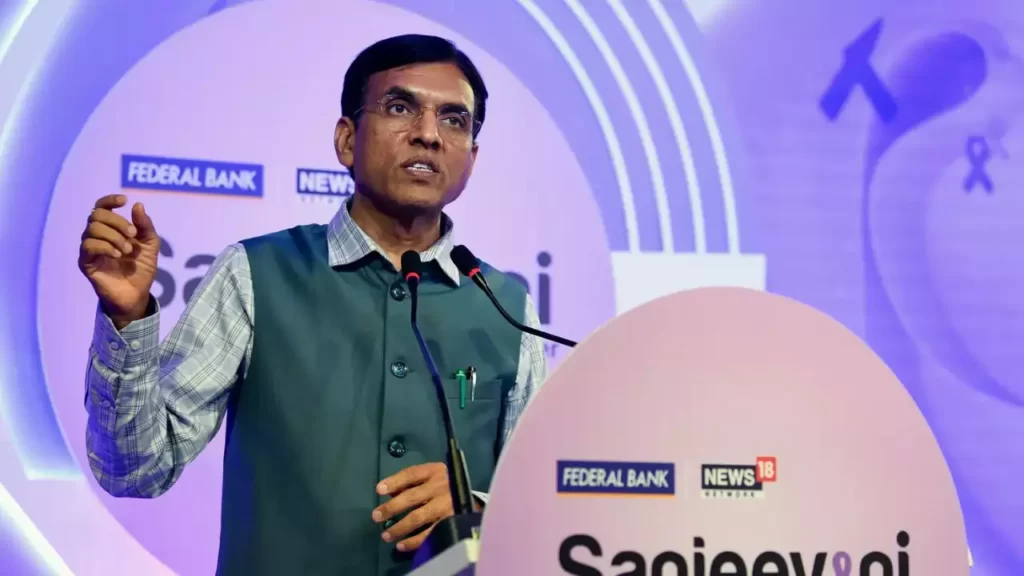
Health Minister Mansukh Mandaviya is set to launch the e-CARe (e-Clearance for Afterlife Remains) portal, a groundbreaking initiative to expedite the repatriation of deceased Indians from foreign countries. The portal’s primary goal is to establish a 24×7 Designated Nodal officer, ensuring swift scrutiny and approval within a 48-hour timeframe. This move aims to bring uniformity to the entire process, eliminating any subjectivity previously present in the procedures conducted by Airport Health Offices (APHOs). The e-CARe portal offers numerous advantages, including round-the-clock accessibility, faster clearance, instant messaging for easy tracking, increased accountability, and flexibility in application submission. It allows any family member of the deceased to apply and become the consignee, not solely relying on the airlines. Moreover, it streamlines coordination among multiple stakeholders through a single interface. The functioning of the portal involves timely intimations sent via email, SMS, and WhatsApp to relevant parties, including the Central International Health Division, Nodal Officer, APHOs, consignees, and airlines. During the initial 48 hours, updates are provided every 12 hours for the first 36 hours, followed by escalations every four hours for the subsequent 12 hours to prevent any clearance delays. Stakeholders can conveniently track the application status through the e-CARe portal using a registration number. The e-CARe Portal ensures seamless coordination and transparency throughout the repatriation procedure. The final verification of original documents will take place at the respective arrival airport by the concerned APHO, ensuring a well-regulated and efficient process.

Union Health Minister to Launch e-CARe Portal for Swift Repatriation of Indians Who Pass Away Abroad Read More »