

ArdorComm Media Group

Tuesday, February 10, 2026 6:02 PM

Health & Wellness Community

Max Healthcare Institute Expands Footprint with Rs 940 Crore Acquisition of Starlit Medical Centre

Max Healthcare Institute (MHIL) has taken a significant step towards broadening its presence in Tier I and II cities by finalizing the acquisition of Starlit Medical Centre. The transaction, facilitated through MHIL’s subsidiary, Crosslay Remedies, comes with an enterprise value of Rs 940 crore. Currently managing 17 healthcare facilities across Delhi-NCR, Haryana, Punjab, Uttarakhand, and Maharashtra, Max Healthcare operates with 3,533 beds. With the inclusion of Starlit Medical Centre, the total bed count is expected to reach approximately 4,083 beds. MHIL has ambitious plans for the financial year 2023-24, intending to add 300 beds, with a broader vision of surpassing 4,000 additional beds in the next four years. Starlit Medical Centre, through a business transfer agreement, has acquired the 550-bed Sahara Hospital in Lucknow. The tertiary care facility, spanning 27 acres in Gomti Nagar, holds accreditations from the National Accreditation Board for Testing and Calibration Laboratories (NABL) and the National Accreditation Board for Hospitals & Healthcare Providers (NABH). The facility offers a spectrum of healthcare services, encompassing gastroenterology, neurology, surgery, cardiology, pulmonology, and diagnostics. Max Healthcare’s strategic acquisition in Lucknow marks its entry into the city, where it plans to introduce medical programs such as oncology and organ transplants while reinforcing existing programs in orthopedics, cardiac sciences, neurosciences, and renal sciences. Abhay Soi, Chairman and Managing Director of Max Healthcare Institute, expressed excitement about the acquisition, aligning with the institute’s strategy to establish a presence in developed healthcare ecosystems of new Tier I/II cities. Through this venture, Max Healthcare aims to provide quality healthcare to the people of Uttar Pradesh. The acquisition encompasses a 17-storey building, and the hospital, currently serving around 200,000 patients annually, boasts a revenue run rate of Rs 200 crore for the fiscal year 2023-24.

Max Healthcare Institute Expands Footprint with Rs 940 Crore Acquisition of Starlit Medical Centre Read More »

AIIMS Delhi Identifies Cases of ‘Walking Pneumonia’-Causing Bacterium; Ministry Dismisses Link to China’s Recent Outbreak

The All India Institute of Medical Sciences (AIIMS) in Delhi has identified seven cases of Mycoplasma pneumoniae, the bacterium associated with ‘Walking Pneumonia.’ The cases were detected between April and September this year and were reported in a study published in the Lancet Microbe journal. Notably, ‘Walking Pneumonia’ cases have been reported globally since October, including in China. Contrary to concerns about a link to the recent surge in respiratory infections in children, especially in China, the Union Health Ministry clarified that these seven cases have no connection to the ongoing outbreaks. The ministry stated that the cases were part of an ongoing study at AIIMS Delhi, spanning April to September 2023, and reassured the public that there’s no cause for worry. The ministry emphasized that no Mycoplasma pneumonia was detected in the 611 samples tested at AIIMS Delhi from January 2023 to the present, and there has been no surge reported in any part of India. AIIMS Delhi is part of a global consortium monitoring the spread of Mycoplasma pneumoniae, and the surveillance is conducted only at specific centers, including AIIMS Delhi. The study highlighted the re-emergence of Mycoplasma pneumoniae in Europe and Asia more than three years after the introduction of COVID-19 pandemic restrictions. ‘Walking Pneumonia’ is a milder form of bacterial infection that resembles a cold, allowing infected individuals to continue with daily activities. The infection is particularly risky for individuals aged 2 or younger, 65 or older, those with weakened immune systems, chronic respiratory conditions, or exposure to crowded places. Symptoms include sore throat, fatigue, chest pain, low-grade fever, chills, cough, sneezing, and headache. Preventive measures recommended by health experts include proper respiratory hygiene, regular handwashing, wearing masks around sick individuals (especially for those with respiratory conditions), getting an annual flu shot, avoiding smoking and secondhand smoke, and timely medical intervention using antibiotics and over-the-counter medicines. The Union Health Ministry continues to collaborate with state health authorities, closely monitoring the situation and providing timely updates to the public.

AIIMS Delhi Identifies Cases of ‘Walking Pneumonia’-Causing Bacterium; Ministry Dismisses Link to China’s Recent Outbreak Read More »

WHO Appeals for Urgent Protection of Gaza’s Health System Amid Escalating Hostilities

news on health

As the conflict in Gaza intensifies once again, the World Health Organization (WHO) has issued a dire appeal for the protection of the health system from further attacks and degradation of its capacity. The organization expresses grave concern over the resumption of hostilities, including heavy bombardment in Gaza, emphasizing the urgent need for Israel to adhere to the laws of war and safeguard civilians and critical infrastructure, especially hospitals. The current situation in southern Gaza is particularly alarming, as immediate evacuation orders force civilians into smaller areas. With dwindling access to essential supplies and concerns for the safety of health workers during movements, WHO and its partners are finding it increasingly challenging to provide support. The escalating military ground operations in southern Gaza, notably in Khan Younis, raise fears of cutting off thousands of people from essential healthcare. This includes access to Nasser Medical Complex and European Gaza Hospital, the main healthcare facilities in the region, amid a growing number of wounded and sick individuals. With approximately 1.9 million people—nearly 80% of Gaza’s population—estimated to be internally displaced, recent evacuation orders cover significant portions of Khan Younis and surrounding areas. The number of functioning hospitals has dramatically decreased from 36 to 18 in less than 60 days, severely straining the already overwhelmed health system. During a recent visit to Nasser Medical Complex, the WHO team described the situation as catastrophic, with overcrowded facilities, shortages of health workers, and an overwhelmed emergency ward. Disease surveillance systems are hampered, and there are reports of increases in infectious diseases, including acute respiratory infections, scabies, jaundice, diarrhoea, and bloody diarrhoea. WHO recorded an alarming 203 attacks on healthcare facilities from October 7 to November 28, including hospitals, ambulances, and medical supplies, while also highlighting the detention of healthcare workers. The organization deems these attacks unacceptable and emphasizes the urgent need for a sustained ceasefire to address the unfolding humanitarian crisis. On December 3 alone, reports indicate 349 people killed and 750 injured. The bed occupancy rate at operational hospitals stands at 171%, with intensive care units reaching an occupancy rate of 221%. The Nasser Medical Complex and European Gaza Hospital are currently three times beyond their intended capacities, with thousands seeking shelter. The WHO underscores the critical importance of protecting civilians and civilian infrastructure, calling for immediate measures to halt the escalating crisis in Gaza.

WHO Appeals for Urgent Protection of Gaza’s Health System Amid Escalating Hostilities Read More »

Free Health Camp in Doda, J&K, Provides Vital Support to Pregnant Women

On December 4, Doda, Jammu and Kashmir, a free medical camp was held. The event, which aimed to raise knowledge about the many health plans provided by the central government, acted as a source of encouragement for the local population. The medical camp’s unique attention on the health of pregnant women was one of its main features. Recognizing the special healthcare needs of expectant moms, the organizers made certain that instructive workshops on immunization and many areas of maternal and child health were held. Furthermore, a dedicated team of doctors, including seasoned gynaecologists and orthopaedics, was present to provide critical medical assistance. The organizers extended home services in an effort to reach out to folks who may have difficulty accessing traditional healthcare institutions. This effort attempted to ensure that pregnant women, particularly those in distant or difficult-to-reach places, had the medical attention and support they required. The medical camp not only addressed the community’s immediate healthcare needs, but it also acted as a platform to educate locals about the many health systems offered by the central government. The event aimed to empower individuals to make informed health decisions by spreading information about accessible resources and services. Residents of Doda expressed gratitude for the quick and thorough healthcare support provided by the program. As the central government prioritizes public health, events like this are critical in bridging the gap between healthcare services and the people they seek to serve. This medical camp’s success in Doda serves as a model for future endeavors, demonstrating the positive influence of community-focused healthcare programs in boosting overall well-being.

Free Health Camp in Doda, J&K, Provides Vital Support to Pregnant Women Read More »

Controversial ‘Pay Clinic’ Proposal Sparks Concerns Over Privatization of Health Sector

The Punjab Health Department is thinking about implementing a “Pay Clinic” model. A private practice within government health facilities would be an option for specialists under this proposed scheme, with fees collected going to the doctors, support staff, and the facilities themselves. India’s Doctors for Peace and Development (IDPD) have serious concerns about the ‘Pay Clinic’ initiative, despite the government’s claim that it is meant to maintain specialist and super-specialist services in the public sector. As per the doctors’ body, this initiative is viewed as a cautious attempt to weaken the public health system, which could lead to the eventual privatization of the health sector. Critics contend that the comparatively low pay scale in the state is the main reason why physicians choose to work in private practices. The president of IDPD, Dr. Arun Mitra, claims that it is unsustainable for the government to claim that this program will support specialists. He contends that improving public hospitals’ facilities and infrastructure will be crucial to finding a workable solution by drawing in more medical professionals. The ‘Pay Clinic’ system that is being proposed would permit physicians to hold private consultations on hospital property after regular business hours. Dr. Mitra underlines that the government’s inability to draw physicians to state services as a result of insufficient health spending is the main problem. He highlights the need for more public investment in health care even more by pointing out that Punjab has the highest out-of-pocket health care costs in the nation. Another IDPD member, Dr. Indervir Gill, expresses worries about the possible effects on lower-class communities. Due to financial limitations, this population, which was previously dependent on state facilities, may now experience increased financial burdens. Dr. Gill cites guidelines from the World Health Organization that state governments ought to devote at least 5% of their GDP to the health sector. He draws attention to the fact that the Punjabi government, which ranks lowest in the NITI Aayog Index for healthcare allocation, and the Union government both fall short of this standard.

Controversial ‘Pay Clinic’ Proposal Sparks Concerns Over Privatization of Health Sector Read More »

BMC Unveils ₹1,500 Crore ‘Healthcare at Doorstep’ Initiative: Digital Health Mission to Transform Medical Services in Maharashtra

The Brihanmumbai Municipal Corporation (BMC) in Maharashtra is planning to launch a groundbreaking healthcare initiative with a 1,500 crore budget. The ‘Chief Minister Health at Doorstep Scheme,’ which aims to reduce out-of-pocket healthcare costs, is expected to provide a wide range of medical services directly to residents. Sudhakar Shinde, BMC Additional Municipal Commissioner, announced the initiative at the CII Hospital Tech summit, emphasizing the importance of diagnostics for people over the age of 60. The scheme will include services such as doorstep delivery of over 4,500 drug-consumable items, as well as blood sample collection. BMC’s commitment to healthcare is reflected in its allocation of 15% of its budget to the sector, which is higher than the percentage allocated by most states in the country. Shinde urged industry to help with the initiative by providing skilled medical professionals, IT support, and innovative solutions. Collaboration with the private sector is critical to the program’s success in providing quality healthcare to Mumbai residents. N Nawin Sona, Principal Secretary of the Maharashtra Government’s Public Health Department, emphasized the importance of technology adoption in order to reduce healthcare costs. He outlined the government’s plan to improve healthcare access, accountability, and affordability. Sona also emphasized the importance of health data alignment between the public and private sectors, as well as the establishment of a health registry. The Maharashtra Government is actively pursuing the Digital Health Mission in line with its commitment to technological advancements in healthcare. The government intends to work with the private sector to carry out this mission, emphasizing the importance of public-private partnerships in transforming healthcare delivery. The initiative is a forward-thinking approach that leverages technology to improve healthcare services and make them more convenient and affordable for Maharashtra residents.

BMC Unveils ₹1,500 Crore ‘Healthcare at Doorstep’ Initiative: Digital Health Mission to Transform Medical Services in Maharashtra Read More »

US FDA Staff Expresses Concerns Over Merck’s Chronic Cough Drug Efficacy

Ahead of an upcoming meeting of independent experts, the U.S. health regulator’s staff has raised doubts about the adequacy of data supporting Merck’s chronic cough drug’s meaningful benefits, according to documents released on Wednesday. Merck’s shares dropped nearly 1 percent to $101.2 in afternoon trade following the news. This concern emerged after Merck submitted additional efficacy data for the drug, which the U.S. Food and Drug Administration (FDA) had previously rejected in January of the previous year. A panel of expert advisers to the FDA is scheduled to meet on Friday to assess the efficacy of Merck’s drug, gefapixant. The panel will specifically consider whether the data provided by Merck demonstrates that the reduction in cough frequency achieved with gefapixant is clinically significant for patients. Currently, there are no approved therapies for chronic cough in the United States. Globally, approximately 10 percent of the adult population is estimated to be affected by this condition, with about half of these individuals lacking an identifiable cause for their cough despite diagnostic tests. Gefapixant functions by blocking receptors that stimulate nerves, thereby suppressing the urge to cough. The drug underwent evaluation in two late-stage trials, where a higher dose demonstrated a statistically significant reduction in the average number of coughs per hour over a 24-hour period compared to a placebo. While the European Union and Japan have granted approval for Merck’s drug under the brand name Lyfnua, the FDA staff’s concerns highlight uncertainties about its efficacy in the U.S. market.

US FDA Staff Expresses Concerns Over Merck’s Chronic Cough Drug Efficacy Read More »

AI Predicted to Propel Medical Devices Industry to $1.2 Billion by 2027, Indicates GlobalData Report

According to a report from GlobalData, a leading data and analytics company, the medical devices industry is anticipated to reach $1.2 billion by 2027, primarily fueled by the healthcare sector’s need to streamline processes, cut costs, and enhance accuracy in diagnosing an increasing number of patients with intricate medical profiles. Brian Hicks, Senior Analyst of Medical Devices at GlobalData, highlighted the widespread use of AI in healthcare, particularly in diagnostic settings, where AI algorithms expedite the identification of challenging image abnormalities that might be overlooked by the human eye. This advancement allows for a more comprehensive review of patient profiles while minimizing the risk of misdiagnoses. The report emphasizes that the driving force behind this surge is the adoption of computer vision technology, which finds applications in diagnostics across various medical specialties. Notably, AI’s contribution to reducing error rates in cancer detection has been well-documented, with studies indicating a significant decrease in pathologists’ error rates, from 3.4% to 0.5%, when AI was incorporated in identifying cancer-positive lymph nodes as far back as 2016. Hicks emphasized the accelerated pace at which AI can identify potential positive cases, allowing for a more rapid review of numerous patient profiles without compromising accuracy. The research reveals a notable concentration of AI-related investments in the medical imaging and diagnostic sectors, with many companies specializing in leveraging deep learning technology. Traditional MedTech companies, primarily focused on hardware and surgical instruments, have limited opportunities to integrate such advanced technologies into their products. Hicks underscored the critical role of AI in early detection, asserting that its ability to analyze challenging tissue abnormalities, symptoms, and intricate patient profiles will lead to earlier interventions and improved patient outcomes.

AI Predicted to Propel Medical Devices Industry to $1.2 Billion by 2027, Indicates GlobalData Report Read More »

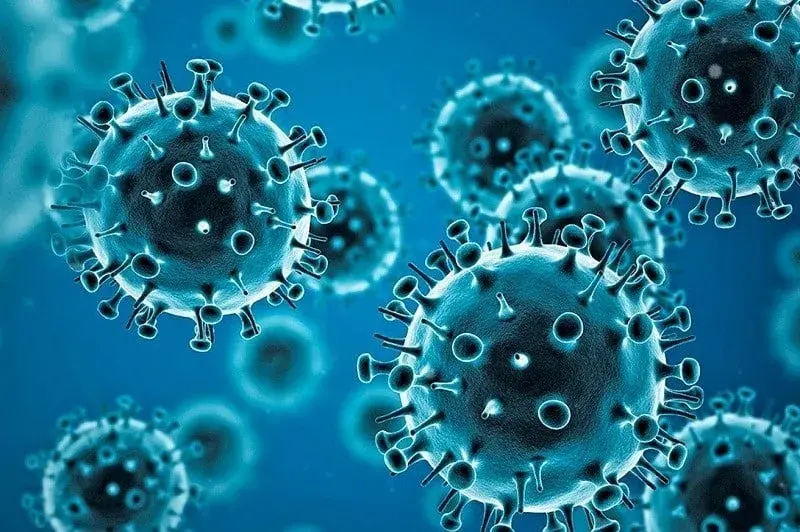
Scientists Concerned About New COVID Variant ‘JN.1’ with Increased Infectiousness and Potential Vaccine Immunity Evasion

Scientists are expressing concern about the latest COVID-19 variant, named ‘JN.1’, as it appears to be more infectious and potentially capable of evading vaccine immunity. This variant was first identified in Luxembourg on August 25, 2023, and has since been detected in several countries, including England, Iceland, France, and the United States. What particularly worries scientists is the significant number of genetic differences in JN.1 compared to other prominent COVID strains like XBB.1.5 and HV.1. XBB.1.5 is the primary target of the latest vaccine boosters in the United States, and most new variants are descendants of this strain, indicating that existing vaccines are effective against them. HV.1, while somewhat different from XBB.1.5, shares similarities with its parent strain. However, JN.1 stands out due to its substantial divergence. In comparison to XBB.1.5, HV.1 has ten additional unique mutations, but JN.1 boasts a striking 41 additional unique mutations. A significant portion of these mutations is found in the spike protein of the virus, which is associated with increased infectivity and potential immune evasion. This raise concerns that current vaccines may not be as effective against this variant. Dr. Thomas Russo, the chief of infectious diseases at the University of Buffalo in New York, stated that JN.1’s spike protein mutation makes it particularly adept at evading the immune response, which could lead to a higher risk of infections. Moreover, there is some evidence suggesting that JN.1’s parent variant, BA.2.86, may be more transmissible than earlier versions of the virus. This high degree of variability in the spike protein, which was first observed in the alpha and beta versions of SARS-CoV-2 in 2021, is a noteworthy aspect of JN.1’s genetic makeup. While these developments raise concerns, the U.S. Centers for Disease Control and Prevention (CDC) have indicated that initial data suggests updated COVID vaccines should still provide protection against JN.1. They also stated that treatments and testing measures are expected to remain effective against this variant, based on an analysis from the federal government’s SARS-CoV-2 Interagency Group.

Scientists Concerned About New COVID Variant ‘JN.1’ with Increased Infectiousness and Potential Vaccine Immunity Evasion Read More »