ArdorComm Media Group

Saturday, January 3, 2026 4:49 AM

Press Release

A Transformative Gathering of Education Visionaries at the 13th ArdorComm Education Leadership Summit & Awards 2024

On 15th November 2024, the vibrant city of Visakhapatnam, often referred to as the Jewel of Andhra Pradesh, became the hub of groundbreaking conversations and insights as the 13th edition of the ArdorComm – New Normal Education Leadership Summit & Awards (ELSA) 2024 took place. The event attracted a distinguished gathering of thought leaders, educators, policymakers, and industry experts, all united by a shared mission to explore and shape the future of education. With the theme “Future-Forward Education: Cultivating Skills and Mindsets in the 21st Century Workplace,” the summit set the stage for transformative discussions aimed at empowering the next generation of learners and professionals. A Milestone Event for Education Excellence ArdorComm Media Group continues its legacy of facilitating impactful dialogues and recognizing excellence in education. This year’s summit lived up to its reputation, drawing over 150 higher education institutions, 75 schools, 15 EdTech startups, and 50+ eminent speakers. The event also witnessed active participation from government dignitaries, corporates, and industry experts, all united by the common goal of envisioning the future of education. The event celebrated Andhra Pradesh’s remarkable progress in education and skilling initiatives, showcasing government programs such as Mana Badi Nadu-Nedu, Jagananna Amma Vodi, and Vidya Kanuka, which have revolutionized traditional learning through digital transformation. Highlights from the Summit The 13th ArdorComm Education Leadership Summit & Awards 2024 commenced with a warm Welcome Address by Kumar Chandan Anand, Founder, CEO & Group Editor of ArdorComm Media Group, setting an inspiring tone for the event. The inaugural session was graced by distinguished dignitaries, including Sribharat Mathukumilli, Member of Parliament for Visakhapatnam Constituency and President of GITAM, as the Chief Guest, and Kathawate Mayur Ashok, IAS, Joint Collector & Additional District Magistrate of Visakhapatnam, as the Guest of Honour. Adding to the richness of the discussion were Dr. Manjula Pooja Shroff, MD and CEO of Kalorex Group, and Saba Karim, India Head, Public Sector at LinkedIn, who shared their visionary insights on transforming education to meet the demands of the 21st-century workplace. Their presence underscored the event’s significance in shaping the future of education and skills development. The Panel 1 session on “Leveraging AI and EdTech: Enhancing Student Engagement and Personalized Learning” featured an illustrious lineup of speakers, moderated by N.V.K. Prasad, Principal, Delhi Public School, Anandpuram, Visakhapatnam. The panel included prominent educators and leaders such as Ashok Varma, Managing Director, Fort City School, Vizianagram; Anuradha Batthula, Chairperson, St. Johns School, Anakapalle; Rajesh Babu Srimusuru, CEO & MD, Radiant Technologies, Narayana Co-Olympiad School, Visakhapatnam; Vanisri Malla, Principal, School of Wonder Kids, Visakhapatnam; Prof. Shalivahan, Director, Indian Institute of Petroleum and Energy, Visakhapatnam; Dr. J. Sudhakar, Principal, Vignan’s Institute of Information Technology, Visakhapatnam; Roja Paul K, Principal, Meridian School Uppal, Secunderabad; and Dr. SK Chaitanya Ch, Principal, Vignan’s World One School, Visakhapatnam. Together, they brought a wealth of expertise and innovative perspectives to the discussion. The Panel 2 session on “Building Emotional Resilience: Integrating Social-Emotional Learning into the Curriculum” brought together a distinguished group of experts in education. Moderated by Dr. M.V.V. Prasada Rao, an esteemed educationist and Advisor to Schools, and Retired Director of CBSE, the panel featured thought leaders like Rev. John Vesly, Founder/Director of Hebron Mission School, Ichapuram; Rajini Chitra, Director-Academics at The Intelli School Vizag and Pollocks Schools, Visakhapatnam; Mohammad Omer, Chairman of New Era International School, Hyderabad; P Chandra Sekhara Rao, Director of Chigurupati Sri Krishnaveni School, Poranki, Vijayawada; and Dr. Archana Rai, Director-Academics at Sriveda Universe The School, Hyderabad. Together, they explored strategies to foster emotional resilience in students by incorporating social-emotional learning into educational frameworks. The Panel 3 session on “Data-Driven Decision Making: How Analytics Can Transform Educational Strategies and Outcomes” showcased a panel of accomplished leaders and innovators in education and analytics. Moderated by Anchal Chopra, Regional Head – North Academic & Government (A&G) Business at LinkedIn, the session featured influential speakers including Ln. P. Kanakaraju, Founder Chairman of ADARSA Group of Institutions and Founder Secretary of KORINGA Educational Institutes; Prof. M. Sashibhushana Rao, Joint Secretary & Director at Satya Group of Educational Institutions, Vizianagaram; Dr. Prasanta Kumar Mohanty, Vice Chancellor of Centurion University of Technology and Management, Visakhapatnam; and Imtiyaz Arshad, Chief General Manager of HR at HPCL and CEO & Secretary of the Skill Development Institute, Visakhapatnam. The panel delved into how leveraging data analytics can revolutionize educational strategies, improve decision-making, and enhance learning outcomes. The Panel 4 session on “Harnessing Digital Tools: Transforming Traditional Classrooms into Dynamic Learning Environments” featured a distinguished panel of experts dedicated to revolutionizing education through digital innovation. Moderated by Dr. Prem Das Maheshwari, Director – South Asia at D2L, the panel included esteemed speakers such as Murarji Kotipalli, Founder & Chairman of Educare Group of Institutions, East Godavari; Neeraj Deshpande, Account Director for Coursera for Campus; Dr. Nagajyothi Koripella, Pro Vice Chancellor of B.E.S.T. Innovation University, Anantapur and Dr. Ameet Chavan, Director (IIEC) at VIT-AP University, Amaravati. The session explored the integration of cutting-edge digital tools to redefine traditional teaching methods and create interactive, dynamic learning experiences for students. The Panel 5 session on “Preparing Students for Future Careers: Aligning Education with Emerging Industry Trends and Skills” brought together a distinguished panel of education leaders focused on bridging the gap between academic learning and the evolving job market. Moderated by Prof. P. M. Balaji, Joint Director at IIAM, Visakhapatnam, the panel included influential speakers such as Ramu Naidu Malla, Director of School of Wonder Kids, Visakhapatnam; Dr. Smt Eshwari Prabhakar, Principal of Visakha Valley School, Visakhapatnam and Indukuri Deepika Rani, Co Ordinator, School of Wonder Kids, Visakhapatnam. The session focused on equipping students with the skills and knowledge required to meet the demands of emerging industries and future career opportunities. The Valedictory Session of the 13th ArdorComm – Education Leadership Summit & Awards 2024 culminated with a Felicitation & Award Ceremony. The event was graced by Shri T. Anil Kumar, Regional Employment Officer Zone-I, Visakhapatnam, and Ch. Subbi Reddy, District Employment Officer, Visakhapatnam, both from the Department of Employment and Training, Government of


A Transformative Gathering of Education Visionaries at the 13th ArdorComm Education Leadership Summit & Awards 2024 Read More »

I-STEM takes its efforts to boost Research Collaboration to Ladakh for the First Time

DELHI, 8th November 2024: I-STEM (Indian Science, Technology, and Engineering facilities Map), an initiative from the Office of Principal Scientific Adviser, Government of India, has taken its efforts to revolutionise research collaboration in India by enhancing industries and Startups’ accessibility to research facilities and labs to the Ladakh Region for the First Time. I-STEM conducted its flagship ‘Samavesha’ at the University of Ladakh on 5th November 2024 to create awareness of the I-STEM National Portal. The Samavesha Project connects industries, researchers and start-ups looking to avail advanced scientific equipment with an academic institution that has the requisite equipment. This saves the researchers, industry and start-ups the prohibitive capital expenditure of purchasing advanced equipment. At the National level, this prevents duplication of resources in the research institutions. Under the leadership of Prof. (Dr.) S.K. Mehta, Hon’ble Vice Chancellor, University of Ladakh, this was the first time the Samavesha event was being organized in North India, marking a significant milestone for boosting research in the region. This event, the sixth Samavesha event nationally, was intended to create awareness of the impact and accessibility of the I-STEM National Portal under the tagline ‘Linking Researchers and Resources.’ As a visionary platform, I-STEM is a comprehensive aggregator, connecting researchers to publicly funded laboratories and scientific equipment across India. Highlighting the need for such events in remote parts of the country, Dr. Harilal Bhaskar, Chief Operating Officer and National Coordinator, I-STEM, said, “The vision of I-STEM is to create a future where one million New-Age researchers, brimming with ideas, are seamlessly connected to a network of 10,000 cutting-edge labs across India. By 2024, I-STEM aims not only to connect individuals to equipment but also to ignite a collaborative ecosystem where start-ups, industries, and academia co-create the next wave of innovation.” Dr. Harilal Bhaskar added, “I-STEM looks forward to new institutions and researchers registering and participating in the event. Public users and research labs are encouraged to provide feedback during the event to inform future decisions about the I-STEM program.” Dr. Harilal Bhaskar also explained how the I-STEM portal can be a game-changer for academic researchers, startups, and industries alike, positioning I-STEM as one of the major Government-funded aggregator platforms transforming India’s R&D landscape. He emphasized that the event would enable participants to engage in knowledge-sharing, explore research opportunities, and access resources to drive advancements in the region. Key academic and administrative figures attended the workshop. They included Dr. Subrat Sharma, Dean of Research; Dr. Jigmet Yangchan, Chief Scientist and Head, MRI & CISIC; Dr. Mohd Hussain, Dean of Sciences and Coordinator, DST-PURSE; and Dr. Jigmet Dachen, DSW and I/C administration, University of Ladakh. Esteemed guests included Dr. Harilal Bhaskar, National Coordinator and Chief Operating Officer of I-STEM, and Mr. Narmdeshwar Pandey, Functional Manager at I-STEM. The program also saw active participation from faculty members and participants from various institutions. The School of Agricultural Science and Technology (Leh campus), Government Polytechnic College, Leh, and the Science Departments of the Leh and Kargil campuses of the University of Ladakh played significant roles in ensuring the event’s success.

I-STEM takes its efforts to boost Research Collaboration to Ladakh for the First Time Read More »

IIT Guwahati innovates advanced, cost-effective Printed Perovskite Photodetector with significant applications in Healthcare and Energy

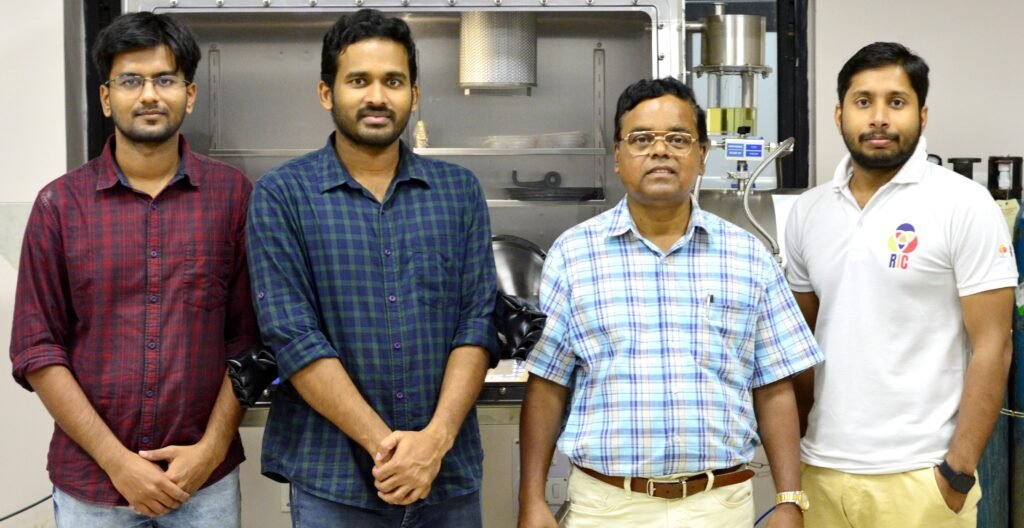
GUWAHATI, 22nd October 2024: Indian Institute of Technology Guwahati researchers have created an innovative, cost-effective photodetector using advanced materials and techniques. Their breakthrough technology, based on formamidinium perovskite and plasmonic nanoparticles, exhibits enhanced light detection capabilities, with significant potential applications across healthcare, environmental monitoring, and solar energy industries. A photodetector is a crucial device that detects light and converts it into electrical signals, playing an essential role in various technologies such as cameras, medical imaging devices, environmental sensors, and communication systems. The research, published in the prestigious ACS Applied Materials & Interfaces journal, was co-authored by Prof. P. K. Giri, Department of Physics, and his research scholars, Mr. Debabrata Sahu, Mr. Subhankar Debnath, and Mr. Sirsendu Ghosal, at IIT Guwahati. Perovskites, known for their exceptional light-absorbing properties, are ideal materials for photodetectors, solar cells, and other light-harvesting technologies. The formamidinium-based perovskite used in this study is recognized for its better stability and high light conversion efficiency. However, enhancing its light absorption and electrical performance while keeping production costs low has been a challenge. To address this, the IIT Guwahati research team integrated an array of 2D printed plasmonic nanoparticles—tiny particles made of noble metals like silver (Ag)—into their perovskite photodetector. These Ag nanoparticles array help focus light onto the perovskite layer through a process called localized surface plasmon resonance (LSPR), greatly boosting light absorption and efficient photodetection. Speaking about the research, Prof. P. K. Giri, said, “Our goal was to create a photodetector that is not only highly efficient but also affordable and durable for real-world applications. By incorporating 2D printed plasmonic nanoparticles into the design, we have significantly enhanced the device’s performance while ensuring scalability and cost-effectiveness.” The team used a specialized microprinting technique to precisely arrange the silver nanoparticles, improving the device’s sensitivity while making the manufacturing process scalable and economical. The photodetector remains stable under normal environmental conditions, ensuring durability for practical applications across various industries. This photodetector innovation could transform industries by improving medical imaging, enhancing environmental monitoring accuracy, and boosting solar energy efficiency—all through cost-effective production. It paves the way for wider real-world applications and addresses key global challenges.

IIT Guwahati innovates advanced, cost-effective Printed Perovskite Photodetector with significant applications in Healthcare and Energy Read More »

NSRCEL, IIM Bangalore & Centre for Research on Start-ups and Risk Financing, IIT Madras, launch report on Startup Incubation Ecosystem

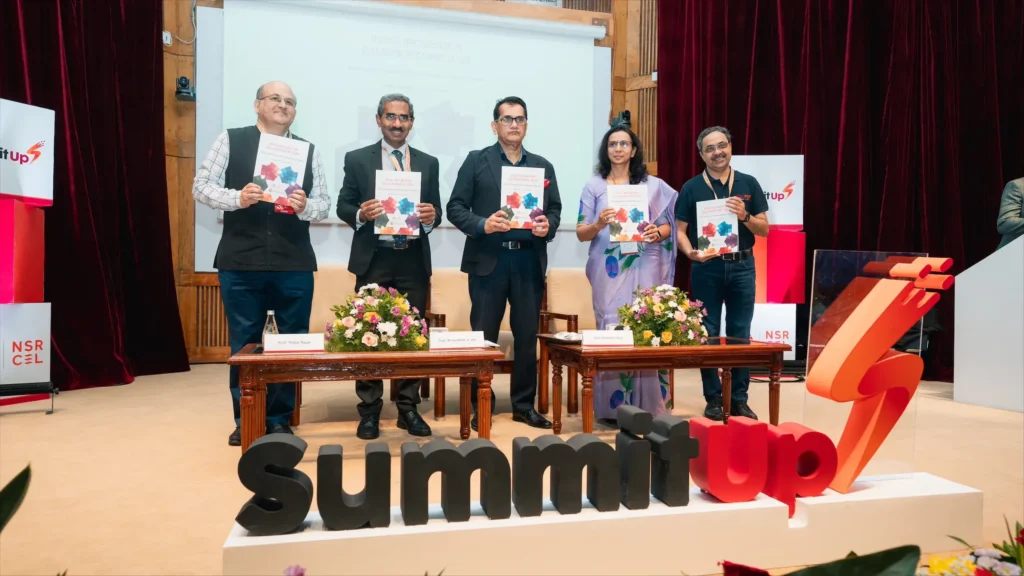
BENGALURU, 4th October 2024: NSRCEL, the startup incubator at IIM Bangalore, and the Centre for Research on Start-ups and Risk Financing (CREST) IIT Madras, announced the release of their joint research report, ‘India Incubator Kaleidoscope 2024’. The joint effort was led by Prof. Thillai Rajan A., Head, CREST and Professor of Finance, Department of Management Studies, IIT Madras and Prof. Srivardhini K Jha, Professor of Entrepreneurship, IIM Bangalore and Chairperson of NSRCEL. It offers valuable insights and recommendations to policymakers and business leaders on how to create and nurture thriving startup incubators, which are essential for job creation and economic growth. Speaking about this study, Prof. Srivardhini Jha said, “Incubators play a crucial role in making entrepreneurship more accessible and inclusive across the country but their activities and impact are not well understood. This report addresses that gap and highlights the need to both raise the level of incubation activity and enhance the quality of incubation efforts nationwide.” The Highlights of this research include: Incubator landscape The number of incubators in the Indian ecosystem has grown steadily, with more than 1,100 active incubators dotting the Indian startup ecosystem. The Southern region leads the pack, housing 45% of all incubators and having the highest density of incubators. Tier I cities house almost half of all incubators (48 percent). However, the mix of incubators, viz., those hosted by academic institutions, industry and public sector, shows significant variation across cities. Chennai has a high proportion of academic incubators (82 percent), whereas Bengaluru and Gurugram have a high proportion of industry incubators at 71 percent and 84 percent respectively. The incubator density is 0.8 incubators per million population, whereas countries like US, UK and China range between 8 and 10 incubators per million population. This indicates the need for setting up more incubators in the country  Incubator coverage Only 8.2 percent of all startups undergo incubation. Further, 10 percent of the incubators support 98 percent of these startups that are incubated. Taken together, this highlights an urgent need to improve the performance of incubators that are underutilized and to actively engage in outreach efforts to raise awareness about the benefits of incubation. The correlation coefficient between the presence of incubators and startups was found be 0.84, which indicates a strong positive correlation. A higher presence of startups is associated with a higher presence of incubators. Incubation is sought after by students, young professionals, women founders and those with modest financial resources. This is a positive trend that indicates that the support system is working for those who need it. The rate of incubation is high among deep tech sectors such as AI/ML, Data Analytics, Biotech and other sectors. All of them have an incubation rate upward of 12 percent.  Incubator outcomes Incubated startups have been able to secure their first round of funding earlier than the non-incubated. While 27.1 percent of the incubated startups that received their first-round funding within one year of incorporation, the corresponding percentage for the non-incubated was 15.4 percent Despite being smaller in number, incubated startups have won more awards in all the leading startup awards. Incubated startups have also been engaged more actively in creation of intellectual property – the percentage of incubated startups that have published patents is about 5 times more that of the non-incubated For the startups that ceased to operate, the average age at which operations ceased was about 15 percent higher for incubated startups, indicating that incubators could provide a nurturing ecosystem that provides more time for the ideas to flourish The contribution of the incubated startups to the economy has also been significant. The annual average revenues in the initial years for every 100 incubated startups has been about ₹1590 crores. The average value of assets for every 100 incubated startups by the 9th year from incorporation has been estimated at ₹10627 crore. However, the revenue performance of startups associated with industry incubators is 50 percent higher as compared to those supported by academic incubators   Elaborating further, Prof. Thillai Rajan A., IIT Madras, said, “The narrative on the Indian startup ecosystem has centered around start-ups and investors. This report turns the spotlight on incubators, a significant link in the startup value creation chain. ‘Tell me who your friends are, and I will tell you who you are’ is a well-known proverb. In much the same way, our research finds that incubators enhance the credibility of the startups that they support. This manifests more compellingly in startup funding. Incubated startups are two and a half times more likely to get funded as compared to the non-incubated.” Launching the publication, Shri Amitabh Kant, G20 Sherpa, Government of India and ex-CEO, NITI Aayog said, “In the growth of Indian startup ecosystem, incubators play a very crucial role, and their contribution has been expanding in recent years. Conceptualized initially to facilitate the formation of start-ups, today incubators perform multiple roles such as bringing together scientific and business expertise, channelizing capital to promising start-ups, and increase awareness on startups in the society. For the government, incubators are becoming the last link in identifying startup beneficiaries for various schemes and monitoring their progress. I am happy to note that two of the best institutions in the country have joined hands in bringing this timely as well as relevant publication on incubators. Their findings vindicate the policy emphasis on incubators, while giving suggestions on how the incubation landscape can be further enriched through various interventions.” Prof. Rishikesha T. Krishnan, Director, IIM Bangalore, said, “The value of innovation cannot be overstated. Incubators play an important role in supporting the unique needs of diverse creators not only by accelerating grassroots development but also by leveling the playing field.” Among the various significant findings of this collaborative research undertaking is one—that cities of Chennai and Bangalore lead the startup ecosystem with their high concentration of industry and academic incubators. As IIMB stands at the heart of India’s knowledge capital, we look forward to continuing our sustained contribution to the city’s deep

NSRCEL, IIM Bangalore & Centre for Research on Start-ups and Risk Financing, IIT Madras, launch report on Startup Incubation Ecosystem Read More »

International conference UNIKAA 2024 successfully concluded at IIT Guwahati

ArdorComm news

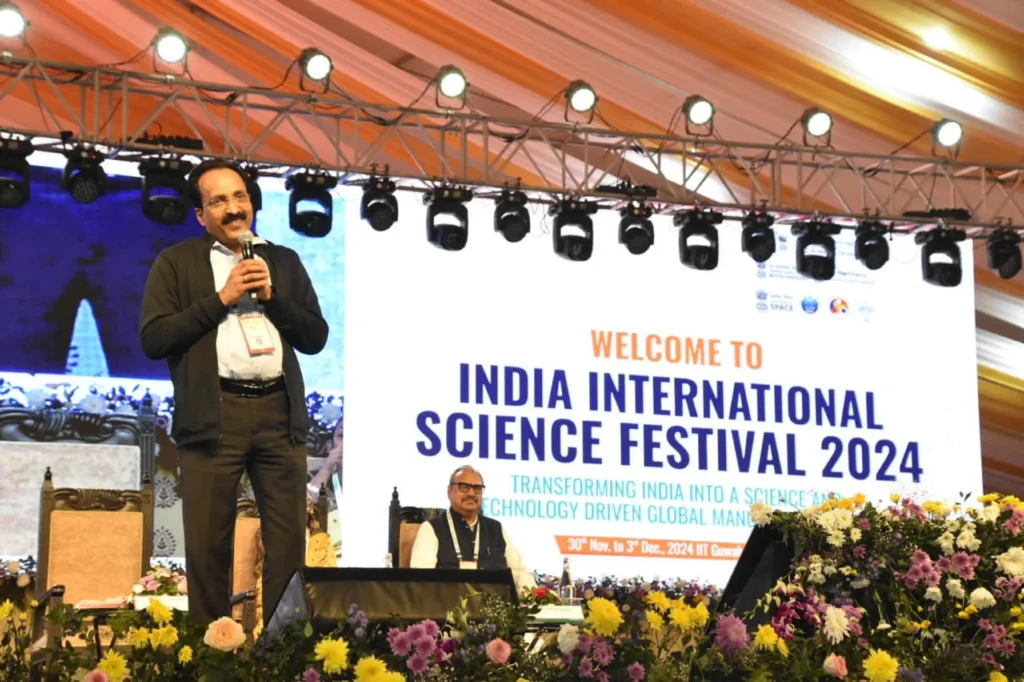
GUWAHATI, 8th October 2024: Indian Institute of Technology Guwahati recently concluded a three-day International Conference, “Unraveling Indian Knowledge Across Asia (UNIKAA) 2024,” bringing together experts to explore the connections between ancient Indian wisdom and modern challenges. The inauguration ceremony was graced by the Hon’ble Governor of Assam, His Excellency Shri Lakshman Prasad Acharya, as the chief guest, along with distinguished guests including Shri Phurpa Tshering, Vice Consul of the Royal Bhutanese Consulate General in Guwahati, and Prof. Brahma Deo from IIT Bhubaneswar. The event was opened with speeches from Prof. Devendra Jalihal, Director, IIT Guwahati, Prof. Uday Shanker Dixit, Chair of the conference, and Prof. Lalit M. Pandey, Organizing Secretary, who outlined the conference’s vision and its focus on the significance of local languages and interconnected knowledge systems. The program began with a welcome address by Prof. Dixit, followed by an outline of the conference’s vision by Prof. Pandey. During his address, Prof. Jalihal highlighted the interconnectedness of the Indian knowledge system and the importance of local languages. The guest of honor, Prof. Deo, emphasized the significance of ancient Indian knowledge, especially in fields like metallurgy, and its relevance today. Shri Phurpa Tshering praised India’s contributions to global knowledge, noting the importance of traditions like yoga, Ayurveda, and astronomy. He also highlighted the deep spiritual connection between Bhutan and India, remarking that for every Bhutanese, visiting Bodh Gaya is a cherished pilgrimage. Representing the Ambassador of Indonesia, Dr. Aldrin Herwany, Education and Cultural Attaché, shared insights into the shared knowledge systems of Asia. In his keynote address, Governor Lakshman Prasad Acharya emphasized the need to integrate India’s ancient knowledge systems with modern science and technology, particularly as India and Asia move toward a new era of development. He praised IIT Guwahati as a hub of research and innovation and commended the conference for fostering collaboration between scholars from diverse fields. The Governor underscored the global influence of texts such as the Vedas, Upanishads, Ramayana, and Mahabharata, emphasizing their timeless teachings on morality, duty, and truth. Quoting the philosophy of “Vasudhaiva Kutumbakam” (“The World is One Family”) often emphasized by Prime Minister Shri Narendra Modi, he referenced India’s adherence to the peaceful principles of Buddhism over paths of conflict. Concluding his address, the Governor spoke passionately about environmental conservation and character building, quoting, “निर्माणोम् के पावन युग में हम चरित्र निर्माण न भूलेम्! स्वार्थ साधना की अमाधि में वसुधा का कल्याण न भूलेम्!!” His remarks highlighted the importance of bridging ancient wisdom with modern science for societal progress. The conference featured over 130 oral presentations and 30 invited lectures, with participants from countries such as Bangladesh, Bhutan, Indonesia, Malaysia, and the USA. The sessions covered diverse themes, from Ayurveda and yoga to mathematics, astronomy, and artificial intelligence. Discussions focused on how modern technology can help preserve and explore ancient knowledge systems. The interdisciplinary nature of the conference was evident, particularly in discussions on how modern technology, such as data science and artificial intelligence, can be used to preserve and explore ancient knowledge. Sessions also delved into the philosophical traditions of ancient scriptures like the Ramayana and Mahabharata, emphasizing their continued relevance today. A panel discussion on “The Importance of Indian Knowledge Systems in the Contemporary World” was one of the conference’s key highlights, fostering in-depth discussions and potential future collaborations. The valedictory session featured the Hon’ble Speaker of the Assam Legislative Assembly, Shri Biswajit Daimary, as the chief guest, along with Prof. Sukumar Mishra, Director of IIT (ISM) Dhanbad, and Prof. Varadraj Bapat from IIT Bombay, as guests of honor. Prof. Mishra highlighted the importance of ideas in driving innovation, inspired by ancient teachings. Prof. Bapat stressed the primacy of knowledge acquisition over language and shared insights on India’s historical contributions to the global economy. In his concluding remarks, Shri Daimary welcomed delegates to Assam and urged them to explore the region’s rich cultural and historical heritage. He emphasized that education should instill cultural values and ethics alongside academic achievements. He also encouraged the organization of more such conferences in the northeastern states to celebrate India’s rich cultural diversity and promote the vision of Akhanda Bharat.  

International conference UNIKAA 2024 successfully concluded at IIT Guwahati Read More »

IIT Madras launches Cybersecurity Centre to boost Fundamental & Applied Research in India

ArdorComm news

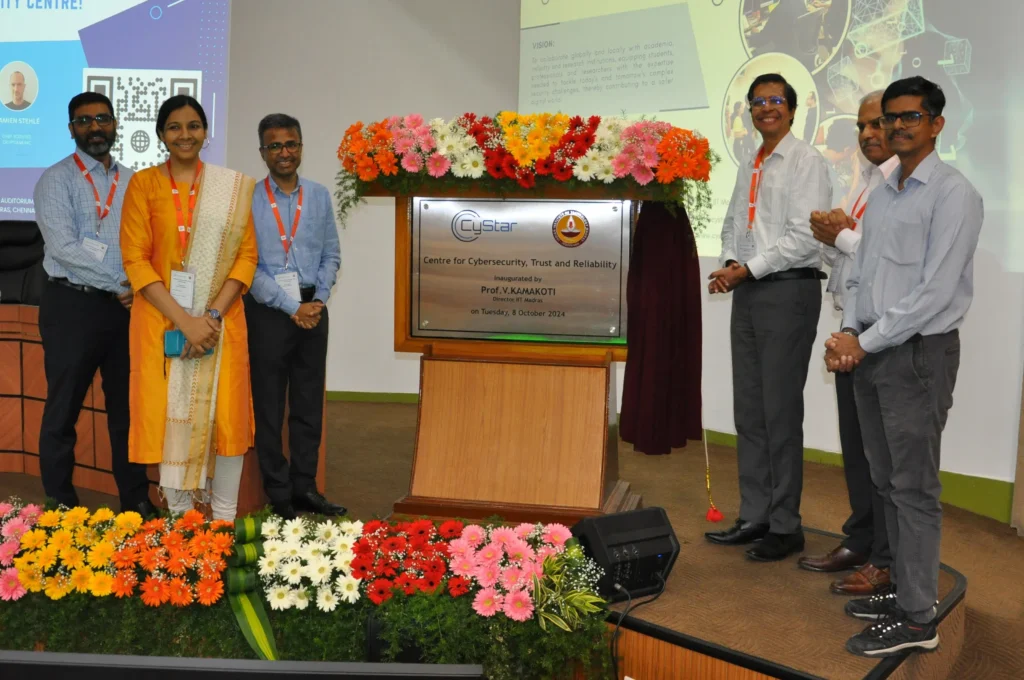
CHENNAI, 8th October 2024: Indian Institute of Technology Madras (IIT Madras) has launched a new cybersecurity centre to boost fundamental and applied research that drives innovations in the country. It will work towards pioneering advancements in blockchain, security for AI models, cryptography, quantum security, and IoT security. The ‘Centre for Cybersecurity, Trust and Reliability’ (CyStar) was inaugurated today (8th Oct 2024) in the presence of Prof. V. Kamakoti, Director, IIT Madras, Centre Coordinators Prof. Shweta Agrawal, Prof. Chester Rebeiro and Prof. John Augustine, faculty, Department of Computer Science and Engineering, IIT Madras and a host of eminent academicians and industry representatives from India and abroad. The mission of CyStar is to push the boundaries of cybersecurity through innovative research and education. Recognizing that cybersecurity demands a multi-disciplinary approach, the research team at CyStar is diverse, encompassing a wide range of expertise. Addressing the launch event, Prof. V. Kamakoti, Director, IIT Madras, said, “With the growth of cyber threats, not just for financial gains but also targeted sector wise attacks on critical infrastructure, it is very important that we arrive at proactive cyber defence mechanisms to protect our Nation. In this context, such efforts are extremely crucial.” The Centre will collaborate globally and locally with academia, industry and research institutions, equipping students, professionals and researchers with the expertise needed to tackle today’s and tomorrow’s complex security challenges, thereby contributing to a safer digital world. Its’ focus would extend across sectors, addressing critical security challenges in industries like finance, healthcare, automotive and electronics. The key Research, Industry and Government partners of CyStar include the Ministry of Electronics and Information Technology and the Ministry of Education, Vitesco Technologies, Kaspersky, IDBI Bank, LG India, Saptang Labs, Algorand, Indo-French Centre for the Promotion of Advanced Research and National Security Coordination Secretariat among others. Elaborating on the key functions of this Centre, its coordinator Prof. Shweta Agrawal said, “We are happy and excited to launch this center, which will bring together people with varied expertise to study the complex problem of cybersecurity. Our approach is multi-faceted. We aim to make contributions in domains ranging from fundamental research to real-world applications to fostering start-ups and everything in between.” CyStar Coordinator Prof. John Augustine said, “India is a federal country with a vast number of highly distributed social and business networks with diverse security needs. CyStar’s vision is to empower individuals in this ecosystem to secure their lives and businesses through platforms that are designed with security, trust, and reliability in mind.” CyStar Coordinator Prof. Chester Rebeiro said, “CyStar aims to address critical cyber security challenges in the country through fundamental and applied research, outreach programs, and by fostering industry-academia relationships.” Keynote speakers on the occasion included Prof. Shafi Goldwasser, Research Director, Simons Institute and Professor, Massachusetts Institute of Technology (MIT), Prof. Debdeep Mukhopadyay, Chair Professor, Department of Computer Science and Engineering, IIT Kharagpur, Prof. Christian Scheideler, Head Professor, Theory of Distributed Systems, Paderborn University and Dr. Damien Stehlé, Chief Scientist, Cryptolab Inc. CyStar at IIT Madras will develop a comprehensive, multi-faceted strategy to address the emerging cybersecurity challenges driven by AI and the post-quantum era. This approach will focus on safeguarding critical national infrastructure, offering a holistic defence against these advanced technological threats. CyStar aspires to build a knowledge and innovation ecosystem where industry leaders, scholars and government institutions can collaborate with state-of-art technology to integrate and apply advancements in knowledge to real-time products or services in Cybersecurity.  

IIT Madras launches Cybersecurity Centre to boost Fundamental & Applied Research in India Read More »

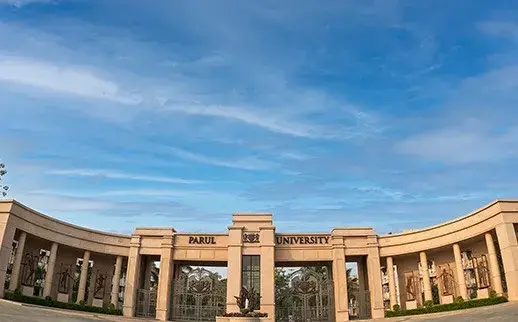
Parul University Hosts International Staff Teaching & Training Week 2024, Focusing on Global Education Collaboration

Parul University in Vadodara recently hosted the International Staff Teaching & Training Week 2024, an event designed to strengthen cooperation with foreign institutions and promote global education. The week-long program, themed “Developing Competencies for Strengthening Internationalization,” brought together educators, administrators, and representatives from institutions worldwide to foster discussions on globalization, student exchange, and multicultural education. The event featured a mix of workshops, presentations, and cultural activities aimed at enhancing cross-cultural competencies and encouraging international research partnerships. Notable keynote speakers included global education leaders such as Dr. Hubertus Johannes Forschelen from the University of Applied Sciences Kaiserslautern, Germany, and Ms. Mavlyuda Narmuratovna Mirzayeva from Navoi State University of Mining and Technologies, Uzbekistan. Throughout the event, participants engaged in professional development sessions, exploring strategies to improve global education standards and student mobility. Discussions centered around enhancing internationalization in education, including best practices for facilitating student exchange programs and fostering global research collaborations. Dr. Preeti Nair, Director of the Center for International Relations and Research at Parul University, highlighted the success of the program, emphasizing its importance in advancing international partnerships and creating a more globally connected academic community. The event not only offered a platform for knowledge sharing and networking but also reinforced Parul University’s commitment to promoting internationalization and global education. The university aims to continue fostering these connections and exploring new opportunities for academic exchange and collaboration on a global scale. Source: Economic Times

Parul University Hosts International Staff Teaching & Training Week 2024, Focusing on Global Education Collaboration Read More »

Tackling Unspoken Parenting Challenges in the Digital Age: Kalorex MD & CEO Unveils ‘Total Parenting Solutions’  

Ahmedabad, September 4, 2024 – Raising a human being in today’s world requires a wellspring of love, boundless energy—and at times, dealing with typically unspoken and taboo subjects such as cyberbullying, catfishing, blackmailing, grooming, and sexting. Driven by this vision, Dr. Manjula Pooja Shroff, MD & CEO of Kalorex Group, has on September 4, 2024 in New Delhi, launched Total Parenting Solutions, a complete resource on parenting, offering timely guidance to parents, educators, and students in dealing with the critical challenges faced by today’s adolescence. This extensive package on raising children includes the No 1 Bestseller book by Dr. Manjula Pooja Shroff, Baby Steps to Big Dreams; the newly-released sequel to Baby Steps, ‘Safe Teen Steps’ – Making Young Adults Cyber Secure and Sitting-By-MAYA, a state-of-the-art, AI-generative tool that offers instant solutions to specific challenges and queries of students, parents and educators. Drawn from extensive surveys of educators, students and parents, the insights on parenting are backed by years of comprehensive research and real-life data. This makes the package a vital resource as it reflects a wide range of perspectives and experiences. Unveiling of Safe Teen Steps Adapted from Baby Steps to Big Dreams, Safe Teen Steps delves into the complexities of raising cyber-secure teenagers. Written by esteemed journalist and author Ms. Ragini Bharadwaj, alongside Dr. Shroff, this book delves into crucial topics including social media addiction, bullying, grooming, harassment, and taboo topics like sexting, blackmailing, scarlet letter — a powerful metaphor for the public shaming and social stigmatisation that can occur in the digital age. This pioneering book was unveiled in the presence of distinguished leaders and luminaries across various fields in Delhi on the 4th Sep 2024. The event was graced by Dr. Deepak Vohra, Ambassador, Special Advisor in Africa; Mr. Sanjay Kumar, Secretary, Department of SE&L, Ministry of Education, Govt of India; Mr. Himanshu Gupta, Secretary, CBSE; Dr. Sanyam Bhardwaj, Controller of Examinations, CBSE; Mr. Manbir Bedi, Co-Founder, Primary Plus; Dr. Murthy Bevarabhotla, Global president, The Diplomatic Club; Dr. Babli Moitra Saraf, Former Principal, IP College, Delhi University; Mr. Rajesh Bajaj, Founder, PM Publishers, Mr. Yuvraj Malik, Director-National Book Trust; Dr. Deepak Narwal, Economic Senator, EES, Brussels; Ms. Lina Ashar, Founder, Dreamtime Learning; Ms. Ragini Bharadwaj, Author; Dr. Manjula Pooja Shroff, Author; Mr. Anantha Krishnan, CEO Operations, Kalorex Group. Their collective presence underscored      the significance of nurturing the next generation with wisdom and care. “The role of the Internet in our lives will only intensify in future, and it is essential to train the young brigade to make informed choices for the ideal Internet interface. The book deals with the fundamentals of the digital world and safety. It aims to empower teens and tweens with knowledge and wisdom to confidently explore the online world because a single click can change life,” according to Ms Bharadwaj. 85% of Indian Kids Face Cyberbullying Alarmingly, close to 85 percent of children in India have reported being cyberbullied—the highest in the world, according to a survey released by McAfee Corp. What’s more is that 45% of the youth hide their cyberbullying experiences from their parents or guardians. In today’s volatile, uncertain, complex, and ambiguous (VUCA) world,Total Parenting Solutions details how parents and teachers need to look beyond the physical realm, and explore the vast, uncharted territories of social media, dating apps and the internet when looking out for their children. Now, parents face additional hurdles in guiding their children’s growth in a world where digital literacy is just as important as reading and writing. “The teenage years are so formative that they can either make or break a person. The influence that parents, educators, and adults have is enormous—they are the guiding force. We need to create this awareness in society,” says Dr Manjula Pooja Shroff, who has been in the education sector for nearly 30 years, managing 60+ institutions and shaping the careers of more than 88,000 students. This complete package on parenting aims to empower families by providing them with the tools they need to raise confident, well-adjusted young adults. Sitting-By-MAYA is an online Adaptive AI interactive portal that offers instant solutions to specific parenting queries and doubts. In an era where the lines between humans and machines are getting increasingly blurred, Kalorex Group last year introduced MAYA, India’s first Teacher, Mentor and Influencer, as well as the AI clone and avatar of Dr Shroff. Emphasising the role of AI in education, MAYA has reached over 70 cities, 7,000 students, 8,000 senior educators, as well as 15,000 parents in India and abroad. To learn more about the Total Parenting Solutions package, visit https://bit.ly/MPSTPS.  

Tackling Unspoken Parenting Challenges in the Digital Age: Kalorex MD & CEO Unveils ‘Total Parenting Solutions’   Read More »

Inauguration of Sakura – The Indo-Japanese Nursery Division at JG International School Marks a New Era in Global Education

In a landmark collaboration, JG International School (JGIS) in Ahmedabad and Keimei Gakuin School (KG) from Kobe, Japan, proudly inaugurated Sakura, the first-of-its-kind Indo-Japanese Nursery division. This historic event at JGIS symbolised a unique partnership between two esteemed educational institutions, setting a new benchmark in early childhood education. Keimei Gakuin, a 100-year-old institution from Kobe, Japan, is renowned for its innovative approach to education, rooted in Japanese philosophy, culture, values, and excellence. The newly established Sakura division integrates pedagogical methods, educational approaches, and cultural aspects from India and Japan. This collaboration aims to nurture a generation of globally-minded students who possess curiosity, creativity, and empathy, empowering them to excel and lead in an interconnected world. The educational philosophy at Sakura aligns with core principles of education, focusing on the moral character of children and fundamental societal principles. Emphasis is placed on human dignity and the comprehensive assimilation of human knowledge. Education is viewed as a process of unfolding children’s innate abilities, nurturing the total personality of each child rather than developing isolated skills. The curriculum moves away from rote learning to a skill-based system, fostering real learners with complex and flexible learning frameworks. Dr. Kavita Sharma, Principal of JG International School, expressed her excitement about the collaboration, stating, “We are thrilled to embark on this remarkable journey with Keimei Gakuin. The Sakura division is a testament to our commitment to providing a holistic and globally enriched education. We believe this collaboration will inspire our students to become compassionate, culturally aware, and innovative leaders of tomorrow.” Mr. Ibusuki Chikara, Principal of Keimei Gakuin High School (KGHS), added, “This partnership marks a significant milestone in fostering educational excellence and cultural exchange between Japan and India. We are excited to bring the rich heritage and educational philosophies of both countries together, creating an environment where students can thrive and grow into global citizens.” The bicultural curriculum seamlessly blends ancient and contemporary Indian and Japanese educational frameworks, offering students a comprehensive understanding of both cultures. Students will master English and Japanese, fostering multilingual competence and cross-cultural communication skills. Equal emphasis is placed on Literacy, Numeracy, Program of Inquiry, and life skills education, including critical thinking, problem-solving, decision-making, communication, collaboration, and personal and social responsibility. Students will engage in traditional Japanese arts like calligraphy and martial arts, as well as Indian classical music, folk dances, and indigenous games. Regular student exchange programs and collaborative initiatives will foster mutual understanding among students from diverse backgrounds. Furthermore, expert educators from both countries will collaborate to enhance teaching methodologies and share best practices. The inauguration ceremony was a grand celebration featuring cultural performances, speeches by distinguished guests, and a tour of the new facilities. The event showcased the deepening ties between India and Japan, highlighting a shared vision of creating a world-class educational experience for young learners.

Inauguration of Sakura – The Indo-Japanese Nursery Division at JG International School Marks a New Era in Global Education Read More »

IIT Madras places over 80% of BTech/Dual Degree students and more than 75% of Master’s students

In the last two years, 90% of IIT Madras BTech and Dual-Degree graduates found career opportunities by the time of their convocation. With more than two months left for 2024 convocation, IIT Madras is on track again this year to hit this milestone. As on 30th April 2024, IIT Madras has placed more than 80% of BTech/Dual Degree students and more than 75% of Master’s students this year.  During the year 2023-24 Phase I and Phase II of campus placements, 1,091 students were placed in 256 companies. In addition, out of 300 pre-placement offers 235 were accepted. Companies from Japan, Europe and other countries made 44 international offers. Further, 85 start-ups made as many as 183 offers during this Phases I and II of campus placement. Of the placed students, 43% are in the core sector, followed by 20% in software, and less than 10% each in analytics/finance/consulting and data science. Regarding placement of PhD research scholars, unlike a coursework-based study, the PhD program, is a non-time bound program, and thus their placement timeline may not match with course-based programs.  Many PhD students complete their PhD thesis Defence very close to the convocation. Many of them get placed within a few months after the convocation. A majority of the PhD students prefer post-doctoral or faculty positions. In addition, the PhD graduates being specialized in certain core domains, their placement would involve customized connect to specific companies. A research scholar placement cell is planned from the coming academic year that will comprehensively address the issues stated above. This year median and average salary is ₹19.6 Lakhs and ₹ 22 Lakhs respectively. Speaking about the placements, Prof. V. Kamakoti, Director, IIT Madras, “I am happy to see that past year trends are continuing this year in placements. So, parents need not worry about the career path of their children at IIT Madras. While job placements are an important career path to take, we would like more of our students to take up entrepreneurship and provide jobs to others. This is in line with our target of 100 tech startups next year.” Further, Prof. Satyanarayana Gummadi, Dean (Students), IIT Madras, said, “The Career Pathway Centre at IIT Madras helps students explore all career pathways and identifies varied employment opportunities. I am happy to see that despite a tough year, our students are in demand.”   *2023-24 data will be updated during July convocation.

IIT Madras places over 80% of BTech/Dual Degree students and more than 75% of Master’s students Read More »