





ArdorComm Media News Network
December 15, 2025
A joint Indo-German research team has uncovered a clear biological pathway connecting imbalances in gut bacteria to memory loss, learning difficulties, and cognitive decline, according to a statement released by Cochin University of Science and Technology (CUSAT).
The findings, published in the latest edition of the peer-reviewed journal BMC Biology, show that disturbances in the gut microbiome—often caused by prolonged antibiotic use or poor dietary habits—can trigger systemic inflammation that ultimately disrupts brain circuits responsible for memory and cognition.
The study was conducted under a collaborative programme supported by India’s Department of Science and Technology (DST) and the German Academic Exchange Service (DAAD). The research team was led by Baby Chakrapani PS of CUSAT’s Centre of Excellence in Neurodegeneration and Brain Health (CENABH) and Centre for Neuroscience, along with Prof Martin Korte from the Technical University of Braunschweig and the Helmholtz Centre for Infection Research (HZI), Germany. The work formed part of doctoral research by scholar Krishnapriya under Chakrapani’s supervision.
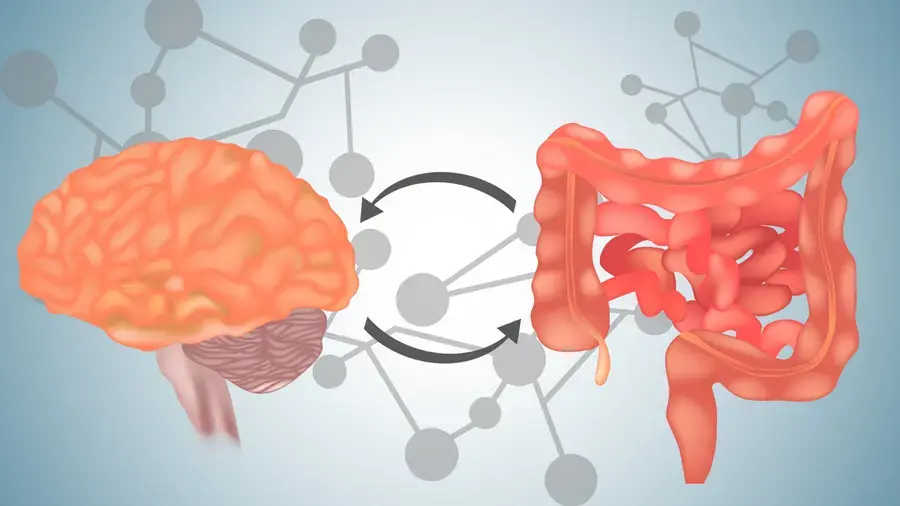
Researchers focused on antibiotic-induced gut dysbiosis, a condition marked by an imbalance in gut microbes, and examined how it affects bodily systems beyond the digestive tract. They found that disrupted gut bacteria initiate inflammatory and oxidative processes that weaken the gut barrier. These signals then travel to the brain, altering its immune environment.
According to Chakrapani, the inflammation originating in the gut does not remain localised. Instead, it influences the brain’s immune cells, known as microglia. These cells normally help maintain brain health by clearing debris and selectively pruning weak synapses. However, under prolonged inflammatory stress linked to gut dysbiosis, microglia become overactive.
Prof Korte explained that this overactivation causes microglia to eliminate not just weak synaptic connections but also healthy ones that are essential for learning and memory. This excessive synaptic pruning was associated with measurable impairments in memory and learning tasks.
The researchers noted that gut dysbiosis is becoming increasingly common due to widespread antibiotic use, highly processed diets, chronic stress, and inadequate sleep—all of which reduce microbial diversity in the gut.
Emphasising the broader implications of the findings, Korte said gut health should not be viewed solely in terms of digestion, as it also plays a crucial role in maintaining cognitive health. CUSAT said the study opens up potential intervention strategies, including careful antibiotic use, targeted probiotics, and balanced nutrition, to help protect both gut and brain function.
Chakrapani added that the research represents an important step toward understanding the complex gut–brain connection. The team plans to explore whether restoring gut microbial balance can reverse cognitive impairments and whether similar mechanisms contribute to neurodegenerative diseases.
Source: PTI