





ArdorComm Media News Network
December 5, 2025
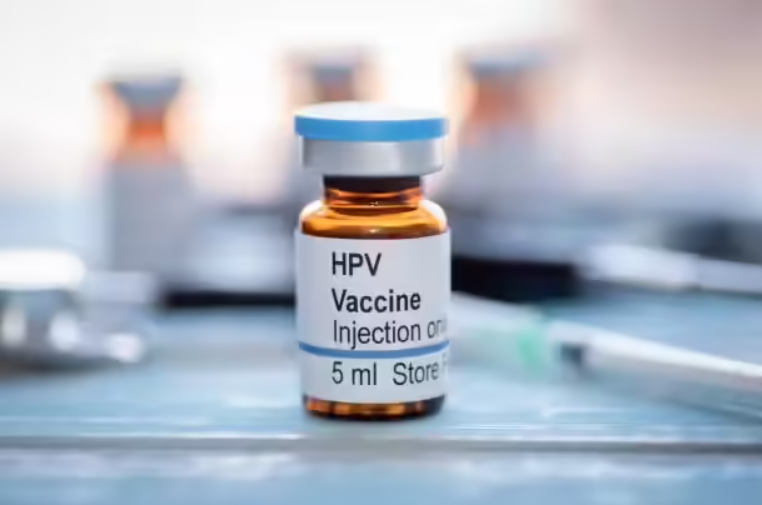
A landmark international study suggests that one dose of the HPV vaccine may be just as effective as the standard two-dose regimen, potentially transforming cervical cancer prevention efforts worldwide.
Researchers announced on Wednesday that a single human papillomavirus (HPV) vaccine shot provided nearly the same level of protection against the virus strains most linked to cervical cancer. HPV is a widespread sexually transmitted infection, and while most cases resolve on their own, persistent infections can lead to cervical cancer and several less common cancers in both women and men.
The HPV vaccine has been advised for U.S. girls since 2006, contributing to a decline in precancerous cervical conditions among women in their 20s — the first cohort vaccinated in adolescence. Still, cervical cancer remains a major global threat, causing around 340,000 deaths annually, particularly in parts of the world where vaccination access is limited.
The promising findings come from a large Costa Rica-based trial led by the U.S. National Cancer Institute, involving more than 20,000 girls aged 12 to 16. Participants received one of two widely used HPV vaccines. After six months, half received a second dose while the other half were given a different childhood vaccine. Over five years of follow-up, researchers conducted regular cervical screenings and compared results with an unvaccinated control group.
Published in the New England Journal of Medicine, the study concluded that a single dose offered about 97% protection, essentially matching the effectiveness of two doses. Dr. Ruanne Barnabas of Massachusetts General Hospital, in an accompanying editorial, highlighted that while earlier studies hinted at single-dose efficacy, this research solidifies long-term confidence in the approach.
“We now have the evidence and tools to eliminate cervical cancer — what’s needed is the global commitment to deploy them effectively and fairly,” Barnabas wrote.
In the U.S., two doses remain the official recommendation for children aged 11 or 12, with catch-up vaccinations advised up to age 26. The Centers for Disease Control and Prevention reports that 78% of teens aged 13 to 17 have received at least one dose.
Worldwide, however, fewer than one-third of adolescent girls are vaccinated, according to the World Health Organization, which has already begun supporting single-dose strategies to improve coverage.
Researchers noted that the study did not assess protection against other HPV-related cancers, such as those of the head and neck, and stressed that longer-term monitoring is still necessary.
Source: AP