ArdorComm Media Group

Sunday, March 8, 2026 10:29 PM

Banking Sector.

SBI Targets 30% Female Workforce by 2030 to Strengthen Gender Diversity
ardorcomm news

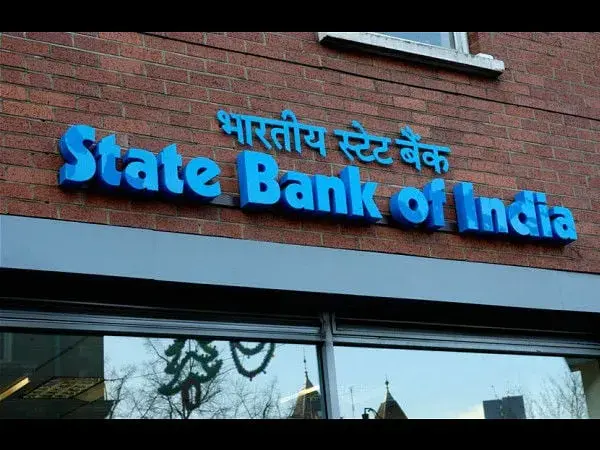
The State Bank of India (SBI), the nation’s largest public sector lender, has unveiled a comprehensive plan to enhance gender diversity across its workforce, with a goal of increasing women’s representation to 30% by 2030. Currently, women comprise about 27% of SBI’s total staff, although they account for roughly one-third (33%) of frontline roles. The bank aims to close this gap over the next five years through targeted initiatives, said Kishore Kumar Poludasu, Deputy Managing Director (HR) and Chief Development Officer (CDO), in an interview with PTI. With over 2.4 lakh employees — the highest in India’s banking sector — SBI’s focus on inclusivity reflects its broader vision of empowering women across all professional levels. “We are committed to fostering a workplace where women thrive, with equal opportunities for leadership and growth,” Poludasu said. To achieve this, the bank has implemented several women-centric policies and programmes. These include a creche allowance for working mothers, family connect initiatives, and training modules designed to help women transition smoothly after maternity, sabbatical, or long medical leaves. A key component of SBI’s diversity strategy is its flagship initiative, ‘Empower Her’, which identifies, mentors, and prepares women for leadership roles through structured coaching and leadership labs. This programme aims to build a strong talent pipeline of women leaders for future executive positions. Addressing health and wellness, the bank has introduced specific programmes such as breast and cervical cancer screenings, nutrition allowances for expectant mothers, and a Cervical Cancer Vaccination Drive. These efforts are part of SBI’s larger goal to promote the physical and emotional well-being of its female workforce. Highlighting inclusivity in action, SBI operates over 340 all-women branches nationwide — a number expected to grow as part of its empowerment drive. Women are now well represented across geographies and hierarchies, reinforcing the bank’s commitment to equality and workplace safety. SBI’s gender-focused policies are complemented by its broader digital and operational transformation. The bank continues to leverage technology to enhance customer experience and efficiency, backed by a robust pool of IT specialists. Recognised among the top 50 global banks by asset size, SBI has also been consistently acknowledged as one of the country’s best employers. Source: PTI

SBI Targets 30% Female Workforce by 2030 to Strengthen Gender Diversity Read More »
RBI Governor Urges Banks to Prioritize Governance and Ethical Practices

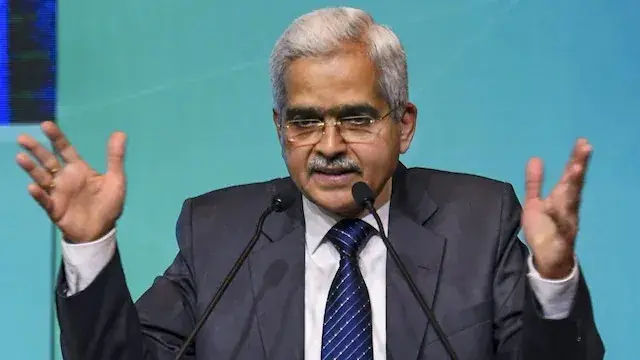
RBI Governor Shaktikanta Das on Monday called upon private sector banks to bolster their internal governance frameworks and curb unethical practices. Speaking at the Conference of Directors of Private Sector Banks in Mumbai, Das emphasized the long-term risks of practices like mis-selling products and opening accounts without proper KYC verification. “While such practices may yield short-term gains, they ultimately expose banks to reputational damage, supervisory scrutiny, and financial penalties,” he noted, urging bank boards to lead the charge in ensuring ethical operations. Das highlighted the need for banks to carefully structure employee incentives to avoid encouraging unethical behaviors. He also pointed out that the Indian banking sector is at a juncture of both opportunities and challenges, with improving financial indicators reflecting strong efforts by bank management and boards. To maintain this momentum, the governor underscored the importance of leveraging strong fundamentals to build resilience and grow sustainably. “Good times are the best times to reinforce resilience and fortify defenses,” he remarked. The governor also touched upon emerging challenges posed by technological advancements, the rise of fintech, third-party dependencies, and climate change. He urged bank boards to act as guiding beacons in this dynamic environment, helping navigate risks while steering towards stable and sustainable growth. Das reaffirmed the RBI’s commitment to supporting the banking sector in its pursuit of innovation and resilience. He emphasized that a proactive approach to governance and ethics is crucial for fostering trust and stability in India’s rapidly evolving financial landscape. Source: CNBCTV 18 Photo Credit: CNBCTV 18

RBI Governor Urges Banks to Prioritize Governance and Ethical Practices Read More »

Employee Associations Urge Merger of RRBs with Sponsor Banks for Enhanced Efficiency

Bank employee associations have called on Union Finance Minister Nirmala Sitharaman to merge Regional Rural Banks (RRBs) with their respective sponsor banks. This move aims to ensure overall efficiency and viability in the banking sector. A joint statement from the All India Bank Officers’ Confederation and the All India Bank Employees Association, representing over 6 lakh bank employees, emphasized the need for this merger. “Competition among Public Sector Banks and RRBs is leading to the wastage of scarce financial resources by offering the same types of services,” the statement read. The associations argue that despite this competition, a significant portion of the rural population is not benefiting from modern, technology-driven banking products. RRBs were established under the RRB Act of 1976 with the capital provided by the Government of India, state governments, and sponsored banks. Currently, there are 43 RRBs sponsored by 12 scheduled commercial banks, operating around 22,000 branches, 30 crore deposit accounts, and 3 crore loan accounts across 702 districts. Ninety-two percent of RRB branches are located in rural and semi-urban areas, highlighting their importance in the rural banking ecosystem. The associations believe that merging RRBs with sponsor banks would ensure uniformity in the product range offered to customers, thus accelerating the growth of the rural economy and prioritizing sector lending. “Such integration will update the skills of RRB employees to modern banking practices and effectively address staff shortages in both RRBs and sponsor banks,” they added. Additionally, they noted that the salary structures and benefits of RRB employees are broadly similar to those in sponsor banks, which would facilitate a seamless integration. “The proactive step of merging RRBs with their respective sponsor banks will facilitate enhanced supervision, governance, and accountability, ensuring greater sustainability of the entire banking sector,” the statement concluded.

Employee Associations Urge Merger of RRBs with Sponsor Banks for Enhanced Efficiency Read More »

IDFC First Bank Shareholders Approve Merger with IDFC Ltd

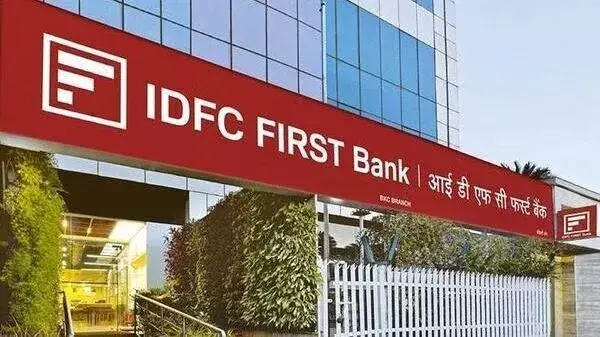
IDFC First Bank shareholders have approved the merger of IDFC Limited with the bank, marking a significant step in the amalgamation process. The National Company Law Tribunal (NCLT) convened a meeting on May 17, 2024, to consider and approve the composite scheme of amalgamation involving IDFC Financial Holding Company merging into IDFC Limited, and subsequently, IDFC Limited merging into IDFC First Bank. In the approved reverse merger scheme, IDFC shareholders will receive 155 shares of IDFC First Bank for every 100 shares they hold in IDFC Limited. Both IDFC Ltd and IDFC First Bank shares have a face value of ₹10 each. The resolution was passed by the requisite majority, with over three-fourths in value of the equity shareholders voting in favor. Additionally, the scheme received overwhelming support from Non-Convertible Debenture (NCD) holders, with 99.99% voting in favor through remote e-voting and e-voting during the meeting. The Reserve Bank of India (RBI) had already given its nod for the reverse merger in December 2023. The merger was initially approved by the boards of IDFC Financial Holding Co. Ltd, IDFC Ltd, and IDFC First Bank in July 2023. Following the announcement, IDFC First Bank shares ended 0.26% higher at ₹77.44 apiece on the BSE on Saturday. This merger aims to streamline the corporate structure and enhance the operational efficiencies of the entities involved, potentially leading to better value creation for shareholders.

IDFC First Bank Shareholders Approve Merger with IDFC Ltd Read More »