ArdorComm Media Group

Sunday, May 10, 2026 12:37 AM

COVID-19 Impact

India Among Nations with Highest Maternal Deaths in 2023 Despite Significant Progress: Global Study
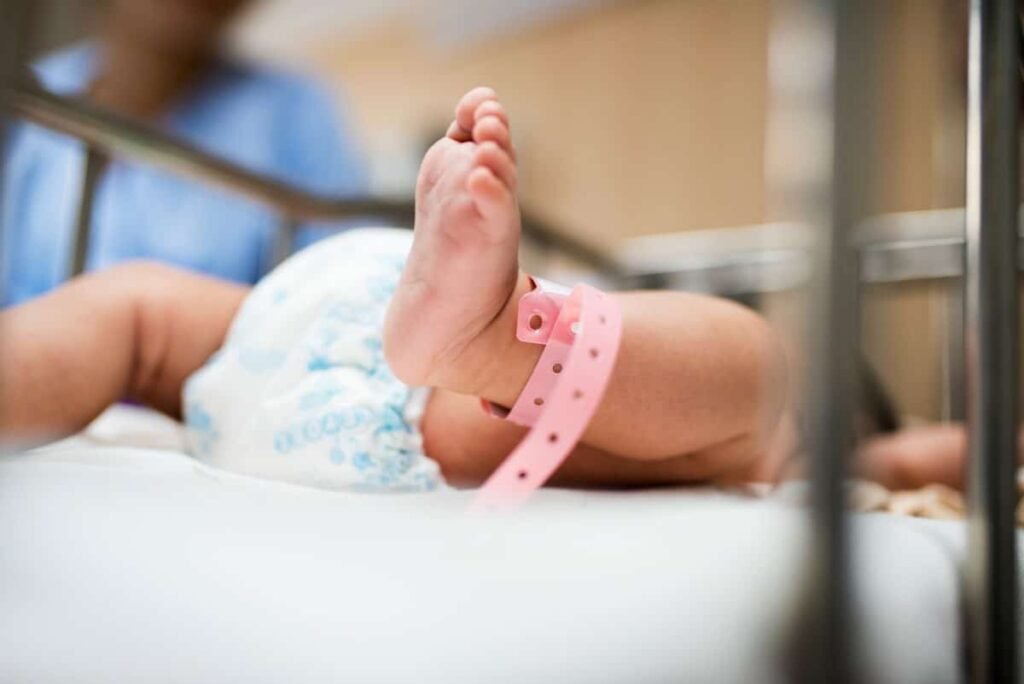
A recent global analysis published in The Lancet Obstetrics, Gynaecology, and Women’s Health has highlighted that India remains among the nations with the highest number of maternal deaths in 2023, reporting approximately 24,700 fatalities. This corresponds to a maternal mortality ratio (MMR) of 116 deaths per one lakh live births. Other countries with significant figures include Pakistan with 10,300 deaths, and African nations such as Ethiopia and Nigeria reporting 11,900 and 32,900 deaths respectively. The study, conducted by researchers from the Institute for Health Metrics and Evaluation at the University of Washington along with global collaborators, notes that while maternal mortality has declined significantly over the past 30 years, the pace of improvement has slowed and disparities across regions persist. The findings are part of the Global Burden of Disease (GBD) 2023 assessment, which evaluates trends across 204 countries. In contrast, India’s latest Sample Registration System (SRS) data for 2021–23 shows a lower MMR of 88 per one lakh live births, reflecting continued national progress. Government sources also point out that India has achieved an 86% reduction in maternal mortality since 1990, surpassing the global average decline and aligning with its commitment to meet the Sustainable Development Goal (SDG) target of reducing MMR below 70 by 2030. Globally, maternal deaths stood at around 240,000 in 2023, with an MMR of 190.5—down by more than one-third from 1990 levels. However, over half of the countries studied are still above the SDG threshold. The leading causes of maternal deaths worldwide include severe bleeding and pregnancy-related hypertensive disorders. Experts emphasize that expanding access to antenatal care, ensuring safe childbirth services, strengthening emergency obstetric care, and improving postnatal follow-up can significantly reduce maternal deaths. The study also noted that the COVID-19 pandemic temporarily reversed progress, contributing to increased maternal mortality during its early phase. With less than five years left to achieve global targets, the report calls for renewed focus, stronger health systems, and sustained investments to accelerate progress in maternal health outcomes. Source: PTI

India Among Nations with Highest Maternal Deaths in 2023 Despite Significant Progress: Global Study Read More »

AIIMS study reveals high prevalence of catheter-related infections in Indian hospitals

A nationwide study led by the All India Institute of Medical Sciences (AIIMS), New Delhi, has revealed that bloodstream infections linked to catheter use are widespread in intensive care units (ICUs) across India, with many cases caused by highly drug-resistant microbes. These hospital-acquired infections, known as Central Line-Associated Bloodstream Infections (CLABSI), occur when a catheter inserted into a large vein becomes contaminated. According to estimates published in The Lancet Global Health, Indian ICUs report nearly nine infection events for every 1,000 days a central line remains in use. The AIIMS-led team analysed seven years of data collected by the Indian Healthcare-Associated Infections (HAI) surveillance network, spanning 200 ICUs across 54 hospitals. Between May 2017 and April 2024, the network recorded 8,629 confirmed CLABSI cases, covering more than 3 million patient-days and nearly 1 million central line-days. The pooled CLABSI rate was found to be 8.83 per 1,000 central line-days. The study also observed a spike in infection rates during 2020–21, coinciding with the COVID-19 pandemic. Researchers attributed this surge to overburdened ICUs, staff shortages, and lapses in infection prevention practices. Experts stressed that while CLABSI is preventable, establishing systematic infection surveillance and prevention programs requires significant resources—a major challenge for low- and middle-income countries like India. Nevertheless, the findings mark the first large-scale, standardised surveillance report on CLABSI in India, offering a foundation for healthcare systems to adopt quality improvement measures. Source: PTI Photo Credit: AFP  

AIIMS study reveals high prevalence of catheter-related infections in Indian hospitals Read More »

Delhi Govt Mandates Private Schools to Support Students Who Lost Parents Post-2020

The Delhi Education Department has issued a directive to private schools, urging them to extend support to students who lost one or both parents after March 2020. This initiative aims to ensure uninterrupted education for these vulnerable students through provisions like free ship or classification under the Economically Weaker Section (EWS) or Disadvantaged Group categories. The circular emphasizes that private unaided and aided recognized schools must provide the necessary educational support to orphans and children who have lost a parent, whether due to COVID-19 or other circumstances. Schools operating on land allotted by the Delhi Development Authority (DDA) or government are required to immediately place these students under the free ship category, ensuring that their education continues without financial burden. District Deputy Directors of Education (DDEs) have been instructed to monitor and facilitate this process, ensuring no delays at the school, zonal, or district level. The directive mandates that all eligible students be enrolled under the EWS category, allowing them access to the necessary educational resources and support systems. Private schools are entitled to claim reimbursement for these students’ fees up to the elementary level from the Directorate of Education, Delhi. For students who have completed Class 8, the circular advises that they should be guided towards admission into government schools, ensuring a smooth transition and continued access to education. This measure is part of the Delhi government’s broader strategy to provide educational support to children affected by the pandemic and its aftermath. The Delhi government’s initiative underscores a commitment to safeguarding the educational rights of children who have experienced significant personal loss, ensuring that financial constraints do not impede their future opportunities. Source: India Today  

Delhi Govt Mandates Private Schools to Support Students Who Lost Parents Post-2020 Read More »

AIIMS Delhi Identifies Cases of ‘Walking Pneumonia’-Causing Bacterium; Ministry Dismisses Link to China’s Recent Outbreak

The All India Institute of Medical Sciences (AIIMS) in Delhi has identified seven cases of Mycoplasma pneumoniae, the bacterium associated with ‘Walking Pneumonia.’ The cases were detected between April and September this year and were reported in a study published in the Lancet Microbe journal. Notably, ‘Walking Pneumonia’ cases have been reported globally since October, including in China. Contrary to concerns about a link to the recent surge in respiratory infections in children, especially in China, the Union Health Ministry clarified that these seven cases have no connection to the ongoing outbreaks. The ministry stated that the cases were part of an ongoing study at AIIMS Delhi, spanning April to September 2023, and reassured the public that there’s no cause for worry. The ministry emphasized that no Mycoplasma pneumonia was detected in the 611 samples tested at AIIMS Delhi from January 2023 to the present, and there has been no surge reported in any part of India. AIIMS Delhi is part of a global consortium monitoring the spread of Mycoplasma pneumoniae, and the surveillance is conducted only at specific centers, including AIIMS Delhi. The study highlighted the re-emergence of Mycoplasma pneumoniae in Europe and Asia more than three years after the introduction of COVID-19 pandemic restrictions. ‘Walking Pneumonia’ is a milder form of bacterial infection that resembles a cold, allowing infected individuals to continue with daily activities. The infection is particularly risky for individuals aged 2 or younger, 65 or older, those with weakened immune systems, chronic respiratory conditions, or exposure to crowded places. Symptoms include sore throat, fatigue, chest pain, low-grade fever, chills, cough, sneezing, and headache. Preventive measures recommended by health experts include proper respiratory hygiene, regular handwashing, wearing masks around sick individuals (especially for those with respiratory conditions), getting an annual flu shot, avoiding smoking and secondhand smoke, and timely medical intervention using antibiotics and over-the-counter medicines. The Union Health Ministry continues to collaborate with state health authorities, closely monitoring the situation and providing timely updates to the public.

AIIMS Delhi Identifies Cases of ‘Walking Pneumonia’-Causing Bacterium; Ministry Dismisses Link to China’s Recent Outbreak Read More »