ArdorComm Media Group

Friday, March 20, 2026 9:49 PM

Digital Education

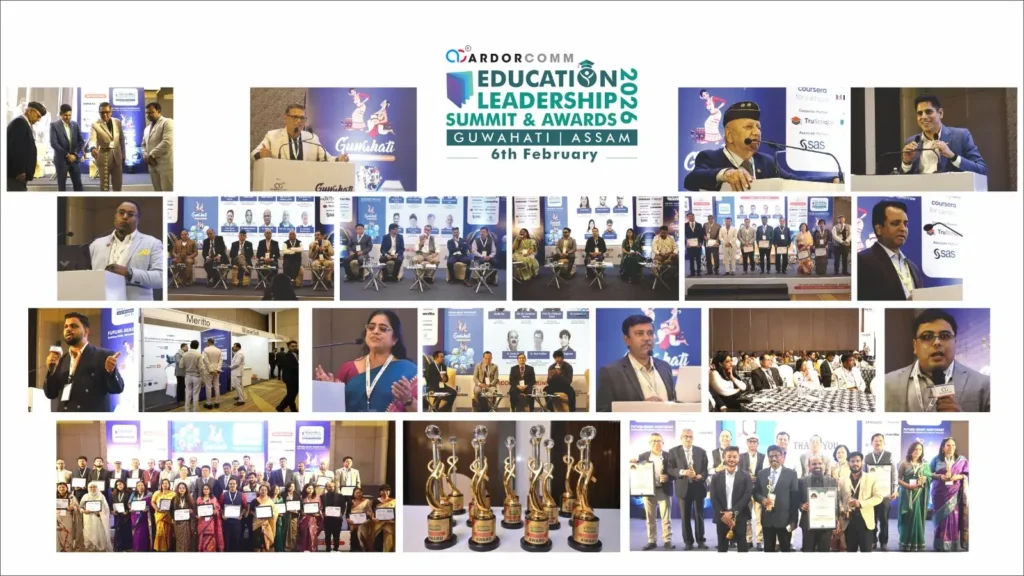
ArdorComm Education Leadership Summit & Awards 2026 held in Guwahati, Assam on 6th February 2026

The ArdorComm – Education Leadership Summit & Awards 2026, held on 6th February 2026 in Guwahati, Assam, emerged as a powerful confluence of ideas, inspiration and action, spotlighting the North East as a fast-evolving education and skills hub of India. Centred on the theme “Future-Ready Northeast: Building Skills, Mindsets for a Smarter Tomorrow”, the summit brought together senior education leaders, policymakers, academicians, EdTech innovators and industry experts from across the region and beyond. Organised by ArdorComm Media Group, the flagship summit reaffirmed the organisation’s commitment to fostering dialogue, collaboration and recognition across India’s education ecosystem—this time with a sharp focus on the immense potential and progress of the North Eastern states. Showcasing the Northeast’s Education Transformation The summit highlighted how Northeast India is undergoing a quiet but powerful transformation in education, driven by improved literacy rates, enhanced digital infrastructure, policy-led reforms and growing private participation. Discussions underscored the region’s journey from access-led education to outcome-oriented, future-ready learning models. Speakers extensively explored the opportunities unlocked by NEP 2020, particularly its emphasis on regional languages, multidisciplinary learning, skill integration and alignment with local economic and employment needs. The role of education in nurturing entrepreneurship, employability and innovation within the region was a recurring theme across sessions. With growing investments in universities, private unaided schools, vocational training centres and EdTech-enabled classrooms, the Northeast is increasingly positioning itself as a model region for inclusive and tech-driven education. Support from Esteemed Government Leaders The ArdorComm – Education Leadership Summit & Awards 2026 – Guwahati received strong encouragement and goodwill from distinguished leaders of the Government of Assam, underscoring the importance of collaborative efforts in advancing education, skills and youth development in the region. Smti. Nandita Garlosa, Hon’ble Minister of Sports & Youth Welfare, Government of Assam, extended her warm wishes to the summit, appreciating initiatives that focus on empowering youth through education, skill development and holistic growth. Dr. Ranoj Pegu, Hon’ble Minister of Education, Welfare of Plain Tribe & Backward Classes, Government of Assam, conveyed his best wishes for the event and acknowledged the role of such platforms in strengthening education systems, promoting inclusivity and aligning learning with the aspirations of the future workforce. Shri Prasanta Phukan, Hon’ble Minister for Power, Skill, Employment & Entrepreneurship, Medical Education & Research, Government of Assam, also shared his warm regards for the summit, recognising the significance of industry–academia collaboration in building a skilled, employable and future-ready talent pool for the state and the region. Their encouragement and goodwill added immense value to the summit and reaffirmed the collective commitment towards nurturing a future-ready Northeast through education, skills and innovation. Industry Leaders and Keynote Speakers The summit opened with an impactful Inaugural Session on “Future-Ready Northeast: Building Skills & Mindsets for a Better Tomorrow”, setting the tone for a day of forward-looking discussions. Kumar Chandan Anand, Founder, CEO & Group Editor, ArdorComm Media Group, delivered the Welcome Address, highlighting ArdorComm’s commitment to fostering collaborative platforms that drive inclusive, future-ready education. The Guest of Honour, Shri R. C. Jain, IAS (Retd.), Chairman, Assam State School Education Board (ASSEB), Government of Assam, shared insights on strengthening school education and aligning learning outcomes with the vision of NEP 2020. The session was further enriched by Maj. Gen. B. D. Wadhwa, AVSM, Pro Chancellor (Emeritus), IILM University, Greater Noida, who emphasised leadership and values-based education, and Aaditya Razdan, Senior Enterprise Director, Coursera, who spoke on the growing role of digital platforms and industry-aligned learning in building future-ready skills for the Northeast. Panel 1, titled “NEP and Tech Advantage for KG to PG: Building a Future-Ready Generation”, brought together education leaders from school and higher education to discuss how NEP 2020 and technology can collectively transform learning across the entire academic continuum. Moderated by Sandip Sen, Principal, SERS Public School, Guwahati, the panel featured Cdr. (Dr.) Gurdaman Sharma, Vice Chancellor, SRM University, Gangtok; Prof. (Dr.) Ginlianlal Buhril, Vice Chancellor, ICFAI University, Mizoram; Dr. Nitai Pradhan, Principal, Good Shepherd’s Home English Medium High School, Nagaon; and Mohan Raghavan, Director, Mind Matters Educational Group, Guwahati. The discussion highlighted curriculum flexibility, experiential learning, digital integration and teacher preparedness as critical enablers for nurturing future-ready skills and mindsets from early childhood education to higher education. Panel 2, titled “Digital Pathways to Lifelong Learning: Balancing Innovation, Inclusion & Ethics”, focused on how digital transformation can enable continuous learning while remaining equitable and responsible. Moderated by Gariasi Dutta, Chairperson, The down town Group Schools, Guwahati, the panel featured Diwan Siraj Munir, Executive Director & CEO, Sublime Academy, Barpeta; Dr. Durlav Sarkar, Founder & Director, Gurukul Group of Educational Wing, Mangaldai; Mallika Das Singh, Founder & Director, Lakshya International School, Tezpur; and Anuraag Saraf, Founder & Director, Mind Matters Educational Group, Guwahati. The discussion emphasised ethical use of technology, inclusive digital access, blended learning models and the importance of fostering critical thinking and digital citizenship across all stages of education. Panel 3, titled “Bridging Education and Employability: Skills for the 21st Century Workforce”, brought the spotlight on aligning academic frameworks with evolving industry demands and employability outcomes. Moderated by Prof. Himanshu Panchal, Vice Chancellor, EdTech Skills University, Tinsukia, the panel featured Kuldip Sarma, Co-Founder & Pro-Chancellor, Medhavi Skills University, Singtam; Manik Kathuria, Regional Account Director, Coursera; Maj. Gen. B. D. Wadhwa, AVSM, Pro Chancellor (Emeritus), IILM University, Greater Noida; Prof. (Dr.) K. V. S. Sarma, Vice Chancellor, National Law University and Judicial Academy, Guwahati; Dr. Bibhas Deb, Vice Chancellor, Maharaja Bir Bikram University, Agartala; Prof. (Dr.) Ajeya Jha, Vice Chancellor, Arunachal University of Studies, Namsai; and Dr. Debmalya Bhattacharya, Pro Vice Chancellor, MIT University of Meghalaya. The discussion underscored the importance of industry-aligned curricula, experiential learning, micro-credentials, leadership development and strong academia–industry partnerships in preparing a future-ready workforce for the Northeast and beyond. Panel 4, titled “Reimagining Higher Education in the Digital Era: Transformation, Trends & Pathways”, explored how universities are navigating digital disruption while rethinking academic delivery, governance and student engagement. Moderated by Prof. (Dr.) Prakash Divakaran, Vice Chancellor, Himalayan University, Itanagar, the panel featured Subrato Ganguly, Senior Manager


ArdorComm Education Leadership Summit & Awards 2026 held in Guwahati, Assam on 6th February 2026 Read More »

Economic Survey 2025–26 flags learning gaps, higher education quality as key education challenges

The Economic Survey 2025–26, presented in Parliament by Union Finance Minister Nirmala Sitharaman on Thursday, has underlined learning outcomes and the quality of higher education as the next major hurdles for India’s education system. While India has largely achieved universal enrolment at the school level, the Survey cautions that enrolment gains have not translated evenly into learning outcomes. The challenge becomes sharper beyond the elementary stage, with the net enrolment ratio (NER) at the secondary level standing at just 52.2%. This, the Survey notes, underscores the urgent need to retain students beyond Class 8. A major concern highlighted is the uneven distribution of schools across regions. Around 54% of schools in the country offer only foundational and preparatory education, whereas just 17.1% provide secondary education in rural areas. In contrast, urban regions have a significantly higher share of secondary schools at 38.1%. This imbalance restricts rural students’ access to higher classes, leading to longer travel times, higher dropout rates and significant transition losses. The data shows a steady decline in enrolment as students move from foundational and preparatory stages to middle and secondary levels in rural India. Urban areas, however, witness an increase in enrolment from middle to secondary stages, pointing to persistent rural–urban disparities. Grade-wise trends further confirm a sharp drop in participation at the secondary level. The Survey acknowledges progress made through investments in infrastructure and teacher capacity, supported by schemes such as Samagra Shiksha Abhiyan and Poshan Shakti Nirman, which have improved access and equity. However, it stresses that the policy focus must now shift decisively from enrolment to learning outcomes. To improve retention and optimise resources, the Survey recommends expanding composite and integrated schools, upgrading schools up to Class 7, and strengthening open schooling systems. It also calls for better infrastructure, enhanced teacher training through District Institutes of Education and Training (DIETs) and State Councils of Educational Research and Training (SCERTs), and greater involvement of parents and communities in school governance. Aligning curriculum and assessment reforms with the National Education Policy (NEP), along with the effective use of digital platforms such as PM e-Vidya, could help deliver equitable and high-quality education, even in remote areas, the Survey suggests. On higher education, the Survey notes the rapid growth in institutions and student enrolment over the past decade but raises concerns about quality, faculty shortages and uneven research capabilities. It advocates greater institutional autonomy, stronger academic leadership, and deeper integration of research and innovation to enhance global competitiveness. The Survey also emphasises the need for experience-based and skill-oriented learning, observing that conventional classroom models often fail to bridge the gap between theory and practice. Expanding vocational education, internships and industry partnerships is seen as critical to improving employability and aligning education with labour market needs. While digital education initiatives are recognised as powerful tools for expanding reach, especially in underserved regions, the Survey cautions that technology cannot replace strong pedagogy and well-trained teachers, and must be supported by sustained investments in human capacity. Source: Indian Express

Economic Survey 2025–26 flags learning gaps, higher education quality as key education challenges Read More »

Republic Day Parade 2026: School Education Ministry highlights NEP 2020 and India’s knowledge heritage

At the Republic Day Parade 2026, the Department of School Education and Literacy presented a visually rich tableau that traced India’s civilisational wisdom and its transformation through the National Education Policy (NEP) 2020. The display positioned school education as a cornerstone in the journey towards Viksit Bharat 2047, seamlessly connecting the past, present, and future of learning. Anchored by the gateway of a PM SHRI School, the tableau narrated a story that moved from ancient intellectual traditions to future-ready education. At the forefront stood Aryabhata, overlooking cheerful children holding Shunya (zero) and a globe — a powerful symbol of India’s historic contributions to global knowledge and the responsibility of passing this legacy to the next generation. Flowing behind them, expansive wings represented NEP 2020, signifying confidence, opportunity, and global preparedness, all firmly rooted in the spirit of Aatmanirbharta. The theme of “ancient roots, digital wings” came alive through children wearing VR headsets, while the Jaadui Pitara showcased joyful, play-based foundational learning using indigenous toys and multilingual, mother-tongue materials. The PM SHRI School entrance depicted students planting saplings, reinforcing values of inclusion, sustainability, and environmental stewardship aligned with Mission LiFE. Another student working with tools highlighted the early integration of skill-based education. At the heart of the tableau, the holistic vision of education was portrayed through martial arts, performing arts, and sports, underscoring balanced development. A robotic hand symbolised the harmony between tradition and technology — the journey from takhti to tablet — guided by strong cultural values. The narrative culminated at the Viksit Bharat 2047 tower, showcasing smart classrooms, tinkering labs, and innovation hubs. Visual elements such as books, gears, and electronic circuits reflected PM SHRI Schools as living embodiments of NEP 2020, committed to nurturing skilled, ethical, and empowered citizens across regions, genders, and abilities. The tableau ultimately presented NEP 2020 as a powerful catalyst — a rocket driving transformative reforms in school education — propelling India steadily towards the goal of becoming a developed nation. Source: PTI

Republic Day Parade 2026: School Education Ministry highlights NEP 2020 and India’s knowledge heritage Read More »

CBSE Unveils Career Guidance Dashboard and Mental Health Support Network for Schools

In a significant step towards student empowerment and well-being, the Central Board of Secondary Education (CBSE) has launched two major initiatives for the academic year 2025-26 — the CBSE Career Guidance Dashboard and the Counseling Hub and Spoke School Model. Announced on August 7 at the CBSE Integrated Office in Dwarka, these initiatives aim to equip students with both future-ready career planning tools and robust psychosocial support systems within schools. The Career Guidance Dashboard, accessible at cbsecareerguidance.in, is a digital platform offering students a wealth of resources for exploring career options in a structured and informed manner. It is designed to support students at various academic levels as they make decisions about their future educational and career paths. Complementing this, the CBSE Counseling Hub and Spoke Model introduces a community-based approach to mental health support. Under this model, selected CBSE-affiliated “hub” schools will serve as training and resource centres, offering guidance and best practices to surrounding “spoke” schools within their region. This connected network encourages collaboration, peer learning, and the development of emotionally resilient school environments. “The hub and spoke model is not just about guidance — it’s about creating a culture of care and shared learning among schools,” CBSE stated in its official communication. The launch event drew participation from over 500 school leaders, wellness coordinators, and counselors from across the country. During the event, CBSE Chairperson Rahul Singh, IAS underscored how these initiatives reflect the vision of the National Education Policy (NEP) 2020, especially in making education more inclusive, student-centric, and technology-enabled. CBSE Secretary Himanshu Gupta, IAS also highlighted the urgent need for a more structured approach to mental health in schools and commended institutions that actively help students navigate academic and emotional challenges. A detailed session on the Counseling Hub and Spoke Model outlined its implementation roadmap, including roles, responsibilities, training protocols, and evaluation strategies to ensure consistent and measurable impact. The event also featured a keynote by Dr. Sanyam Bhardwaj, CBSE Controller of Examinations, who elaborated on the board’s post-NEP 2020 reforms. Panel discussions brought together voices from diverse schools, offering real-world insights into integrating career counseling and mental wellness into school systems. CBSE reaffirmed its commitment to holistic student development and called for stronger collaboration among educators, administrators, and mental health professionals. “With these initiatives, CBSE is reinforcing its mission to nurture not just academically successful students, but also emotionally and socially balanced individuals,” the Board said in its official statement. Source: Indian Express  

CBSE Unveils Career Guidance Dashboard and Mental Health Support Network for Schools Read More »

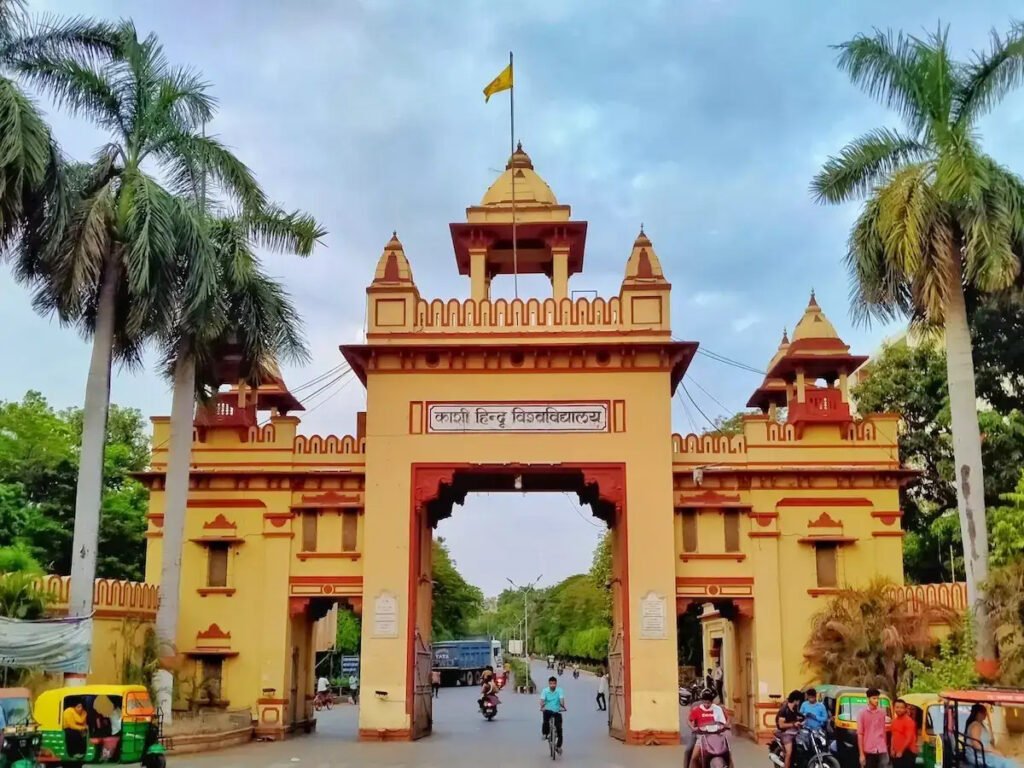
BHU Rolls Out 63 New SWAYAM Courses for 2025, Takes Lead in Digital Education

Ardorcomm news

Banaras Hindu University (BHU) has introduced 63 newly developed online courses on the SWAYAM platform for the upcoming 2025 academic session. Registration is currently open at swayam.gov.in/INI, with classes scheduled to commence on July 21 and August 18. These SWAYAM courses, designed to span four, eight, or twelve weeks, cater to a broad range of academic disciplines including commerce, management, humanities, arts, social sciences, psychology, life sciences, law, engineering, and Ayurveda. The curriculum includes both conventional subjects and modern, interdisciplinary topics. Final examinations for these programmes will be held in October 2025. SWAYAM (Study Webs of Active Learning for Young Aspiring Minds) is a flagship initiative by the Ministry of Education that offers free access to high-quality online courses for learners across the country. BHU has actively supported this initiative and, over the past two sessions, has already developed 37 such programmes. Recognizing BHU’s dedication to expanding digital education, the Ministry of Education has designated the university as the National Coordinator (NC) for Institutions of National Importance (INIs) on the SWAYAM platform. As part of this role, BHU will oversee the design, academic quality, and implementation of online courses created by more than 160 prestigious institutions, including IITs and Central Universities. Dr. Ashutosh Mohan from BHU’s Institute of Management Studies has been appointed as the official National Coordinator for this initiative. The university is now tasked with supporting the academic delivery, administration, and strategic growth of SWAYAM’s Massive Open Online Courses (MOOCs) developed by INIs nationwide. Additionally, BHU has launched a dedicated portal news.bhu.ac.in to highlight its digital learning initiatives, student welfare activities, faculty development programs, and broader institutional achievements. The website serves as a central hub for news, events, research projects, patents, and multimedia content, offering a detailed look into life at the university. Source: Indian Express

BHU Rolls Out 63 New SWAYAM Courses for 2025, Takes Lead in Digital Education Read More »

Cybersecurity in Education: Protecting Students in the Digital World

As classrooms evolve from chalkboards to Chromebooks, the education sector is increasingly vulnerable to one of the most pressing threats of the 21st century—cyberattacks. With institutions rapidly adopting digital platforms for learning, administration, and communication, safeguarding the digital safety of students, teachers, and institutional data has become more crucial than ever. The Rise of Cyber Threats in Education Educational institutions are gold mines for cybercriminals. They store vast amounts of sensitive data—from student records and academic histories to biometric information and financial details. According to reports, the education sector is among the top five most targeted industries globally for cyberattacks. Common cyber threats include: Phishing Emails: Deceptive emails tricking students or staff into revealing personal information or login credentials.  Ransomware: Malicious software that locks data until a ransom is paid.  Data Breaches: Unauthorized access to student records and research data.  DDoS Attacks: Distributed Denial-of-Service attacks that crash school websites or learning management systems.  Why Are Educational Institutions Targeted? Low Security Infrastructure: Many institutions, especially in developing countries, operate on outdated systems and lack dedicated IT teams.  Human Error: Students and faculty often lack training in identifying cyber threats, making them easy targets.  High-Value Data: Student identity information can be used for identity theft, while research data is valuable for industrial espionage.  Impact on Students and Learning Cybersecurity lapses in education don’t just compromise data—they disrupt learning and psychological well-being. For example: School closures due to ransomware attacks can lead to missed classes and exams.  Loss of personal data can lead to identity theft and long-term emotional distress.  Exposure to inappropriate or harmful online content through unsecured platforms can impact student safety and mental health.  Protective Measures for Institutions To build a digital fortress around education, institutions must adopt a multi-layered approach: 1. Invest in Cybersecurity Infrastructure Upgrade legacy systems and software regularly.  Use firewalls, antivirus software, and encryption protocols.  Implement Multi-Factor Authentication (MFA) for all user accounts.  2. Conduct Regular Training and Awareness Organize workshops for students, faculty, and staff on recognizing phishing, handling passwords, and reporting suspicious activity.  Encourage cyber hygiene practices such as not sharing credentials or clicking unknown links.  3. Secure Learning Management Systems (LMS) Opt for reputable and secure platforms.  Regularly audit permissions and user access levels.  4. Develop and Test Incident Response Plans Have a clear strategy for identifying, reporting, and recovering from cyber incidents.  Run simulation drills to ensure readiness.  5. Foster a Culture of Digital Responsibility Include digital citizenship and online safety in school curricula.  Promote ethical tech use and respect for privacy among students.  Role of Government and Policy Several governments are waking up to the urgency of cybersecurity in education: In India, initiatives like Cyber Surakshit Bharat and Digital India aim to promote safe digital practices.  The U.S. K-12 Cybersecurity Act provides funding and guidance to public schools for cybersecurity preparedness.  The European Union’s GDPR has raised awareness about data protection responsibilities in educational institutions.  Collaboration is Key Cybersecurity is not just the IT department’s job. It requires a collaborative effort between: School management to fund and prioritize digital safety.  Teachers and students to remain vigilant.  Parents to reinforce safe practices at home.  EdTech providers to build privacy-first platforms.  Looking Ahead: A Secure Digital Future for Learning Education is the cornerstone of progress—and its digital transformation must be safeguarded. As we embrace online learning, AI tools, and smart classrooms, cybersecurity can no longer be an afterthought. It’s time to put student safety at the heart of digital innovation. By integrating robust cybersecurity strategies, raising awareness, and encouraging a culture of digital responsibility, we can create safe, inclusive, and future-ready learning environments—where education flourishes without fear.  

Cybersecurity in Education: Protecting Students in the Digital World Read More »

ArdorComm – Digital Bharat Education Conclave 2025 held at Holiday Inn Mumbai International Airport, an IHG Hotel, Mumbai on 31st January 2025

The Digital Bharat Education Conclave 2025, hosted by ArdorComm Media Group, successfully concluded on 31st January 2025 at the Holiday Inn Mumbai International Airport. This grand event brought together a dynamic mix of academicians, educators, industry leaders, policymakers, edtech startups, and corporate visionaries from across India. Focused on the theme “Reimagining Education in Digital Bharat: Advancing Skills & Digital Pathways,” the conclave explored the transformative power of digital education, AI-driven learning, immersive technologies, and skill development for the 21st-century workforce. A Day of Insightful Discussions and Collaborations The conclave featured a power-packed agenda, including panel discussions, industry presentations, roundtable discussions, and over 50 expert speakers sharing their perspectives on the future of education in India. The participation of over 150+ higher education leaders, 100+ school education representatives, and various EdTech corporates highlighted the event’s significance in shaping the future of digital learning. Some of the key discussion topics included: The NEP and Digitalization: Driving India’s Education Revolution The Future of Lifelong Learning: Upskilling and Reskilling in the Digital Age Empowering Students for the Global Stage: Skills for the 21st-Century Workforce The Rise of AI, Metaverse & Immersive Technologies in Education Digital Infrastructure & Smart Campus: Building a Future-Ready EdTech Ecosystem Maharashtra Leadership Extends Best Wishes to ArdorComm Media The ArdorComm – Digital Bharat Education Conclave 2025 received esteemed best wishes and appreciation from Shri Devendra Fadnavis, Hon’ble Chief Minister of Maharashtra, Shri Ajit Pawar, Hon’ble Deputy Chief Minister of Maharashtra, and Shri Chandrakant Patil, Hon’ble Minister of Higher & Technical Education & Parliamentary Affairs of Maharashtra. Their support underscored the significance of digital transformation in education and the state’s commitment to fostering innovation, skilling, and technology-driven learning. Their encouragement further reinforced the event’s mission to advance digital pathways in education and empower future generations. Industry Leaders and Keynote Speakers The Digital Bharat Education Conclave 2025 began with a Welcome Address by Kumar Chandan Anand, Founder, CEO & Group Editor, ArdorComm Media Group. The event featured esteemed guest speakers, including Prof. (Mrs.) Rajita Kulkarni, President, Sri Sri University, Cuttack; Dr. Seema Negi, Director Principal, Sanjeevani World School, Mumbai; and Avijit Nair, CEO, Akemi Group of Institutes, Pune. Their thought-provoking addresses set the stage for a day of impactful discussions, fostering collaborative growth and knowledge-sharing in the education ecosystem. The first panel discussion of the Digital Bharat Education Conclave 2025 focused on the impact of the National Education Policy (NEP) and digitalization in transforming India’s education landscape. The session was moderated by Deepa Bhushan, Director, C P Goenka International Schools, Mumbai and featured an esteemed panel of speakers, including Sudhir Kukreja, Co-Founder, Kidzonia International School & Credence International Schools, Navi Mumbai; Prof. (Dr.) Ambuj Jagdish Gupta, Dean – School of Management, Ajeenkya DY Patil University, Pune; Dr. Parag Amin, Registrar, ATLAS SkillTech University, Mumbai; Niti Desai, Director, S E International School, Mumbai; and Shim Mathew, Director – Academic Operations, VIBGYOR Group of Schools, Mumbai. The second panel discussion at the Digital Bharat Education Conclave 2025 explored the evolving landscape of lifelong learning, upskilling, and reskilling in the digital era. The session was moderated by Dr. Seema Negi, Director Principal, Sanjeevani World School, Mumbai, and featured an esteemed panel of speakers, including Dr. Kavita Aggarwal, Director/Head of School- D.G., Khetan International School & Chairperson of MISA, Mumbai; Sharonee Mullick, Director, Singapore International School, Mumbai; Dr. Yasmin Pirzada, Founder & Trustee, Belvedere Spring School International, Mumbai; Debika Chatterji, Director – Principal, JBCN International School, Mumbai; and Dr. Gretta Sequeira, Founder – Principal, Aquinas International School Mumbai, Mumbai. The third panel discussion at the Digital Bharat Education Conclave 2025 focused on the essential skills needed for students to succeed in the 21st-century workforce. The session was moderated by Avijit Nair, CEO, Akemi Group of Institutes, Pune, and featured a distinguished panel of speakers, including Prof. (Mrs.) Rajita Kulkarni, President, Sri Sri University, Cuttack; Dr. Jaywant V. Shelar, Vice Chancellor, ITM Skills University, Navi Mumbai; Dr. Mohammed Aslam Khan, Executive Chairman, AI’s Board of Vocational and Technical Education, Mumbai; and Prof. Swati More, Director – Central Corporate Relations & Placements Cell, MIT-ADT University, Pune. The fourth panel discussion at the Digital Bharat Education Conclave 2025 delved into the impact of AI, the Metaverse, and immersive technologies on education. The session was moderated by Prof. (Dr.) Sanjeev Sharma, Founding Director, R.D. Engineering College, Ghaziabad, and featured an esteemed panel of speakers, including Dr. Pravin H. Shingare, Pro Chancellor, Krishna Vishwa Vidyapeeth (Deemed to be University), Karad; Prof. Prabhat Ranjan, Vice Chancellor, D Y Patil International University, Akurdi; Prof. (Dr.) Milind Pande, Pro Vice Chancellor, Dr. Vishwanath Karad MIT World Peace University, Pune; and Prof. (Dr.) Satish Kumar Modh, Pro Vice Chancellor, Somaiya Vidyavihar University, Mumbai. The fifth panel discussion at the Digital Bharat Education Conclave 2025 focused on the role of digital infrastructure and smart campuses in shaping a future-ready EdTech ecosystem. The session was moderated by Dr. C. M. Sedani, Principal & Director, P K Technical Campus, Pune, and featured a distinguished panel of speakers, including Prof. Prasad Joshi, Vice Chancellor (A.), Deccan College Post Graduate & Research Institute (Deemed to be University), Pune; Ashok Kumar Reka, Chairman, Rishi Gurukul International Engineering School, Telangana; Dr. Devendra Puntambekar, Director, Skill Development & E-learning, School of Online Education, BVP Deemed-to-be-University; and Dr. Pranav Charkha, Dean, SOET, D.Y. Patil University, Pune, Ambi. The Digital Bharat Education Conclave 2025 featured an insightful Roundtable Discussion on the topic “From Chalkboards to Digital Boards – The Evolution of Classroom Interaction”. The session brought together key leaders and experts from the education and technology sectors to discuss the impact of digital tools on teaching methodologies, student engagement, and the overall learning experience. The discussion was enriched by the participation of distinguished professionals, including: Avinash Sharma, BDM WEST, Samsung Electronics India Pvt Ltd Saurabh Karemore, Deputy General Manager, Samsung Electronics India Pvt Ltd Anne Dias, Director, VIBGYOR Group of Schools Seema Sheikh, Principal Director, Pragyna Bodhini High School Swarupa Chakraborti, Principal, MIT Vishwajyoti International School Dr. Vidyaa Patiil, Principal, Dr. Shivajirao S Jondhle

ArdorComm – Digital Bharat Education Conclave 2025 held at Holiday Inn Mumbai International Airport, an IHG Hotel, Mumbai on 31st January 2025 Read More »

Delhi’s Republic Day Tableau Highlights Capital’s Educational Revolution

Delhi’s tableau at the Republic Day parade 2025 captured the nation’s attention, showcasing the city’s transformation into a hub for quality education, research, and technological advancement. The tableau, displayed at the Kartavya Path, underlined key achievements in digitalisation, higher education, and the integration of robotics in medical training. The vibrant display featured a girl working with laboratory instruments, children symbolising aspirations, and a tree of knowledge emerging from a laptop—powerful imagery representing Delhi’s strides in education. The tableau celebrated the AAP government’s initiatives since 2015, including the ‘Happiness Curriculum,’ ‘Mission Buniyaad,’ and international teacher training programs, which have collectively improved public school infrastructure, addressed resource shortages, and increased funding for education. Delhi’s public schools, catering to over 1.5 million students, have become a model of accessible and quality education. The focus on free education and infrastructure improvements has set a benchmark for the rest of the country. The tableau’s theme aligned with this year’s broader Republic Day focus on “virasat” (heritage) and “vikas” (progress). With 16 tableaux from states and union territories and 15 from central ministries and organizations, Delhi’s presentation stood out for its emphasis on education reform. The timing of the tableau’s message is significant, with assembly elections around the corner. It served as a strong reminder of the AAP government’s vision for the capital’s future and its commitment to education as a catalyst for change.

Delhi’s Republic Day Tableau Highlights Capital’s Educational Revolution Read More »

Tech-Driven Education: The Rise of E-Learning in the Digital Age

ardorcomm-news

In today’s digital age, technology has revolutionized nearly every aspect of our lives, including education. Traditional classrooms are no longer the sole avenue for learning, as e-learning has emerged as a prominent alternative. Enabled by technology, e-learning provides a flexible, accessible, and personalized approach to education. This blog explores the rise of e-learning and its transformational impact on the educational landscape in the digital era. The Advent of E-Learning: E-learning, or electronic learning, refers to the delivery of educational content through digital platforms and technologies. It encompasses a wide range of formats, including online courses, virtual classrooms, interactive modules, and educational apps. The proliferation of internet access and digital devices has fuelled the growth of e-learning, enabling learners to access educational resources anytime, anywhere. Accessibility and Inclusivity: One of the significant advantages of e-learning is its accessibility and inclusivity. With e-learning platforms, individuals can pursue education irrespective of their physical location or personal circumstances. It breaks down barriers to education, allowing learners to study at their own pace, accommodating work schedules, family responsibilities, and other commitments. E-learning also caters to diverse learning styles and needs, providing a personalized learning experience for each student. Also Read: Importance of Early Childhood Education: Setting the Foundation for Future Success Technological Enablers: The rise of e-learning is closely intertwined with the advancements in technology. Various technological enablers have played a pivotal role in the growth of e-learning. High-speed internet connectivity has made it possible to deliver multimedia-rich educational content seamlessly. Mobile devices, such as smartphones and tablets, have made learning on the go a reality. Additionally, cloud computing has provided a scalable and cost-effective infrastructure for e-learning platforms. Interactive and Engaging Learning: E-learning offers interactive and engaging learning experiences through multimedia elements, simulations, gamification, and virtual reality. These technologies create immersive environments, fostering active participation and enhancing knowledge retention. Gamification techniques, such as badges, leaderboards, and rewards, motivate learners and transform the learning process into an enjoyable experience. Personalization and Adaptive Learning: Technology-driven education enables personalized and adaptive learning experiences. E-learning platforms leverage data analytics, artificial intelligence, and machine learning algorithms to assess learners’ abilities and adapt the content and pace accordingly. This personalized approach ensures that students receive targeted instruction, support, and challenges, leading to improved learning outcomes. Flexibility and Lifelong Learning: E-learning has unlocked opportunities for lifelong learning and continuous skill development. With the flexibility offered by e-learning platforms, individuals can update their knowledge, acquire new skills, and stay relevant in a rapidly evolving job market. Professionals can pursue online certifications and courses to enhance their career prospects, and learners of all ages can engage in self-paced learning journeys. Also Read: Empowering Learners: The Role of New-Age Teaching Mechanisms in Upskilling Global Collaborative Learning: The digital age has connected learners from around the world, fostering global collaborative learning. E-learning platforms facilitate communication and collaboration among students and educators across geographical boundaries. Learners can engage in virtual discussions, peer reviews, and group projects, expanding their perspectives and promoting cross-cultural understanding. Overcoming Challenges: While e-learning offers numerous benefits, it also presents challenges. The digital divide, lack of reliable internet access, and technological literacy gaps pose barriers to equal access and participation. Addressing these challenges requires concerted efforts from governments, educational institutions, and technology providers to bridge the digital divide and ensure equitable access to quality education. Conclusion E-learning has experienced an unprecedented rise in the digital age, transforming the way we learn and acquire knowledge. With its accessibility, personalization, interactivity, and global connectivity, e-learning has become a driving force in education. As technology continues to advance, e-learning is poised to further revolutionize the educational landscape, empowering learners of all ages to unlock their potential and pursue lifelong learning in the digital era.Top of Form The author, Pratik Ghosh is associated with ArdorComm Media

Tech-Driven Education: The Rise of E-Learning in the Digital Age Read More »