ArdorComm Media Group

Sunday, July 26, 2026 9:18 AM

Digital Public Infrastructure

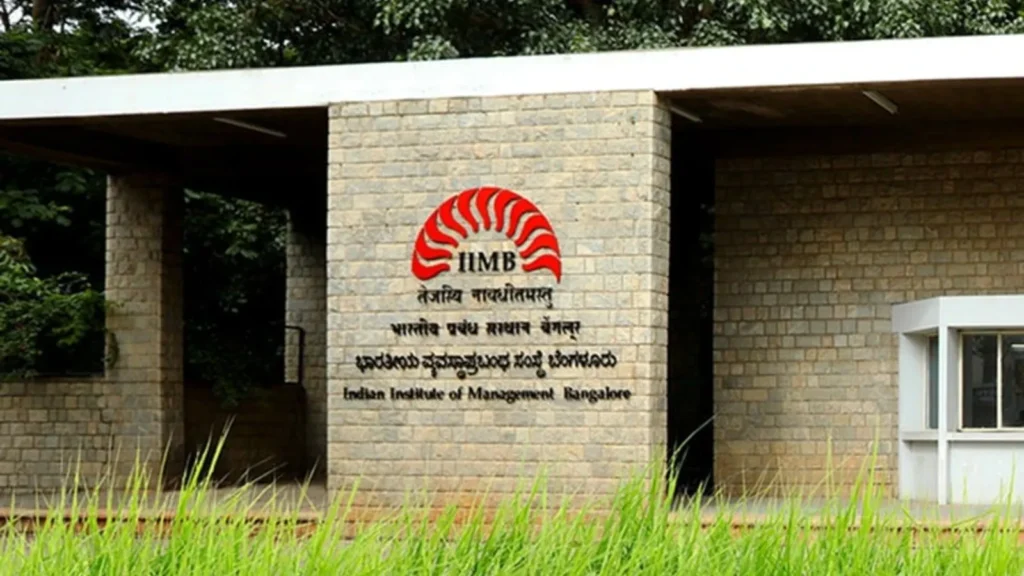
IIM Bangalore to Establish First Overseas Campus in Indonesia, Expanding India’s Higher Education Footprint in ASEAN

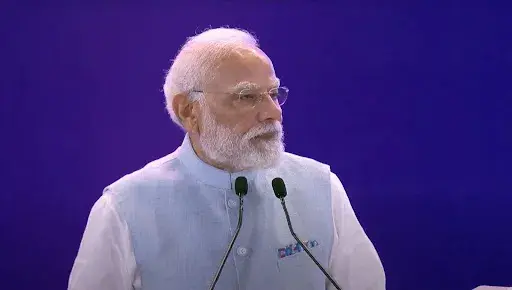
In a significant step towards strengthening academic ties between India and Indonesia, the Indian government has announced that the Indian Institute of Management Bangalore will set up its first international campus in Indonesia. The announcement was made by Prime Minister Narendra Modi following bilateral discussions with Indonesian President Prabowo Subianto during Modi’s official visit to the country. The proposed campus is expected to cater not only to Indonesian students but also to learners from across the ASEAN region, further enhancing India’s educational outreach in Southeast Asia. Alongside the education initiative, India and Indonesia signed several agreements aimed at deepening collaboration in artificial intelligence (AI), telecommunications, digital public infrastructure, startups, and innovation. Both leaders emphasised promoting technology-driven partnerships and creating greater opportunities for young innovators from both nations. The two countries also agreed to broaden cooperation in the space sector through joint research, technology exchange, and capacity-building initiatives, reinforcing their long-standing strategic partnership. The Indonesia campus marks another milestone in the global expansion of Indian management education. It follows the international debut of Indian Institute of Management Ahmedabad, which became the first IIM to establish a full-fledged overseas campus in Dubai. Inaugurated in September 2025 at Dubai International Academic City, the campus currently offers a one-year full-time MBA programme for experienced professionals, reflecting India’s growing ambition to internationalise its higher education institutions. Source: Indian Express

IIM Bangalore to Establish First Overseas Campus in Indonesia, Expanding India’s Higher Education Footprint in ASEAN Read More »

PM Modi Unveils ₹1 Lakh Crore R&D Fund, Calls for Ethical and Inclusive Innovation at ESTIC 2025

Prime Minister Narendra Modi addressed the Emerging Science, Technology and Innovation Conclave (ESTIC) 2025 at Bharat Mandapam on Nov 3, highlighting India’s growing leadership in science, technology, and innovation. Welcoming participants from India and abroad — including scientists, innovators, academics, and policymakers — the Prime Minister celebrated India’s landmark achievements in both sports and science. Opening his remarks, PM Modi congratulated the Indian women’s cricket team for their historic ICC Women’s World Cup victory, saying the nation was “immensely proud” of their achievement, which will inspire millions of young Indians. The Prime Minister also hailed India’s scientists for successfully launching the heaviest communication satellite, commending ISRO for its continued contribution to India’s space advancements. He noted that both achievements reflected India’s growing spirit of excellence and innovation. R&D Boost: ₹1 Lakh Crore RDI Scheme Announced Underscoring the government’s commitment to strengthening India’s research ecosystem, PM Modi formally launched the ₹1 lakh crore Research, Development and Innovation (RDI) Scheme Fund, designed to boost private sector–led R&D. He emphasized that, for the first time, capital will be made available for high-risk, high-impact research projects, and reaffirmed that the government is “building a modern innovation ecosystem” by easing financial rules, procurement norms, and regulatory frameworks to accelerate the journey from lab to market. He also referred to the establishment of the Anusandhan National Research Foundation (ANRF) to expand research and innovation across Indian universities. India’s Innovation Momentum PM Modi highlighted India’s transformation into a global innovation hub — noting that R&D spending has doubled in the past decade, patent registrations have risen 17-fold, and India now ranks as the world’s third-largest startup ecosystem. Over 6,000 deep-tech startups are driving progress in areas such as clean energy, materials science, and semiconductors, while India’s bio-economy has grown from $10 billion in 2014 to $140 billion today. He said, “India is no longer a consumer of technology — it is a driver of technological transformation,” citing the nation’s indigenous vaccine success during the COVID-19 pandemic and the reach of its Digital Public Infrastructure, which connects over two lakh gram panchayats with optical fibre. Empowering Women in Science Highlighting inclusive innovation, the Prime Minister celebrated the rising participation of women in STEM. He noted that women now make up 43% of STEM students in India — above the global average — and that annual patent filings by women have increased from fewer than 100 to over 5,000. He added that Indian women scientists are now at the forefront of space research and innovation. Encouraging the Next Generation PM Modi underscored the importance of nurturing scientific curiosity among youth. Recalling the public excitement around Chandrayaan and the recent Indian space station mission, he said these moments have inspired young minds to explore science. He announced plans to expand Atal Tinkering Labs from 10,000 to 25,000 labs, giving over one crore students a platform for hands-on innovation. The Prime Minister also shared that 10,000 new research fellowships will be awarded over the next five years under the Prime Minister’s Research Fellowship to further empower young scientists. India’s Vision for Ethical AI and Future Technologies Speaking about the future of emerging technologies, PM Modi stressed that science and technology must remain ethical, inclusive, and human-centric. He cited the India AI Mission, with an investment of ₹10,000 crore, aimed at making AI accessible and beneficial for all. He also announced that India will host the Global AI Summit in February 2026, focusing on inclusive and safe AI governance. Calling for innovation in critical areas such as nutrition security, biofortified crops, clean energy storage, bio-fertilisers, and genomic medicine, the Prime Minister urged scientists to work towards achieving self-reliance in key inputs and technologies. Concluding his address, PM Modi invoked the spirit of “Jai Vigyan, Jai Anusandhan”, reaffirming the government’s full support for researchers and innovators. He expressed confidence that the outcomes of ESTIC 2025 will chart a new roadmap for India’s scientific and technological future. Source: PIB


PM Modi Unveils ₹1 Lakh Crore R&D Fund, Calls for Ethical and Inclusive Innovation at ESTIC 2025 Read More »

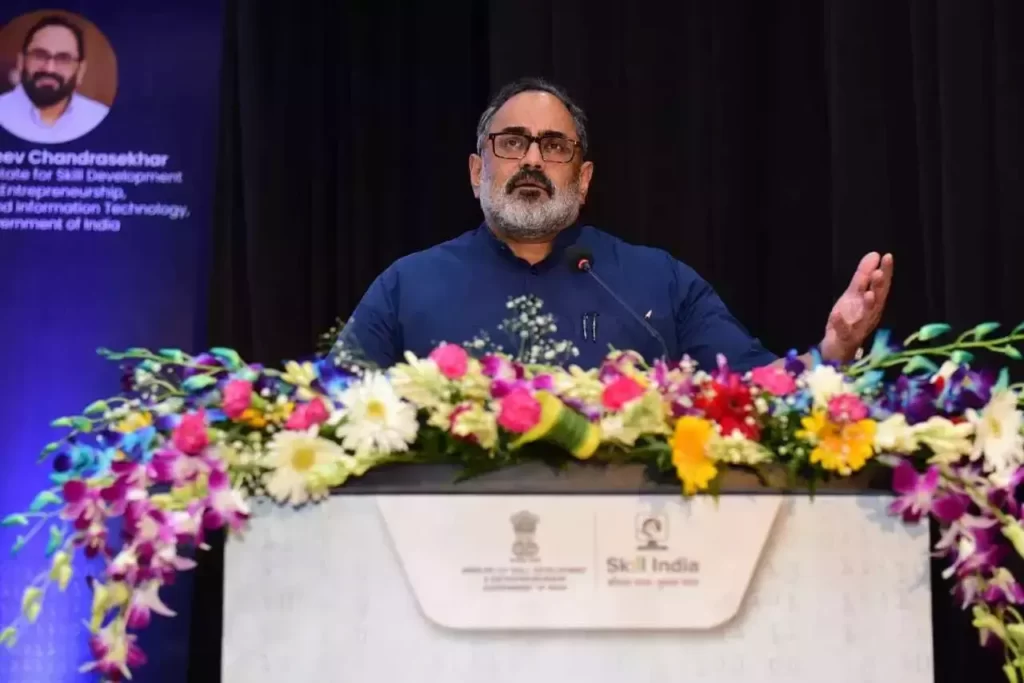
Government Building Digital Public Infrastructure for Future Job Skills: MoS IT Rajeev Chandrasekhar

The Minister of State for Electronics and Information Technology, Rajeev Chandrasekhar, announced the government’s commitment to digital skilling, emphasizing the development of Digital Public Infrastructure (DPI) to prepare young Indians for future tech-oriented jobs. Speaking at the Skill India Digital event, where the government launched the Skill India Digital portal to benefit all citizens, especially those aged 15 and above, the minister highlighted the global recognition of DPIs during the G20 Summit and their application in digital skilling for India’s youth. Chandrasekhar stated, “This DPI aligns with Prime Minister Narendra Modi’s vision of Skill India and Digital India, addressing the growing importance of digital skills in a post-Covid world. Its purpose extends to nurturing both entrepreneurship and employment opportunities.” During the event, Union Education Minister Dharmendra Pradhan, along with Chandrasekhar, unveiled Skill India Digital, an advanced digital platform designed to consolidate various skilling initiatives. In a recent statement, Chandrasekhar highlighted India’s impressive technological advancements, which gained international attention during the G20 Summit. India’s DPI, much like the Unified Payments Interface (UPI) and Aadhaar, has disrupted conventional norms and showcased the country’s digital transformation efforts. He remarked, “Today, the world is recognizing India’s remarkable achievements in technology, utilizing Digital Public Infrastructure to revolutionize governance and enhance citizens’ lives.” The G20 leaders have pledged to adopt, construct, and maintain a Global Digital Public Infrastructure, emphasizing the importance of fostering a secure and robust global digital economy and ecosystem.

Government Building Digital Public Infrastructure for Future Job Skills: MoS IT Rajeev Chandrasekhar Read More »

PM Modi Highlights India’s Inclusive Tech Initiatives and Global Impact

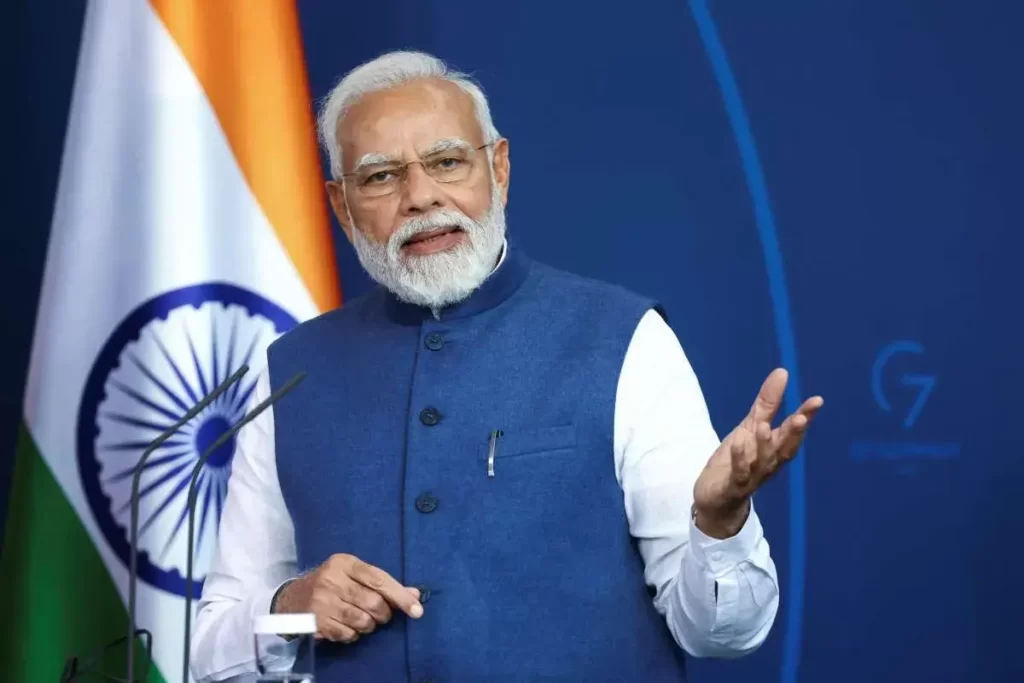
In an interview with a news agency, Prime Minister Modi discussed how India’s digital public infrastructure is promoting social inclusion and democratizing technology. He emphasized that India’s efforts have gained global recognition and are paving the way for a broader global movement. Prime Minister Modi highlighted the success of the CoWIN initiative, which facilitated the world’s largest vaccine drive, providing over 200 crore free doses. The platform, CoWIN, was even made open source for other countries to adopt. Referring to the UPI initiative, Modi noted that digital transactions are empowering businesses of all sizes, from street vendors to major banks, and contributing to financial inclusion. He praised India’s Digital Public Infrastructure for its role in delivering public services during the pandemic, citing the Jan Dhan-Aadhar-Mobile (JAM) Trinity’s effectiveness in ensuring financial inclusion and benefit transfers. Modi also mentioned the ONDC e-commerce initiative, which is seen as a significant step in democratizing digital platforms and creating a level playing field. He discussed the adoption of India’s digital public infrastructure by the G20 forum, which has established principles for a secure digital economy and laid the foundation for the One Future Alliance to coordinate global efforts in this regard. Prime Minister Modi highlighted the Ayushman Bharat Digital Mission’s impact on healthcare service delivery and India’s commitment to global health through the G20’s Global Digital Health Initiative. He stressed India’s approach of using technology to promote inclusion and equality, turning it into a force for good. Modi also addressed the government’s efforts to enhance cybersecurity, acknowledging the challenges posed by technology in combating illicit financial activities and terrorism. The Prime Minister celebrated India’s achievements across various domains, including the space sector, startups, sports, and education, expressing optimism about India’s economic prospects in the near future. This interview provides valuable insights into India’s efforts to leverage technology for social inclusion and global cooperation. Interview link: https://www.pmindia.gov.in/en/news_updates/ptis-exclusive-interview-with-prime-minister-narendra-modi/

PM Modi Highlights India’s Inclusive Tech Initiatives and Global Impact Read More »