
ArdorComm Media Group

Tuesday, January 20, 2026 2:50 AM

DigitalEducation

‘ArdorComm – Education Leadership Summit & Awards 2026’, to be held on 6th February 2026 in Guwahati, Assam

The Northeast region of India stands at a powerful inflection point in its education journey. With rising literacy rates, expanding digital infrastructure, increasing private and public investment, and a strong policy push through NEP 2020, the region is steadily transforming into a vibrant hub of learning, innovation, and talent development. Against this dynamic backdrop, ArdorComm Media Group proudly announces the ‘ArdorComm – Education Leadership Summit & Awards 2026’, scheduled to take place on 6th February 2026 in Guwahati, Assam. The Theme: A Vision for Tomorrow’s Northeast “Future-Ready Northeast: Building Skills & Mindsets for a Smarter Tomorrow” captures the essence of the summit’s vision. The theme reflects the urgent need to go beyond conventional education models and focus on developing future-ready skills, adaptive mindsets, digital fluency, and ethical leadership—all essential for navigating a rapidly evolving global economy. As industries are reshaped by artificial intelligence, automation, data, and sustainability imperatives, education systems must evolve in parallel. The summit aims to explore how institutions across the Northeast can align learning outcomes with employability, entrepreneurship, and lifelong learning. Northeast India: Progress, Potential & Promise Northeast India has made significant strides in education over the past decade. High primary school enrolment, growth in private unaided schools, establishment of new universities, and improved access to digital tools have collectively enhanced educational outcomes. Government-led initiatives such as Digital India, Sarva Shiksha Abhiyan, Rashtriya Madhyamik Shiksha Abhiyan, teacher training programs, and focused skilling missions are bridging gaps in access, quality, and infrastructure. NEP 2020 provides a timely framework to further strengthen this progress by: Integrating local languages and cultural contexts into curricula Encouraging experiential, multidisciplinary, and skill-based learning Promoting entrepreneurship, innovation, and vocational education Strengthening teacher capacity and institutional autonomy Together with private sector participation and EdTech innovation, these efforts are preparing students across school, higher education, and vocational segments to meet the demands of the 21st-century workforce. A Confluence of Education Leaders from the Region The ArdorComm – Education Leadership Summit & Awards 2026 will bring together senior leadership from schools, colleges, universities, skill institutions, EdTech companies, start-ups, and government bodies, with strong representation from the eight Northeastern states—Arunachal Pradesh, Assam, Manipur, Meghalaya, Mizoram, Nagaland, Tripura, and the ‘brother state’ Sikkim. The summit is designed as a high-impact knowledge-sharing platform where academicians, educators, policymakers, HR leaders, industry experts, and EdTech innovators can exchange insights, discuss challenges, and co-create solutions for sustainable educational growth. What to Expect at AELSA 2026 The one-day summit will feature: 6+ thought-provoking sessions 40+ distinguished speakers from education, government, and industry 2+ closed-door roundtable discussions Participation from 100+ school leaders and 100+ higher education leaders Presence of 40+ government dignitaries and policymakers Engagement with 25+ EdTech and corporate organizations Key Discussion Points NEP & Tech Advantage from KG to PG: Building a future-ready generation Reimagining Higher Education in the Digital Era: Transformation, trends & pathways Digital Pathways to Lifelong Learning: Balancing innovation, inclusion & ethics AI, Innovation & Inclusion: Reimagining education for tomorrow’s Northeast Bridging Education & Employability: Skills for the 21st-century workforce These sessions aim to offer actionable insights, best practices, and policy perspectives relevant to both regional and national education ecosystems. Celebrating Excellence: ArdorComm Education Leadership Awards 2026 A key highlight of the event will be the ArdorComm Education Leadership Awards 2026, which recognise and celebrate exemplary contributions, innovative initiatives, and transformational leadership across the education sector. In an era marked by rapid change, educators, institutions, and EdTech organisations have demonstrated resilience by adapting, reskilling, reinventing, and leading from the front. These awards aim to honour those trendsetters and changemakers who have significantly enhanced teaching, learning, and employability outcomes. Award Segments Preschools School Education Higher Education Skills & Training EdTech Startups EdTech Corporate Winning an ArdorComm Education Leadership Award brings national visibility, peer recognition, and credibility, positioning institutions and organisations as leaders of educational transformation. Why You Should Be Part of This Summit The ArdorComm – Education Leadership Summit & Awards 2026 is more than an event—it is a movement to empower the Northeast through education, skills, and innovation. Participants will gain: Strategic insights into policy, technology, and workforce trends Opportunities to network with top decision-makers and influencers Exposure to innovative models and successful case studies A platform to showcase achievements and thought leadership Join the Movement As Northeast India prepares for a smarter, more inclusive, and future-ready tomorrow, AELSA 2026 in Guwahati invites you to be part of this transformative journey. Date: 6th February 2026 Venue: Guwahati, Assam Participate | Partner | Nominate for Awards Together, let us build skills, shape mindsets, and create a future-ready Northeast. Visit: https://ardorcomm-media.com/aelsa/

‘ArdorComm – Education Leadership Summit & Awards 2026’, to be held on 6th February 2026 in Guwahati, Assam Read More »

The NEP and Digitalization: Driving India’s Education Revolution

The National Education Policy (NEP) 2020 represents a significant reform in India’s educational landscape, aiming to transform the system into a more holistic, flexible, and inclusive framework. With the rapid advancement of technology and the increasing importance of digital literacy, NEP 2020 integrates digitalization as a core component of educational reform, setting the stage for an educational revolution in India. Overview of NEP 2020 Approved by the Union Cabinet on July 29, 2020, NEP 2020 replaces the National Policy on Education of 1986. It aims to create an education system that is rooted in Indian ethos while also preparing students for global challenges. The policy is built on five pillars: Access, Equity, Quality, Affordability, and Accountability. These principles are designed to ensure that every child receives a high-quality education, thereby transforming India into a global knowledge superpower. Key Features of NEP 2020 New Academic Structure: The traditional 10+2 schooling system will transition to a new 5+3+3+4 structure, which aligns with the developmental stages of children. Multilingual Education: Emphasis is placed on teaching in the mother tongue until Class 5, promoting linguistic diversity while ensuring quality education. Holistic and Multidisciplinary Learning: NEP encourages students to explore various subjects beyond rigid disciplinary boundaries, fostering critical thinking and creativity. Integration of Technology: The policy highlights the importance of digital literacy and the use of technology in classrooms to enhance learning outcomes. The Role of Digitalization in Education Digitalization is pivotal in achieving the objectives set forth by NEP 2020. The integration of technology into education can enhance accessibility and quality while preparing students for a digital economy. Here are some ways digitalization is driving this transformation: Enhanced Learning Platforms The rise of online learning platforms has made education more accessible to students across various socio-economic backgrounds. During the COVID-19 pandemic, institutions rapidly adopted online teaching methods, which demonstrated the potential for digital platforms to deliver quality education remotely. NEP 2020 advocates for expanding these digital learning resources to ensure continuity in education. Teacher Training and Professional Development NEP emphasizes continuous professional development for teachers through digital means. Online training modules can equip educators with modern teaching strategies and technological tools necessary for effective instruction. This approach not only enhances teacher capabilities but also directly impacts student learning outcomes. Data-Driven Decision Making Digitalization enables educational institutions to collect and analyze data effectively. By leveraging data analytics, schools can identify learning gaps, monitor student progress, and tailor interventions accordingly. This evidence-based approach supports personalized learning experiences and improves overall educational quality. Challenges in Implementation While NEP 2020 presents a robust framework for educational reform, its success hinges on effective implementation. Some challenges include: Infrastructure Gaps: Many rural areas still lack reliable internet access and technological infrastructure, hindering the full realization of digital education. Resistance to Change: Traditional mindsets among educators and institutions may pose barriers to adopting new teaching methodologies and technologies. Equity Concerns: Ensuring equitable access to digital resources remains a significant challenge, especially for marginalized communities. Future Prospects The successful integration of digitalization within the framework of NEP 2020 could lead to transformative changes in India’s education system. By focusing on inclusivity and accessibility, India can harness technology to create a more equitable educational landscape. Goals for 2030 NEP aims to achieve a Gross Enrollment Ratio (GER) of 100% from preschool to secondary level by 2030 and increase GER in higher education from 26.3% (2018) to 50% by 2035. Achieving these goals will require concerted efforts from government bodies, educational institutions, and communities. The National Education Policy 2020, coupled with the power of digitalization, holds immense potential to revolutionize India’s educational framework. By embracing technology and fostering an inclusive approach, India can pave the way for a brighter future where quality education is accessible to all, ultimately contributing to national development and global competitiveness.In summary, NEP 2020 is not just an educational reform; it is a comprehensive strategy aimed at transforming India’s youth into skilled professionals ready to meet the demands of a rapidly changing world. As we move forward, embracing digitalization will be crucial in realizing this vision.

The NEP and Digitalization: Driving India’s Education Revolution Read More »

Mr. Piyush Singh Chauhan, Vice Chairman of SR Group of Institutions shared his growth journey over 15 years

ArdorComm Interview

“We started our educational institution in 2009 with 240 students, and now we have more than 19,000 students.” Said Mr. Piyush Singh Chauhan, Vice Chairman of SR Group of Institutions Welcome Mr. Piyush Singh Chauhan, Vice Chairman of SR Group of Institutions in today’s event Thank you so much, Chandan Ji. This event is truly blessed by God, and the discussions we’ve had so far have been very fruitful. The talks about the New Education Policy, IQAC, and holistic development are especially important. We are trying to address the gaps in our current education system that have been lacking in the last few decades, and with your help and presentations, we hope to bring these improvements to the students. Can you tell us a bit about your educational institutions? We started our educational institution in 2009 with 240 students, and now we have more than 19,000 students. Over the last 15 years, we have been aggressively working with students from rural backgrounds, as this is an area that often gets overlooked. We also have higher education facilities, including a nursing institute, a B.Sc. board school, and ICSE board schools. We cater to students from kindergarten to postgraduate levels, and we strive to help them achieve their potential. Many of our students come from army backgrounds, or have parents who are doctors or IIT graduates. We aim to fulfill the gaps that have existed until now. As we move from traditional education to digital education, what initiatives have been taken by your institutions in this direction? We are currently planning to build an AI, VR, and AR lab in our institution. The reason behind this is that what we read often isn’t retained for long, but what we visualize stays with us much longer. AI is both the best and the worst tool, depending on how it’s used. We’re setting up this lab to make the best possible use of AI. We already have an Atal Tinkering Lab, among other facilities, where we provide education to students. As the event’s name is “New Normal Education Leadership Summit and Awards,” what is your definition of “New Normal”? For me, the definition of “New Normal” should be about focusing on making students good citizens and good human beings. While education, grades, and knowledge are important, the “New Normal” should also focus on emotional intelligence. Today, many children struggle with anger, depression, and rejection, leading to drastic steps. If we can handle children emotionally well, they will grow into balanced citizens who contribute positively to society. We are pleased to share that this is the third anniversary of our company. Do you have any wishes or messages for the ArdorComm Group? My heartfelt congratulations to the ArdorComm Group for your hard work and the growing team that you’ve built. I wish that you don’t just celebrate 30 years, but also 200 years of anniversaries in the future. I hope you continue organizing such excellent events, bringing together many educationists and education leaders, and I extend my best wishes to you.

Mr. Piyush Singh Chauhan, Vice Chairman of SR Group of Institutions shared his growth journey over 15 years Read More »

Government proposes ‘one nation, one student ID’ and online school admissions to revolutionize education system

In a major step towards making education more accessible and efficient, the Union government has proposed the integration of education records of all school students into its ‘one nation, one student ID’ initiative. This move, along with the switch to online school admissions, aims to streamline the education system and bring it in line with the National Education Policy (NEP) 2020. According to an official government document, the ‘one nation, one student ID’ initiative will be implemented by 2026-27, with the goal of providing students with an Aadhaar-verified ID called Automated Permanent Academic Account Registry (APAAR). This ID will serve as a universal student identifier from pre-primary to PhD, and will also act as a gateway to students’ academic bank of credit (ABC). The document, presented by the Union Ministry of Education at the third national conference of chief secretaries, also proposes that all government and government-aided schools switch to an online admission system in the next three years. This will not only make the admission process easier and more efficient, but also reduce barriers and minimize dropouts. The integration of education records into the ‘one nation, one student ID’ initiative will not only help monitor the lifelong learning journey of students, but also build a digital repository of education records. This will make it easier for students to store and access their records, and also enable the integration of interstate student records. The document also highlights the role of Aadhaar linkage in building trust in digital records and empowering stakeholders to access diverse educational services. The ministry has already launched the ‘one nation, one student ID’ initiative in higher education institutions, covering nearly 22 million students. The proposal to extend it to schools is a step towards ensuring seamless integration between the two levels of education. To facilitate the creation of APAAR IDs, the document suggests that Anganwadi or schools can assist students during the time of admissions. The ministry can also organize workshops and training sessions for states and union territories to help them create the IDs and integrate admission portals and applications into a unified platform. The document also sets a deadline of 2026-27 for 100% integration of education records through the ID. While it is not mandatory for states to adopt this initiative, it is a step towards promoting good governance and making education more accessible.

Government proposes ‘one nation, one student ID’ and online school admissions to revolutionize education system Read More »

Dr. Sami Ulla, CEO of Manipal Group of Schools, Shares Insights on the Future of Education at New Normal Leadership Summit

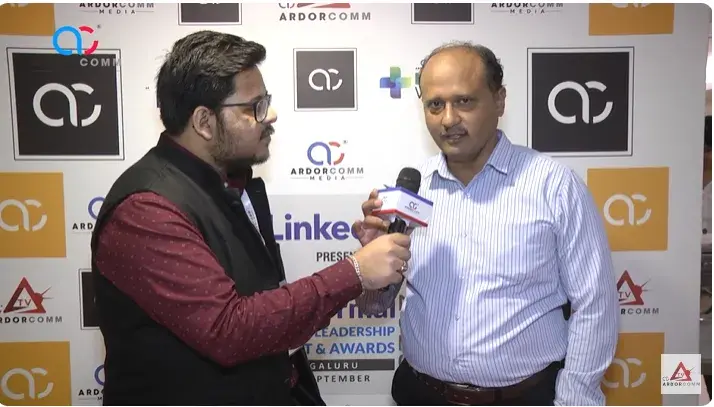
“We are completely technology-enabled. We have hybrid and blended teaching and learning techniques,” says Dr. Sami Ulla, CEO of Manipal Group of Schools, in an interview with Pratik Ghosh, Content Writer, ArdorComm Media at the ‘New Normal – Education Leadership Summit & Awards 2023’ #ELSABengaluru #ELSAKarnataka How are you feeling to witness the New Normal Education Leadership Summit and Awards in Bengaluru? Oh, it’s amazing. I’m attending for the first time, but it’s organized well. Beautiful atmosphere, and I think the entire industry fraternity, both from K-12 and higher education, we could get to see here. It was very thought-provoking sessions, and we get to know and learn many things from this. I’m really very grateful to ArdorComm Media for organizing this and having me here. Thank you so much. As you know, the theme of our event is “New Normal Karnataka.” What’s your take on this? See, luckily for us, Bangalore is a very IT-savvy city compared to all other cities in the country, and a large number of educational institutions have implemented technology. But again, as we had the session, the rural areas are pretty missed out for this implementation, either be the end-user devices, network, or the content. So, they are pretty left behind. I wish Karnataka, as a state, takes up this, and the country as such also. Technology is the future, and our students have to be digitally competent to face the future. How are you implementing these new age technologies in your institution? We are completely technology-enabled. We have hybrid and blended teaching and learning techniques. Much of the activities happen in the school, and the remedial part, the regular assessments, and the external engagement happen outside the campus. So, we have made sure that we use all the tools, either Google-sponsored tools or Apple or Microsoft. We have implemented the best tools of these companies. ArdorComm Media Group has recently completed two years of its existence, any message or wishes for us? Wonderful! Congratulations for coming into this space. I think it’s a win-win situation for the education industry and perhaps for the Media as such. I congratulate and wish you all the luck and keep having such programs where educationists can come and learn many things from these kinds of events. Thanks for organizing this.

Dr. Sami Ulla, CEO of Manipal Group of Schools, Shares Insights on the Future of Education at New Normal Leadership Summit Read More »