ArdorComm Media Group

Wednesday, April 15, 2026 3:15 AM

Haryana

Haryana Increases Reservation for OBCs in Government Jobs

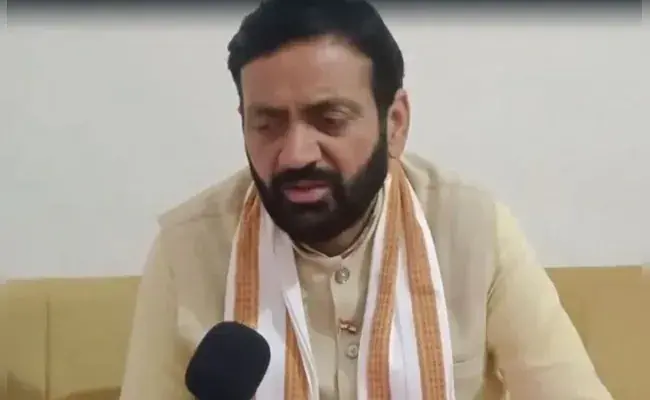
In a significant move benefiting the Other Backward Classes (OBCs), the Haryana Government has announced an increase in the reservation for OBCs in government jobs and a raise in the upper income limit for the creamy layer to ₹8 lakh per year. Chief Minister Nayab Singh Saini made these announcements on Sunday, marking a notable shift in the state’s approach to social equity and inclusion. The reservation for backward classes has been increased from 15 percent to 27 percent in Group-A and Group-B government posts. This decision aims to provide greater opportunities and representation for OBCs in higher-level government positions. The term “creamy layer” refers to members of a backward class who are relatively advanced socially, economically, and educationally. By raising the upper income limit for this group, the Haryana Government aims to broaden the eligibility for reservations, ensuring that more individuals from OBCs can benefit from government job opportunities. Additionally, the government has committed to addressing the backlog of jobs for Backward Classes A and B on a priority basis through a special recruitment campaign. This initiative is expected to expedite the employment process and reduce the unemployment rate among these communities. In the context of the upcoming Haryana Assembly elections, Chief Minister Saini expressed confidence in his party’s prospects. He highlighted the government’s developmental works and initiatives aimed at providing employment and fostering growth in Haryana. He asserted that the BJP, under the leadership of Prime Minister Modi and with the support of election in-charges, is poised to win the elections and form the government for a third consecutive term. Taking a dig at the Congress party and the Hooda family, Saini criticized their approach as dynastic, contrasting it with the BJP’s focus on governance and public welfare. He emphasized the government’s commitment to the interests of the poor, farmers, and women, reiterating that the BJP is a government of the people. The Haryana Assembly elections will be held later this year, alongside elections in Jharkhand, Maharashtra, and Jammu and Kashmir.

Haryana Increases Reservation for OBCs in Government Jobs Read More »

Haryana Revises School Timings Amid Heatwave Alert; Announces Summer Vacation

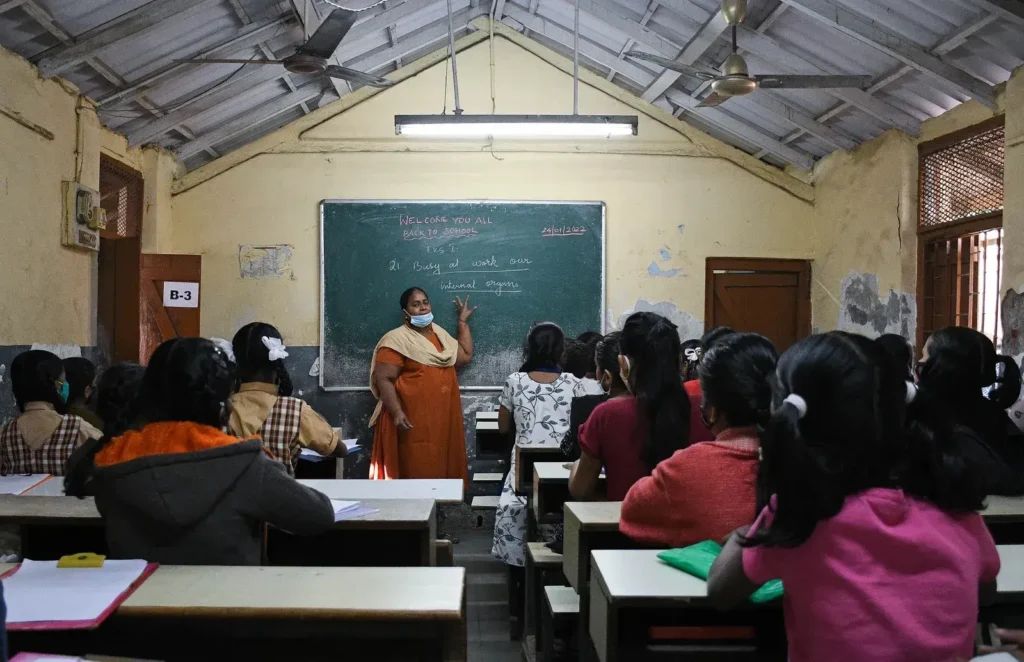
In response to a heatwave alert issued for several states, the Haryana government has announced revised school timings. Starting immediately, the first shift in all schools will run from 7 am to 12 pm, while the second shift will commence at 12:45 pm. This change applies to both government and private schools across the state. Additionally, the Haryana government has declared summer vacation for all schools, starting June 1 and lasting until June 30, 2024. This decision, based on a press release, aims to protect students from the extreme heat predicted by the Meteorological Department. According to weather forecasts, Haryana will experience intense heat waves in the coming days, with temperatures potentially reaching up to 46 degrees Celsius. In light of these conditions, weather experts have issued yellow and orange alerts for various districts. The revised school timings are expected to provide some relief to students during this period of extreme heat. By adjusting the hours of operation, the government aims to reduce the exposure of children to the harshest parts of the day. Similar measures are being taken in neighboring regions. All government schools in Delhi were closed on May 11, while summer vacations in private schools are expected to start in May. In Uttar Pradesh, summer vacations are set to begin by May 25, 2024, across most schools. Additionally, schools in areas where Lok Sabha voting will take place will also be closed to facilitate the electoral process. These steps reflect a broader effort to ensure the safety and well-being of students amid extreme weather conditions. As temperatures continue to rise, the proactive measures taken by the Haryana government and other states aim to mitigate the risks associated with the heatwave.    

Haryana Revises School Timings Amid Heatwave Alert; Announces Summer Vacation Read More »

Haryana Sets Ambitious Target for Full Adoption of New Education Policy by 2025

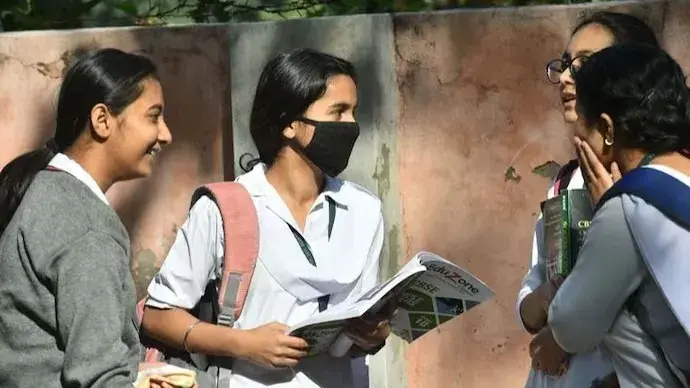
Haryana’s Higher Education Minister, Moolchand Sharma, announced the state’s ambitious plan to fully adopt the National Education Policy 2020 by 2025, accelerating the timeline from the initially projected 2030 deadline. This bold initiative was spotlighted during the State Level Implementation Committee meeting on the policy, where Minister Sharma underscored its transformative objectives aimed at positioning India as a global educational powerhouse. Acknowledging the instrumental role of Prime Minister Narendra Modi in shaping the policy, Sharma commended Chief Minister Manohar Lal’s accelerated agenda. The commitment to achieving the vision by 2025 reflects the state’s dedication to shaping India’s educational landscape for the 21st century. Minister Sharma highlighted the forward-looking approach of the policy, integrating cutting-edge fields such as Artificial Intelligence, 3-D printing, data analysis, and biotechnology into higher education. The emphasis is on cultivating adept professionals and enhancing youth employability to meet the evolving demands of the job market. Expressing optimism about the progress, Sharma stated, “We aspire to exceed a 50 percent gross enrollment ratio of girls in higher education by 2030.” Haryana has already achieved a commendable 32 percent enrollment ratio among girls, positioning itself strongly to reach the 50 percent milestone well before the 2030 target. Envisioning a transformative future, Minister Sharma sees the effective implementation of the National Education Policy 2020 as a mechanism propelling India to become a ‘Vishwa Guru’ once again, joining the league of leading global educational frontrunners.

Haryana Sets Ambitious Target for Full Adoption of New Education Policy by 2025 Read More »