ArdorComm Media Group

Wednesday, June 10, 2026 1:53 PM

Health ministry

Doctors’ Strike Continues as Talks with Health Ministry Fail to Yield Resolution

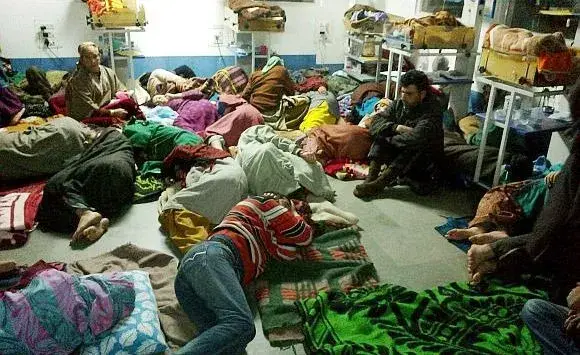
The Federation of Resident Doctors’ Association (FORDA) announced on Monday that their indefinite strike will continue after a meeting with officials from the Union health ministry failed to bring about a resolution. The strike was called in response to the tragic rape and murder of a trainee doctor at Kolkata’s RG Kar Medical College, leading to the suspension of elective services, including OPDs and non-emergency surgeries, across government hospitals nationwide. Despite extensive discussions with the Union health minister’s team, no concrete solution was reached, prompting FORDA to extend the strike. Dr. Aviral Mathur, President of FORDA, confirmed that the strike would persist into Tuesday, with emergency services continuing to operate. FORDA’s demands include immediate action on the concerns raised by residents at RG Kar Medical College, assurances against police brutality, respectful treatment of protesting doctors, and swift justice and compensation for the family of the deceased. The association also urged the Union government to implement comprehensive security measures for healthcare workers in all hospitals and called for the establishment of an expert committee to expedite the ratification of the Central Healthcare Protection Act.

Doctors’ Strike Continues as Talks with Health Ministry Fail to Yield Resolution Read More »

Heatstroke Took 374 Lives, Over 67,000 Cases Till July 27: Health Ministry

Article

India has reported 374 deaths and 67,637 cases of suspected heatstroke from March 1 to July 27 this year, according to Minister of State for Health Anupriya Patel. The alarming figures were disclosed in the Lok Sabha on Friday. The latest data reveals a significant increase from the earlier estimates provided by the Ministry of Health, which reported 110 deaths and 42,000 cases by June 18. The majority of these incidents occurred in rural areas, where strenuous outdoor work associated with agriculture and poor health infrastructure exacerbated the impact of the heatwave. Uttar Pradesh was the worst-hit state, recording 52 deaths. Bihar followed with 37 fatalities, while Odisha and Delhi reported 26 and 25 deaths respectively. These statistics were compiled under the National Heat-Related Illness and Death Surveillance by the National Centre for Disease Control (NCDC). Government Response and Measures The Integrated Health Information Portal has been receiving data on heatstroke cases and deaths from States and Union Territories since 2023, as noted by Minister Patel. State and UT health departments get yearly warnings from the Ministry of Health and Family Welfare (MoHFW) to put awareness, readiness, and response plans into place. The Union Health Ministry’s Secretary communicated with the chief secretaries of all states and UTs on February 29 in order to release this year’s advise. The warning included steps to improve community awareness of heat-related diseases and to bolster health sector readiness. Record-Breaking Temperatures and Weather Anomalies With a blistering 47 degrees Celsius, June 2024 witnessed the hottest temperature recorded in the month in a decade. The hottest temperatures ever recorded in June 2023 were 41.8 degrees Celsius, 44.2 degrees Celsius in 2022, and 43 degrees Celsius in 2021. This is a considerable rise above the prior records. Furthermore, July was the second warmest month overall in India since 1901 and the highest nighttime temperature ever recorded in the country. Significant flooding resulted from the abnormally high rains that followed the record temperatures in various states, including Gujarat, Kerala, and Uttar Pradesh. It was the hottest July on record for both mean and lowest temperatures in the east and northeast of India. The terrible heatwave has made it clear how urgently better infrastructure and readiness are needed to deal with extreme weather, especially in rural regions. The growing frequency and intensity of these occurrences highlight the significance of long-term policies to address climate change and its implications on public health, even if the government’s preemptive actions and advisories play a key role in lessening the impact of such heatwaves. Reference taken from the Hindu

Heatstroke Took 374 Lives, Over 67,000 Cases Till July 27: Health Ministry Read More »

States Asked to Keep Vigil After 8 Zika Cases in Maharashtra

On Wednesday, the Centre ordered states to maintain vigilance due to Zika virus spread in Maharashtra, with eight cases reported by July 2: six in Pune, one each in Kolhapur and Sangamner. Spread by Aedes aegypti mosquitoes, Zika usually causes mild symptoms but poses risks for pregnant women, potentially causing microcephaly in the fetus. Atul Goel, Director General of Health Services, issued an advisory for constant monitoring. The Health Ministry urged screening pregnant women and tracking fetal growth as per guidelines, given the infection’s neurological consequences. Affected areas must prioritize vigilance, screening, and monitoring efforts. The Centre on Wednesday asked states to maintain a state of constant vigil over the Zika virus situation in the country amid reports of the spread of the mosquito-borne infection in various districts of Maharashtra. As of July 2, Maharashtra has reported eight cases of Zika virus infection: six from Pune and one each from Kolhapur and Sangamner. Zika virus is transmitted by Aedes aegypti mosquitoes, similar to dengue and chikungunya. It spreads when a mosquito carrying the virus infects a person. Experts say the infection doesn’t cause severe symptoms in most cases and subsides in a few days. However, in the case of pregnant women, the infection is known to affect the fetus and cause microcephaly (reduced head size), making it a major concern. According to the health ministry, Director General of Health Services Atul Goel has issued an advisory to states highlighting the need for maintaining constant vigilance. As Zika is associated with microcephaly and neurological consequences in the fetus of the affected pregnant woman, the health ministry said on Wednesday, states have been advised to alert clinicians for close monitoring. “States are urged to instruct the health facilities to screen pregnant women, monitor the growth of the fetus of expecting mothers who have tested positive for Zika and act as per central guidelines,” it said.

States Asked to Keep Vigil After 8 Zika Cases in Maharashtra Read More »

80% of Public Health Facilities in India Are Substandard, Reveals Government Survey

A recent government survey under the National Health Mission (NHM) has revealed that nearly 80% of public health facilities in India fail to meet the minimum standards for infrastructure, manpower, and equipment. This self-assessment exercise involved over 200,000 facilities, out of which only 8,089 scored 80% or higher for compliance. The government aims to make 70,000 facilities compliant within 100 days and will conduct surprise inspections to ensure standards are met. Public health facilities from states and Union Territories were asked to provide details on the number of doctors, nurses, and basic medical equipment available. The data shared on the Indian Public Health Standards (IPHS) dashboard showed that 40,451 facilities submitted key statistics through the Open Data Kit, a digital tool developed by the health ministry. The results were alarming, with only 20% of facilities qualifying as IPHS compliant, meaning they had the necessary infrastructure, human resources, drugs, diagnostics, and equipment to provide essential services. Approximately 42% of the facilities scored less than 50%, while the remaining scored between 50% and 80%. A senior health ministry official emphasized that the self-assessment and real-time monitoring are crucial to ensure health facilities maintain required standards, leading to better health outcomes and a more equitable society. The Centre is pushing states and UTs to address the identified gaps with full support to improve service quality. In addition to the IPHS, the National Quality Assurance Standards (NQAS) will continue to physically evaluate district hospitals, sub-district hospitals, community health centres, and primary health centres on best practices such as availability of essential medicines, equipment, waste management, infection control, support services, and patient rights. A new provision of virtual assessment has been introduced for Ayushman Arogya Mandir, the most numerous public health facilities under NHM. The NHM covers 60% of the costs for public health facilities, with the remaining expenses borne by the states.  

80% of Public Health Facilities in India Are Substandard, Reveals Government Survey Read More »

Health Ministry Suspends Mandatory Linking of CGHS and ABHA IDs

The Ministry of Health and Family Welfare has announced the suspension of the compulsory linking of Central Government Health Services (CGHS) beneficiary IDs with Ayushman Bharat Health Account (ABHA) IDs until further notice. This decision, stated in an office memorandum signed by Satheesh YH, director of CGHS, follows a review of previous orders that had made the linkage mandatory. The mandatory linkage, originally set to be enforced from April 1 and later extended to June 30, aimed to integrate various government health schemes under the Ayushman Bharat Digital Mission (ABDM). However, practical issues, including data privacy concerns and the current state of technology infrastructure, appear to have influenced the decision to make the linkage optional for the time being. The CGHS provides comprehensive healthcare services to central government employees, pensioners, and their dependent family members, covering over 4.5 million people across 75 cities. In contrast, the ABHA ID is a unique 14-digit number identifying beneficiaries within India’s digital healthcare ecosystem. Despite the previous mandate, only 231,134 CGHS IDs had been linked with ABHA IDs by June 26, according to the CGHS dashboard. Experts have pointed out several issues with the mandatory linking of CGHS and ABHA IDs. Sunil Rao, COO of Sahyadri Group of Hospitals, highlighted data privacy concerns and the inadequacies in current technology infrastructure as potential reasons for the decision. An anonymous expert further noted that the government had not clearly outlined how digital records would be protected, despite assurances that records under ABHA ID would be encrypted and safeguarded under the Digital Protection of Data and Privacy Act. Rao welcomed the move, describing it as a balanced approach that allows time to address data security and system integration issues. He emphasized that making the linkage voluntary would enable the government to ensure infrastructural readiness and gain public acceptance before full implementation. The Health Ministry’s decision reflects a cautious approach, ensuring that when the policy is ultimately enforced, it will be with comprehensive preparedness and widespread support.

Health Ministry Suspends Mandatory Linking of CGHS and ABHA IDs Read More »

Finance Says No to Health Request for $10-Million Fund to Meet G20 Pledge

The Global Initiative on Digital Health (GIDH), launched during India’s G20 Presidency, remains unfunded by India despite a $10-million pledge. This initiative, a key deliverable from the Health Ministers’ meeting in Gujarat on August 19 last year, was part of the New Delhi declaration. The GIDH, formally initiated on February 20, 2024, by then Health Minister Mansukh Mandaviya, is still awaiting India’s promised contribution. The delay stems from the Department of Economic Affairs (DEA) under the Ministry of Finance, which has not approved the contribution despite India’s commitment. The GIDH, managed by the World Health Organization (WHO), aims to support national digital health transformations within a framework that respects data protection regulations. A source from the Health Ministry indicated the proposal is “under consideration,” but the DEA had previously rejected the request in July 2023 without specifying reasons. The DEA suggested that India should offer technical support instead of financial contributions to avoid creating “committed liabilities.” Despite this setback, the Permanent Mission of India (PMI) to the UN recommended making a “substantial financial commitment” to the GIDH in November 2023. Highlighting India’s role as a leader in digital health, the Health Ministry, with approval from the Health Minister, reconsidered the contribution. In comparison, Indonesia contributed $50 million to establish the Presidency Prevention, Preparedness Response (PPR) Financial Intermediary Fund (FIF) during its G20 Presidency. As Brazil currently heads the G20 Presidency, the GIDH remains a priority within the health sector.

Finance Says No to Health Request for $10-Million Fund to Meet G20 Pledge Read More »

Health Ministry Issues Guidelines Ahead of Summer Heatwave: Key Precautions

As the summer season approaches, the Ministry of Health has taken proactive steps to ensure public safety amidst rising temperatures and potential heatwaves. Here are the key precautions outlined by the Ministry following a review meeting led by Union Health Minister, Dr. Mansukh Mandaviya: Review Meeting Highlights: The Union Health Minister chaired a review meeting with stakeholders to assess preparedness in tackling heat-related illnesses. Dr. Bharati Pawar, MoS (Health), Dr. V K Paul, Member (Health) at NITI Aayog, and Shri Apurva Chandra, Secretary (Health), were among the dignitaries present. Importance of Awareness: Dr. Mansukh Mandaviya emphasized the importance of continuous efforts to generate awareness among people for better management of heatwaves. Timely and wide-reaching awareness can significantly reduce the severe impact of heatwaves. Guidelines for Heatwave Management: Dos: Stay hydrated Block direct sunlight Remain covered Stay indoors during 12 pm – 4 pm Don’ts: Avoid going out between 12 pm to 4 pm Minimize outdoor activities in the sun Avoid cooking from 2 pm to 4 pm Never leave kids and pets unattended inside a vehicle Avoid alcohol, tea, coffee, sugary drinks, and fizzy drinks Refrain from walking barefoot Additional Precautions: Monitor the health of elderly or sick individuals living alone daily. Keep homes cool using curtains, shutters, or sunshades, and open windows at night. Prefer lower floors during the day and use fans and damp clothes to cool down the body. These guidelines supplement earlier precautions provided by the Health Ministry to combat the effects of rising temperatures. By adhering to these measures, individuals can mitigate the risks associated with heat-related illnesses and ensure their well-being during the summer months.  

Health Ministry Issues Guidelines Ahead of Summer Heatwave: Key Precautions Read More »

Delhi Reports First Case of JN.1 COVID Variant: Live Updates and Emerging Trends in India’s Pandemic Landscape

Delhi has reported its first case of the JN.1 COVID variant, as per live updates on the pandemic. The All India Institute of Medical Sciences (AIIMS) in Delhi has promptly issued guidelines in response to this new case. As of December 26, India has recorded a total of 109 JN.1 COVID variant cases, according to sources from the Health Ministry. The distribution of cases reveals 36 in Gujarat, 34 in Karnataka, 14 in Goa, 9 in Maharashtra, 6 in Kerala, 4 in Rajasthan, 4 in Tamil Nadu, and 2 in Telangana. Wednesday witnessed a spike in the daily COVID-19 cases in India, with 529 new infections reported in a single day. The active infection count in the country stands at 4,093, with three new fatalities documented within 24 hours – two in Karnataka and one in Gujarat. This surge in cases follows a period of relative decline, with daily case numbers dropping to double digits until December 5. The resurgence is attributed to the emergence of a new variant and cold weather conditions. Internationally, the World Health Organization (WHO) has classified JN.1 as a variant of interest, distinct from its parent lineage BA.2.86. However, the WHO has emphasized that, based on current evidence, the overall risk posed by JN.1 remains low. The classification of JN.1 as a variant of interest underscores the ongoing efforts to monitor and understand the evolution of the virus.

Delhi Reports First Case of JN.1 COVID Variant: Live Updates and Emerging Trends in India’s Pandemic Landscape Read More »

Health Ministry Issues Alert on Covid-19 Subvariant JN.1: Guidelines and Concerns Amid Rising Cases

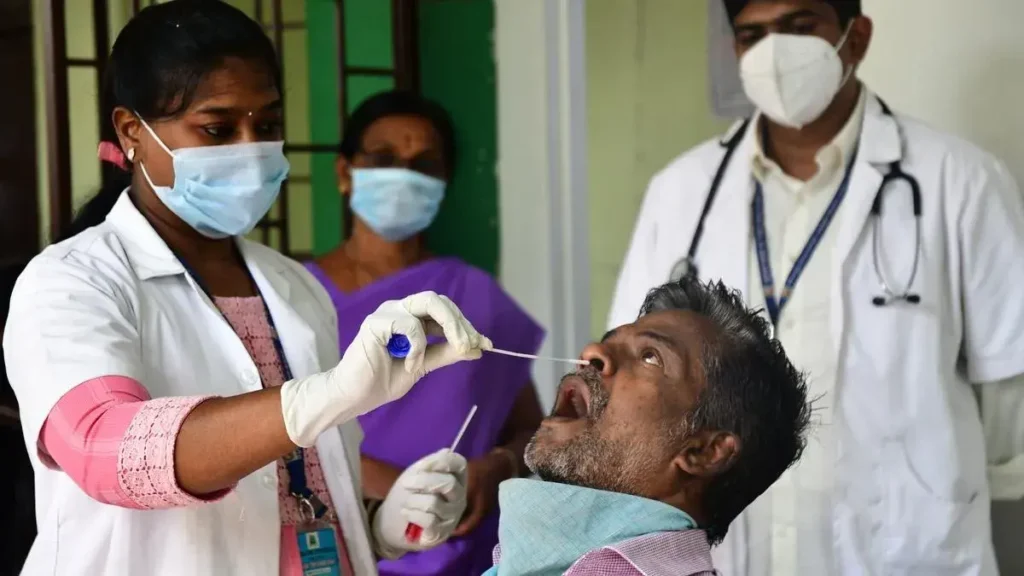
The Indian government has issued an alert to states regarding the emergence of the new Covid-19 subvariant, JN.1, as cases continue to rise in Kerala and 15 cases have been detected in samples from Goa. The Health Ministry emphasized that it is not yet clear whether an infection caused by JN.1 produces different symptoms or is more severe than other variants. The ministry stated that there is currently no indication of increased severity from JN.1, and there is no evidence that it presents an increased risk to public health compared to other circulating variants. Experts, including Dr. GC Khilnani, reassured that the elderly and those with comorbidities are not at an increased risk compared to other variants. General precautions such as handwashing and avoiding crowded areas during the festive season are recommended. The existing treatment for COVID-19 is expected to be effective against JN.1, and updated COVID-19 vaccines are expected to provide increased protection. RT-PCR tests remain the most reliable method for detecting the new subvariant. As the festive season approaches, the Health Ministry stressed the importance of adhering to respiratory hygiene norms, including wearing masks in enclosed and crowded spaces, frequent handwashing, and social distancing. States, such as Karnataka, are taking additional measures, mandating face masks for the elderly and those with comorbidities. The Health Ministry is conducting intensified surveillance at various levels, including laboratories, communities, and sewage, to monitor and report cases of influenza-like illness and Severe Acute Respiratory Illness. The global concern over JN.1 is due to its immunity-evading capacity, leading to rapid spread, with outbreaks reported in the US, China, and Singapore. JN.1 is a descendant of the BA.2.86 lineage of SARS-CoV-2.

Health Ministry Issues Alert on Covid-19 Subvariant JN.1: Guidelines and Concerns Amid Rising Cases Read More »

AIIMS Delhi Identifies Cases of ‘Walking Pneumonia’-Causing Bacterium; Ministry Dismisses Link to China’s Recent Outbreak

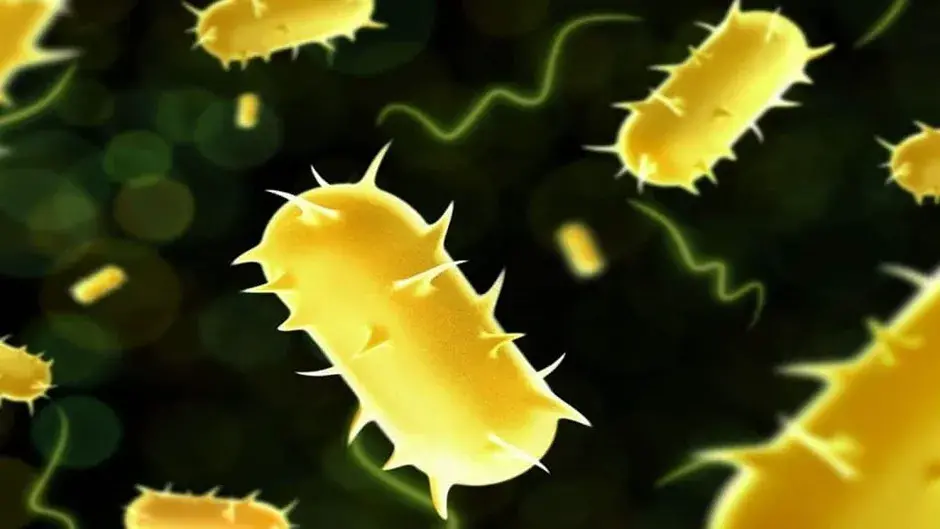
The All India Institute of Medical Sciences (AIIMS) in Delhi has identified seven cases of Mycoplasma pneumoniae, the bacterium associated with ‘Walking Pneumonia.’ The cases were detected between April and September this year and were reported in a study published in the Lancet Microbe journal. Notably, ‘Walking Pneumonia’ cases have been reported globally since October, including in China. Contrary to concerns about a link to the recent surge in respiratory infections in children, especially in China, the Union Health Ministry clarified that these seven cases have no connection to the ongoing outbreaks. The ministry stated that the cases were part of an ongoing study at AIIMS Delhi, spanning April to September 2023, and reassured the public that there’s no cause for worry. The ministry emphasized that no Mycoplasma pneumonia was detected in the 611 samples tested at AIIMS Delhi from January 2023 to the present, and there has been no surge reported in any part of India. AIIMS Delhi is part of a global consortium monitoring the spread of Mycoplasma pneumoniae, and the surveillance is conducted only at specific centers, including AIIMS Delhi. The study highlighted the re-emergence of Mycoplasma pneumoniae in Europe and Asia more than three years after the introduction of COVID-19 pandemic restrictions. ‘Walking Pneumonia’ is a milder form of bacterial infection that resembles a cold, allowing infected individuals to continue with daily activities. The infection is particularly risky for individuals aged 2 or younger, 65 or older, those with weakened immune systems, chronic respiratory conditions, or exposure to crowded places. Symptoms include sore throat, fatigue, chest pain, low-grade fever, chills, cough, sneezing, and headache. Preventive measures recommended by health experts include proper respiratory hygiene, regular handwashing, wearing masks around sick individuals (especially for those with respiratory conditions), getting an annual flu shot, avoiding smoking and secondhand smoke, and timely medical intervention using antibiotics and over-the-counter medicines. The Union Health Ministry continues to collaborate with state health authorities, closely monitoring the situation and providing timely updates to the public.

AIIMS Delhi Identifies Cases of ‘Walking Pneumonia’-Causing Bacterium; Ministry Dismisses Link to China’s Recent Outbreak Read More »