


ArdorComm Media Group

Friday, October 9, 2026 8:24 PM

healthy eating

Every Additional 100 Grams of Ultra-Processed Food Linked to Higher Heart Disease Risk: Study
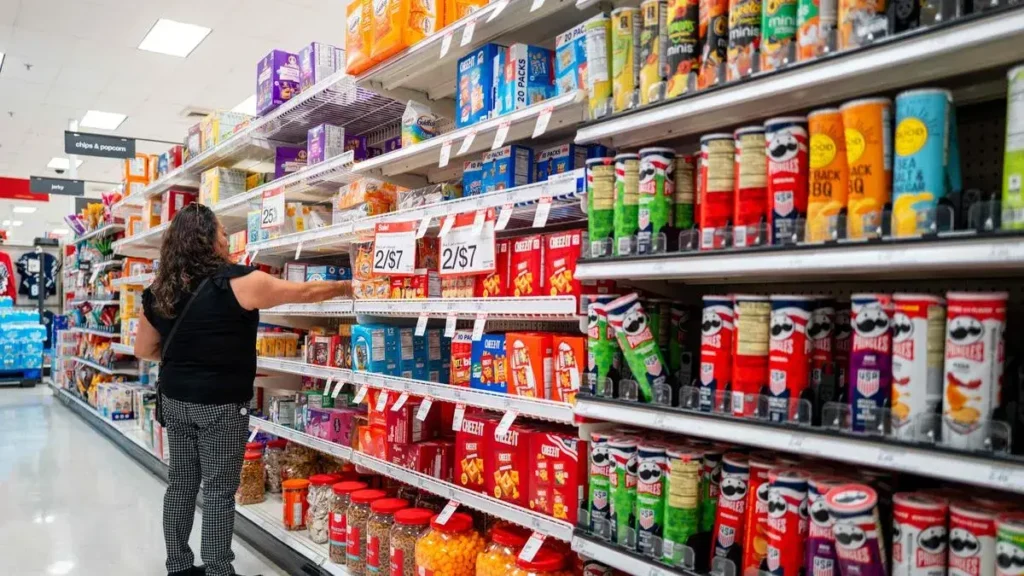
Higher consumption of ultra-processed foods (UPFs) has been associated with increased risks of several chronic health conditions, including cardiovascular disease, cancer, obesity and metabolic disorders, according to a study. The research found that greater intake of ultra-processed foods was associated with a 24 per cent higher risk of cardiovascular events, a 12 per cent higher risk of cancer and a 23 per cent higher risk of overweight or obesity. Higher consumption was also linked with increased risks of metabolic syndrome or diabetes, depression and anxiety, digestive diseases, high blood pressure and death from any cause. Ultra-processed foods are industrially manufactured products that are typically ready to eat or require minimal preparation. They often contain high levels of energy, sugar and salt while providing relatively low amounts of dietary fibre, protein, vitamins and minerals. The researchers found a dose-response relationship between UPF consumption and several health outcomes. Every additional 100 grams of ultra-processed food consumed per day was associated with an 11 per cent higher risk of hypertension, a 14 per cent higher risk of cardiovascular events, a 4 per cent higher risk of cancer and a 3 per cent higher risk of death from any cause. The study also reported that every 10 per cent increase in the share of energy intake coming from ultra-processed foods was associated with a 16 per cent higher risk of metabolic syndrome or diabetes. Researchers suggested that the potential health effects could be linked to several factors. Emerging evidence indicates that combinations of food additives may have cumulative effects, while extensive industrial processing can alter the physical structure of food and potentially affect the gut microbiome. These changes may contribute to inflammation and insulin resistance. The researchers also pointed to compounds that can form during food processing. Acrylamide, which can develop in certain foods during high-temperature processing, and acrolein, which can be generated when fats are heated, have both been associated with cardiovascular health risks. The authors noted that chronic conditions associated with high UPF consumption can occur together as multimorbidity. They suggested that reducing ultra-processed food intake and replacing such products with minimally processed alternatives could be relevant to chronic disease prevention and primary healthcare. Source: PTI


Every Additional 100 Grams of Ultra-Processed Food Linked to Higher Heart Disease Risk: Study Read More »

ICMR Has Not Studied Whether Ultra-Processed Foods Show Addiction-Like Behaviour: Centre

The Indian Council of Medical Research (ICMR) has not conducted any study to determine whether ultra-processed foods (UPFs) display addiction-like behavioural characteristics similar to tobacco or other habit-forming substances, the government informed the Lok Sabha. Responding to a written question in Parliament, Minister of State for Health Prataprao Jadhav said ICMR’s assessment is based on available global scientific evidence, which links higher consumption of ultra-processed foods with a greater risk of several health problems. These include obesity, type 2 diabetes, cardiovascular diseases and certain mental health disorders. However, the minister clarified that such conditions have multiple contributing factors, with excessive consumption of ultra-processed foods being only one of several modifiable risk factors. The government also pointed out that much of the existing evidence on UPFs and health outcomes is observational. Therefore, the available research does not, on its own, establish a direct cause-and-effect relationship. ICMR Steps Up Nutrition Awareness Jadhav said ICMR has undertaken various measures to educate the public about the potential health risks associated with excessive consumption of ultra-processed foods. The Dietary Guidelines for Indians, 2024, advise people to limit their intake of free sugars, avoid frequent consumption of sugar-sweetened beverages and reduce their intake of ultra-processed foods. The guidelines also encourage consumers to identify such products and read food labels before making purchasing decisions. ICMR has additionally launched the “Let’s Fix Our Food” initiative in partnership with national and international organisations. The programme focuses on creating healthier food environments for children and adolescents by working with schools, parents, policymakers and civil society organisations. The initiative aims to develop evidence-based communication resources, improve food environments in schools and encourage healthier eating habits, while discouraging the consumption of foods high in sugar, fat and salt. The minister said ICMR also conducts nutrition awareness activities through public lectures, workshops, training programmes, National Nutrition Month campaigns and other public health initiatives. Educational material on nutrition is also disseminated in regional languages. FSSAI Campaigns Promote Healthier Eating The Food Safety and Standards Authority of India (FSSAI) has also introduced several initiatives aimed at encouraging healthier dietary choices. These include the “Eat Right India” movement and the “Aaj Se Thoda Kam” campaign, which encourages consumers to reduce their intake of fat, salt and sugar. FSSAI is also using social media campaigns to raise awareness about obesity and related health concerns. In collaboration with MyGov, FSSAI has launched the “Eat Right Quiz on Obesity”. Its #HarLabelKuchKehtaHai campaign seeks to help consumers better understand nutritional information and other details provided on food labels. Jadhav said FSSAI has established quality and safety standards for a range of food products, aligned with international standards including those developed by the Codex Alimentarius Commission. Existing regulations also govern the levels of sugar, salt and fat in food products. Under the Food Safety and Standards (Labelling and Display) Regulations, 2020, food manufacturers are required to disclose nutritional information such as energy, protein, carbohydrates, total sugars, added sugars, total fat and sodium, along with ingredient details. The rules also prohibit false or misleading labels. Meanwhile, the Food Safety and Standards (Advertising and Claims) Regulations, 2018 require food-related advertisements and health claims to be truthful, scientifically supported and not misleading. Claims that a food product can prevent, treat or cure diseases are prohibited unless specifically allowed under the law. The government said violations of these regulations can result in regulatory and punitive action against non-compliant food business operators under the Food Safety and Standards Act, 2006. Source: PTI

ICMR Has Not Studied Whether Ultra-Processed Foods Show Addiction-Like Behaviour: Centre Read More »

High Consumption of Packaged Foods Linked to Rising Blood Pressure Among Urban Youth: NIN Study

A recent study conducted by researchers at the Hyderabad-based ICMR-National Institute of Nutrition has found a strong association between the frequent consumption of ultra-processed foods (UPFs) and elevated blood pressure among urban young adults, particularly males. The cross-sectional study involved 311 undergraduate students aged between 18 and 24 years from three colleges in Hyderabad. Researchers assessed participants’ dietary habits over the previous month using a 24-item food frequency questionnaire covering commonly consumed packaged foods such as biscuits, chocolates, and salty snacks — reflecting the changing dietary patterns among India’s urban youth. The study revealed that 12.5% of the participants had high blood pressure levels of 140/90 mmHg or above. The prevalence was notably higher among male students and individuals above the age of 20. After adjusting for variables such as age, gender, and socioeconomic status, researchers found that male participants and students from higher-income families had significantly greater odds of developing hypertension. Importantly, students consuming high-fat and high-salt UPFs at or above the median intake level were found to be independently more likely to have elevated blood pressure. Factors such as taste, affordability, and easy accessibility were identified as major reasons driving the consumption of these packaged foods. The research team included Karthikeyan Ramanujam, Abhigna Mahathi, Jarupula Namrathaa Pawar, Maheshwari Matla, Harichandana Ponnapalli, Vinay Kumar Soma, Keerthana Gajjala, SuryaGoud S. Chukkala, Mahesh Kumar Mummadi, SubbaRao M. Gavaravarapu, G Bhanuprakash Reddy, Jagajeevan Babu Geddam, and Samarasimha Nusi Reddy. Researchers observed that the frequency and type of UPF intake had a stronger influence on hypertension risk than overall dietary diversity. They noted that such health impacts are generally associated with older populations, making the findings concerning as they indicate that hypertension-related risks are emerging early in adulthood — a stage when the condition often goes undiagnosed. Although students residing in hostels showed slightly higher blood pressure levels compared to those staying at home, likely due to repetitive diets and dependence on packaged foods, the association was not statistically significant after adjustments. The findings align with trends reported in the National Family Health Survey (NFHS-5), which has documented a steady increase in hypertension among adolescents and young adults across India. Researchers stated that India is currently undergoing a nutrition transition phase, with young people increasingly shifting toward snack-based ultra-processed foods. The study, published in the latest edition of the journal Nutrients, stressed the urgent need to reduce consumption of foods high in salt, sugar, and unhealthy fats to lower the growing burden of non-communicable diseases. Researchers also recommended policy interventions such as higher taxes on packaged foods, restricting the sale of high-salt snacks near educational institutions, promoting affordable healthy food alternatives, and strengthening nutrition awareness programmes among young adults. Source: The Hindu  

High Consumption of Packaged Foods Linked to Rising Blood Pressure Among Urban Youth: NIN Study Read More »

CBSE Urges Schools to Launch ‘Sugar Boards’ to Curb Rising Sugar Consumption Among Students

In a proactive step toward safeguarding students’ health, the Central Board of Secondary Education (CBSE) has issued a directive to all affiliated schools, calling for the establishment of “sugar boards” to help monitor and reduce sugar intake among children. Highlighting a concerning surge in Type 2 diabetes cases among school-aged children—a condition historically associated with adults—the board has emphasized the link between the trend and high levels of sugar consumption. The prevalence of sugary drinks, snacks, and processed foods within and around school premises has been identified as a key contributor to this growing health issue. According to the CBSE, excessive sugar consumption is not only associated with diabetes but also increases the risk of obesity, tooth decay, and metabolic disorders. These health challenges can further impact a child’s academic performance and overall development. Studies show that children between the ages of 4 and 10 consume around 13% of their daily calories from sugar, while those aged 11 to 18 average around 15%—both far above the World Health Organization’s recommended limit of 5%. Acting on recommendations from the National Commission for Protection of Child Rights (NCPCR), CBSE has advised schools to create informative displays titled “sugar boards.” These boards should clearly outline healthy sugar limits, the sugar content in popular processed and junk foods, the health risks linked to high sugar intake, and suggestions for healthier dietary alternatives. The goal is to empower students to make more informed food choices and foster healthier long-term eating habits. In addition, schools are encouraged to host awareness programs, seminars, and workshops focused on sugar education. Institutions have been asked to document these initiatives and upload brief reports with supporting photographs by July 15. This initiative is part of a broader effort to create healthier school environments and raise awareness about nutrition among students, educators, and parents alike. Source: PTI    

CBSE Urges Schools to Launch ‘Sugar Boards’ to Curb Rising Sugar Consumption Among Students Read More »