ArdorComm Media Group

Friday, May 15, 2026 11:02 PM

higher education India

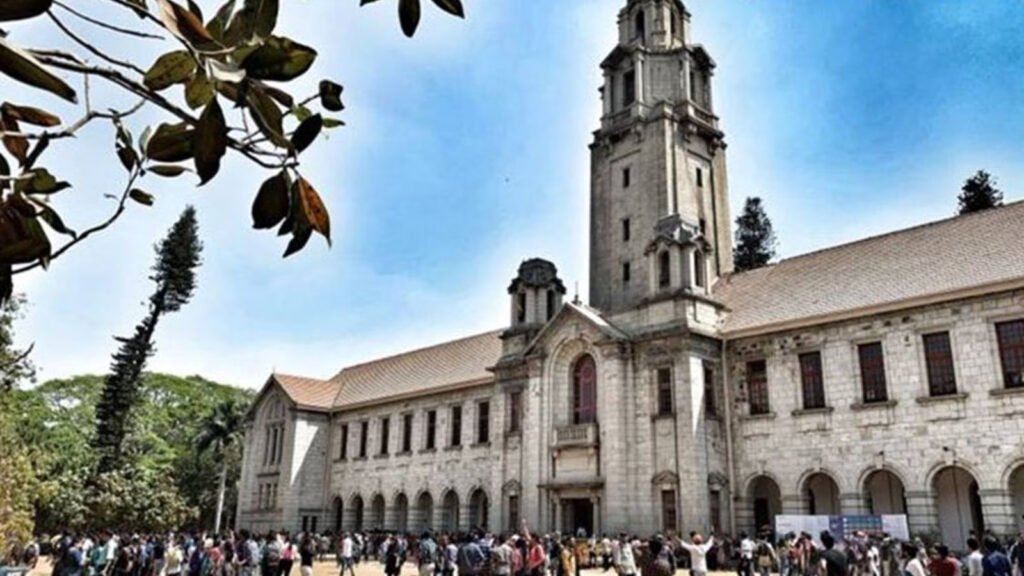
IISc Bengaluru Launches Three New BTech Courses for 2026; Admissions Through JEE Advanced

The Indian Institute of Science (IISc), Bengaluru has announced the introduction of three new BTech programmes for the 2026 academic year, expanding its undergraduate engineering offerings. Admission to these newly launched courses will be based on JEE Advanced 2026 scores, followed by participation in JoSAA counselling. The newly introduced programmes are BTech in Materials Science and Engineering, BTech in Mechanics and Computing, and BTech in Aerospace Engineering. Until now, IISc has been offering two undergraduate programmes — Bachelor of Science (Research) and BTech in Mathematics and Computing. Students seeking admission to the existing BTech Mathematics and Computing course were selected through JEE Advanced via the institute’s own admission portal. According to IISc, the new courses have been developed to prepare future engineers capable of driving innovation, research, and technological development in interdisciplinary and emerging sectors. The curriculum will focus on a strong academic foundation during the initial semesters, integrating engineering fundamentals with mathematics, science, and advanced computational techniques. The institute added that graduates from these programmes are expected to gain analytical, technical, and practical expertise that will make them valuable to global industries, academia, and research organisations. Meanwhile, IIT Roorkee is conducting JEE Advanced 2026, which is scheduled to take place on May 17, 2026. To qualify for JEE Advanced 2026, candidates must rank among the top 2.5 lakh successful students in the JEE Main 2026 BE/BTech paper. Applicants should be born on or after October 1, 2001, with relaxations applicable for reserved categories. Students can attempt JEE Advanced a maximum of two times in two consecutive years and must have first appeared for their Class 12 or equivalent examination in either 2025 or 2026 with Physics, Chemistry, and Mathematics as mandatory subjects. Source: Indian Express

IISc Bengaluru Launches Three New BTech Courses for 2026; Admissions Through JEE Advanced Read More »

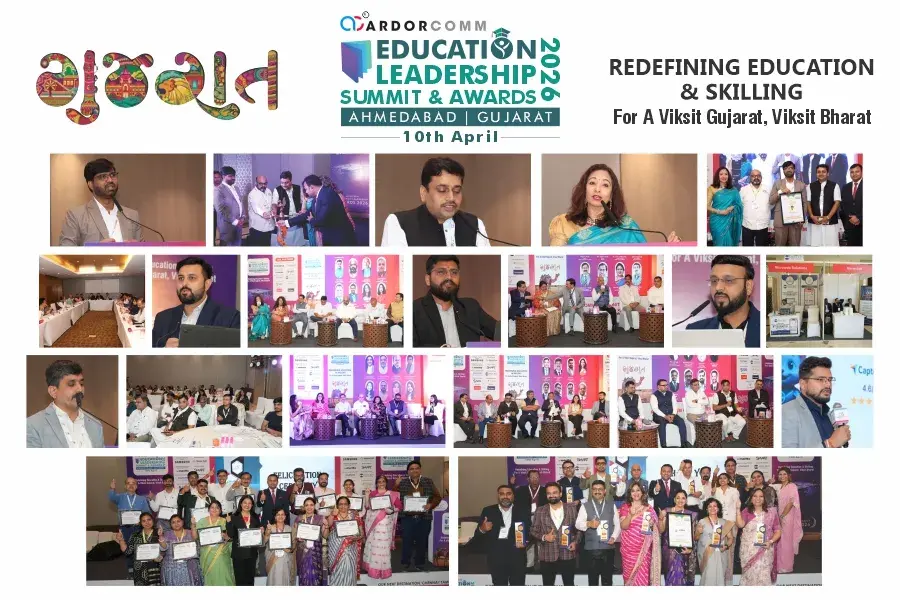
ArdorComm – Education Leadership Summit & Awards 2026, held in Ahmedabad, Gujarat on 10th April 2026

On 10th April 2026, the vibrant city of Ahmedabad played host to one of the most impactful education gatherings of the year, the ArdorComm – Education Leadership Summit & Awards 2026. Organized by ArdorComm Media Group, the summit brought together visionary leaders, policymakers, educators, EdTech innovators, and industry experts under one roof to reimagine the future of education and skilling in India. With the compelling theme “Redefining Education and Skilling for a Viksit Gujarat, Viksit Bharat,” the event successfully fostered dialogue, collaboration, and actionable insights aimed at strengthening India’s education ecosystem. Gujarat: A Thriving Hub of Education & Innovation Gujarat continues to emerge as a powerhouse in education and skill development. Cities like Gandhinagar, Surat, and Vadodara have established themselves as premier academic destinations, offering world-class education across engineering, management, law, and design. The summit highlighted how progressive policies such as National Education Policy 2020, Samagra Shiksha, and Pradhan Mantri Kaushal Vikas Yojana are reshaping the education landscape. Discussions also shed light on initiatives like SAKSHAM – KVK 2.0 and Mukhyamantri Bhumiheen Khetihar Vikas Yojana (MBKVY), which are bridging the gap between education and employability. Support from Esteemed Government Leaders The ArdorComm – Education Leadership Summit & Awards 2026 received notable recognition from distinguished government leaders of Gujarat. A letter of appreciation and support was extended by the Hon’ble Chief Minister, Bhupendra Patel, acknowledging the summit’s efforts in fostering meaningful dialogue around the future of education and skilling in India. Further strengthening this endorsement, Shri Trikambhai Chhanga, Hon’ble Minister for Higher & Technical Education, Government of Gujarat, also conveyed his appreciation for the initiative, highlighting its role in promoting innovation and collaboration within the education ecosystem. In addition, Shri Harsh Sanghavi, Hon’ble Deputy Chief Minister of Gujarat, extended his support through a letter of appreciation, recognizing the summit as a significant platform for knowledge exchange and progressive transformation in education and skilling. This collective encouragement from state leadership underscores the importance of such initiatives in advancing the vision of a future-ready education system aligned with national development goals. Industry Leaders and Keynote Speakers The summit commenced with an insightful inaugural session on “Redefining Education and Skilling for a Viksit Gujarat, Viksit Bharat,” setting the tone for impactful discussions ahead. The session began with a warm welcome address by Kumar Chandan Anand, Founder, CEO & Group Editor of ArdorComm Media Group. The event was graced by the special guest Hiranmay Mahanta, CEO of i-Hub Gujarat, highlighting innovation and entrepreneurship in education. Adding further depth to the discussion, distinguished guest speakers including Prahar Anjaria, Founder & Chairman of Rangoli Group of Institutes, Archit Bhatt, Managing Director of Tripada Group of Schools, and Dr. Seema Negi, Director-Principal of Sanjeevani World School, shared their perspectives on building future-ready institutions. The session successfully laid a strong foundation for the summit by bringing together policy, industry, and academic insights to drive the vision of a skilled and empowered India. The first panel discussion on “NEP 2020 in Action: Leadership Driving Transformational and Competency-based Framework” brought together eminent education leaders to deliberate on the practical implementation of National Education Policy 2020 and its impact on transforming learning ecosystems. The session was effectively moderated by Mayuri Vasani, Executive Director of R.P. Vasani International School, Ahmedabad, who guided the conversation around leadership-driven change in education. The panel featured distinguished speakers including Prof. (Dr.) H. M. Nimbark, Provost & CEO of Gyanmanjari Innovative University, Dr. Anish Sinha, Registrar at the Indian Institute of Public Health, Gandhinagar, and Prof. (Dr.) Apurv Raval, Director & Dean of Shreyarth University, Ahmedabad, who shared valuable insights on institutional transformation and competency-based education. Further enriching the discussion, Nirali Dagli, Director Principal of The Mindcraft School, Surat, Amar Jeet Soni, Director of EBC Group of Schools, Ahmedabad, Sabina Sawhney, Principal of Delhi Public School, Bopal, and Nijpriya Vikalp Panchal, Academic Director of Rising Kids Preschool, Ahmedabad, highlighted the importance of experiential learning, skill integration, and leadership in driving meaningful educational reforms. The session underscored how collaborative leadership and innovative practices are key to translating policy into impactful classroom outcomes. The second panel discussion on “Digital Learning for All: Inclusive Education, Safety and Cyber Hygiene” focused on the growing importance of creating safe, inclusive, and accessible digital learning environments in today’s technology-driven education landscape. The session was moderated by Prahar Anjaria, Founder & Chairman of Rangoli Group of Institutes, Gandhinagar, who steered the dialogue towards balancing innovation with responsibility in digital education. The panel brought together esteemed leaders including Archit Bhatt, Managing Director of Tripada Group of Schools, Ahmedabad, Kamal Mangal, Founder Trustee of Anand Niketan Group of Schools, Ahmedabad, and Viral Jain, Chairman & Managing Trustee of Lokpriya Providentia International School, Jamnagar, who shared their perspectives on leveraging digital platforms for equitable learning opportunities. Adding further insights, Harsh Kapadia, Trustee of The H.B. Kapadia New High School, Ahmedabad, Jayashree Kad, Director of Future Learning Design and Training (FLDT), Kalorex Group, Ahmedabad, and Dr. Seema Negi, Director-Principal of Sanjeevani World School, Mumbai, emphasized the importance of cyber safety, digital literacy, and responsible technology use among students and educators. The discussion highlighted that while digital learning opens new avenues for inclusivity, ensuring security, awareness, and ethical practices remains equally critical for sustainable educational growth. The third panel discussion on “EdTech Ecosystem and Teacher Development: Bridging Teaching–Learning and Student Engagement in a Digitally Connected Education Landscape” delved into the evolving role of technology in enhancing pedagogy and empowering educators. The session was moderated by Prof. (Dr.) Indrajit Patel, Vice Chancellor of CVM University, Vallabh Vidyanagar, who guided an engaging dialogue on integrating EdTech solutions with effective teaching practices. The panel featured distinguished experts including Prof. Dharmendra Singh, Director of IIIT Vadodara, and Rahul Sood, Associate Manager – Business Development at Meritto, who shared insights on leveraging digital tools to enhance student engagement and institutional efficiency. Further enriching the discussion, Vinita Rohera, Managing Trustee of Gandhinagar University, Anveshbhai B Patel, Joint Managing Trustee & Secretary of Sardar Patel Education Trust, Anand, Parth Kotecha, Associate Vice President of Noble University,


ArdorComm – Education Leadership Summit & Awards 2026, held in Ahmedabad, Gujarat on 10th April 2026 Read More »

IGNOU Strengthens India’s Open Learning Landscape: Vice President at 39th Convocation

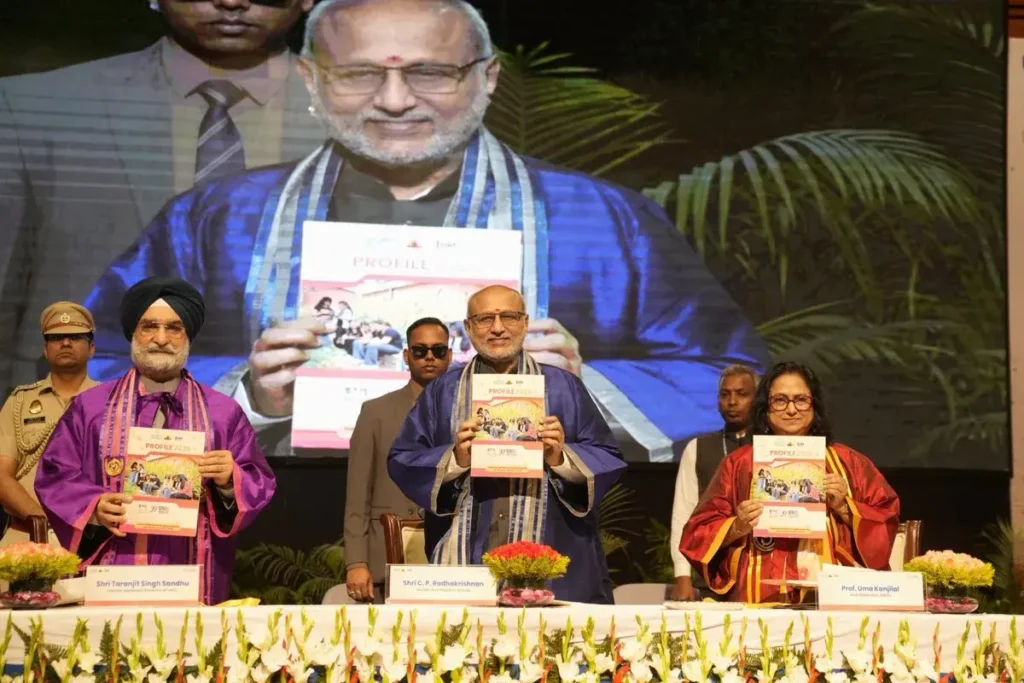
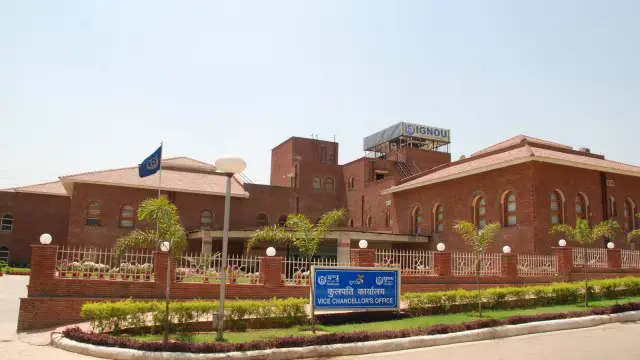
At the 39th convocation ceremony of Indira Gandhi National Open University, Vice President C. P. Radhakrishnan highlighted the institution’s pivotal role in shaping India’s open and distance learning ecosystem. Addressing the gathering on April 7, 2026, he noted that IGNOU serves over 14 lakh learners, with a significant representation of women (56%) and students from rural and disadvantaged backgrounds (58%), reinforcing its inclusive reach. Reflecting on the challenges posed by the COVID-19 pandemic, the Vice President commended IGNOU’s resilience, emphasizing how its well-established distance education model ensured continuity in learning. He praised the university’s effective use of digital platforms like SWAYAM and e-GyanKosh, which helped maintain academic engagement and strengthened its position as a leader in technology-enabled education. Encouraging students to embrace progress, Mr. Radhakrishnan addressed concerns around technological advancements, recalling initial fears about computers replacing jobs. He pointed out that such innovations ultimately created more employment opportunities and contributed to economic growth. He added that emerging technologies, including artificial intelligence, have the potential to enhance learning outcomes, offer personalised education, and improve student support systems. At the same time, he stressed the importance of balancing modern development with traditional values and ethical considerations. Also present at the event, Delhi Lieutenant Governor Taranjit Singh Sandhu underscored IGNOU’s transformative impact on Indian education. He noted that the university has successfully dismantled barriers related to geography, time, and access, enabling millions to pursue education. Addressing the graduating students, he remarked that in today’s dynamic world, a degree is only the starting point, and continuous learning, adaptability, and skill development are essential for future success. Source: The Hindu

IGNOU Strengthens India’s Open Learning Landscape: Vice President at 39th Convocation Read More »

Over 1.2 Lakh Students Receive Degrees at Delhi University’s 102nd Convocation

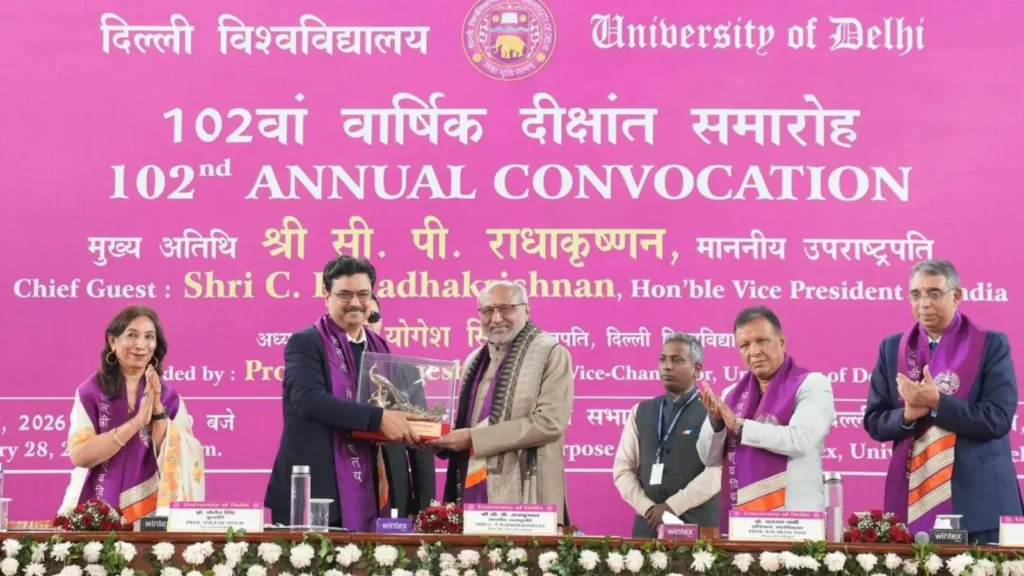
The University of Delhi conferred degrees upon more than 1.2 lakh students during its 102nd convocation ceremony held on February 28. The event was graced by Vice President C P Radhakrishnan as the chief guest, while Vice-Chancellor Yogesh Singh presided over the proceedings. In a symbolic gesture marking the university’s digital transition, the Vice President released the students’ digital degrees at the click of a button. According to the Vice-Chancellor, a total of 1,20,408 degrees were awarded this year. Among them, 50,780 degrees were presented to regular students — 24,748 men and 26,032 women. Additionally, 5,008 degrees were awarded to students of the Non-Collegiate Women’s Education Board (NCWEB) and 64,620 to learners from the School of Open Learning (SOL). Overall, 59,435 male and 60,973 female students received degrees at the ceremony. The university also granted 734 PhD degrees, including 385 to women and 349 to men. The Faculty of Arts accounted for the highest number of doctoral awards at 236, followed by Science with 139 and Social Sciences with 119. In recognition of academic excellence, 132 gold and silver medals and awards were distributed. Undergraduate and postgraduate students received 112 gold medals and one silver medal, along with 19 prize certificates. The total degrees awarded comprised 1,09,003 undergraduate students, 11,362 postgraduate students, and 43 students from the four-year undergraduate programme (FYUP), covering regular, NCWEB, and SOL categories. The VC also announced the awarding of 20 ‘centenary chance’ degrees, a special initiative introduced during the university’s 100th year to enable former students to complete their academic programmes. Addressing the gathering, Vice President Radhakrishnan described the graduating students as key contributors to the vision of ‘Viksit Bharat.’ He emphasised that universities must promote research and innovation rooted in Indian contexts while maintaining global competitiveness. Highlighting gender representation, he noted that women accounted for over 70 per cent of this year’s gold medallists. Reflecting on the institution’s growth, the Vice President remarked that Delhi University began with just three colleges, two faculties, eight departments, and 750 students. Today, it boasts 16 faculties, 86 departments, 90 colleges, 20 halls and hostels, more than 30 centres and institutes, 34 libraries, and a student strength exceeding six lakh. Commenting on the intense competition for admission, he shared that seats are filled promptly, with cut-off marks often reaching as high as 98 per cent. While acknowledging DU’s standing among India’s premier institutions, he urged the university to aim higher in global rankings — aspiring to break into the top 300, then 200, and eventually the top 100 universities worldwide, with the long-term goal of becoming the world’s leading university. Source: Indian Express

Over 1.2 Lakh Students Receive Degrees at Delhi University’s 102nd Convocation Read More »

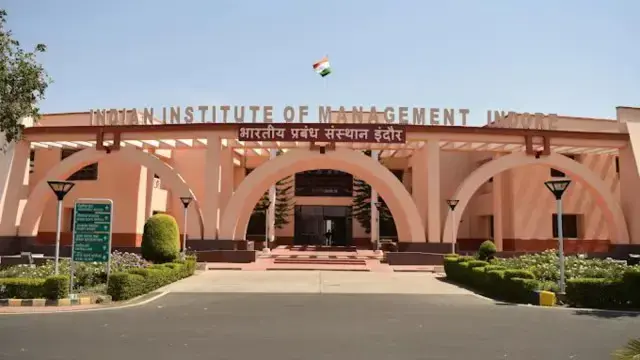
IIM Indore releases PGP 2026–28 admission criteria; increases weightage for Class 12 scores and PI

The Indian Institute of Management Indore has announced the admission policy for its flagship two-year PGP programme for the 2026–28 cohort, introducing notable shifts in evaluation weightages. The institute will continue with its three-tier selection system, factoring in CAT 2025 performance, academic records from Classes 10 and 12, work experience, and scores in the personal interview (PI). To be considered, applicants must appear for CAT 2025 and clear both the sectional and overall percentile benchmarks. For General and EWS candidates, the minimum overall requirement is 90 percentile, with 80 percentile in each section. The cut-off is 80 percentile for NC-OBC, and 60, 45 and 45 percentile for SC, ST and PwD applicants, respectively. At the shortlisting stage, Class 12 marks remain a major determinant, carrying 25% weightage, while Class 10 marks contribute 10%. CAT sectional scores make up 55% of the composite score, with 3% allotted for work experience and 7 marks for diversity. Shortlisted candidates will receive interview calls in January 2026, with offline interviews planned across Bengaluru, Chennai, Delhi, Hyderabad, Indore, Kolkata, and Mumbai. The institute has kept the option open for conducting interviews online if required. For the final admissions list, the PI holds the highest influence with 45% weightage. CAT sectional scores carry 40%, while Class 10 and 12 scores add 5% each. A 5-mark diversity factor is also included. Importantly, meeting cut-offs alone does not ensure selection—candidates must achieve minimum performance standards in every PI parameter to qualify. The institute will adhere to the Government of India’s reservation norms: 27% NC-OBC, 15% SC, 7.5% ST, up to 10% EWS, and 5% PwD. All candidates, regardless of category, must still achieve the minimum performance thresholds set by IIM Indore. For students whose Class 10 or 12 results were altered due to COVID-era board evaluation policies, score weightages will be proportionally reassigned to other components such as CAT sectional scores and available board marks. The institute has also clarified that the admission process may be updated in line with any new government or institutional guidelines. Source: Indian Express

IIM Indore releases PGP 2026–28 admission criteria; increases weightage for Class 12 scores and PI Read More »

Empowering Digital India through Education: Countdown to ArdorComm – Digital Bharat Education Conclave 2025 in Bengaluru

As India accelerates its journey toward becoming a digitally empowered knowledge economy, education remains the linchpin of this transformation. Against this backdrop, ArdorComm Media Group, one of India’s fastest-growing media organisations, is set to host its National Flagship Event – Digital Bharat Education Conclave 2025 in Bengaluru, Karnataka on 19th September 2025. With a future-forward theme – Digital India Rising: Transforming Education, Skilling & Employability – the conclave promises to be a high-impact gathering of education stakeholders, tech innovators, government dignitaries, and institutional leaders from across the nation. Why Does This Conclave Matters? India’s Digital Bharat initiatives have dramatically reshaped the way learning is delivered, accessed, and consumed. From remote tribal belts to bustling urban centres, digital technologies are now at the heart of educational outreach. The conclave arrives at a time when the country is witnessing a surge in Education 5.0—an ecosystem where Artificial Intelligence (AI), Machine Learning (ML), immersive AR/VR experiences, Learning Management Systems (LMS), and data-driven insights are redefining education models. Bengaluru, Karnataka—India’s tech capital—provides the perfect setting for this exchange of ideas. The state’s forward-thinking policies, robust digital infrastructure, and dynamic education ecosystem make it a prime example of how technology can be leveraged to uplift learning outcomes, boost employability, and ensure inclusive education. What to Expect: Key Highlights This one-day conclave is designed as an interactive platform to celebrate, discuss, and design the next leap in Indian education. Here’s what the day entails: Panel Discussions: 6+ engaging sessions featuring experts from academia, government, and industry. 50+ Esteemed Speakers sharing best practices and innovative approaches. Participation from 150+ Higher Education Institutions, 100+ K-12 Schools, 20+ EdTech Corporates. 2+ RoundTable Discussions to deep-dive into policy, technology, and leadership challenges. ArdorComm Education Leadership Awards 2025 to honour institutions and individuals driving change. Who Will Be There? Expect participation from a wide spectrum of stakeholders, including: Government Officials & Policy Makers University Leaders & College Principals EdTech Innovators & Startups HR Professionals from Skill & Employability Sectors K-12 & Preschool Management Bodies Training & Certification Bodies The conclave is a dynamic networking opportunity for changemakers committed to uplifting the Indian education ecosystem. Key Discussion Themes The event will revolve around the following futuristic and inclusive themes: Empowering Students for the Global Stage: Skills for 21st Century Workforce Inclusive Campus in Digital Era: Addressing Digital Divides, Diversifying Curricula Degrees to Skills: Rethinking Higher Education Outcomes for the Future Workforce Education 5.0: Redefining Education by Integrating Immersive & Advanced Technologies Public-Private Partnerships in Education: Institutional Perspectives for Scalable Impact These themes reflect the urgency to not just adapt to change, but lead it. ArdorComm Education Leadership Awards 2025: Honouring the Trailblazers One of the marquee segments of the conclave is the Education Leadership Awards 2025, a prestigious initiative to honour excellence, innovation, and impact in the education and skilling ecosystem. From preschools to universities, from startups to corporate giants—six award segments will celebrate those who’ve truly made a difference: Award Segments: Preschool Awards School Education Awards Higher Education Awards Skills & Training Awards EdTech Startup Awards EdTech Corporate Awards If you or your institution has led by example in advancing education, nominate now: Submit Nomination Why You Should Attend This is not just another event—it’s a collaborative movement towards building an inclusive, tech-driven, and skill-oriented education system for India. Whether you’re a policymaker, educator, institution head, EdTech entrepreneur, or HR professional, DBEC 2025 will help you: Stay ahead of policy and tech trends Connect with India’s top education influencers Showcase your innovations and gain visibility Collaborate for strategic partnerships and investments Celebrate and learn from the best in the sector Conclusion: The Future Is Now The Digital Bharat Education Conclave 2025 is more than just a confluence of thought leaders—it’s a platform to redefine the trajectory of Indian education. In the heart of India’s tech capital, this conclave will set the stage for meaningful dialogues, pathbreaking innovations, and actionable collaborations that push the boundaries of what’s possible. Mark your calendar – 19th September 2025 Location – Bengaluru, Karnataka Theme – Digital India Rising: Transforming Education, Skilling & Employability Let’s come together to celebrate changemakers and shape a digitally empowered future for India’s learners. Stay tuned for updates, speaker announcements, and more. Follow us with hashtags: #DBEC2025 #DBECBengaluru #DigitalBharatEducationConclave

Empowering Digital India through Education: Countdown to ArdorComm – Digital Bharat Education Conclave 2025 in Bengaluru Read More »

CUET UG 2025 Results Awaited: Over 13.5 Lakh Candidates Anxiously Wait for Scores

More than 13.5 lakh students who took the Common University Entrance Test for Undergraduate admissions (CUET UG) 2025 are eagerly awaiting their results. Conducted by the National Testing Agency (NTA) between May 13 and June 4, the CUET UG results are expected to be released soon, although no official date has been confirmed yet. Once declared, candidates can access their scorecards on the official website – cuet.nta.nic.in. The final answer key, which forms the basis for result compilation, will be released alongside the results. It’s important to note that no objections regarding the answer key will be accepted after the results are published. Earlier, NTA had issued the provisional answer key on June 17, and students were allowed to submit their objections until June 20. Following the declaration of results, participating universities and institutions will prepare their individual merit lists and conduct counselling sessions based on the CUET UG 2025 scores. This year saw significant changes to the CUET UG format. The exam was held entirely in computer-based mode (CBT) and featured three distinct sections: Section 1 tested proficiency in 13 languages Section 2 covered 23 domain-specific subjects Section 3 assessed general aptitude The paper comprised objective-type multiple-choice questions. Notably, the accountancy paper saw a revised pattern to better align the questions with the official syllabus. In comparison, CUET UG 2024 was conducted in a mixed mode (CBT and offline) for around 13.48 lakh candidates, with results declared on July 28. In 2023, the results were announced on July 15, while the 2022 results were declared much later on September 15. With the exam changes in place and the number of candidates rising, the CUET UG 2025 results remain one of the most anticipated announcements for students seeking undergraduate admissions this year. Source: Indian Express

CUET UG 2025 Results Awaited: Over 13.5 Lakh Candidates Anxiously Wait for Scores Read More »