


ArdorComm Media Group

Saturday, August 15, 2026 4:13 PM

HIV

WHO Estimates COVID-19 Linked to 22.1 Million Excess Deaths Worldwide Between 2020 and 2023
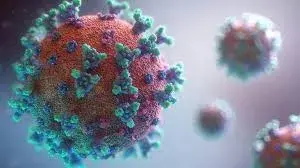
A new report released by the World Health Organization has revealed that the COVID-19 pandemic was associated with an estimated 22.1 million excess deaths globally between 2020 and 2023, underscoring the devastating impact the crisis had on health systems and societies worldwide. Published in the WHO’s latest World Health Statistics report, the figure is more than three times higher than the officially reported COVID-19 death toll, as it includes both direct fatalities caused by the virus and indirect deaths resulting from disrupted healthcare services, delayed treatments, and strained medical systems. According to the report, the pandemic erased nearly a decade of progress in global life expectancy, with recovery remaining slow and uneven across different regions of the world. Despite the setbacks, the report highlighted encouraging progress in several public health areas. New HIV infections declined by 40% between 2010 and 2024, while tobacco and alcohol consumption also registered reductions during the same period. The number of people requiring treatment for neglected tropical diseases dropped by 36%. The WHO further noted improvements in access to essential services between 2015 and 2024. Nearly 961 million people gained access to safe drinking water, 1.2 billion received improved sanitation facilities, 1.6 billion gained access to basic hygiene services, and 1.4 billion people benefited from cleaner cooking solutions. Regional progress was also evident in some areas. The WHO African Region recorded a 70% reduction in HIV infections and a 28% decline in tuberculosis cases, outperforming global averages. Meanwhile, the South-East Asia Region was reported to be on course to meet its 2025 malaria reduction milestone. However, the report warned that several health challenges continue to threaten global progress. Malaria incidence has risen by 8.5% since 2015, moving the world further away from international targets. Anaemia continues to affect 30.7% of women of reproductive age globally, with little improvement over the last decade. The prevalence of overweight children under five reached 5.5% in 2024, while violence against women remains a serious concern, with one in four women worldwide experiencing intimate partner violence. WHO Director-General Tedros Adhanom Ghebreyesus stated that the findings reflect “both progress and persistent inequality,” adding that millions of people, especially women, children, and underserved populations, still lack access to the fundamental conditions required for healthy living. The report also expressed concern over slowing progress toward Universal Health Coverage (UHC). Between 2015 and 2023, the global UHC service coverage index improved only slightly from 68 to 71. Additionally, one in four people globally experienced financial hardship due to healthcare expenses, while nearly 1.6 billion people were either living in or pushed into poverty because of out-of-pocket medical costs in 2022. Childhood vaccination coverage also remains below global targets, contributing to renewed outbreaks of preventable diseases. Although maternal mortality has declined by 40% since 2000 and under-five mortality by 51%, many nations are still unlikely to meet the 2030 health goals. Progress in reducing deaths from non-communicable diseases has slowed considerably since 2015. The WHO further highlighted environmental and lifestyle risks contributing to poor health outcomes. Air pollution was linked to an estimated 6.6 million deaths globally in 2021, while unsafe water, sanitation, and hygiene conditions contributed to 1.4 million deaths in 2019. Yukiko Nakatani stressed the urgent need for stronger investment in primary healthcare, prevention strategies, and sustainable health financing to build more resilient healthcare systems. The report also exposed major shortcomings in global health data collection. By the end of 2025, only 18% of countries were reporting mortality data to the WHO within a year, and nearly one-third had never submitted cause-of-death information. Out of an estimated 61 million deaths worldwide in 2023, only about one-third included cause-of-death reporting, while just one-fifth contained properly coded International Classification of Diseases (ICD) data. The WHO warned that these data gaps severely weaken the ability of governments and health agencies to monitor disease trends, compare health outcomes internationally, and respond effectively to future public health emergencies. Source: The Hindu
WHO Estimates COVID-19 Linked to 22.1 Million Excess Deaths Worldwide Between 2020 and 2023 Read More »

HIV Cases in Mizoram Surge to 32,287 – Understanding the Crisis

Mizoram is witnessing a concerning surge in HIV cases, with 32,287 individuals testing positive and 5,511 reported deaths as of January 2025. The state now holds the highest HIV prevalence rate in India at 2.73%, far exceeding the national average of 0.2%. State Health Minister Lalrinpuii has urged lawmakers to take immediate action to combat the epidemic. During a meeting of the Mizoram Legislative Forum on AIDS, Mizoram State AIDS Control Society (MSACS) Project Director Dr. Jane R. Ralte provided an update, revealing that 1,769 new cases were detected between April 2024 and January 2025. According to Dr. Ralte, 67% of infections are attributed to unprotected sexual activity, while 30.44% stem from the use of unsterilized syringes. However, a decline in new infections and HIV-related deaths has been observed due to increased testing and adherence to antiretroviral therapy (ART). To support those affected, the state legislators have pledged Rs 50,000 each from their MLA funds for 2024-25, ensuring continuous ART treatment access through MSACS. Additionally, the Health Ministry has introduced HIV self-testing (HIVST) as a discreet, accessible testing method to combat stigma and improve early detection. HIV primarily spreads through unprotected sexual contact, sharing contaminated needles, blood transfusions, and from mother to child during pregnancy or breastfeeding. High-risk groups include individuals with multiple partners, intravenous drug users, sex workers, and healthcare workers exposed to infected blood. With strengthened policies, awareness programs, and self-testing initiatives, Mizoram aims to curb the HIV crisis and ensure better healthcare access for affected individuals. Source: Business Standard

HIV Cases in Mizoram Surge to 32,287 – Understanding the Crisis Read More »

Union Health Ministry Issues Mpox Guidelines to States, Focuses on Screening and Testing Suspected Cases

Amid rising concerns about the spread of mpox, Union Health Secretary Apurva Chandra has issued new guidelines to all states, emphasizing the need for rigorous screening and testing of suspected cases. The health ministry’s directive comes after a suspected case was reported in Delhi, marking India’s first alert since the disease was classified as a Public Health Emergency of International Concern (PHEIC) by the World Health Organization (WHO). The guidelines focus on four key steps for states to follow: Surveillance Training: States are instructed to train state and district-level surveillance teams on identifying suspected, probable, and confirmed mpox cases. Contact tracing and enhanced surveillance activities are crucial for early detection and containment. Healthcare Worker Training: Healthcare workers in clinics treating skin and sexually transmitted infections, along with those involved in the government’s HIV control program, must be trained on the signs, symptoms, and clinical management of mpox, while strictly adhering to isolation protocols. Screening and Testing: States are urged to carry out screening and testing of suspected cases, particularly among vulnerable groups such as men who have sex with men and sex workers. Testing facilities should be integrated into hospitals and identified HIV control program sites. Clear Communication: Effective communication about the risks of mpox is critical. The guidelines stress informing healthcare workers, hospital areas, and communities about the modes of transmission, symptoms, and the importance of timely reporting without inciting panic. The ministry has also asked states to identify isolation facilities for treating suspected and confirmed mpox cases. With a significant proportion of global cases being reported among people with HIV, state AIDS control societies have been asked to remain vigilant and monitor any emerging cases. The health ministry’s letter highlights the atypical spread of the deadlier Clade Ib of mpox through sexual contact, a shift from traditional transmission methods. The virus is predominantly affecting young men aged 18-44 years and is primarily spread through sexual and non-sexual close contact. Common symptoms include rashes, particularly on the body or genital region, and fever. Although India has reported 30 cases of the older mpox strain since 2022, the risk of sustained transmission within the country remains low, according to experts. The government continues to stress that while the situation requires vigilance, public panic should be avoided, and the focus should remain on prevention, awareness, and timely medical intervention. Source: Indian Express

Union Health Ministry Issues Mpox Guidelines to States, Focuses on Screening and Testing Suspected Cases Read More »

Britain’s Health Service Accused of Cover-Up in Infected Blood Scandal

Britain’s National Health Service (NHS) has been accused of a cover-up in a decades-old infected blood scandal, according to a damning public inquiry report submitted to the government on Monday. The scandal, dating back to the 1970s, involved over 30,000 people being infected with life-threatening viruses such as HIV and Hepatitis C while under NHS care. Prime Minister Rishi Sunak is expected to issue an apology on behalf of the government after inquiry chair Sir Brian Langstaff delivered his scathing verdict. The report highlights the importation of infected batches of Factor VIII, a crucial blood-clotting protein, from the US, which led to widespread infection. Donated blood was not tested for HIV/AIDS until 1986 and Hepatitis C until 1991 in the UK. “The scale of what happened is horrifying,” Langstaff stated in his report, which followed a five-year investigation. “More than 3,000 deaths are attributable to infected blood, blood products, and tissue.” He added that the response from the NHS and the government amounted to a cover-up, not through an orchestrated conspiracy but through pervasive and subtle efforts to hide the truth to save face and expense. The extensive 2,527-page, seven-volume document details the scandal’s enormous scale and includes recommendations such as a speedy compensation scheme for those affected and who lost loved ones. It also urges the NHS to ensure that anyone who received a blood transfusion before 1996 is urgently tested for Hepatitis C and that new patients are asked if they had a transfusion before that time. The report criticizes the response under Margaret Thatcher’s Conservative Party government, which claimed that patients received the best treatment available at the time. Langstaff called this assertion inappropriate and unacceptable, noting that it became a mantra that was never questioned. An apology, the report adds, should be sincere and lead to action, including compensation. The Sunak-led government has promised to address the issue of final compensation once the inquiry’s report is published, with the total cost likely to run into billions of pounds.

Britain’s Health Service Accused of Cover-Up in Infected Blood Scandal Read More »