ArdorComm Media Group

Saturday, February 7, 2026 6:55 AM

ICMR

New COVID-19 Subvariants NB.1.8.1 and LF.7 Detected in India: INSACOG Report
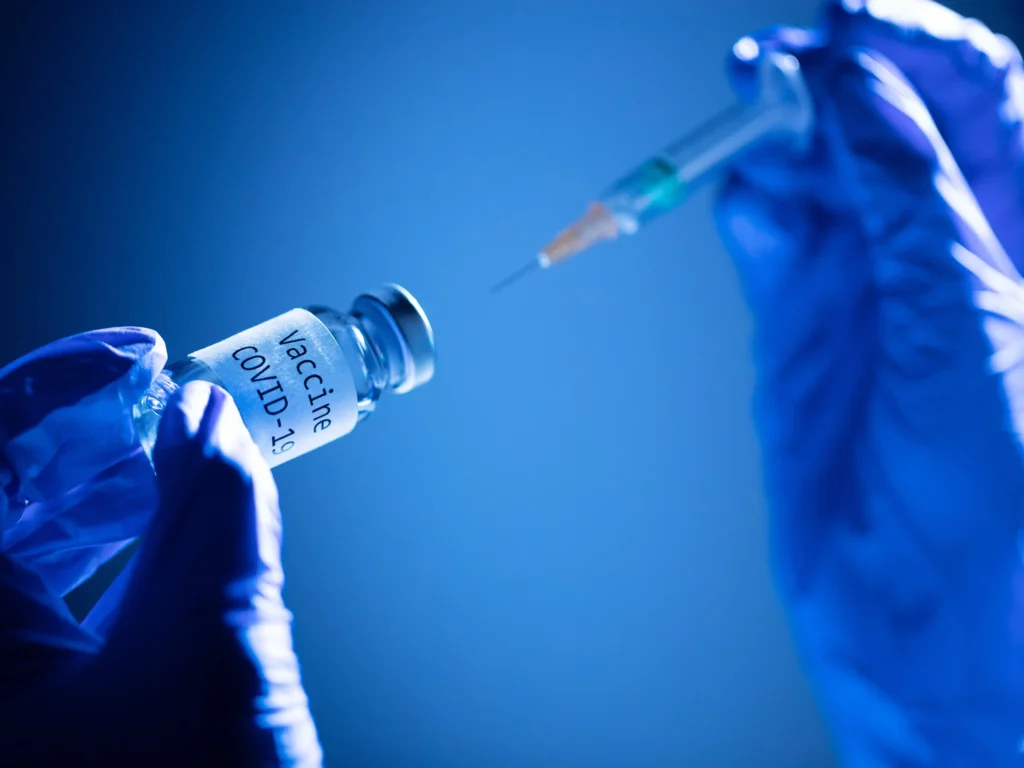
India has recorded the presence of two newly emerging COVID-19 subvariants—NB.1.8.1 and LF.7—according to recent data released by the Indian SARS-CoV-2 Genomics Consortium (INSACOG). While these variants are currently categorized as Variants Under Monitoring by the World Health Organization (WHO), they have been linked to the recent surge in COVID-19 cases across China and parts of Asia. As per the INSACOG data, a single case of NB.1.8.1 was identified in Tamil Nadu in April, while four cases of LF.7 were reported from Gujarat in May 2025. Despite these new detections, the dominant strain circulating in India remains JN.1, accounting for approximately 53% of the tested samples. It is followed by BA.2 (26%) and other Omicron-related variants (20%). Preliminary assessments by WHO suggest that NB.1.8.1 poses a low global public health risk, but the subvariant carries spike protein mutations—A435S, V445H, and T478I—that may enhance both transmissibility and the ability to evade immune responses. As of May 19, India reported 257 active COVID-19 cases. A high-level review meeting was recently convened, chaired by the Director General of Health Services, with participation from the ICMR, National Centre for Disease Control, and other leading health agencies to monitor the evolving situation. Meanwhile, certain states have shown localized spikes. Delhi reported 23 new cases, Andhra Pradesh had four, Telangana confirmed one, and Bengaluru recorded a positive case in a nine-month-old infant, reflecting a steady rise over the last 20 days. Kerala, in particular, reported 273 cases in May alone. Source: PTI

New COVID-19 Subvariants NB.1.8.1 and LF.7 Detected in India: INSACOG Report Read More »

Health Ministry Initiates Recruitment for Technical Resource Centres

The Union Health Ministry, in collaboration with the Indian Council of Medical Research (ICMR), is advancing efforts to establish Technical Resource Centres (TRCs) aimed at synthesizing and evaluating evidence to develop and promote evidence-based healthcare policies. These centres will play a pivotal role in formulating clinical guidelines and enhancing the adoption of best practices within the healthcare sector. ICMR has issued a call for Expressions of Interest (EoI) from researchers, faculty, and scientists to join these centres. Each TRC will receive financial support of up to ₹20 lakh per year, with funding initially set for three years and subject to annual performance reviews. The TRCs will conduct systematic reviews and meta-analyses to generate high-quality evidence, utilizing the GRADE (Grading of Recommendations, Assessment, Development, and Evaluation) approach. The centres will also organize training programs and workshops to disseminate best practices and support effective guideline development. Regular monitoring visits, professional development plans, and biannual training programs are integral components of the TRCs’ operations. Manuscripts based on completed evidence tables are expected to be submitted within three months. The ICMR has outlined eligibility criteria for applicants, including regular employment at medical institutes, research centres, universities, or colleges, along with the necessary experience, resources, and preferably access to relevant databases. Applications will be reviewed by an expert committee, with selected participants to be notified via email and the DHR website in September 2024. The evaluation of applications will be based on expertise in evidence synthesis, available infrastructure and resources, publication history, and the extent of collaboration and networking capabilities. Source: The Hindu

Health Ministry Initiates Recruitment for Technical Resource Centres Read More »

ICMR Releases Dietary Guidelines, Links 56% of Diseases in India to Diet

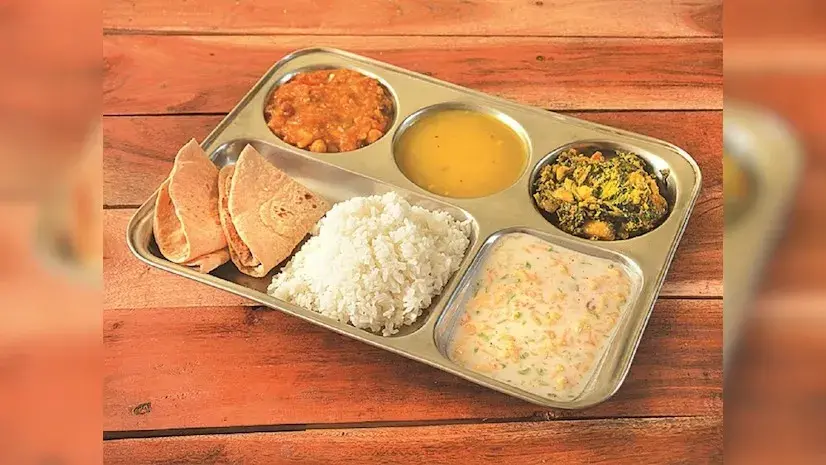
The Indian Council of Medical Research (ICMR) has released 17 dietary guidelines aimed at meeting essential nutrient requirements and preventing non-communicable diseases (NCDs) like obesity and diabetes. According to the National Institute of Nutrition (NIN), estimates suggest that 56.4% of the total disease burden in India is attributable to unhealthy diets. The guidelines emphasize the importance of healthy diets and physical activity in reducing the risk of coronary heart disease (CHD), hypertension (HTN), and type 2 diabetes. They recommend measures such as restricting salt intake, moderating the use of oils and fats, engaging in regular exercise, and minimizing consumption of sugar and ultra-processed foods. Dr. Hemalatha R, Director of ICMR-NIN, led a multi-disciplinary committee of experts in drafting the guidelines, which underwent scientific review. The aim is to promote informed and healthy food choices, encourage adoption of a healthy lifestyle, and address issues related to malnutrition. Dr. Rajiv Bahl, Director General of ICMR, highlighted the relevance of the guidelines in addressing the changing food landscape in India. He emphasized the importance of promoting holistic nutrition and health while tackling the prevalence of non-communicable diseases. The guidelines advocate for a balanced diet that includes a variety of foods, limiting cereals to 45% of total calories, and incorporating pulses, beans, meat, nuts, vegetables, fruits, and milk for essential nutrients. The NIN underscores the need to address the limited availability and high cost of certain food items, which can lead to inadequate intake of essential macronutrients and micronutrients, increasing the risk of metabolic disorders from a young age.  

ICMR Releases Dietary Guidelines, Links 56% of Diseases in India to Diet Read More »

Health Minister Mandaviya Chairs High-Level Meeting on Preparedness for COVID-19 Variant JN.1 in India

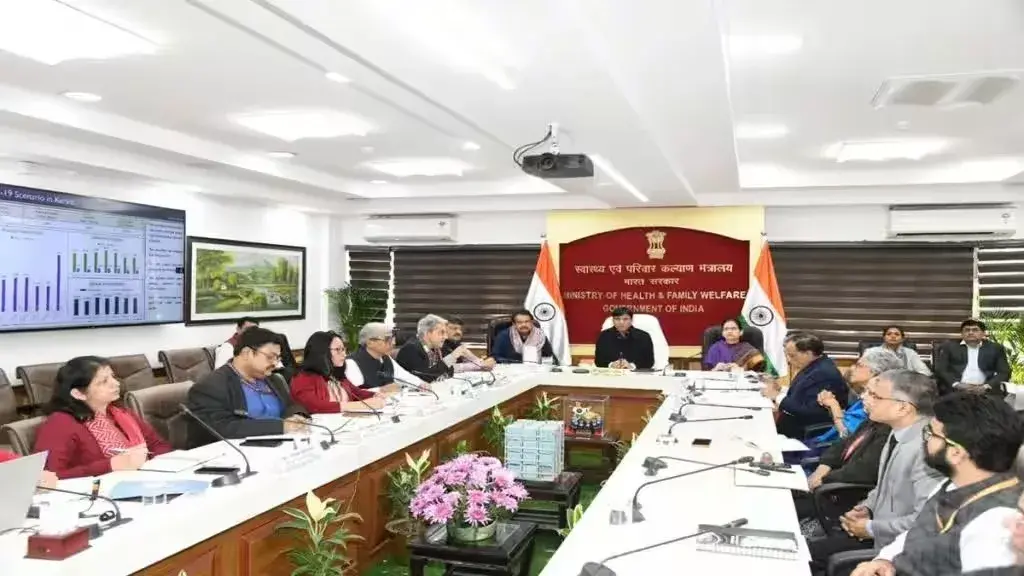
In response to the emergence of the COVID-19 variant JN.1 in India, Health Minister Mansukh Mandaviya convened a virtual high-level meeting on Wednesday to evaluate the current status and preparedness for the evolving situation. The meeting was attended by MoS (Health) Prof SP Singh Baghel, Health Minister of Uttarakhand Dr. Dhan Singh Rawat, ICMR DG Dr. Rajeev Bahl, Member (Health) NITI Aayog Dr. V K Paul, and former WHO Scientist Dr. Soumya Swaminathan. As India grapples with a surge in fresh COVID-19 cases, the meeting aimed to foster a collaborative “Whole of Government” approach in close coordination among various states. The attendees discussed the importance of vigilance without causing panic and emphasized the need for comprehensive preparedness measures. Minister Mandaviya stressed the significance of unity and collaboration, stating, “It is time to work together in a ‘Whole of Government’ approach, through closely working with each other. We need to be on the alert, but there is no need to panic.” He urged the implementation of mock drills for hospital preparedness, increased surveillance, and effective communication with the public. Notably, he proposed conducting mock drills in all hospitals every three months to enhance readiness. Acknowledging the gravity of the situation, the Health Minister assured full support from the Central Government to the states. The meeting addressed the necessity of proactive measures, given the reported death of an individual in Karnataka’s Bengaluru on Wednesday, who was not only affected by COVID-19 but also had co-morbidities. The gathering highlighted the collaborative efforts of state health ministers and key health officials, aiming to ensure a coordinated and efficient response to the challenges posed by the emerging COVID-19 variant. As India remains vigilant against the evolving scenario, the commitment to preparedness, regular mock drills, and enhanced communication strategies underscores the nation’s determination to combat the pandemic effectively. The proactive approach advocated by Health Minister Mandaviya aligns with the evolving dynamics of the pandemic, emphasizing the need for continuous preparedness and a united effort in the face of emerging variants.

Health Minister Mandaviya Chairs High-Level Meeting on Preparedness for COVID-19 Variant JN.1 in India Read More »