ArdorComm Media Group

Wednesday, August 26, 2026 2:08 PM

IIT-Madras

Indian Institutions in QS Rankings Rise from 11 to 52 Since NIRF Launch: Centre

India’s presence in global higher education rankings has expanded significantly over the past decade, with the number of Indian institutions featured in the QS World University Rankings rising from 11 in 2015 to 52 in the 2027 edition, the Centre informed the Lok Sabha on Monday. The government linked the growth to efforts to strengthen the quality, competitiveness and global visibility of Indian higher education institutions following the launch of the National Institutional Ranking Framework (NIRF) in 2015. NIRF was introduced to assess and rank higher education institutions across the country. Its evaluation framework covers teaching, learning and resources; research and professional practices; graduation outcomes; outreach and inclusivity; and peer perception. NIRF participation more than doubles The government response also highlighted a substantial rise in participation in the national ranking exercise. The number of applications submitted to NIRF increased from 6,272 in 2021 to 14,163 in 2025. Over the same period, the number of unique institutions participating in NIRF grew from 4,030 to 7,692, reflecting wider participation across India’s higher education sector. More Indian institutions make gains in QS rankings The QS World University Rankings 2027 indicate that India’s progress is increasingly extending beyond the country’s traditional IIT-led group of institutions. Of the 52 Indian institutions included in the latest rankings, 26 improved their positions, while nine retained their previous ranks. Another 15 institutions saw their rankings decline, while two institutions made their debut in the global rankings. Eighteen Indian institutions recorded their highest-ever QS positions, with 13 of them coming from outside the IIT system. Among the leading Indian institutions, IIT Delhi moved up five places to rank 118th globally, equalling the highest position ever attained by an Indian institution. IIT Bombay, which had reached the same position in the 2026 edition, slipped five places to 134th. IIT Madras improved to 170th, while IIT Kharagpur climbed to 205th. IISc Bengaluru was placed at 221st. Several non-IIT institutions recorded particularly notable gains. Shoolini University moved up 51 places to 452nd, while BITS Pilani jumped 93 places to 575th. VIT made one of the biggest advances, rising 94 places to 597th. IIT Hyderabad improved by 76 places, while Jamia Millia Islamia climbed more than 75 positions to rank 686th. NEP 2020 among key government initiatives The Centre attributed the improvement in the global standing of Indian institutions to a range of policy measures, including initiatives introduced under the National Education Policy (NEP) 2020. The policy places emphasis on multidisciplinary education, critical thinking, research and innovation, improved infrastructure and faculty development. The government also cited the Institutions of Eminence scheme, funding and institutional support provided through RUSA and PM-USHA, and the expansion of premier higher education institutions as contributing factors. Since 2014, the government said, 43 new premier institutions have been established, including seven IITs, eight Central universities and nine IIMs. The rising number of Indian institutions in the QS rankings, alongside broader participation in NIRF, points to a widening global footprint for India’s higher education sector and growing competition among institutions to improve academic and research performance. Source: Indian Express

Indian Institutions in QS Rankings Rise from 11 to 52 Since NIRF Launch: Centre Read More »
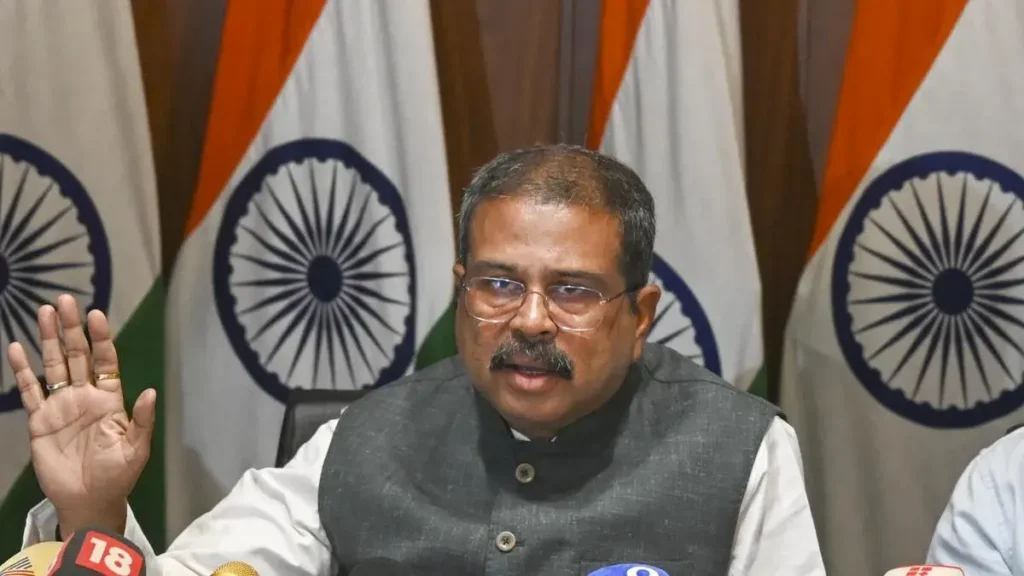
Dharmendra Pradhan Assures Action Over CBSE Evaluation Discrepancies, Takes Responsibility for OSM Issues

Union Education Minister Dharmendra Pradhan has acknowledged concerns surrounding discrepancies in the Central Board of Secondary Education (CBSE) Class 12 evaluation process and assured students that all grievances will be addressed. Taking responsibility for issues linked to the newly introduced On-Screen Marking (OSM) system, he said strict action would be taken against anyone found deliberately responsible for irregularities affecting students. The OSM system, implemented for the first time this year, involves scanning physical answer sheets and uploading them to a secure digital platform for evaluation by examiners. However, several students have reported inconsistencies in marks and claimed that scanned answer sheets available on the CBSE portal did not match their handwriting, raising concerns about possible errors in the digital evaluation process. Addressing the issue, Pradhan noted the massive scale of the exercise, highlighting that nearly 17 lakh students appeared for the examinations, generating around 98 lakh answer sheets comprising approximately 40 crore scanned pages. He stated that the Board is actively working to resolve all concerns related to evaluation, verification, and re-evaluation. To review the situation, the Education Minister chaired a high-level meeting at CBSE headquarters, attended by senior officials from the Ministry of Education, CBSE leadership, experts from IIT Madras and IIT Kanpur, representatives of public sector banks, and officials from the Kendriya Vidyalaya Sangathan. Discussions focused on evaluation procedures, portal performance, and student support mechanisms. The review also examined complaints regarding login difficulties, heavy server traffic, and payment-related challenges on the post-examination services portal. An expert technical team comprising IIT professors and digital systems specialists has been tasked with assessing portal stability, server capacity, user access management, and payment gateway integration to ensure smoother services for students. In a move aimed at improving the re-evaluation process, CBSE has integrated payment gateways from four public sector banks — State Bank of India, Indian Bank, Bank of Baroda, and Canara Bank — to facilitate seamless transactions for students accessing post-result services. Meanwhile, Pradhan criticised Congress leader Rahul Gandhi for alleging large-scale irregularities in the CBSE examination system and demanding a judicial probe. The Minister defended the Board’s procurement and evaluation processes, stating that all procedures were conducted in accordance with government norms. He reiterated that any genuine irregularities identified during investigations would be dealt with firmly. Emphasising the need to keep students’ interests at the forefront, Pradhan urged political parties not to politicise the issue and stressed that reducing examination-related stress for students should remain the primary objective. Source: The Hindu  

Dharmendra Pradhan Assures Action Over CBSE Evaluation Discrepancies, Takes Responsibility for OSM Issues Read More »

IIT-Madras researchers uncover physiological markers that can predict and manage test anxiety among students

Researchers at the Indian Institute of Technology (IIT) Madras have identified key physiological signals that can help detect students who are most prone to test anxiety, potentially transforming how educational institutions understand and address academic stress. The findings, published in the international peer-reviewed journal Behavioural Brain Research, explore the interaction between the brain and heart in students facing exam-related anxiety. This scientific approach offers early detection possibilities and paves the way for personalized coping strategies. According to NCERT (2022), nearly 81% of Indian students experience some level of test anxiety, which can adversely affect academic outcomes and long-term mental well-being. Led by Venkatesh Balasubramanian from the Department of Engineering Design, the IIT-Madras team emphasized the value of using objective physiological data rather than relying solely on students’ self-reported feelings. Their research shows that a disruption in the brain-heart communication network during stressful situations can make certain students more vulnerable to anxiety and avoidance behaviours, highlighting a biological difference between healthy and unhealthy responses to exam pressure. The study identifies two critical markers: Frontal Alpha Asymmetry (FAA): a brain-based indicator linked to emotional control Heart Rate Variability (HRV): a measure of how effectively the heart adjusts to stress Researchers found that students exhibiting a negative FAA pattern showed weaker heart regulation under pressure, suggesting a biological predisposition to heightened anxiety. This deeper understanding reframes academic stress as a condition rooted not only in psychology but also in measurable physiological interactions. According to Swathy Parameswaran, Research Scholar at IIT Madras, these insights could lead to practical tools powered by artificial intelligence. Such tools may enable real-time, non-invasive monitoring systems capable of alerting educators and mental health professionals before visible symptoms arise. The research also supports the creation of personalized stress management strategies that can be integrated into school and university wellness programs. Though based on a preliminary sample of 52 participants, the study marks a promising advancement in combining neuroscience with educational psychology. The team plans to expand the research with larger, more diverse groups and explore additional factors like sleep quality and physical activity. Upcoming phases will also include advanced methods such as EEG-based connectivity mapping to further unravel heart-brain dynamics during stress. Source: PTI

IIT-Madras researchers uncover physiological markers that can predict and manage test anxiety among students Read More »

Govt to Introduce Skill-Based Learning in Class 11 & 12 Under NEP 2020: Pradhan

ardorcomm news

The government is preparing to integrate skill-based learning into the curriculum of Classes 11 and 12 in line with the National Education Policy (NEP) 2020, Union Education Minister Dharmendra Pradhan announced on Sunday. Speaking at the Dakshinapatha Summit 2025 hosted by IIT Madras, Pradhan emphasized the need for a major shift in teaching approaches to match the demands of the modern workforce. He noted that the earlier system focused heavily on degrees and certificates, while the new approach aims to build real-world competencies in students. “We are working to bring in skill-based subjects for Class 11 and 12 students. While qualifications are important, it is equally necessary to ensure that students are job-ready and capable,” the minister said. Pradhan also shared that his ministry is working to embed skill-based education from Class 6 onwards, making it a structured and compulsory part of schooling rather than an optional add-on. He reiterated that skill development forms a core pillar of NEP 2020, which envisions preparing learners for both higher studies and employability. Source: PTI

Govt to Introduce Skill-Based Learning in Class 11 & 12 Under NEP 2020: Pradhan Read More »

NIRF Rankings 2025: IIT Madras leads overall for 7th year, IISc retains top university spot for 10th year

The National Institutional Ranking Framework (NIRF) 2025, released by the Union Ministry of Education on Thursday, reaffirmed the dominance of India’s premier institutes. The Indian Institute of Technology (IIT) Madras once again clinched the top position in the overall category for the seventh consecutive year, while the Indian Institute of Science (IISc), Bengaluru, was named the best university for the tenth straight year. The top 10 list in the overall rankings was largely led by IITs, alongside All India Institute of Medical Sciences (AIIMS), New Delhi, Jawaharlal Nehru University (JNU), and IISc. Among universities, JNU retained its second rank, while Delhi University improved its standing to fifth. A major highlight was BITS Pilani breaking into the top 10 universities for the first time since 2016, after climbing from 19th place last year. In the colleges category, Delhi University institutions dominated. Hindu College and Miranda House maintained the first and second positions, while Hansraj College and Kirori Mal College achieved their best-ever rankings at third and fourth, overtaking St. Stephen’s College (fifth this year). Lady Shri Ram College slipped significantly from 10th to 17th. Notably, Hansraj had been ranked 21st and Kirori Mal 20th back in 2018, highlighting their steady rise. Institutions were assessed on parameters including Teaching, Learning & Resources (TLR), Research & Professional Practice (RP), Graduation Outcomes (GO), Outreach & Inclusivity (OI), and Perception (PR). IIT Madras excelled with a perfect 100 in perception—an achievement it has maintained since 2023—alongside strong scores in TLR (90.58). However, its weakest area remained inclusivity, with a score of 63.34. Among colleges, Hansraj College and Atma Ram Sanatan Dharma College recorded the strongest research and professional practice scores (above 96), whereas Hindu College led on perception. In the universities category, JNU stood out for graduation outcomes (99.93), while IISc topped in teaching, learning, and perception but lagged in inclusivity. The 2025 edition saw a record 7,692 institutions participate, compared to 2,426 in the inaugural 2016 rankings. This year introduced a new Sustainable Development Goals (SDG) category, recognizing institutions’ green and innovation practices. IIT Madras ranked first here as well, besides leading in engineering and innovation. In management, IIM Ahmedabad retained its crown. Anil D. Sahasrabudhe, Chairman of the National Board of Accreditation, highlighted a new rule—negative marking for retracted research papers—to address growing concerns over academic integrity. IIT Madras Director Prof. V. Kamakoti credited the institution’s consistent top performance to “focused team effort.” Source: Indian Express 

NIRF Rankings 2025: IIT Madras leads overall for 7th year, IISc retains top university spot for 10th year Read More »

AP Government to Form Advisory Panel on Good Governance with Experts from IIT Madras, Gates Foundation

Andhra Pradesh Chief Minister N. Chandrababu Naidu has announced the formation of a 10-member advisory council dedicated to enhancing good governance across the state. The council will include experts from prestigious institutions such as IIT Madras and the Gates Foundation, with a clear mandate to recommend impactful reforms aimed at improving citizen services and transparency. During a high-level review meeting at the State Secretariat focused on the Real Time Governance Society (RTGS), Naidu emphasized the need to leverage digital platforms—especially WhatsApp Governance—to deliver government services directly to citizens. He directed officials to bring all digitally available services under WhatsApp Governance by June 12 and to expedite the integration of real-time data systems to support this transformation. “The aim is to reach the last citizen with ease, speed, and accountability,” Naidu said, reiterating his vision for a fully tech-enabled government. Katamaneni Bhasker, Secretary of IT, informed the Chief Minister that while the potential exists to offer over 500 services through WhatsApp Governance, currently only 254 services have been integrated. The department is now aiming to scale this number to over 1,000 in the near future. In a further push for technological innovation, the state is also planning a masterplan for a “drone city” at Orvakallu, with ongoing efforts to position Andhra Pradesh as a hub for emerging tech and smart governance. With initiatives like the advisory council and rapid digital integration, Andhra Pradesh is positioning itself as a frontrunner in citizen-centric governance backed by data, tech, and expert insights.

AP Government to Form Advisory Panel on Good Governance with Experts from IIT Madras, Gates Foundation Read More »

IIT Madras Centre For Innovation showcase 60 Tech Innovations built by 1,000 students during Open House 2025

Standout prototypes include ‘S.A.M.V.I.D’, an AI-powered humanoid designed to assist visitors at India’s first Constitution Museum & ‘Supersyringe’, a volume-gated syringe that ensures precise anaesthesia dosage & ‘Drone Swarm’, a coordinated fleet of drones CHENNAI, 15th March 2025: Indian Institute of Technology Madras (IIT Madras) Centre for Innovation (CFI) students showcased 60 cutting-edge tech innovations built by nearly 1,000 students across 26 teams during CFI Open House 2025 held in the campus today (15th March 2025). One of India’s largest student-run innovation lab, CFI houses 14 clubs spanning diverse technological domains alongside eight competition teams that actively compete in National and International events. Conducted annually, CFI Open House features products completely designed and built by students. This event offers a unique platform for the projects to gain visibility and attract further support from the Industry and Alumni. Open House 2025 witnessed many standout exhibits including: ‘S.A.M.V.I.D’, an AI-powered humanoid designed to assist visitors at India’s first Constitution Museum at OP Jindal Global University in Sonipat, Haryana ‘Supersyringe’, a volume-gated syringe that ensures precise anaesthesia dosage ‘Drone Swarm’, a coordinated fleet of drones designed for payload lifting and delivery Calling upon the Industry and Alumni community to help take these innovations to the market, Prof. V. Kamakoti, Director, IIT Madras, said, “CFI is central to IITM’s ‘I&E stack’ and has fostered a culture of building among our student community. A vast majority of our undergraduates and a growing number of graduate students participate in CFI and allied activities. I am glad to note that this year has seen stellar performances by CFI teams in reputed National and International competitions while also showcasing some exceptional innovations and enriching our IP base.” Prof. V. Kamakoti added, “I note with joy and pride that a number of CFI students are also taking entrepreneurship seriously with teams reaching out to the pre-incubator Nirmaan. This year also marked the first time that a former CFI student head (Mr. Sarthak Saurav) founding and joining his own startup (Matterize) immediately upon graduation. I congratulate the teams, student executives, the faculty mentors and support staff for putting on such a wonderful show and encourage them to continue and contribute more strongly to mission ‘Startup Shatam’.” Further, Prof. Sathyanarayana N Gummadi, Dean (Students), IIT Madras, said, “CFI is a beacon of innovation and creativity. This year, we had over 60 projects involving 1,000 students to showcase their innovations in the Open House. Interestingly, this year we filed 15 patents based on the innovations and we are probably looking for three potential startups. I strongly believe that this year, the CFI team is moving in the right path of protecting more intellectual property and converting ideas to a product. In this direction, IIT Madras will soon achieve the target of Startup Shatam.” HIGHLIGHTS OF THE YEAR On the software and AI front, projects like ‘Blink’, an audio-based VR game enhancing accessibility for visually impaired users and ‘AI Rahaman’, a multi-track fusion music generator blending different genres, pushed the boundaries of immersive technology. ‘Axify’, an advanced image processing tool that optimizes file sizes while maintaining quality and ‘QuanCrypt’, a post-quantum cryptography library ensuring future-proof security, showcased innovations in computational efficiency and cybersecurity. Meanwhile, ‘TradeCraft’, an AI-driven predictive trading platform, allowed users to simulate stock, futures, and options trading in a risk-free environment, making financial markets more accessible. Team Raftar, the Formula Student EV race car team, clinched first place in ‘Overall Statics’ at Formula Bharat 2025, securing top honours in Engineering Design, Cost and Manufacturing, and Best Battery Pack. Team iGEM earned a Gold Medal at the prestigious International Genetically Engineered Machine (iGEM) Competition, reinforcing its excellence in synthetic biology. Team Avishkar is developing a sub-scale passenger cabin and pioneering booster-cruiser technology for Hyperloop while replacing steel tubes with cost-effective concrete tubes to make infrastructure more scalable. Their test track enables real-world validation of aerodynamics, levitation, propulsion, and safety systems, driving the future of sustainable high-speed transportation in India. These victories mark another milestone in CFI’s legacy of technological innovation and global impact. “A PLATFORM FOR INNOVATORS” Congratulating the students, Prof. Prabhu Rajagopal, Advisor (Innovation and Entrepreneurship), CFI-IIT Madras, said, “The CFI Open House is the annual power-packed showcase of projects conducted by all the teams working within the umbrella of our Innovation Hub. Today, we have eight competition teams and 14 club teams dedicated to various cutting-edge themes including areas such as 3D printing, artificial intelligence, robotics, biotechnology and socially relevant innovations, and also competition teams including Hyperloop, formula racing and sounding rockets. I am very happy to report that last year our sounding rocket team was placed first in Asia at the Spaceport America 2024 and several of our competition teams have done very well in international arenas. This year we are very excited to showcase the new innovations at the Open House in a completely new venue. Also this year saw a number of teams from CFI embarking on an entrepreneurial journey, with Matterize (AI for 3D printing), Automagri (farm automation) among the first such to incubate their startups immediately upon graduation, while Nirmaan pre-incubated teams like Pravahan (shipping), CGG (drone logistics) and waterfly (mass transportation) are pushing the limits of innovation. I look forward to welcoming a new batch of students inspired by experiencing these innovations to the ‘InnoSphere’ of IIT Madras.” Sharing the student experience on working in such a massive event, Mr. Madhavnambi R V, Student Executive Head, Centre For Innovation (CFI) – IIT Madras, said, “Over the years, CFI has grown tremendously, transforming into a resourceful hub for anyone with a vision. With diverse clubs and competition teams covering multiple domains, it provides a platform for innovators of all backgrounds to pursue their ideas. This year, we have undertaken over 60 projects, and we are excited to display them to the world through Open House. CFI looks forward to welcoming professionals, researchers, and technology enthusiasts to Open House, where their insights and feedback will inspire our creators to refine and elevate their ideas. At

IIT Madras Centre For Innovation showcase 60 Tech Innovations built by 1,000 students during Open House 2025 Read More »

IIT Placements: Lowest Salary Packages Received by Students in Top IITs Since 2019

The Indian Institutes of Technology (IITs), renowned for their impressive placement records and multi-crore salary packages, have reported surprisingly low minimum salary offers in recent years. While average salaries range between ₹20 to ₹28 lakh per annum, and top packages can exceed crores, some students have received much lower offers, reflecting the impact of global economic uncertainties. Recent placement data from IIT Bombay showed that the lowest package offered this year was ₹4 lakh per annum, a significant drop compared to previous years. Experts attribute this trend to the broader economic situation, which has influenced campus recruitment. IIT Placement: Lowest Salaries (2019-2024) IIT Madras: Ranked first in NIRF 2024, IIT Madras saw its lowest salary fluctuate between ₹5.4 lakh per annum in 2019-20 to ₹6 lakh per annum in 2023-24, despite a rise in average salaries from ₹29.28 lakh to ₹41.72 lakh over the same period. IIT Bombay: Ranked third in NIRF 2024, IIT Bombay’s lowest package this year was ₹4 lakh, with 10 offers ranging from ₹4 to ₹6 lakh. The campus also saw 22 students securing crore-plus offers, mostly for international roles. IIT Kharagpur: Ranked fifth, IIT Kharagpur’s lowest packages varied from ₹7 lakh to ₹16 lakh in recent years. The 2023 placements saw over 700 offers, including six crore-plus packages on the first day. IIT Roorkee: Salaries consistently ranged between ₹6-8 lakh annually across the past five years. IIT Guwahati: Noted a low salary of ₹5.23 lakh in 2022-23, with other years averaging around ₹7 lakh. IIT Delhi: Ranked second in NIRF 2024, IIT Delhi reported a lowest package of ₹10 lakh per annum, with highest and average stipends being ₹4.04 lakh and ₹2.63 lakh per month, respectively, in its summer placements. Despite the impressive overall numbers, IITs have decided not to publicly disclose individual salary packages, recognizing the potential negative impact on students’ mental health due to the intense competitiveness and high expectations around compensation figures. According to an AIPC member, “Majority of these crore-worth offers are international, and publicizing such figures can adversely affect students’ mental well-being.” This approach aims to maintain a balanced environment where the focus remains on skill development rather than salary comparisons. Source: Indian Express

IIT Placements: Lowest Salary Packages Received by Students in Top IITs Since 2019 Read More »

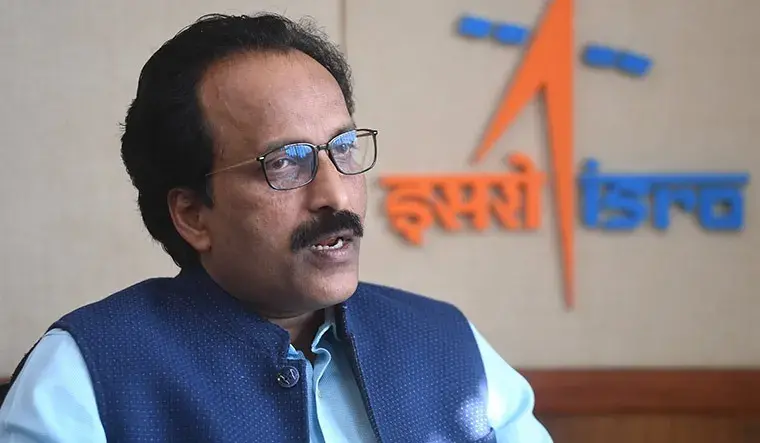
Didn’t have the Courage to Sit for IIT Entrance’: ISRO Chief S Somanath Earns PhD from IIT-Madras

S Somanath, the 60-year-old chairman of the Indian Space Research Organisation (ISRO), received his PhD from IIT-Madras on Friday. Despite being the topper in the state for science, Somanath revealed, “I did not have the courage to write an entrance for IIT.” Speaking at the 61st convocation ceremony of IIT-Madras, Somanath, who was born in a village in Kerala, received his PhD degree for a thesis titled “Vibration Response Studies on Modified Hyper Elastic Material Models for Application in Aerospace Systems.” He expressed his deep connection to the topic, stating, “It is related to vibration isolators, which I started as an engineer in ISRO years ago. But this remained with me.” Somanath began his doctoral studies while working on the Geosynchronous Satellite Launch Vehicle Mark III (GSLV Mk III) project. However, the demands of his work at ISRO forced him to put his studies on hold. He shared, “Since I was immersed in that work then, I couldn’t take forward my PhD. It is a real good fortune that I could complete it after having assumed the office of chairman of ISRO. It is really a great honour.” Under Somanath’s leadership, ISRO achieved significant milestones, including the Chandrayaan-3 mission, which made India the first country to land near the south pole of the Moon, and the launch of India’s first solar observatory, Aditya-L1. The degree was awarded to him by IIT-M Director Prof V Kamakoti and Dr Pawan Goenka, Chairman of the Board of Governors, IIT-M. The convocation ceremony at IIT-Madras was attended by 2,636 graduates, their families, and guests. Among the graduates were 764 B.Tech students, 277 Dual Degree B.Tech and M.Tech students, and 481 M.Tech students. The event also featured a speech by Mechanical Engineering student Dhananjay Balakrishnan, who highlighted the ethical responsibilities of engineers in the context of global conflicts. “There is a mass genocide going on in Palestine. People are dying in large numbers and there is no end in sight. Why should we bother by this, you may ask? Because STEM as a field in itself has historically been used to advance the ulterior motives of the imperial powers such as Israel,” he said.

Didn’t have the Courage to Sit for IIT Entrance’: ISRO Chief S Somanath Earns PhD from IIT-Madras Read More »

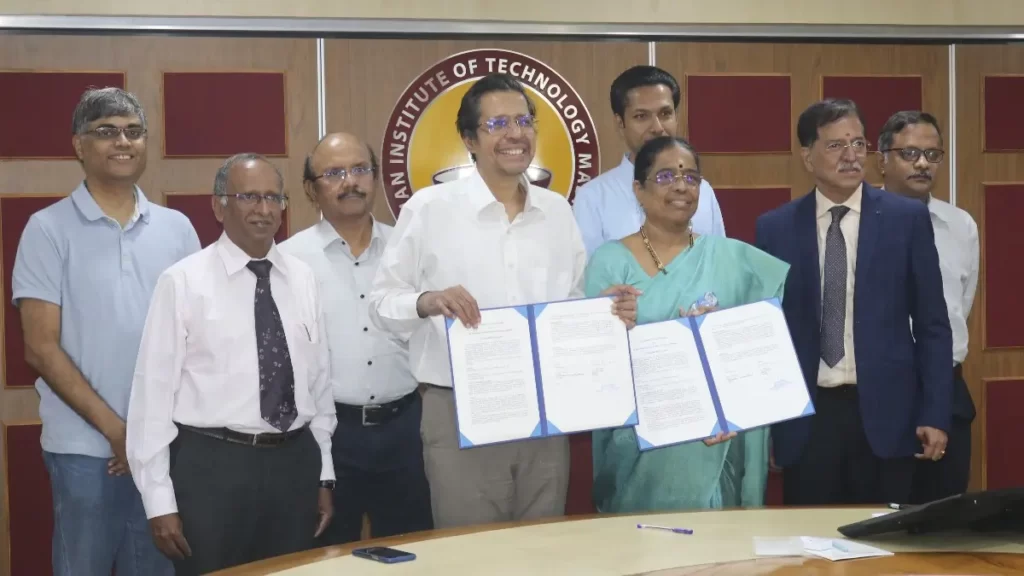
IIT Madras and SRIHER Collaborate on MD-PhD Dual Degree Program for Advancing Medical Research in India

IIT Madras and Sri Ramachandra Institute of Higher Education and Research (SRIHER) in Chennai, Tamil Nadu, have entered into a Memorandum of Understanding (MoU) to introduce a MD-PhD Dual Degree program. The collaboration aims to blend medical expertise and research capabilities, with SRIHER granting the MD degree and IIT Madras conferring the PhD degree through its Department of Medical Sciences and Technology. The program, set to commence in the upcoming academic year, emphasizes core clinical, interdisciplinary, and translational research to train proficient research scientists. Prospective postgraduate students at SRIHER, admitted through NEET, can apply for the PhD program at IIT Madras after their second year. The initiative seeks to cultivate ‘Physician-Scientists’ to drive India’s advancement in medicine and health research, aligning with the goal of achieving self-sufficiency in these fields. The MD-PhD graduates, recognized for their significant contributions, have historically garnered 37 percent of Nobel Prizes in Physiology, exemplifying their pivotal role in establishing crucial cause-and-effect relationships such as those between smoking and cancer or sugar and diabetes.

IIT Madras and SRIHER Collaborate on MD-PhD Dual Degree Program for Advancing Medical Research in India Read More »