ArdorComm Media Group

Friday, May 1, 2026 2:48 AM

IIT Roorkee

IIT Roorkee Releases JEE Advanced 2026 Eligibility Rules; Exam Scheduled for May 17

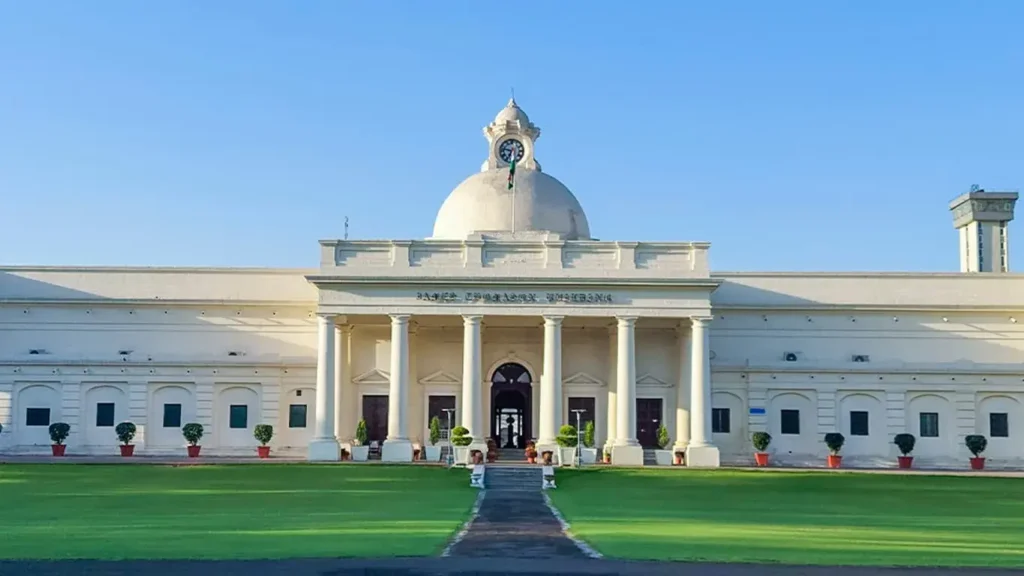
IIT Roorkee has officially announced the eligibility criteria and key dates for JEE Advanced 2026. Only the top 2,50,000 performers from the JEE Main 2026 BE/BTech paper will qualify, based on a fixed category-wise distribution. The exam will be conducted on Sunday, May 17, 2026. Under Criterion A1, candidates must rank within the top 2.5 lakh across categories: 40.5% OPEN, 10% GEN-EWS, 27% OBC-NCL, 15% SC and 7.5% ST, with an additional 5% PwD horizontal reservation in each group. IIT Roorkee noted that totals may slightly exceed 2.5 lakh if ranks are tied. Foreign national categories OCI/PIO (I) will be treated strictly under OPEN, without access to reservation benefits except PwD where applicable. Age limits require candidates to be born on or after October 1, 2001, with a five-year relaxation for SC/ST/PwD. Candidates may attempt JEE Advanced only twice in two consecutive years. For Class XII eligibility, students must have appeared for the first time in 2025 or 2026 with PCM as compulsory subjects. IIT Roorkee clarified that any declared board result—regardless of exam mode—counts as an appearance. Students who appeared in 2024 or earlier are ineligible, except for the special case where boards released results for the 2023–24 session on or after June 18, 2024, making those candidates eligible. Source: Indian Express

IIT Roorkee Releases JEE Advanced 2026 Eligibility Rules; Exam Scheduled for May 17 Read More »

IIT Placements: Lowest Salary Packages Received by Students in Top IITs Since 2019

The Indian Institutes of Technology (IITs), renowned for their impressive placement records and multi-crore salary packages, have reported surprisingly low minimum salary offers in recent years. While average salaries range between ₹20 to ₹28 lakh per annum, and top packages can exceed crores, some students have received much lower offers, reflecting the impact of global economic uncertainties. Recent placement data from IIT Bombay showed that the lowest package offered this year was ₹4 lakh per annum, a significant drop compared to previous years. Experts attribute this trend to the broader economic situation, which has influenced campus recruitment. IIT Placement: Lowest Salaries (2019-2024) IIT Madras: Ranked first in NIRF 2024, IIT Madras saw its lowest salary fluctuate between ₹5.4 lakh per annum in 2019-20 to ₹6 lakh per annum in 2023-24, despite a rise in average salaries from ₹29.28 lakh to ₹41.72 lakh over the same period. IIT Bombay: Ranked third in NIRF 2024, IIT Bombay’s lowest package this year was ₹4 lakh, with 10 offers ranging from ₹4 to ₹6 lakh. The campus also saw 22 students securing crore-plus offers, mostly for international roles. IIT Kharagpur: Ranked fifth, IIT Kharagpur’s lowest packages varied from ₹7 lakh to ₹16 lakh in recent years. The 2023 placements saw over 700 offers, including six crore-plus packages on the first day. IIT Roorkee: Salaries consistently ranged between ₹6-8 lakh annually across the past five years. IIT Guwahati: Noted a low salary of ₹5.23 lakh in 2022-23, with other years averaging around ₹7 lakh. IIT Delhi: Ranked second in NIRF 2024, IIT Delhi reported a lowest package of ₹10 lakh per annum, with highest and average stipends being ₹4.04 lakh and ₹2.63 lakh per month, respectively, in its summer placements. Despite the impressive overall numbers, IITs have decided not to publicly disclose individual salary packages, recognizing the potential negative impact on students’ mental health due to the intense competitiveness and high expectations around compensation figures. According to an AIPC member, “Majority of these crore-worth offers are international, and publicizing such figures can adversely affect students’ mental well-being.” This approach aims to maintain a balanced environment where the focus remains on skill development rather than salary comparisons. Source: Indian Express

IIT Placements: Lowest Salary Packages Received by Students in Top IITs Since 2019 Read More »