ArdorComm Media Group

Monday, November 23, 2026 12:34 PM

Inclusive Education

NIOS Class 10 Results 2025 Declared for April Session; 62.72% Students Pass

The National Institute of Open Schooling (NIOS) has released the Class 10 results for the April 2025 session on June 30. Students who appeared for the exams can now access their scorecards by visiting the official NIOS websites — nios.ac.in and results.nios.ac.in. Results can be downloaded using the student’s enrolment number and captcha code. According to data shared by NIOS, 1,06,082 students registered for the April 2025 Class 10 exams. Among them, 1,02,495 learners had registered in at least five subjects, making them eligible for certification. Of those, 89,847 students appeared for the exams, and 56,350 passed, leading to an overall pass percentage of 62.72%. Gender-wise performance revealed that female students performed slightly better, achieving a pass rate of 63.32%, while male students recorded a 62.31% success rate. The NIOS Class 10 examinations for the April-May session began on April 9 with the Entrepreneurship paper and concluded on May 19 with subjects like Carnatic Sangeet, Employability Skills, and Sanskrit Sahitya. Last year, the Class 10 results were declared on June 27. How to Check NIOS Class 10 Results 2025 Visit the official NIOS results portal: results.nios.ac.in Click on the ‘Admission’ tab and proceed to the student portal Go to the ‘Exam & Result’ section Select ‘Result’ and click on the link to check results Enter your enrolment number and security code View, download, and print your scorecard for future reference Grievance Redressal and Re-evaluation Students unsatisfied with their results or facing discrepancies can raise concerns via the student portal at sdmis.nios.ac.in within 30 days of the result announcement. A 15-day window for rechecking and re-evaluation will begin on July 2, 2025. For additional queries, students may email: rcell@nios.ac.in. Notably, Class 12 results were released earlier on June 20. NIOS Strengthens Inclusive Education with New Agreement In a significant move to promote inclusive education, the Department of Empowerment of Persons with Disabilities (DEPwD) signed a tripartite agreement with NIOS and NCERT. The collaboration, supported by Union Ministers Virendra Kumar and Dharmendra Pradhan, aims to revise and adapt educational content in alignment with the National Education Policy (NEP) 2020, making it more accessible, inclusive, and relevant for learners with disabilities. The agreement will focus on curriculum reform and pedagogical innovation to ensure that students with disabilities are fully integrated into mainstream education. Source: Indian Express

NIOS Class 10 Results 2025 Declared for April Session; 62.72% Students Pass Read More »
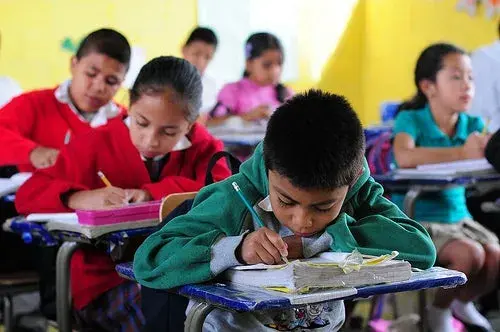
Centre, NIOS, and NCERT Join Hands to Advance Inclusive Education for Children with Disabilities

In a significant move to promote inclusive education, the Department of Empowerment of Persons with Disabilities (DEPwD) has entered into a tripartite agreement with the National Institute of Open Schooling (NIOS) and the National Council of Educational Research and Training (NCERT). The agreement, signed in the presence of Union Ministers Virendra Kumar and Dharmendra Pradhan, aims to create an enabling educational environment for children with disabilities by aligning with the principles of the National Education Policy (NEP) 2020. This strategic collaboration will focus on revamping curriculum and learning materials to ensure they are accessible, inclusive, and tailored to the needs of learners with disabilities. NCERT will play a key role in modifying textbooks and curricular content to reflect these values. As part of the agreement, NIOS will grant recognition to special schools operated by NGOs under the Deendayal Disabled Rehabilitation Scheme (DDRS), designating them as Special Accredited Institutions for Education of the Disabled (SAIEDs). These institutions will offer a broad spectrum of academic and vocational education—from foundational levels to senior secondary—supported by NIOS in terms of admissions, exams, study materials, and necessary accommodations during assessments. Union Minister Virendra Kumar highlighted the initiative as a step toward realising Prime Minister Narendra Modi’s vision of inclusive growth, emphasizing that every child, regardless of ability, should have the opportunity to receive quality education. “This MoU affirms that inclusive education is not a luxury but a fundamental right,” he said. Education Minister Dharmendra Pradhan underscored the broader societal impact of inclusive education. “Creating a just and empathetic society begins with our schools. NEP 2020 is a progressive framework guiding us, and in the coming year, we are also prioritising infrastructure like accessible toilets to help reduce dropout rates,” he noted. DEPwD Secretary Rajesh Aggarwal reiterated the commitment to widen access for students with disabilities, including facilitating their entry into premier institutions such as IITs and IIMs. He also praised NIOS for its innovative step of introducing Indian Sign Language as a subject at the secondary level. Echoing the vision, Sanjay Kumar, Secretary of the Department of School Education and Literacy, stated that the ultimate mission is to ensure every child with a disability is able to complete their schooling and access equal opportunities in higher education and beyond. Source: PTI

Centre, NIOS, and NCERT Join Hands to Advance Inclusive Education for Children with Disabilities Read More »

IIM Sambalpur Unveils New Undergraduate Programmes in Public Policy and AI to Shape Future Leaders

In a strategic move aligned with the National Education Policy (NEP) 2020, the Indian Institute of Management (IIM) Sambalpur has launched two groundbreaking undergraduate programmes: Bachelor of Science in Management and Public Policy and Bachelor of Science in Data Science and Artificial Intelligence. These four-year, fully residential programmes are designed to nurture future-ready professionals with a blend of analytical, ethical, and leadership skills. The BSc in Management and Public Policy targets students interested in driving grassroots change, with a curriculum that emphasizes sustainability, ESG (Environmental, Social, and Governance) principles, and community-led development. The programme aspires to bridge the gap between policy formulation and real-world impact. Admissions to this course will be facilitated through the Common University Entrance Test (CUET). Meanwhile, the BSc in Data Science and Artificial Intelligence, developed in collaboration with industry stakeholders, aims to boost India’s digital transformation journey and enhance global competitiveness. It focuses on cultivating ethical AI use, advanced data analytics, and innovation-driven problem-solving. Entry into this programme will be via JEE Main scores. Highlighting the institution’s progressive approach, the courses are structured with multiple entry and exit options—students can earn a certificate after one year, a diploma after two, a degree after three, and an honors degree upon completing the fourth year. This flexibility is intended to support diverse learner pathways in line with NEP 2020 goals. IIM Sambalpur Director, Prof. Mahadeo Jaiswal, expressed pride in the launch, calling it a “pioneering step” in cultivating responsible, entrepreneurial leaders. “These programmes are not only about acquiring academic knowledge; they’re about building leaders equipped with a global outlook and the compassion to address societal challenges,” he noted. The launch event also featured a roundtable discussion on the theme: ‘Global Capability Centres (GCCs) as Engines of Innovation for Global Enterprises’. The dialogue spotlighted the emerging role of GCCs as strategic, innovation-led units rather than cost-effective back-offices. Bramhanand Jha, Vice President at the National eGovernance Division (MeitY), served as the chief guest. He emphasized the transformative role of GCCs in shaping future-ready, tech-enabled enterprises that drive global business strategies. Keynote speakers included Lt. Col. Piyush Shukla, Director of JEE at the National Testing Agency (NTA), and Rajesh Kumar, Director of CUET at NTA. Both underlined the significance of evolving India’s education assessment systems to support innovation, inclusivity, and talent discovery aligned with the country’s Atmanirbhar Bharat vision. “The education landscape in India is being reshaped to identify talent capable of thriving in dynamic, innovation-driven environments like GCCs,” said Shukla. Kumar added that initiatives like CUET are vital to democratizing access to quality higher education and preparing students for leadership in a global digital economy. The launch concluded with insightful panel discussions featuring academic and industry experts on “Transforming Operations through GCCs: The Digital Shift from Cost Efficiency to Strategic Value” and “Aligning Talent Upskilling with Policy Innovation for Sustainable GCC Growth.” With this initiative, IIM Sambalpur reaffirms its commitment to fostering responsible, innovation-driven leadership that is attuned to the evolving demands of both national and global landscapes. Admissions for both UG programmes will begin in June 2025, with classes set to commence in September 2025. Source: Indian Express Photo Credit: IIM Sambalpur    

IIM Sambalpur Unveils New Undergraduate Programmes in Public Policy and AI to Shape Future Leaders Read More »

Andhra Pradesh Sanctions 2,260 Special Education Teacher Posts to Boost Inclusive Learning

In a landmark step towards strengthening inclusive education, the Government of Andhra Pradesh has sanctioned 2,260 new posts exclusively for special education teachers. This move is aimed at providing enhanced academic support to students with disabilities, particularly those with autism and mental challenges. According to the latest government order, 1,136 Special Grade Teacher (SGT) posts will be allocated at the primary level, while 1,124 School Assistant positions are sanctioned for secondary schools. These teachers will receive specialized training to address the unique learning requirements of children with special needs, fostering a more adaptive and inclusive educational environment. The District Selection Committee (DSC) is expected to release a recruitment notification soon. The selection process will assess candidates based on their qualifications, experience, and knowledge in special education, ensuring only well-equipped and empathetic educators take on these vital roles. Special education teachers are critical in tailoring instruction, modifying teaching methods, and supporting both the academic and social growth of students with disabilities. Their presence in classrooms is fundamental to nurturing an inclusive and empowering educational ecosystem. Welcoming the decision, the Andhra Pradesh Unemployed Special Teachers Federation (APUSTF) noted that this was a long-pending demand. The state had not recruited special educators in nearly seven years, and the federation had been advocating for their appointment for the past two years. APUSTF President M Venkata Naidu highlighted that the state has around 1.12 lakh children with special needs, and nearly 15,000 trained special educators have been awaiting the DSC notification. The new recruitment drive marks a hopeful turning point for inclusive education in Andhra Pradesh. Source: TOI

Andhra Pradesh Sanctions 2,260 Special Education Teacher Posts to Boost Inclusive Learning Read More »

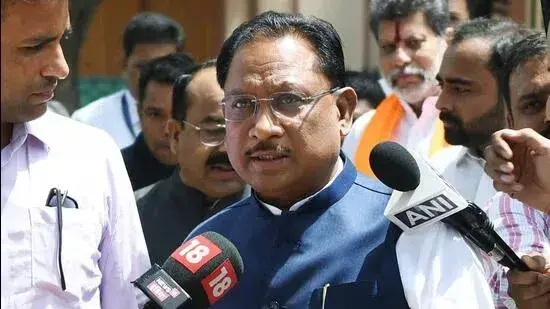
Chhattisgarh Cabinet Approves Formation of ‘Good Governance and Convergence Dept’

The Chhattisgarh government has announced the creation of a new “Good Governance and Convergence Department” to enhance the effective implementation of state welfare policies and ensure better governance. The decision was made during a cabinet meeting chaired by Chief Minister Vishnu Deo Sai on Tuesday. This newly formed department will integrate key initiatives such as e-Review, e-Public Service Guarantee, and the Digital Secretariat, which were previously managed by the General Administration department. The cabinet has also amended the “Chhattisgarh Government Work (Allocation) Rules” to facilitate this change. In addition, the cabinet approved the implementation of the National Education Policy (NEP) 2020 in the state. As part of this policy, education up to the 5th standard will be provided in local languages or dialects, and the current 10+2 academic structure will transition to the 5+3+3+4 format, focusing on equitable and inclusive education from pre-primary to the 12th grade. The cabinet also decided to extend the registration deadline for providing housing to economically weaker and lower-class families in Naya Raipur under the Mukhyamantri Aawas Yojana. The new deadline has been pushed from March 31, 2024, to March 31, 2027, allowing more time for eligible families to benefit from affordable housing schemes being developed in the area. Source: Hindustan Times

Chhattisgarh Cabinet Approves Formation of ‘Good Governance and Convergence Dept’ Read More »

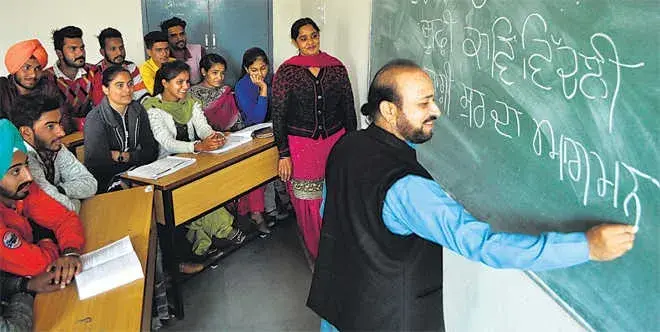
Punjab Government Proposes ₹3,000 Crore Action Plan for Samagra Shiksha Program

The Punjab government has presented a comprehensive ₹3,000-crore action plan under the Samagra Shiksha program. This flagship centrally sponsored initiative for school education aims to address various facets, including quality education, access and retention, and vocational education. The proposed budget spans the financial years 2024-25 and 2025-26, with an annual allocation of ₹1,476 crore for each year. This marks a commendable 14% increase compared to the current year’s budget. The Samagra Shiksha program operates on a joint funding model, with the central and state governments contributing on a 60:40 sharing basis, emphasizing their commitment to transforming the education landscape. Outlined in the action plan are specific allocations for key areas of focus. An earmarked ₹503 crore is dedicated to initiatives and interventions related to quality education, emphasizing the importance of an enriched learning experience. Additionally, ₹225 crore has been allocated for measures addressing access and retention, ensuring that more students can benefit from an inclusive education system. Another significant chunk of ₹188 crore is set aside for the promotion and implementation of vocational education, equipping students with practical skills for the future. The proposed initiatives include the construction of new classrooms and toilets, improved drinking water facilities, the promotion of commerce and science education, teacher training, digital initiatives, strengthening school libraries, and the installation of solar panels. Furthermore, the plan envisions introducing vocational education in all high and senior secondary schools, reflecting a forward-looking approach to skill development. The Samagra Shiksha Project Approval Board, led by Union school education and literacy secretary Sanjay Kumar, will review the budget proposals in the upcoming month. The central government’s share of ₹886 crore, coupled with the state government’s commitment of ₹590 crore, underscores the collaborative effort to create a robust educational framework.

Punjab Government Proposes ₹3,000 Crore Action Plan for Samagra Shiksha Program Read More »

G20 Declaration: Commitment to Inclusive, Quality Education with Emphasis on Technology and Lifelong Learning

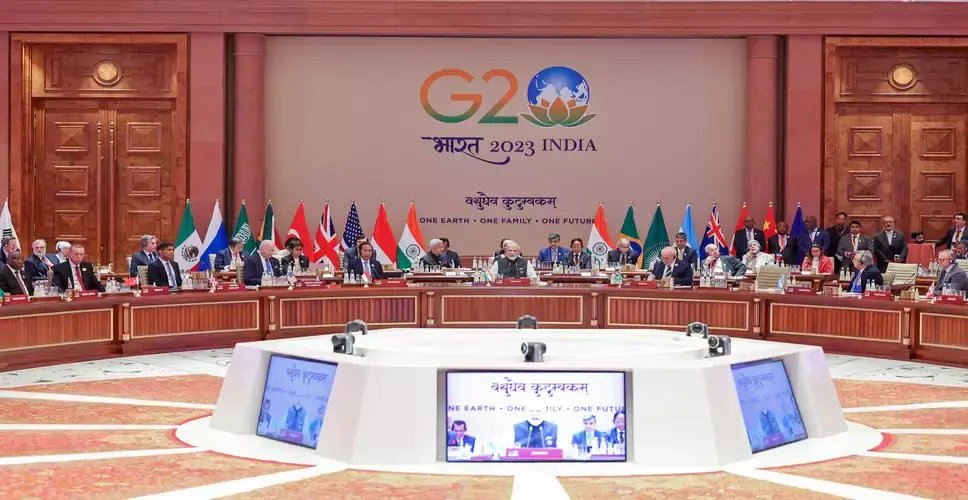
In the latest G20 Declaration released on Saturday, member nations reiterated their unwavering commitment to providing “inclusive, equitable, and high-quality” education. Notably, the declaration takes a significant step forward by advocating the use of technology and artificial intelligence (AI) to enhance and ensure the widespread accessibility of education. The declaration strongly emphasized the use of digital technologies to bridge existing digital divides for all learners. It pledged support for educational institutions and teachers to help them stay updated with emerging trends and technological advancements, including AI. Additionally, the declaration highlighted the critical need for lifelong learning, with a particular focus on upskilling, reskilling, and skilling for vulnerable groups in society. This commitment to education is not new for the G20, as previous declarations have consistently stressed the importance of inclusive, equitable education and lifelong learning, with particular attention to marginalized communities. These declarations have also acknowledged the pivotal role that blended learning approaches played during the pandemic. Furthermore, the declaration underscored the significance of foundational learning, including literacy, numeracy, and socio-emotional skills, as the fundamental building blocks of education and employment. It reaffirmed member nations’ dedication to fostering increased collaboration among their educational institutions. The G20 Declaration also reaffirmed the commitment to promoting open, equitable, and secure scientific collaboration and encouraged the mobility of students, scholars, researchers, and scientists across research and higher education institutions. Moreover, member nations expressed their dedication to expanding access to high-quality technical and vocational education and training, recognizing its importance. Building on the previous declaration in Bali, the New Delhi declaration also addressed gender disparities in education, emphasizing the commitment to bridging this gap. It ensured equal access to affordable, inclusive, safe, and quality education at all levels, with a focus on women and girls, including those with disabilities, in STEM fields and emerging digital technologies.

G20 Declaration: Commitment to Inclusive, Quality Education with Emphasis on Technology and Lifelong Learning Read More »