ArdorComm Media Group

Wednesday, November 25, 2026 5:40 PM

India education

IAF to Airlift NEET-UG 2026 Retest Question Papers Ahead of June 21 Examination

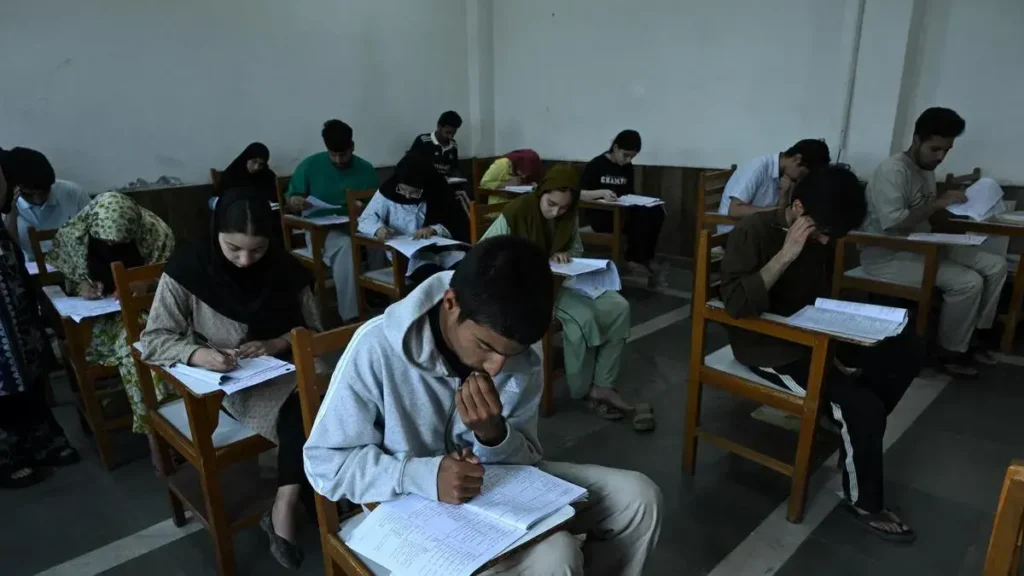
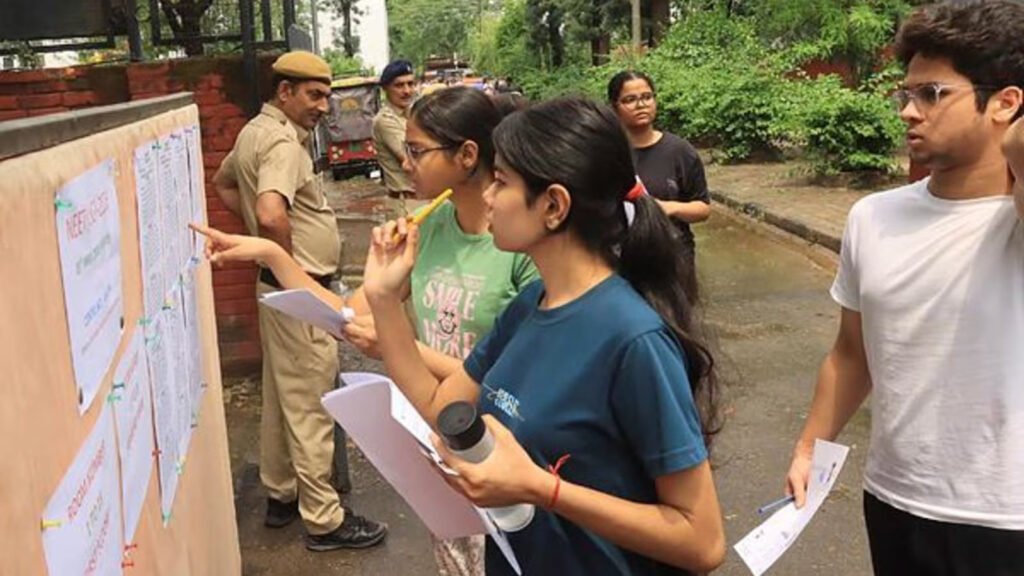
The Indian Air Force (IAF) will play a key role in the conduct of the NEET-UG 2026 retest by transporting question papers to 18 locations across the country ahead of the examination scheduled for June 21, 2026. According to sources in the Ministry of Defence, the papers will be airlifted to designated hubs before being securely distributed to examination centres nationwide. The enhanced security arrangements come amid heightened scrutiny following the cancellation of the original NEET-UG 2026 examination, which was conducted on May 3. The test was annulled on May 12 after allegations of a question paper leak surfaced, prompting an investigation by the Central Bureau of Investigation (CBI). Meanwhile, the National Testing Agency (NTA) has rejected claims circulating on social media regarding an alleged leak or sale of the retest question paper. On June 6, the agency described such reports as false and misleading, warning that strict action would be taken against individuals responsible for spreading misinformation. The June 21 retest is being conducted under strengthened security protocols to ensure the integrity and transparency of the country’s largest medical entrance examination. Source: The Hindu

IAF to Airlift NEET-UG 2026 Retest Question Papers Ahead of June 21 Examination Read More »

IAF to Transport NEET 2026 Question Papers as Telangana Prepares for Re-Exam Across 208 Centres

Around 73,000 candidates are set to appear for the NEET 2026 re-examination in Telangana on June 21, with authorities implementing extensive measures to ensure a smooth and secure conduct of the test. The examination will be held across 208 centres located in 24 cities throughout the state. During a high-level review meeting chaired by Telangana Chief Secretary K. Ramakrishna Rao, National Testing Agency (NTA) Director General Abhishek Singh announced that the Indian Air Force (IAF) will, for the first time, be involved in transporting NEET question papers. The move is aimed at strengthening security and safeguarding the integrity of the examination process. The Chief Secretary directed district administrations and relevant departments to coordinate closely and ensure seamless arrangements for candidates, including infrastructure, transportation, power supply, drinking water, and other essential facilities at examination venues. Telangana Principal Secretary (Health), Christina Z. Chongthu, stated that all necessary preparations are underway to facilitate the large-scale examination across the state. Emphasizing security, Director General of Police (Law and Order) Mahesh Bhagwat instructed police authorities to maintain strict vigilance at examination centres and work in coordination with local administrations. He also urged officials to actively monitor social media platforms to counter rumours and misinformation that could disrupt the examination process. With enhanced security protocols and comprehensive logistical planning, authorities are aiming to provide a hassle-free and fair examination environment for all NEET aspirants. Source: PTI  

IAF to Transport NEET 2026 Question Papers as Telangana Prepares for Re-Exam Across 208 Centres Read More »

CBSE Receives Nearly 44,000 Rechecking Requests Amid Ongoing Portal Issues

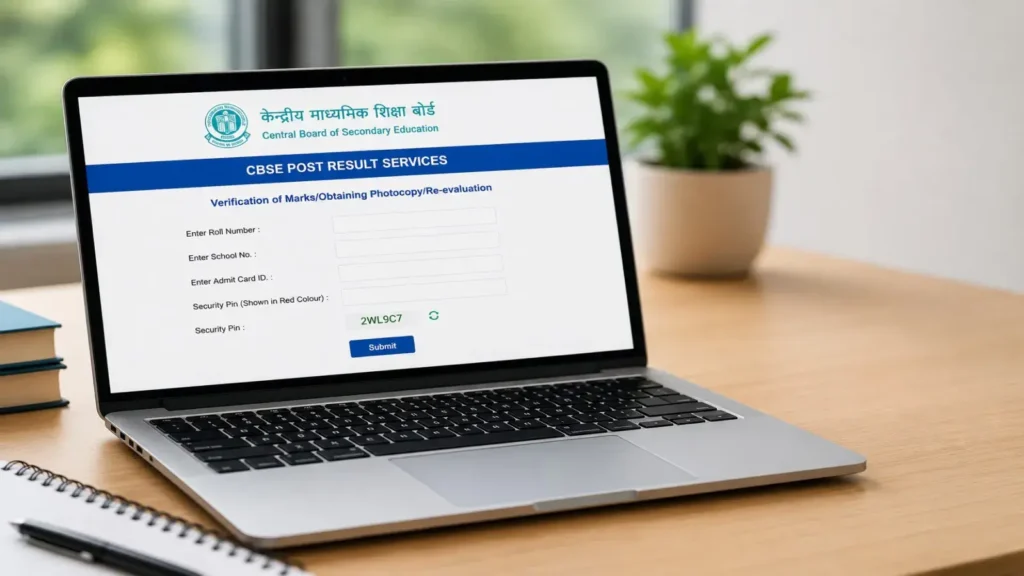
The Central Board of Secondary Education (CBSE) has recorded 43,980 applications for verification and re-evaluation of Class 12 answer sheets as of 12 noon on June 3, reflecting a surge in demand for post-result services. The total includes 4,924 requests for verification and 39,056 applications for re-evaluation. Despite the high number of successful submissions, students and parents continue to raise concerns over technical difficulties on the portal. Several complaints shared on social media platform X alleged delays in receiving scanned copies of evaluated answer books, a prerequisite for applying for verification and re-evaluation. Others reported missing options for certain subjects and questions, along with confusion surrounding compartment examination-related applications. In response, CBSE stated that its technical teams are actively monitoring the portal to ensure a secure, reliable, and student-friendly experience. The board also announced the integration of multiple payment gateways, including those of SBI, Canara Bank, Bank of Baroda, and Indian Bank. Students can make payments through UPI, net banking, debit cards, or credit cards without requiring accounts in these banks. According to CBSE, nearly 40,000 students had successfully completed their applications by 9:30 am on June 3. The latest figures mark a substantial increase from the previous evening, when the board reported over 28,000 successful submissions and nearly 14,000 concurrent users on the platform. To address user feedback, CBSE has introduced several enhancements, including extending session time limits to reduce automatic logouts during the application process. The verification and re-evaluation window remains open from June 2 to June 6 for Class 12 students who have obtained scanned copies of their answer books. Under the revised post-result framework, students can apply for verification at a fee of ₹100 per answer book and request re-evaluation at ₹25 per question. The board had postponed the portal launch to June 1 to facilitate a smoother and more transparent process. Since its launch, the system has faced heavy traffic and cyberattack attempts, prompting CBSE to strengthen technical safeguards while keeping services operational. Source: Indian Express

CBSE Receives Nearly 44,000 Rechecking Requests Amid Ongoing Portal Issues Read More »

CBSE Re-Evaluation Portal Faces Massive Cyberattack, Handles 1.5 Million Malicious Hits in Minutes

The Central Board of Secondary Education (CBSE) revealed that its Class 12 re-evaluation portal was targeted by multiple cyberattack attempts shortly after it was opened for students on Tuesday. Despite the attacks and intermittent technical issues reported by users, the board said the platform remained operational and continued processing applications. According to CBSE, the portal has been active since 4 a.m. and is currently accommodating over 8,000 users simultaneously. By 3 p.m., more than 16,000 students had successfully submitted requests for verification of marks and answer-sheet re-evaluation. The board disclosed that cybercriminals launched several disruptive attempts, including a denial-of-service (DoS) attack that generated nearly 1.5 million hits within just two minutes. In addition, over one lakh unauthorized file-access attempts were detected during the same period. CBSE stated that its technical teams effectively countered the attacks, ensuring that students could continue using the portal with minimal disruption. The board also introduced improvements based on student feedback, including extending session time limits to make the application process smoother and more user-friendly. Officials confirmed that monitoring efforts have been intensified, with cybersecurity teams remaining vigilant to protect the system and ensure uninterrupted access to post-result services. The re-evaluation portal enables Class 12 students to apply for mark verification and answer-sheet re-evaluation after obtaining copies of their evaluated scripts. The process has drawn significant attention this year amid increased scrutiny of the board’s assessment and post-result procedures. Source: Indian Express

CBSE Re-Evaluation Portal Faces Massive Cyberattack, Handles 1.5 Million Malicious Hits in Minutes Read More »

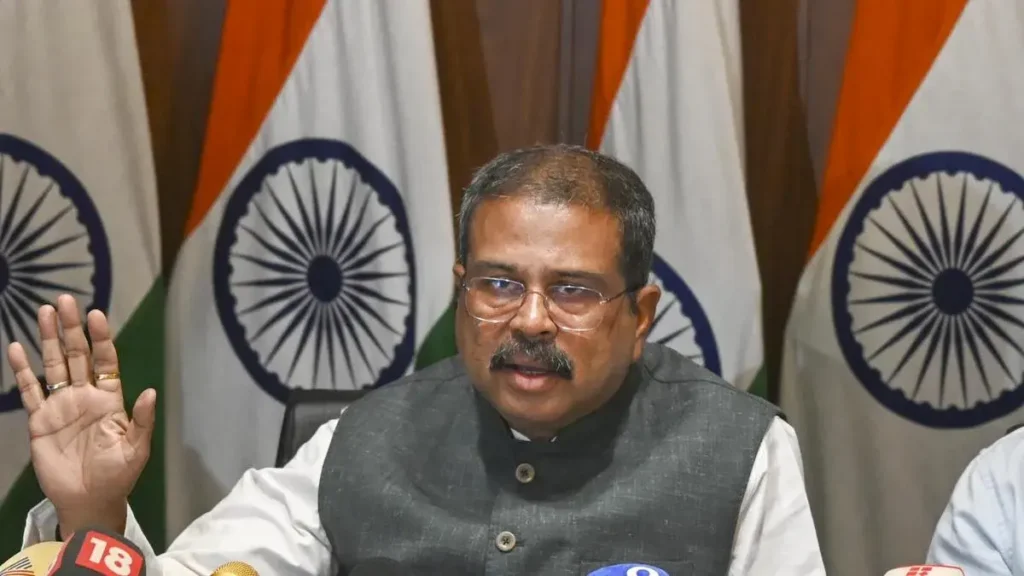
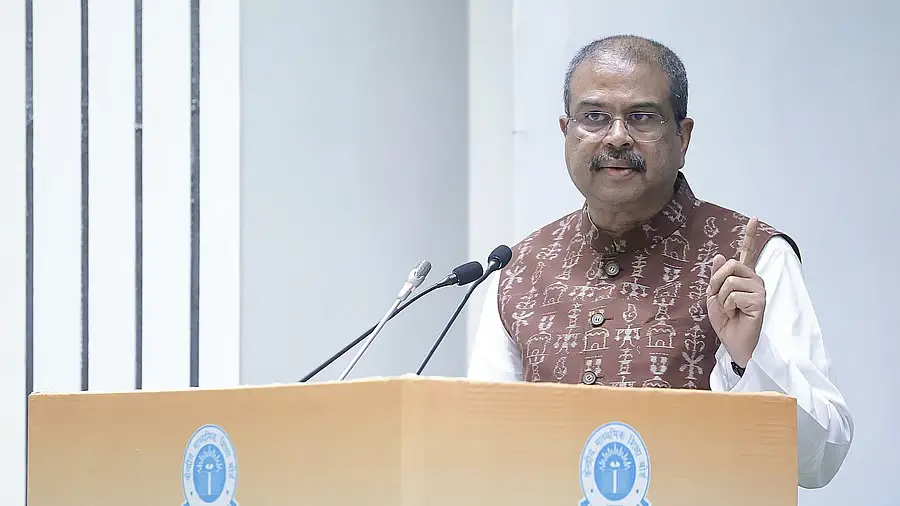
Dharmendra Pradhan Assures Action Over CBSE Evaluation Discrepancies, Takes Responsibility for OSM Issues

Union Education Minister Dharmendra Pradhan has acknowledged concerns surrounding discrepancies in the Central Board of Secondary Education (CBSE) Class 12 evaluation process and assured students that all grievances will be addressed. Taking responsibility for issues linked to the newly introduced On-Screen Marking (OSM) system, he said strict action would be taken against anyone found deliberately responsible for irregularities affecting students. The OSM system, implemented for the first time this year, involves scanning physical answer sheets and uploading them to a secure digital platform for evaluation by examiners. However, several students have reported inconsistencies in marks and claimed that scanned answer sheets available on the CBSE portal did not match their handwriting, raising concerns about possible errors in the digital evaluation process. Addressing the issue, Pradhan noted the massive scale of the exercise, highlighting that nearly 17 lakh students appeared for the examinations, generating around 98 lakh answer sheets comprising approximately 40 crore scanned pages. He stated that the Board is actively working to resolve all concerns related to evaluation, verification, and re-evaluation. To review the situation, the Education Minister chaired a high-level meeting at CBSE headquarters, attended by senior officials from the Ministry of Education, CBSE leadership, experts from IIT Madras and IIT Kanpur, representatives of public sector banks, and officials from the Kendriya Vidyalaya Sangathan. Discussions focused on evaluation procedures, portal performance, and student support mechanisms. The review also examined complaints regarding login difficulties, heavy server traffic, and payment-related challenges on the post-examination services portal. An expert technical team comprising IIT professors and digital systems specialists has been tasked with assessing portal stability, server capacity, user access management, and payment gateway integration to ensure smoother services for students. In a move aimed at improving the re-evaluation process, CBSE has integrated payment gateways from four public sector banks — State Bank of India, Indian Bank, Bank of Baroda, and Canara Bank — to facilitate seamless transactions for students accessing post-result services. Meanwhile, Pradhan criticised Congress leader Rahul Gandhi for alleging large-scale irregularities in the CBSE examination system and demanding a judicial probe. The Minister defended the Board’s procurement and evaluation processes, stating that all procedures were conducted in accordance with government norms. He reiterated that any genuine irregularities identified during investigations would be dealt with firmly. Emphasising the need to keep students’ interests at the forefront, Pradhan urged political parties not to politicise the issue and stressed that reducing examination-related stress for students should remain the primary objective. Source: The Hindu  

Dharmendra Pradhan Assures Action Over CBSE Evaluation Discrepancies, Takes Responsibility for OSM Issues Read More »

CBSE Introduces Digital Answer Sheet Evaluation Ahead of Class 12 Results 2026

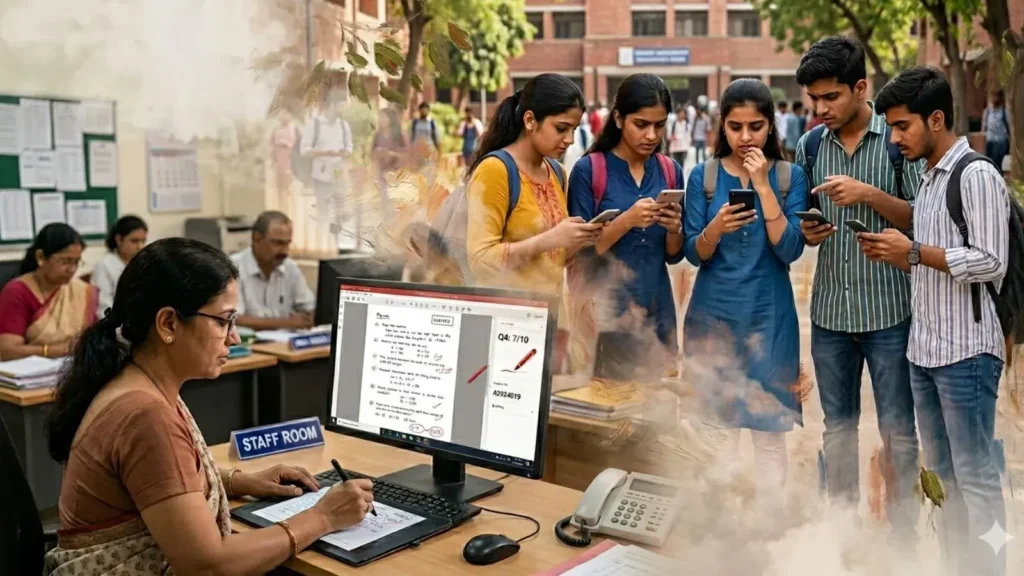
As lakhs of students wait for the Central Board of Secondary Education Class 12 Results 2026, the board’s newly launched On-Screen Marking (OSM) system has emerged as a major talking point. Introduced in February this year, the digital evaluation process replaces the traditional physical answer sheet checking model with a technology-driven system aimed at faster, cleaner and more accurate assessments. During initial discussions with educators from nearly 31,000 schools, CBSE officials described the new process as a “no touch, no dust” method, highlighting the move away from manual handling of paper scripts. Under the OSM model, scanned answer sheets are assigned digitally to evaluators, who assess them through the board’s dedicated portal. Many educators admitted there was hesitation in the beginning, as teachers adapted to screen-based marking. However, after orientation sessions and training, most evaluators gradually adjusted to the new workflow. The biggest expectation from the digital shift is quicker result processing. According to CBSE officials, the new system compresses evaluation timelines significantly. Earlier, the checking process often stretched close to two months, but this year regional centres were expected to complete evaluations in nearly nine days, compared to the earlier twelve-day cycle. The portal also brings several accuracy-focused features. It does not allow submission unless every question has been checked or marked not applicable. It automatically removes totalling errors, keeps track of marking history, and can even flag answers written in unusual sequences. Still, the first year of implementation has not been without challenges. Some teachers reported blurred scanned copies, slow-loading answer sheets, and occasional server issues. Others said revised marking instructions during the process required already checked scripts to be reopened, slowing progress in some cases. Educators also noted that daily workloads remained similar, with teachers checking up to 25 answer sheets between 8 am and 4 pm. However, unlike the old system, answer sheets cannot be redistributed among evaluators, making the allocation process more rigid. Infrastructure gaps remain another concern. While some schools had strong internet connectivity and adequate computer labs, others may struggle with digital readiness. Teachers also pointed out increased screen exposure, leading to eye strain during long correction hours. Despite these hurdles, many school leaders believe the OSM rollout is a positive step. They feel the system will become more efficient in the coming years as teachers gain familiarity with digital correction methods. Although the board has not yet confirmed the Class 12 result date, many believe the removal of physical transport delays and automated processing could help speed up declaration timelines, even if this year’s announcement window remains close to previous years. Source: Indian Express


CBSE Introduces Digital Answer Sheet Evaluation Ahead of Class 12 Results 2026 Read More »

CBSE Class 10 Second Board Exams 2026 to Begin May 15; Mathematics Papers First

The Central Board of Secondary Education (CBSE) has officially announced the date sheet for the Class 10 second board examinations for 2026. As per the schedule, the exams will begin on May 15, with Mathematics (Standard) and Mathematics (Basic) as the opening papers. The exams will generally be conducted from 10:30 AM to 1:30 PM, although select subjects may conclude earlier at 12:30 PM. Introduced last year, the two-board exam system is being fully implemented from the 2026 academic session. This approach offers students an opportunity to improve their scores in up to three subjects, providing greater flexibility and reducing academic pressure. Eligibility Criteria for CBSE Class 10 Second Exams Students eligible to appear include: Those who appeared in at least three subjects in the first board exam Students who have passed Class 10 and want to improve their scores Candidates placed in the Compartment category Students who passed after replacing a subject with a sixth subject Students under UFM category 1 (if otherwise eligible) Candidates from the 2025 Compartment category Students opting for improvement in up to three core subjects Those appearing for first/third chance compartment or combined compartment + improvement exams Sports students permitted by CBSE Not Eligible to Appear Students who failed or did not appear in three or more subjects Students placed under the ER (Essential Repeat) category, who can only reappear next year This revised examination structure reflects CBSE’s shift toward a more student-friendly evaluation system, enabling multiple opportunities for academic improvement. Source: NDTV  

CBSE Class 10 Second Board Exams 2026 to Begin May 15; Mathematics Papers First Read More »

NTA Launches Official Instagram & Facebook Handles for Real-Time Exam Updates

The National Testing Agency (NTA) has introduced its official presence on Instagram and Facebook to deliver instant updates to students preparing for key national entrance examinations. This initiative is designed to make communication quicker, more direct, and easily accessible. Aspirants appearing for exams like Joint Entrance Examination (JEE) Main, National Eligibility cum Entrance Test (NEET), and Common University Entrance Test (CUET) can now follow these platforms to stay informed about critical developments. Announcing the move on X, the agency highlighted that students will be able to access “real-time updates, exam alerts, and everything” in one place. Candidates are encouraged to follow these verified handles to avoid missing important announcements. Big Update! NTA is now closer to you than ever 📲 Get real-time updates, exam alerts, and everything you need — all in one place. Follow us and stay ahead. Don’t miss out 🚀#NTAExams #NowOnInstagram #StayUpdated #ExamAlerts #NTAUpdates pic.twitter.com/5zw99ioneM — National Testing Agency (@NTA_Exams) April 6, 2026 What kind of updates will be shared? The social media channels will provide timely notifications related to: Application form releases Examination schedules City intimation slips Admit card updates Answer key releases Result announcements This is expected to significantly ease the process of tracking multiple updates, especially during peak exam periods when information is released rapidly. Why this initiative matters The move reflects NTA’s push to enhance digital communication and engage directly with students. With a growing number of candidates relying on social media for quick updates, the agency aims to minimize misinformation and streamline access to authentic information. Established in 2017, the NTA is responsible for conducting major national-level entrance exams for higher education, including JEE Main, CUET (UG & PG), and NEET (UG). Students are advised to follow the official accounts to stay consistently updated. Source: TOI

NTA Launches Official Instagram & Facebook Handles for Real-Time Exam Updates Read More »

India Introduces AI & Computational Thinking for Classes 3–8, Expanding Early Tech Education in Schools

In a major step toward embedding future skills in school education, the Ministry of Education has unveiled a new Artificial Intelligence (AI) and Computational Thinking (CT) curriculum for students from Classes 3 to 8 under the Central Board of Secondary Education. Announced on April 1, the initiative marks the first structured integration of AI concepts at the foundational and middle school levels. Union Education Minister Dharmendra Pradhan described the move as a “transformative step” aimed at preparing students for a technology-driven future. According to the Minister, the curriculum is supported by well-designed modules, detailed teacher handbooks, and a strong assessment framework. These components are intended to provide students with early exposure to emerging technologies while ensuring a systematic learning approach. This development aligns with the vision of the National Education Policy 2020, which emphasizes digital literacy, coding, and the development of 21st-century competencies from an early stage. While AI was previously offered as an elective subject for Classes 9 to 12, this initiative expands its reach to younger learners. The curriculum has been developed by an expert panel led by a professor from Indian Institute of Technology Madras, with participation from key institutions such as CBSE, NCERT, Navodaya Vidyalaya Samiti, and Kendriya Vidyalaya Sangathan. The rollout will begin in the academic session 2026–27 in a phased manner. Schools affiliated with CBSE will receive necessary guidelines, resources, and teacher training support to ensure consistent implementation across both urban and rural regions. The curriculum is designed to be age-appropriate, introducing younger students to core computational thinking skills like pattern recognition, logical reasoning, and problem-solving. As students progress, they will gradually explore foundational AI concepts. Rather than being taught as a separate subject in early grades, AI and CT will be integrated into existing subjects and classroom activities. The approach prioritizes experiential learning through projects, digital tools, and hands-on exercises. To address challenges in implementation, teachers will undergo dedicated training programs supported by structured handbooks. Additionally, assessments will focus on conceptual clarity and practical application instead of rote memorization. Overall, the initiative aims to build a strong technological foundation among students, equipping them with critical thinking and problem-solving skills necessary for the evolving digital landscape. Source: Deccan Herald

India Introduces AI & Computational Thinking for Classes 3–8, Expanding Early Tech Education in Schools Read More »

CBSE Makes First Board Exam Mandatory for Class 10 Under New Two-Exam System

The Central Board of Secondary Education (CBSE) has announced that appearing in the first board examination will be compulsory for all Class 10 students under the new two-exam format set to be implemented from 2026. The clarification comes after the board received requests from some students seeking permission to skip the first phase due to various reasons and instead appear only in the second examination. However, CBSE has firmly stated that all students must take the first board exam. CBSE Examination Controller Sanyam Bhardwaj said that students who do not appear in at least three subjects during the first examination will not be permitted to sit for the second phase. Such candidates will be placed in the “Essential Repeat” category and will be required to reappear for the board examinations in the following year’s main session, usually held in February. Students who clear the first examination will be allowed to improve their performance in up to three subjects in the second phase. These subjects include Science, Mathematics, Social Science, and languages. The introduction of the two-board-exam system from 2026 marks a significant step in CBSE’s ongoing examination reforms aimed at offering students flexibility while maintaining academic standards. Source: PTI

CBSE Makes First Board Exam Mandatory for Class 10 Under New Two-Exam System Read More »