ArdorComm Media Group

Friday, November 13, 2026 8:24 PM

India education

NTA invites educational institutions to establish exam centres, sets minimum requirement of 285 workstations
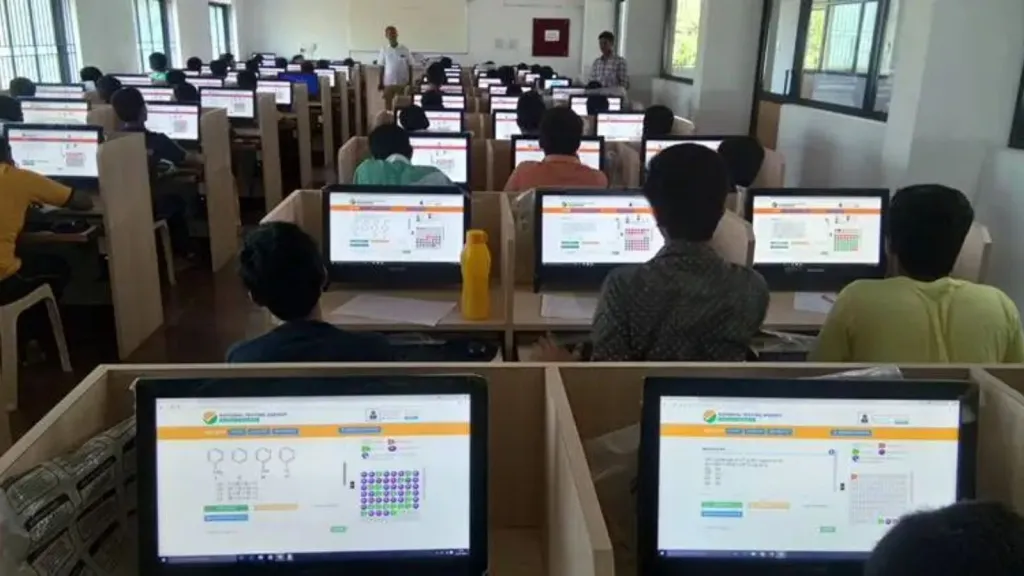
The National Testing Agency (NTA) has invited schools, colleges, universities and examination service providers across India to apply for empanelment as examination centres for conducting computer-based tests (CBT) and pen-and-paper tests (PPT). The move is part of the agency’s efforts to strengthen and expand its nationwide examination infrastructure following concerns over examination security in the wake of the NEET paper leak controversy. In its Expression of Interest (EoI) notice, NTA has called upon eligible institutions and organisations to register as examination centres. The deadline for submitting applications is December 6. The agency has also opened applications for serving and retired personnel from government institutions who wish to work as observers for various CBT and PPT examinations conducted by NTA. Eligible applicants include government, government-aided and private schools, colleges, universities, polytechnics, Industrial Training Institutes (ITIs), and institutions of national importance such as IITs, NITs, IIITs, IIMs, IISERs and AIIMS. Educational and training institutions, government skill development centres and authorised CBT service providers with dedicated testing facilities can also apply. Infrastructure requirements for examination centres According to the NTA guidelines, institutions seeking approval as CBT examination centres must have a minimum capacity of 285 computer workstations per shift. For pen-and-paper examinations, centres must provide at least 250 seats per shift. CBT facilities with fewer than 285 workstations may also be considered, but only in locations where the availability of examination infrastructure is limited. Additionally, applicants for CBT centres must have at least four separate computer laboratories or halls, each equipped with a minimum of 30 workstations, or an equivalent infrastructure arrangement. For PPT examinations, institutions must provide at least six separate examination halls, with each hall accommodating 40 candidates, or an equivalent seating arrangement. Interested institutions and eligible government personnel can refer to the detailed notification on the NTA’s official website for information on eligibility conditions, infrastructure standards and the application process. Source: Indian Express  

NTA invites educational institutions to establish exam centres, sets minimum requirement of 285 workstations Read More »

QS MBA Rankings 2027: IIM Bangalore, Ahmedabad and Calcutta Slip but Stay in Global Top 100

India’s leading IIMs have slipped in the QS Global Full-Time MBA Rankings 2027, although IIM Bangalore, IIM Ahmedabad and IIM Calcutta continue to feature among the world’s top 100 business schools. IIM Bangalore remains India’s highest-ranked institution, securing 64th place, compared with 52nd in the previous edition. IIM Ahmedabad moved to 70th from 58th, while IIM Calcutta recorded the biggest decline among the three, falling to 95th from 64th. QS attributed the changing positions partly to increased competition from business schools globally. Indian institutions faced challenges particularly across indicators such as return on investment, entrepreneurship and alumni outcomes, and diversity. At the same time, 10 Indian entries improved their performance on the Thought Leadership indicator. India’s representation in the global MBA rankings has continued to expand. Nineteen Indian institutions feature in the 2027 rankings, compared with seven in 2022 and five in 2020. Five institutions have made their debut this year. Across the MBA and specialised Business Master’s rankings, India has 28 institutions represented, placing it among the most represented countries globally. IIM Bangalore retained its position as India’s leading MBA institution for the fourth consecutive year. It stood 29th globally for employability and second in Asia on the indicator, while recording a slight improvement in Thought Leadership, where it ranked 51st globally. IIM Ahmedabad and IIM Calcutta also remained within the global top 100. Both featured among the top 40 institutions worldwide for employability and the top 100 for Thought Leadership. IIM Ahmedabad was the only Indian institution in the top 100 for Entrepreneurship & Alumni Outcomes, ranking 84th. O.P. Jindal Global University emerged as the highest-ranked new Indian entrant, featuring in the 171-180 band. Jaipuria Institute of Management, CHRIST (Deemed to be University), School of Leadership and Management, Manav Rachna International Institute of Research and Studies, and Vikrant University Gwalior also entered the rankings, appearing in the 301+ category. Woxsen School of Business, placed in the 251-300 band globally, recorded India’s strongest showing on the Diversity indicator, ranking first in Asia and 33rd worldwide. US institutions dominate global top 10 US business schools occupied the first four positions in the QS Global Full-Time MBA Rankings 2027. MIT Sloan moved to the top spot for the first time, followed by Harvard Business School, Stanford Graduate School of Business and Penn (Wharton). Cambridge Judge was ranked fifth, followed by HEC Paris, Oxford Saïd, INSEAD, London Business School and Chicago Booth. The National University of Singapore Business School was the highest-ranked Asian institution at 23rd globally. Tsinghua University followed at 29th, while Singapore Management University ranked 41st. IIM Bangalore and IIM Ahmedabad were placed eighth and ninth respectively among Asian MBA institutions. The 2027 QS ranking evaluates more than 420 full-time MBA programmes across 65 countries and territories. Its assessment covers employability, value for money, alumni outcomes, thought leadership and diversity. Employability accounts for 40% of the overall methodology, followed by value for money at 20%, alumni outcomes and thought leadership at 15% each, and diversity at 10%. Indian institutions also maintained a significant presence across specialised Business Master’s programmes. There were 41 Indian entries across management, business analytics, finance, marketing and supply chain management. IIM Bangalore ranked 31st globally for Master’s in Management and 60th for Business Analytics, while IIM Ahmedabad ranked 46th for Management. IIM Calcutta stood at 57th for Management and 96th for Business Analytics. Globally, HEC Paris led the Master’s in Management, Finance and Marketing rankings, while MIT Sloan topped Business Analytics. The MIT Center for Transportation & Logistics secured the top position in Supply Chain Management. Source: Indian Express  

QS MBA Rankings 2027: IIM Bangalore, Ahmedabad and Calcutta Slip but Stay in Global Top 100 Read More »

PM Modi Urges Teachers to Monitor Drug Abuse, Excessive Screen Time Among Students

Prime Minister Narendra Modi on Friday called upon teachers to remain vigilant about issues such as drug abuse and excessive screen time among students, while encouraging them to support children through sports, physical activities and creative pursuits. Interacting with National Award-winning teachers at his Lok Kalyan Marg residence, Modi stressed that educators should look beyond academic performance and pay close attention to students’ behaviour, habits and overall well-being. Addressing the growing concern over drug use among young people, the Prime Minister said identifying affected students can be particularly challenging in metropolitan areas and large universities. He urged teachers to take proactive steps to create awareness and carefully observe any noticeable changes in students’ behaviour. Modi also encouraged teachers to move beyond textbooks and syllabuses and take an interest in the broader lives of their students. He emphasised the importance of preserving childhood by giving children opportunities to participate in activities that promote physical, social and creative development. The Prime Minister further highlighted the need to address excessive phone and screen usage among students. Rather than simply restricting screen time, he suggested that teachers and schools encourage greater participation in outdoor sports, physical games and creative hobbies, which could help students naturally spend less time on digital devices. Meanwhile, President Droupadi Murmu marked National Teachers’ Day 2026 with an article titled “Shaping Minds; Building the Future”, in which she highlighted the responsibility of teachers to nurture students into responsible and compassionate human beings. Murmu said educators should help shape generations that respect India’s cultural heritage, develop a scientific outlook, contribute to human welfare, uphold the principle of Antyodaya, protect the environment and strive for both individual and collective excellence, while keeping the nation first. The President also underlined the trust placed in teachers by parents and guardians when they send their children to school. She said educators have a duty to protect students’ safety, development and dignity and should ensure that their words and conduct do not create fear, anxiety or feelings of inferiority among children. As part of this year’s National Teachers Awards, Murmu honoured 82 teachers and educators from three departments in the presence of Education Minister Pralhad Joshi. The awardees included 48 teachers from the Department of School Education and Literacy, 21 educators from higher educational institutions and polytechnics, and 13 skill trainers from the Ministry of Skill Development and Entrepreneurship. Source: Indian Express

PM Modi Urges Teachers to Monitor Drug Abuse, Excessive Screen Time Among Students Read More »

CBSE Three-Language Policy: Centre Working on Implementation Plan, Supreme Court Told

The Centre has informed the Supreme Court that it is working on modalities to implement the CBSE’s new three-language requirement for Class 9 students, under which at least two of the three languages must be Indian languages. Additional Solicitor General Aishwarya Bhati told a bench comprising Chief Justice Surya Kant and Justices Joymalya Bagchi and V Mohana that the CBSE was examining various aspects of the implementation and requested additional time. The Supreme Court accepted the submission and adjourned the matter for a week. The development comes after the top court raised concerns on August 20 about the practical challenges associated with introducing the policy. While the bench indicated that there was no objection to the eventual introduction of the three-language system, it stressed that the implementation should not place undue pressure on students. The court also highlighted the need to address practical issues, including ensuring sufficient teachers and other human resources for the range of languages that students may choose. The Supreme Court had first agreed on May 27 to hear a challenge to the CBSE policy and issued notices to the Centre, CBSE and the National Council of Educational Research and Training (NCERT). Under a CBSE circular issued on May 15, the study of three languages — R1, R2 and R3 — became compulsory for Class 9 students from July 1, 2026. At least two of the three languages are required to be native Indian languages. The policy is part of the CBSE’s efforts to align its academic framework with the National Education Policy (NEP) 2020 and the National Curriculum Framework for School Education 2023. Students who wish to study a foreign language can select it only as their third language after taking two Indian languages, or as an additional fourth language. To support the transition, the CBSE has directed that students use Class 6 R3 textbooks from the 2026-27 edition until dedicated Class 9 R3 textbooks become available. The board has also clarified that there will be no Class 10 board examination for R3. The provision is intended to keep the emphasis on language learning while preventing additional academic pressure on students. Schools were further instructed to update their R3 language options for Classes 6 to 9 on the CBSE’s OASIS portal by June 30. The ongoing Supreme Court proceedings are focused primarily on resolving implementation-related concerns, including infrastructure, staffing and ensuring that the policy does not create unnecessary difficulties for students. Source: PTI

CBSE Three-Language Policy: Centre Working on Implementation Plan, Supreme Court Told Read More »

UGC flags 32 fake universities, warns students against EdTech franchise-based online degree programmes

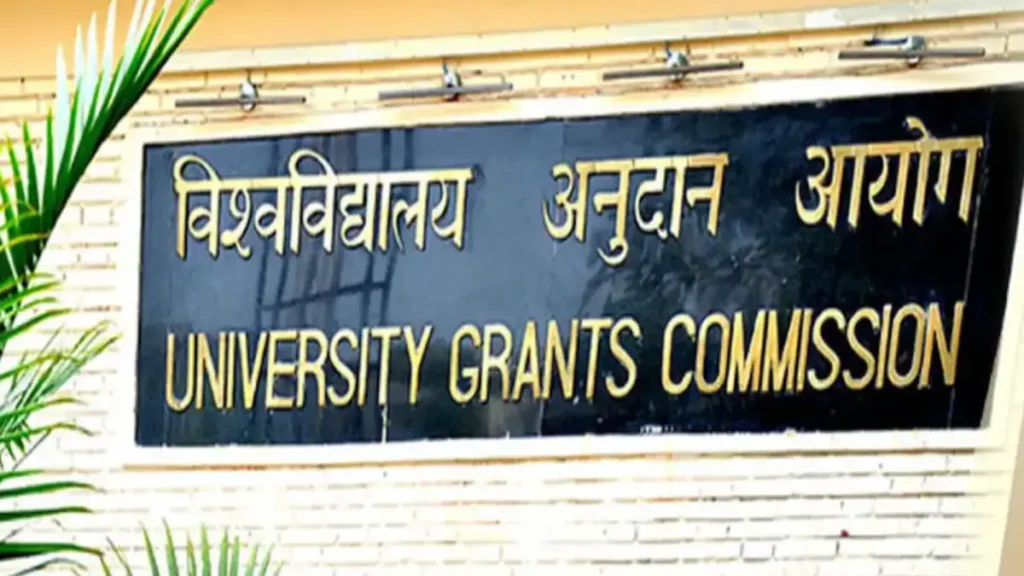
The University Grants Commission (UGC) has identified 32 institutions as fake universities in its latest list released in February 2026, the Ministry of Education informed the Rajya Sabha on Wednesday. The disclosure came in response to questions concerning misleading advertisements by EdTech platforms promoting 100% placement guarantees, lucrative job prospects, unauthorised institutional affiliations, fake universities, invalid degrees and unrecognised foreign collaborations. Minister of State for Education Dr. Sukanta Majumdar said the UGC has observed that several EdTech companies are advertising online and Open and Distance Learning (ODL) degree and diploma programmes in collaboration with universities and institutions recognised by the commission. He clarified that the UGC has issued a public notice stating that franchise arrangements for offering online or ODL programmes are not permitted. Degrees awarded through such unauthorised partnerships are not recognised by the UGC, and appropriate action will be taken against both defaulting EdTech firms and higher education institutions under existing laws and regulations. The commission has advised students and other stakeholders to verify the recognition or entitlement status of any online or distance education programme through the UGC Distance Education Bureau (DEB) portal before taking admission. According to the ministry, whenever the UGC receives complaints about unauthorised institutions awarding degrees, it issues notices seeking explanations. If the response is found unsatisfactory, the institution is subsequently included in the commission’s list of fake universities. To tackle such malpractice, the UGC established its Anti-Malpractice Cell (AMPC) on May 30, 1996, to address cases involving fake or unrecognised universities operating in violation of the UGC Act, 1956. The regulator also issues warning and show-cause notices, regularly publishes state-wise lists of fake universities, and conducts awareness campaigns through its website and social media channels. It has further urged state governments and Union Territories to initiate action, including filing FIRs where necessary, against fake institutions operating within their jurisdictions. The latest list includes fake institutions across Delhi, Haryana, Rajasthan, Uttar Pradesh, Jharkhand, Andhra Pradesh, Arunachal Pradesh, West Bengal, Maharashtra and Puducherry. Students have been urged to verify the authenticity and recognition status of higher education institutions through the official UGC website before seeking admission. Source: Indian Express

UGC flags 32 fake universities, warns students against EdTech franchise-based online degree programmes Read More »

IIT Kanpur Launches 6-Month Online AI and Machine Learning Certificate Programme for Business Analytics

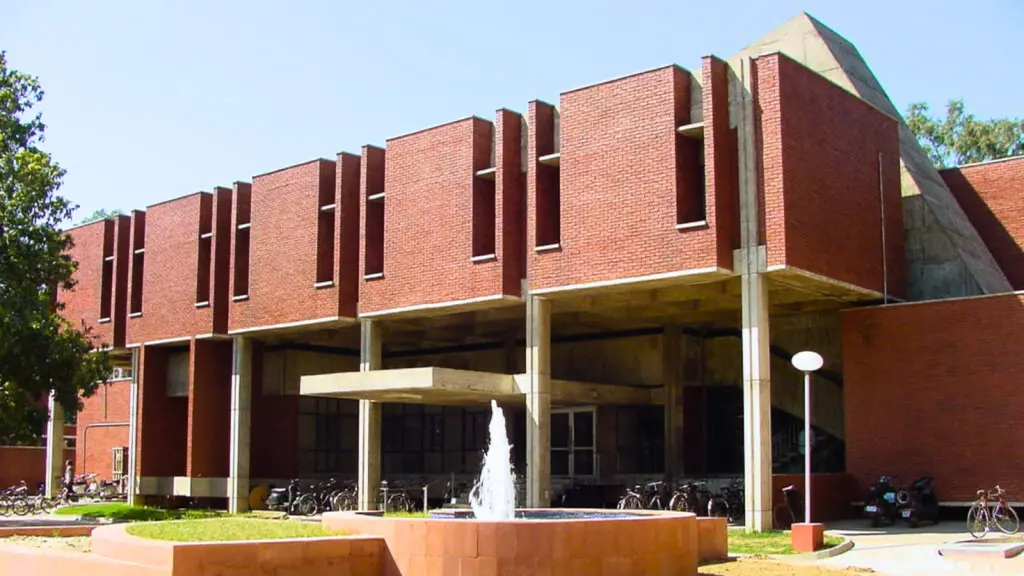
The Indian Institute of Technology (IIT) Kanpur has announced a six-month online certificate programme in Advanced Data Science and Machine Learning for Business Analytics, designed to help graduates and working professionals strengthen their expertise in artificial intelligence (AI), machine learning (ML), and data-driven business strategies. The programme is scheduled to begin on October 3, 2026, with admissions remaining open until mid-September 2026. It aims to prepare learners to apply AI-powered solutions and analytics across sectors including finance, marketing, consulting, operations, product management, and business analytics. Eligibility Criteria Applicants from any academic discipline can apply if they have secured at least 55% aggregate marks from a recognised university or institution. Professionals with three or more years of relevant work experience are also eligible with a minimum of 40% aggregate marks, according to IIT Kanpur. Application Process Candidates can apply by following these steps: Visit the official IIT Kanpur course application portal. Click on Apply or Register Interest. Create an account or log in. Complete the online application form. Upload the necessary documents. Pay the application fee. Submit the application. Await admission confirmation from IIT Kanpur. Industry-Focused Curriculum Developed in collaboration with faculty members from leading IITs and IIMs, the curriculum covers Python and R programming, data analysis, data visualisation, machine learning, and generative AI. The programme emphasises practical learning through real-world business applications and hands-on projects. Prof. Abhinav Tripathi, Programme Coordinator and faculty in the Department of Management Sciences at IIT Kanpur, said that AI and machine learning have become indispensable across industries. He noted that the programme has been designed to provide participants with practical, industry-oriented knowledge and hands-on experience to address modern business challenges. According to IIT Kanpur, the course will also help participants develop AI-powered analytics capabilities, automate routine business processes, and generate actionable insights for informed decision-making. Source: Indian Express ( Disclaimer: This report is generated from PRO services. ‘ArdorComm Media’ holds no responsibility for its content. )

IIT Kanpur Launches 6-Month Online AI and Machine Learning Certificate Programme for Business Analytics Read More »

Delhi University Receives Over 1.9 Lakh UG Applications; First CSAS Seat Allotment on July 16

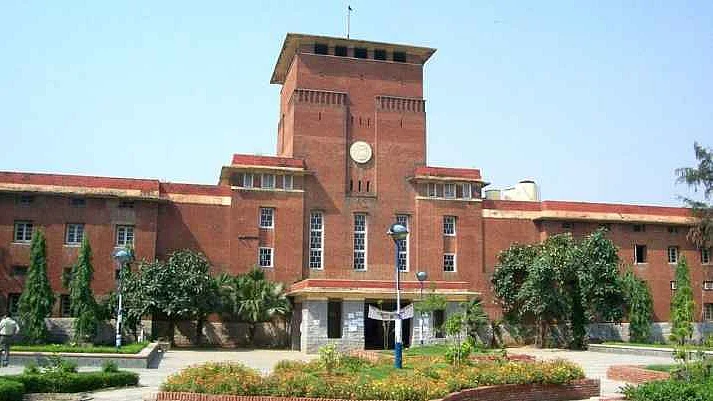
Delhi University (DU) has recorded an overwhelming response for undergraduate admissions for the 2026–27 academic session, with more than 1.90 lakh students registering through the Common Seat Allocation System (CSAS). According to the university, 1,90,645 applicants have completed registration, while 1,64,098 candidates have successfully finished Phase II by submitting their programme and college preferences. The university has set 11:59 pm on July 11 as the final deadline for both registration and preference submission. A one-time correction window, opened on July 10, also remains available until the same deadline, allowing applicants to rectify errors in their submitted details following requests from students. The UG admission process began on June 26, while Phase II, covering subject mapping and preference selection, commenced on July 3. University officials have advised candidates to carefully verify their programme and college choices before the deadline, as preferences will be automatically locked once the window closes. For the current admission cycle, DU is offering 73 undergraduate programmes across 69 colleges and departments, with a total intake of 71,624 seats. Students can choose from nearly 150 BA programme combinations, and the complete seat matrix is available on the university’s official website. Admissions under supernumerary categories, including sports and extracurricular activities, will also follow the preference-based allocation process. The first CSAS seat allocation list is scheduled to be published on July 16. After accepting an allotted seat and paying the admission fee, candidates can either confirm their admission or opt for an upgrade in subsequent rounds. Those seeking upgrades will have the opportunity to reorder their higher preferences before the next allocation. To simplify fee payments, Delhi University has introduced a virtual wallet system, enabling automatic adjustment of fees if a candidate is upgraded to a different programme or college, eliminating the need for multiple payments. The university plans to complete two rounds of undergraduate admissions before the new academic session begins on July 28. On the postgraduate front, DU released the third allocation list for two-year PG programmes, including performance-based courses such as MFA, B.P.Ed, M.P.Ed, and Music, on July 10. The latest round includes 1,765 fresh allocations, comprising 1,551 regular PG admissions and 214 performance-based admissions, while 5,848 candidates have already confirmed their seats. Additionally, 8,823 candidates have applied for the university’s one-year postgraduate programmes designed for students graduating under the UGCF 2022 framework aligned with the National Education Policy (NEP) 2020. DU also continues its BTech admissions through the second allocation list, while the first spot admission round for its five-year integrated law programmes has been announced with 18 vacant seats available. Source: Indian Express

Delhi University Receives Over 1.9 Lakh UG Applications; First CSAS Seat Allotment on July 16 Read More »

Private Universities Drive India’s Higher Education Expansion, Growing Three Times Faster Than Public Institutions Over a Decade

India’s higher education landscape has witnessed a major transformation over the past decade, with private universities emerging as the primary drivers of institutional growth. According to the Ministry of Education’s All India Survey on Higher Education (AISHE) 2023-24, the number of private universities increased from 219 in 2013-14 to 546 in 2023-24, registering a remarkable 149.3% growth. In comparison, government universities rose from 504 to 733 during the same period, reflecting a comparatively modest 45.4% increase. Overall, the total number of universities in the country climbed from 723 to 1,279, marking a 76.9% rise over the decade. The data indicates that private universities expanded at more than three times the pace of their government counterparts. At the state level, Gujarat recorded the highest increase in private universities, adding 51 institutions to reach 67 private universities in 2023-24, overtaking Rajasthan, which now has 57. Madhya Pradesh followed with 52 private universities, while Uttar Pradesh and Maharashtra reported 45 and 42, respectively. Government universities, however, continued to maintain a strong presence across the country. Uttar Pradesh remained the leading state in terms of public universities, increasing its count from 35 to 58, followed by Karnataka, which expanded from 32 to 51 government institutions. Despite the rapid rise in private universities, public institutions continue to educate the majority of university students. Government university enrolment increased from 51.9 lakh students in 2013-14 to 73.9 lakh in 2023-24, although their share of total enrolment declined from 81.3% to 68.1% over the decade. Private universities, on the other hand, recorded a much sharper increase in student numbers. Enrolment nearly tripled from 11.9 lakh to 34.6 lakh students, representing a 191.8% growth. Their share of total university enrolment rose from 18.6% in 2013-14 to 31.9% in 2023-24, highlighting their growing role in India’s higher education ecosystem. The AISHE findings also point to broader progress in higher education participation. India’s Gross Enrolment Ratio (GER) for the 18–23 age group improved from 23.0 in 2013-14 to 30.0 in 2023-24. Female participation continued to outpace that of males, with the female GER reaching 31.2, compared to the male GER of 28.9, marking the seventh consecutive year in which women recorded a higher enrolment ratio. Source: Indian Express  

Private Universities Drive India’s Higher Education Expansion, Growing Three Times Faster Than Public Institutions Over a Decade Read More »

Health Ministry Makes 80% Biometric Attendance Mandatory for PG Dental Students Appearing in Exams

The National Dental Commission (NDC) has instructed all dental colleges and universities in India to ensure that postgraduate (PG) dental students maintain a minimum of 80% biometric attendance to qualify for university and MDS examinations. In its latest directive, the commission reiterated that institutions must strictly comply with Regulation 18(a)(i) of the DCI MDS Course Regulations, 2017, which mandates the attendance requirement. Colleges have been warned that allowing students with attendance below the prescribed limit to appear for examinations will amount to non-compliance, and the institutions themselves will be held accountable. The NDC emphasized that no postgraduate dental student should be permitted to sit for university examinations unless the biometric attendance threshold of 80% has been met. The latest order reinforces an earlier directive issued on January 19, 2026, when the then Dental Council of India (DCI) had instructed institutions to implement biometric attendance norms following recommendations from its Grievance Sub-Committee. The committee had reviewed complaints from dental colleges in Rajasthan, Haryana, and Uttar Pradesh, where several postgraduate students were reportedly falling short of the mandatory attendance requirement. Based on its findings, it recommended strict implementation of the attendance regulation across all dental institutions. Reaffirming the importance of compliance, the NDC stated that institutions failing to enforce the biometric attendance rule could face action for violating the commission’s statutory directions. Source: Indian Express

Health Ministry Makes 80% Biometric Attendance Mandatory for PG Dental Students Appearing in Exams Read More »

58 Engineering Colleges Closed Across India in 2025-26; Uttar Pradesh and Maharashtra Record Highest Number of Shutdowns

A total of 58 engineering and technical institutions across India have ceased fresh admissions during the 2025-26 academic session under the progressive closure process, according to the All India Council for Technical Education (AICTE). Students currently enrolled in these institutions will be allowed to complete their respective programmes. An AICTE official stated that under progressive closure, colleges are barred from admitting first-year students for the approved academic year while continuing to operate until existing batches graduate. Among the states, Uttar Pradesh and Maharashtra reported the highest number of closures with 12 colleges each. They were followed by Madhya Pradesh with eight, while Telangana and Punjab recorded four closures each. Andhra Pradesh and Rajasthan saw three institutions shut down, whereas Gujarat, Karnataka, Tamil Nadu, Haryana, Odisha, Uttarakhand, and West Bengal each reported one or two closures. Of the 58 institutions, three were government-aided, while the remaining colleges were privately managed. In addition to institutional closures, AICTE also approved the discontinuation of more than 950 engineering and technical courses across the country during the same academic year. The regulator noted that institutions are typically directed to close due to factors such as poor student enrolment, shortage of qualified faculty, failure to meet infrastructure requirements, and non-compliance with AICTE operational standards. AICTE differentiates between progressive closure, where institutions are phased out while protecting the interests of current students, and complete closure, where courses are discontinued entirely and students are relocated to other recognised institutions. Source: PTI

58 Engineering Colleges Closed Across India in 2025-26; Uttar Pradesh and Maharashtra Record Highest Number of Shutdowns Read More »