
ArdorComm Media Group

Friday, November 13, 2026 8:30 PM

Indian healthcare sector

Max Healthcare reports ₹3,219 crore revenue in Q2 FY27, net profit rises 10%
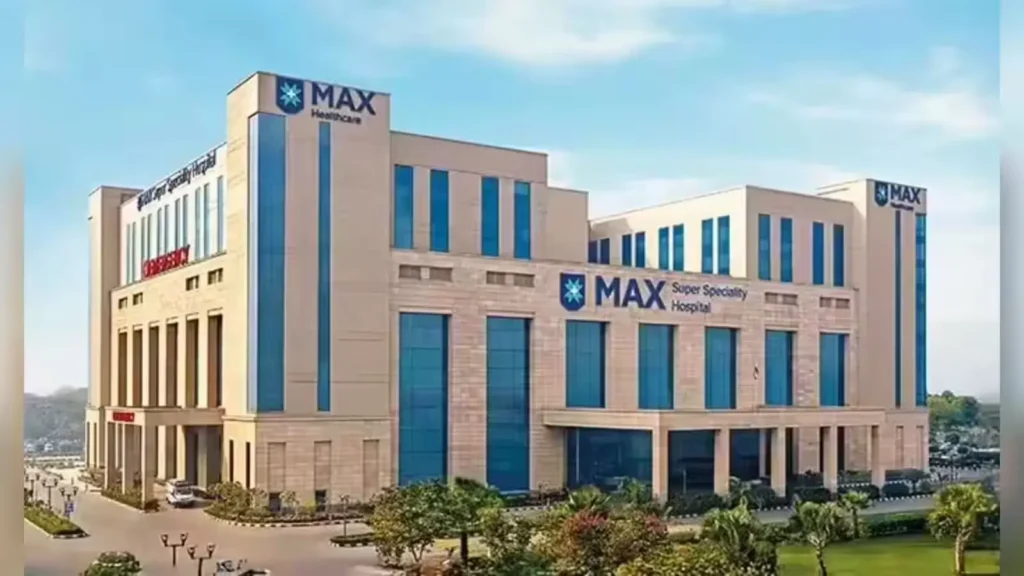
Max Healthcare reported a 20 per cent year-on-year (YoY) increase in gross revenue to ₹3,219 crore for the second quarter of FY27. The healthcare provider recorded a network profit after tax (PAT) of ₹448 crore, registering a 10 per cent growth compared with the corresponding quarter of the previous financial year. As of September 2026, the company’s operational bed capacity reached 5,518, marking an addition of 758 beds and a 16 per cent increase over September 2025. Bed occupancy during the quarter stood at 77 per cent, while Occupied Bed Days (OBDs) increased by 13 per cent YoY. Average Revenue Per Patient (ARPP) for Q2 FY27 was ₹2.31 lakh, compared with ₹2.14 lakh in the year-ago quarter and ₹2.30 lakh in Q1 FY27, reflecting an annual growth of 8 per cent. The company’s non-captive pathology business, Max Lab, generated gross revenue of ₹66 crore during the quarter, registering a 24 per cent YoY and 15 per cent quarter-on-quarter (QoQ) increase. Operating across more than 63 cities, the vertical offers over 2,700 diagnostic tests. Max Healthcare’s home care division, Max@home, also recorded strong growth, with gross revenue increasing 37 per cent YoY to ₹86 crore. Revenue grew 10 per cent sequentially, supported by demand for physiotherapy and rehabilitation, nursing services, attendants, sample collection and medicine delivery. Free cash generation during the quarter stood at ₹500 crore, compared with ₹291 crore in Q2 FY26 and ₹397 crore in Q1 FY27. The company invested ₹292 crore in ongoing expansion projects and distributed ₹195 crore towards dividends. On the infrastructure front, Max Super Speciality Hospital (MSSH), Dwarka, has commenced operations at its Oncology Block. The development is expected to take the hospital’s overall capacity to 318 beds during Q3 FY27. The company also strengthened its stake in Kalinga Hospital Limited (KHL), increasing its shareholding from approximately 58.28 per cent to 66.34 per cent following a rights issue on September 7, 2026. KHL operates a 250-bed hospital in Bhubaneswar. Additionally, Max Healthcare has approved a capital expenditure of ₹415 crore for adding 209 beds across its existing hospitals. The planned expansion includes 85 beds at MSSH, Noida, 60 beds at MSSH, Vaishali and 64 beds at BLK-Max Hospital. The BLK-Max expansion will also include a multi-level car parking facility to accommodate the growing number of patients and visitors. For the six months ended September 2026, the company’s total bed capacity stood at 6,184, representing a 20 per cent YoY increase. Network gross revenue for the period reached ₹6,200 crore, up 18 per cent from the corresponding period last year, primarily driven by higher Occupied Bed Days. Network PAT for the first half of FY27 increased 7 per cent to ₹805 crore, compared with ₹750 crore in the corresponding period of the previous financial year on a like-for-like basis. Cash generated from operations during the six-month period amounted to ₹897 crore, while net debt stood at ₹2,369 crore. Commenting on the performance, Abhay Soi, Chairman and Managing Director of Max Healthcare, said the company continued to register steady growth while expanding bed capacity across multiple locations to address India’s increasing demand for quality healthcare. He highlighted that higher occupancy across network hospitals and the faster utilisation of newly added beds reflected strong demand for the company’s services. He also noted growing momentum in medical value travel, supported by India’s cost-competitive healthcare offerings, which is further enhancing the country’s position as a global healthcare destination. Source: Economic Times  

Max Healthcare reports ₹3,219 crore revenue in Q2 FY27, net profit rises 10% Read More »
Fortis Healthcare CEO Calls for Periodic Revision of Government Health Insurance Rates

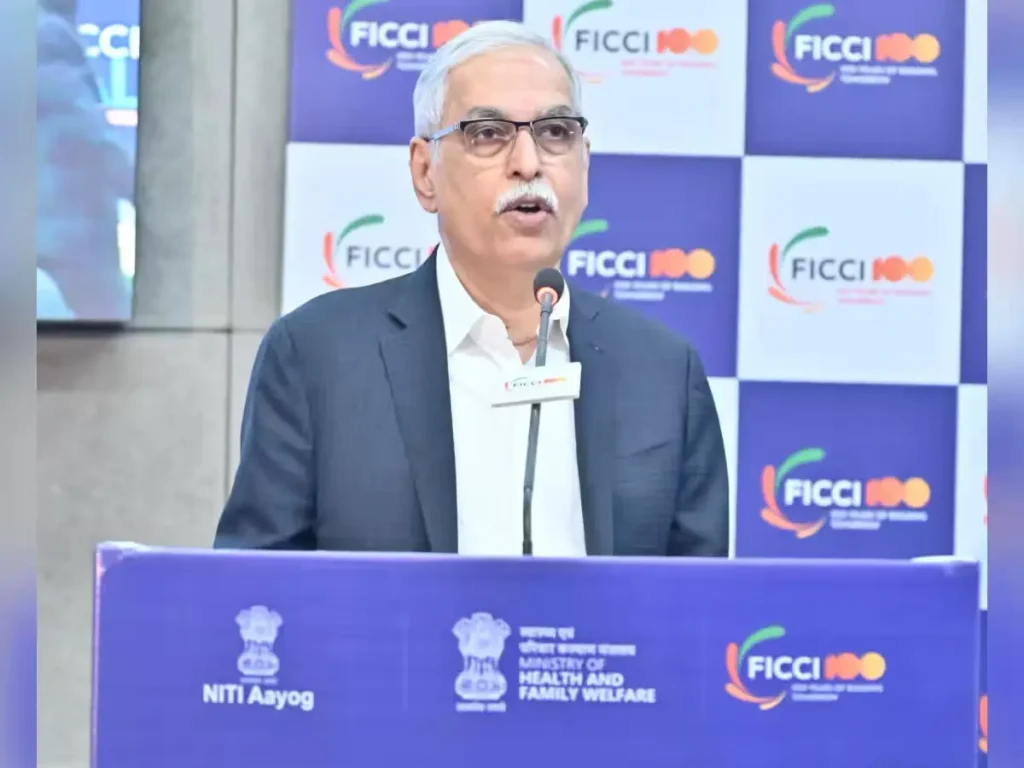
Ashutosh Raghuvanshi, Managing Director and CEO of Fortis Healthcare, has called for regular revisions of package rates under government-sponsored health insurance schemes to keep pace with rising medical costs, advancements in healthcare technology and the growing demand for quality treatment. Speaking at the 20th edition of FICCI Heal 2026, Raghuvanshi emphasised the need to periodically reassess reimbursement rates under the Central Government Health Scheme (CGHS) and the Pradhan Mantri Jan Arogya Yojana (PMJAY). He also highlighted the importance of timely hospital claim settlements, stating that a transparent and predictable reimbursement mechanism could encourage greater private sector participation and support investment in healthcare infrastructure. The remarks come a year after the Union Health Ministry revised package rates for nearly 2,000 procedures under CGHS in October 2025. The revision marked the first major overhaul of the rates since 2014. Following the announcement, Nathealth, an industry body representing private healthcare providers, welcomed the decision and called for government-sponsored health insurance rates to be periodically aligned with the Consumer Price Index. The viability of reimbursement rates remains a key concern for private healthcare providers. Major listed hospital chains, including Fortis Healthcare, Max Healthcare and Apollo Hospitals, do not participate in the Ayushman Bharat scheme. Industry representatives have argued that reimbursement rates must be financially sustainable, particularly for corporate hospitals operating in urban areas, to encourage their participation. Raghuvanshi also urged the government to reconsider the taxation framework applicable to hospitals. Although healthcare services are exempt from the Goods and Services Tax (GST), hospitals generally cannot claim input tax credit on goods and services used to provide these exempt services. This results in additional costs for healthcare providers and can constrain their ability to invest in expansion and infrastructure. He said reviewing the existing tax structure could ease cost pressures on hospitals while strengthening their capacity to deliver affordable, high-quality healthcare services. Source: Economic Times

Fortis Healthcare CEO Calls for Periodic Revision of Government Health Insurance Rates Read More »

Temasek-Backed Manipal Health Enterprises Files for IPO to Capitalise on Rising Healthcare Demand

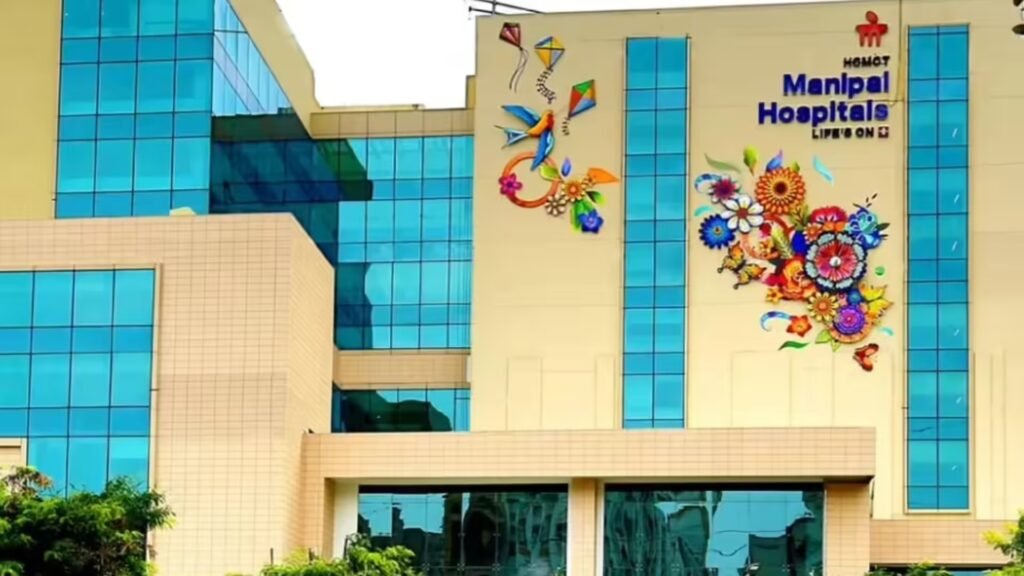
Manipal Health Enterprises, a hospital network backed by Temasek, has filed draft papers for an initial public offering (IPO), aiming to raise ₹8,000 crore (approximately $852 million) through a fresh issue of shares. As part of the offering, existing investors are also planning to offload around 43.2 million shares, according to the company’s prospectus. The Bengaluru-headquartered healthcare provider is positioning itself to benefit from the growing demand for specialised medical services in India. Industry experts suggest that this segment is expected to drive significant growth in the country’s healthcare sector, which continues to attract strong interest from global investors such as Blackstone, Novo Nordisk, and KKR. Over the past few years, Manipal Health has expanded aggressively, emerging as a major consolidator in the healthcare space. One of its most notable recent acquisitions includes Sahyadri Hospitals, which it purchased for $700 million. The company plans to utilise the proceeds from the IPO to reduce its existing debt and fund the acquisition of Sahyadri Hospitals. However, the IPO comes amid challenging market conditions. Indian equity markets have seen a decline recently, influenced by global risk aversion, tightening liquidity, and continued foreign investor outflows. Despite these headwinds, Manipal Health is banking on strong long-term fundamentals in India’s healthcare sector to drive investor interest in its public offering. Source: Reuters

Temasek-Backed Manipal Health Enterprises Files for IPO to Capitalise on Rising Healthcare Demand Read More »

IHH Healthcare Targets 7,000-Bed Capacity in India by 2028

IHH Healthcare has reiterated that it is on course to expand its hospital capacity in India to nearly 7,000 beds by 2028, marking an increase of over one-third from its current scale. The update comes after the successful completion of its open offer to acquire an additional stake in Fortis Healthcare. Following the open offer, IHH’s ownership now stands at 31.17% in Fortis Healthcare and 62.73% in Malar Hospitals. The company said the milestone positions it strongly for the next phase of growth in the Indian market. IHH Healthcare Group CEO Prem Kumar Nair said the conclusion of the Fortis open offer is a key step in advancing the group’s India strategy, aligning with its broader transformation efforts aimed at strengthening long-term resilience. He added that the company is well placed to drive innovation, enhance patient outcomes, and create sustainable value amid India’s rapidly evolving healthcare sector. Nair also highlighted that closer collaboration between Fortis Healthcare and Gleneagles Healthcare India will help unlock operational efficiencies and further improve the quality of care delivered nationwide. Echoing this outlook, Ashok Pandit, Group Chief Corporate Officer at IHH Healthcare, said the company is steadily expanding its footprint and remains committed to adding nearly 2,000 beds by 2028. Currently, IHH operates 35 hospitals with over 5,000 beds across 11 states in India, leveraging both operational and financial synergies to support its growth ambitions. Globally, IHH Healthcare has operations in 10 countries, including Malaysia, Singapore, Turkiye, India, and Greater China. Source: PTI

IHH Healthcare Targets 7,000-Bed Capacity in India by 2028 Read More »