ArdorComm Media Group

Monday, February 16, 2026 2:41 PM

infectious diseases

Nipah outbreak under control in India, government says as neighbouring countries step up vigilance

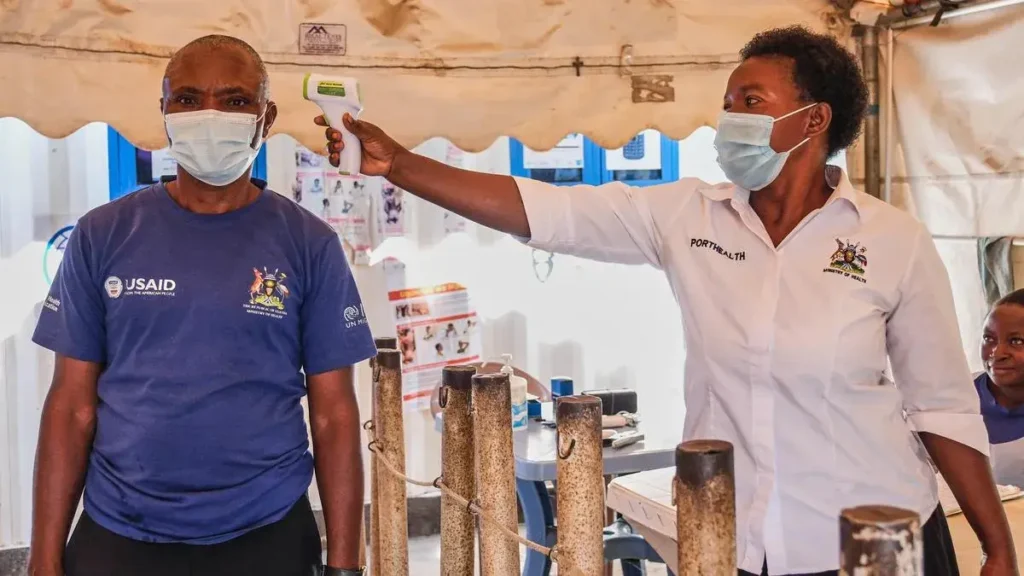
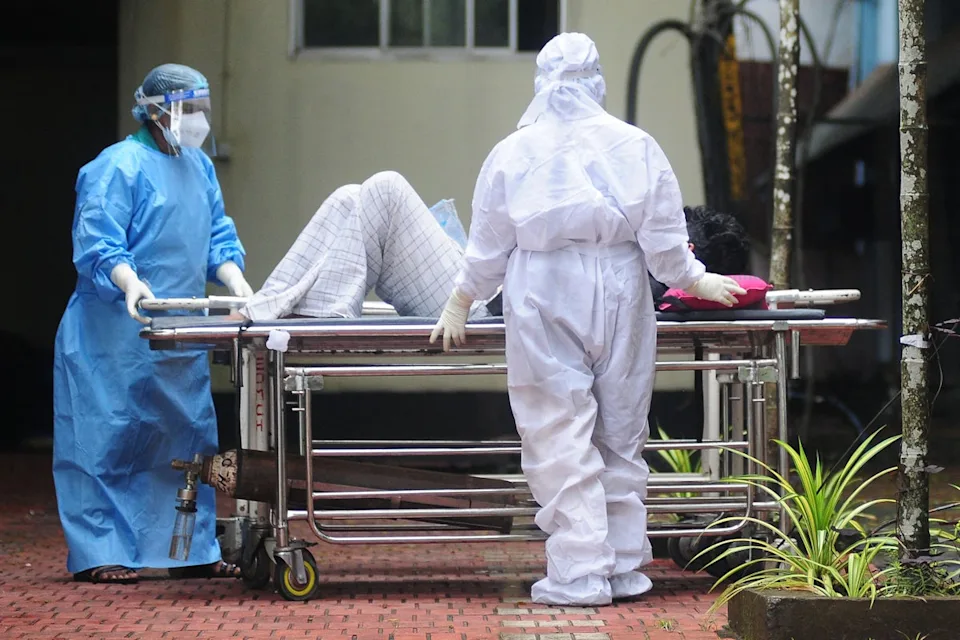
Indian authorities have moved to reassure the region after confirming that a recent outbreak of the Nipah virus has been successfully contained. The Ministry of Health and Family Welfare said late Tuesday that swift action helped prevent further spread after two cases were detected in West Bengal. According to the ministry, a total of 196 contacts linked to the confirmed cases were traced, monitored and tested, with all results returning negative. Officials said the clarification was issued to counter what they described as “speculative and inaccurate reporting” in sections of the media. “The situation is under constant monitoring and all necessary public health measures are in place,” the ministry said, noting that enhanced surveillance, laboratory testing and field investigations have been rolled out to ensure early detection of any new cases. Despite India’s assurance, several Asian countries have introduced additional health screening for travellers arriving from India. China said it was tightening disease prevention measures in border regions, with state media reporting risk assessments and specialised training for medical personnel. Countries including Indonesia and Thailand have stepped up airport checks through health declarations, temperature screening and visual assessments. Myanmar advised against non-essential travel to West Bengal and intensified fever surveillance at airports, a system originally introduced during the Covid-19 pandemic. Vietnam and Malaysia also directed authorities to strengthen monitoring at borders, ports of entry and healthcare facilities. The Nipah virus, a zoonotic disease first identified in Malaysia in the late 1990s, spreads through fruit bats, pigs and close human contact. There is no vaccine or specific treatment, with care limited to managing symptoms and complications. With a fatality rate estimated by the World Health Organization at 40–75%, Nipah is considered significantly more lethal than coronavirus infections. The first known human outbreak in 1998 led to more than 100 deaths among pig farmers and butchers in Malaysia and Singapore. Since then, sporadic outbreaks have been reported in Bangladesh, the Philippines and India, with Kerala witnessing Nipah cases almost annually since 2018. Source: Aljazeera

Nipah outbreak under control in India, government says as neighbouring countries step up vigilance Read More »

WHO Report Finds Less Than 5% of Disease-Focused Genomic Studies Conducted in Low- and Middle-Income Countries

A recent global analysis by the World Health Organization (WHO) has revealed a sharp imbalance in disease-focused genomic research, with low- and middle-income countries (LMICs) accounting for less than five per cent of such studies worldwide. According to the WHO, more than 6,500 genomic clinical studies were registered globally between 1990 and 2024 through its International Clinical Trials Registry Platform. The number of studies rose sharply after 2010, driven by rapid advancements in genome sequencing technologies, reduced costs, and expanding clinical applications. Despite this growth, over 80 per cent of genomic research remains concentrated in high-income countries. China emerged as the leading country in terms of the total number of registered genomic clinical studies over the past three decades, followed by the United States and Italy. India ranked among the top 20 countries globally. However, the report noted that LMICs are rarely in leadership roles within such research. India participated in 235 studies, while Egypt, South Africa, and Nigeria featured in 38, 17, and 14 studies respectively—mostly as part of multi-country collaborations rather than as lead partners. The analysis, titled “Human genomics technologies in clinical studies: the research landscape,” highlighted that cancer, rare diseases, and metabolic disorders together account for more than 75 per cent of all genomic studies globally. While these areas were early adopters of genomic approaches, the report flagged a major gap in research on infectious diseases. Communicable diseases such as tuberculosis, HIV, and malaria represented just three per cent of all genomic studies, despite their significant contribution to the global disease burden—particularly in low-resource settings. The authors described this as a missed opportunity to use genomics to better understand disease susceptibility, treatment response, and host–pathogen interactions. The WHO study also pointed to demographic gaps in genomic research. Over three-quarters of studies focused on adults aged 18 to 64, while only 4.6 per cent targeted children and just 3.3 per cent involved older adults. Calling for urgent action, the WHO urged more inclusive, geographically balanced, and locally relevant genomic research. Recommendations included greater investment in genomic infrastructure and research capacity in underrepresented regions, stronger leadership from LMIC-based institutions, better alignment of research priorities with local disease burdens, and increased inclusion of children, older adults, and other underrepresented populations. Source: PTI

WHO Report Finds Less Than 5% of Disease-Focused Genomic Studies Conducted in Low- and Middle-Income Countries Read More »

Single HPV Shot Shown to Offer Strong Protection Against Cervical Cancer, Major Study Finds

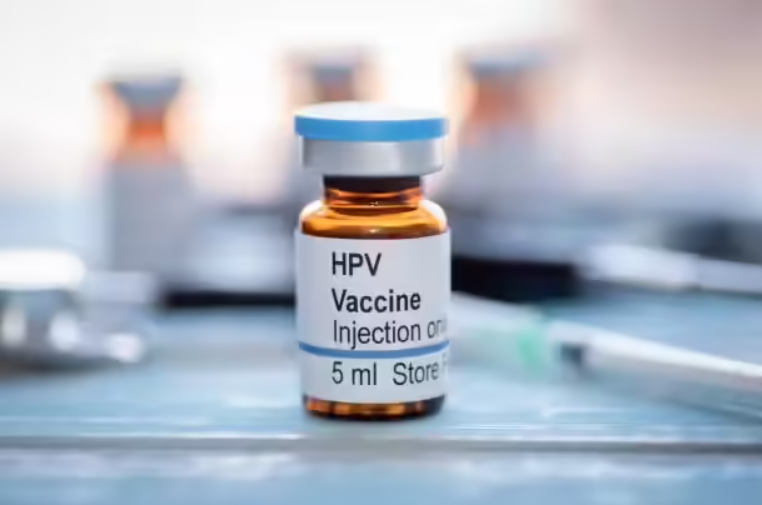
A landmark international study suggests that one dose of the HPV vaccine may be just as effective as the standard two-dose regimen, potentially transforming cervical cancer prevention efforts worldwide. Researchers announced on Wednesday that a single human papillomavirus (HPV) vaccine shot provided nearly the same level of protection against the virus strains most linked to cervical cancer. HPV is a widespread sexually transmitted infection, and while most cases resolve on their own, persistent infections can lead to cervical cancer and several less common cancers in both women and men. The HPV vaccine has been advised for U.S. girls since 2006, contributing to a decline in precancerous cervical conditions among women in their 20s — the first cohort vaccinated in adolescence. Still, cervical cancer remains a major global threat, causing around 340,000 deaths annually, particularly in parts of the world where vaccination access is limited. The promising findings come from a large Costa Rica-based trial led by the U.S. National Cancer Institute, involving more than 20,000 girls aged 12 to 16. Participants received one of two widely used HPV vaccines. After six months, half received a second dose while the other half were given a different childhood vaccine. Over five years of follow-up, researchers conducted regular cervical screenings and compared results with an unvaccinated control group. Published in the New England Journal of Medicine, the study concluded that a single dose offered about 97% protection, essentially matching the effectiveness of two doses. Dr. Ruanne Barnabas of Massachusetts General Hospital, in an accompanying editorial, highlighted that while earlier studies hinted at single-dose efficacy, this research solidifies long-term confidence in the approach. “We now have the evidence and tools to eliminate cervical cancer — what’s needed is the global commitment to deploy them effectively and fairly,” Barnabas wrote. In the U.S., two doses remain the official recommendation for children aged 11 or 12, with catch-up vaccinations advised up to age 26. The Centers for Disease Control and Prevention reports that 78% of teens aged 13 to 17 have received at least one dose. Worldwide, however, fewer than one-third of adolescent girls are vaccinated, according to the World Health Organization, which has already begun supporting single-dose strategies to improve coverage. Researchers noted that the study did not assess protection against other HPV-related cancers, such as those of the head and neck, and stressed that longer-term monitoring is still necessary. Source: AP

Single HPV Shot Shown to Offer Strong Protection Against Cervical Cancer, Major Study Finds Read More »

AI Tool Boosts India’s Disease Surveillance, Generates Over 5,000 Alerts: Study

An artificial intelligence–powered surveillance system deployed by the National Centre for Disease Control (NCDC) has significantly strengthened India’s ability to track infectious disease outbreaks, generating more than 5,000 real-time alerts for health authorities since 2022, according to a new pre-print study. Developed by WadhwaniAI, the Health Sentinel platform has automated the labor-intensive task of scanning news reports for unusual health events. The system reportedly reduced manual workload by 98%, enabling faster outbreak detection and quicker public health action. The findings are currently under review and not yet peer-reviewed. Under India’s Integrated Disease Surveillance Programme (IDSP), media scanning and verification has long relied on manual review of print, television and online news. Health Sentinel upgrades this process by screening articles daily across 13 languages, applying AI models to highlight potential threats that are later reviewed by epidemiologists. According to the study, the platform has processed over 300 million news articles since April 2022, identifying 95,000+ unique health-related events, of which around 3,500 were shortlisted by NCDC experts as possible outbreaks. Researchers also estimate that the AI-enabled system triggered more than 5,000 actionable alerts between April 2022 and April 2025. Parag Govil, National Program Lead for Global Health Security at WadhwaniAI, said the tool preserves human oversight while eliminating the time-consuming manual scanning traditionally required. Epidemiologists validate flagged events before disseminating them to state and district authorities. The research team noted a 150% surge in published health events captured since adopting AI-assisted surveillance, compared to earlier years of fully manual analysis. In 2024 alone, 96% of reported events were identified through the AI system, with only 4% coming from manual review. Globally, event-based surveillance techniques that incorporate online media or social media sources are increasingly used to complement traditional “passive reporting” from healthcare providers. The volume of daily online content, however, has made manual screening impractical, making automated systems essential. The article also references other Indian studies highlighting the value of enhanced surveillance. A pilot conducted in six private hospitals in Kasaragod, Kerala, used an algorithm to analyse cases of acute febrile illness (AFI). The system detected 88 clusters, with several verified as outbreaks—including dengue and COVID-19—demonstrating the benefits of early, data-driven detection. International research supports similar conclusions. A 2020 review in the Journal of Biomedical Informatics found that machine learning–based analysis of social media posts, especially on Twitter, improved disease trend prediction. Another study, published in 2017 in the American Journal of Tropical Medicine and Hygiene, showed that mining news articles can help fill gaps when official national case data is delayed. Overall, the findings underscore the growing importance of AI-driven surveillance systems in strengthening public health response capabilities and improving global health security. Source: PTI

AI Tool Boosts India’s Disease Surveillance, Generates Over 5,000 Alerts: Study Read More »

ICMR Study Finds 1 in 9 People Tested Positive for Infectious Diseases in 2025

A recent nationwide analysis by the Indian Council of Medical Research (ICMR) has revealed that 11.1% of patients tested across India were found carrying infectious pathogens — roughly one in every nine individuals tested. The large-scale study, conducted through ICMR’s Virus Research and Diagnostic Laboratories (VRDL) network, aimed to track viral infections of public health concern. The five most commonly detected pathogens included Influenza A in acute respiratory infections (ARI/SARI), Dengue virus in cases of acute and haemorrhagic fever, Hepatitis A among jaundice patients, Norovirus in acute diarrhoeal disease (ADD) outbreaks, and Herpes Simplex Virus (HSV) in acute encephalitis syndrome (AES) cases. The ICMR report noted a rise in infection rates from 10.7% in the first quarter (January–March) to 11.5% in the second quarter (April–June) of 2025. Out of 2,28,856 samples tested in the first quarter, 24,502 showed the presence of pathogens, while 26,055 of 2,26,095 samples tested positive in the next quarter — marking an increase of 0.8 percentage points. A senior ICMR scientist cautioned that although the increase appears modest, it could be an early signal for seasonal outbreaks or emerging infections, underscoring the importance of continued surveillance. “Even small shifts in infection rates can serve as an early warning for potential epidemics. The VRDL network plays a vital role as India’s early detection system,” the scientist said. Between April and June 2025, 191 disease clusters were investigated, identifying infections such as mumps, measles, rubella, dengue, chikungunya, rotavirus, norovirus, varicella zoster virus, Epstein-Barr virus (EBV), and astrovirus. In comparison, 389 clusters were probed between January and March 2025, detecting a similar range of pathogens including hepatitis, influenza, Leptospira, and sexually transmitted infections (STIs). From 2014 to 2024, the VRDL network tested over 40 lakh samples, identifying pathogens in 18.8% of them. The network has seen rapid expansion — from 27 laboratories in 2014 to 165 labs across 31 states and Union Territories by 2025 — and has so far tracked 2,534 disease clusters nationwide. Source: PTI Photo Credit: Getty Images/iStockphoto

ICMR Study Finds 1 in 9 People Tested Positive for Infectious Diseases in 2025 Read More »

Breakthrough in Understanding Childhood Immunity to Strep A Could Accelerate Vaccine Development

A team of scientists has uncovered how young children naturally build immunity against Group A Streptococcus (Strep A), a bacterial infection responsible for up to half a million deaths worldwide each year. The finding could significantly speed up the creation of a life-saving vaccine. Strep A is a common bacterium that can cause mild illnesses like sore throat and skin infections, but in severe cases, it can trigger life-threatening diseases. While deaths from Strep A are rare in wealthier nations, outbreaks can be devastating. In late 2022, a surge in cases across the UK and Europe claimed hundreds of lives, including those of many children. The burden is far greater in low- and middle-income countries, where thousands die annually from the infection. Researchers from the University of Sheffield, working with the Medical Research Council (MRC) Unit The Gambia at the London School of Hygiene and Tropical Medicine, tracked how Gambian children acquire natural immunity. Published in Nature Medicine, the study identified specific antibodies linked to protection from Strep A, marking a crucial step toward vaccine design. The team observed that babies are born with some immunity passed down from their mothers, but this protection fades quickly. Young children, however, develop robust antibody responses to different components of the bacteria after repeated exposure. This discovery pinpoints a key window for immune development, which could guide more effective vaccination strategies. Lead researcher Dr. Alex Keeley said this is the first time scientists have seen in humans how antibodies generated through vaccination might prevent Strep A infections. Gambian scientist Fatouamta Camara described the infection’s “devastating burden” on communities and expressed hope that a vaccine could break the cycle of illness and socio-economic hardship. The research was a collaboration between Sheffield’s Florey Institute of Infection and the GSK Vaccine Institute for Global Health. Professor Thushan de Silva, who co-directed the study, emphasised the importance of cross-institutional efforts in delivering impactful global health research. Source: PTI

Breakthrough in Understanding Childhood Immunity to Strep A Could Accelerate Vaccine Development Read More »

WHO Urges Boost in TB Research and Innovation to Tackle High Burden in South-East Asia

The World Health Organization (WHO) has issued an urgent call to enhance research, innovation, and regional cooperation to eliminate tuberculosis (TB) in the South-East Asia region — a region that continues to carry nearly half of the global TB burden. Speaking at the launch of a three-day virtual workshop focused on advancing TB research and innovation, Dr. Catharina Boehme, Officer-in-Charge for WHO South-East Asia, emphasized that in 2023 alone, the region saw nearly 5 million new TB cases and around 600,000 related deaths. The workshop brings together national TB programme leaders, scientists, civil society members, and global partners to push forward efforts aligned with the WHO’s End TB Strategy. The Need for Urgency and Collaboration Dr. Boehme highlighted that ending TB demands the rapid adoption of new tools, diagnostics, and treatments — and, more importantly, equitable and timely access to these innovations. “Collaboration is key to scaling up impact and ensuring that no one is left behind,” she stated. Despite a post-COVID-19 rebound in TB case detection in 2023, current progress is falling short of the End TB Strategy’s 2030 goals: a 90% drop in TB-related deaths and an 80% decline in incidence compared to 2015. Alarmingly, TB has returned as the world’s leading cause of death from a single infectious disease, with its effects disproportionately hitting the poorest and most vulnerable communities. In South-East Asia, between 30% and 80% of TB-affected households experience catastrophic healthcare expenses, pointing to the urgent need for inclusive, people-first approaches and stronger social protection systems. Signs of Progress Amidst Challenges Still, there are signs of advancement. In 2023, the region recorded 3.8 million new or relapsed TB cases, with an 89% treatment success rate among those who began treatment in 2022. The number of undiagnosed cases was significantly reduced — down to 22% from 44% in 2020. Countries are increasingly adopting technology-driven solutions such as artificial intelligence for detecting TB, digital adherence tools to monitor treatment, and direct benefit transfers to ease patients’ financial burdens. These innovations are being powered by strong political will and national commitment. Several countries have also expanded research efforts. Bangladesh has concluded a national patient cost survey, while India’s RATIONS study provided valuable insights on the role of nutrition in TB prevention and recovery. Nepal’s “TB-Free Pallika” initiative and Myanmar’s multisectoral coordination model are examples of community-led innovations that prioritize vulnerable populations. According to WHO, over 3,000 TB-related research papers were published by South-East Asian countries in the past six years, with 60% being original research. However, the challenge lies in transforming these findings into action, as knowledge gaps and lack of collaborative platforms hinder broader impact. Strengthening Regional and Global Coordination The workshop will also focus on building stronger South-South collaboration, vaccine readiness, use of digital tools for patient care, and tackling vaccine hesitancy. Discussions will revolve around aligning regulatory frameworks, improving knowledge-sharing platforms, and setting research priorities that address underlying drivers of TB — such as malnutrition and climate-related risks. Dr. Boehme noted the growing threat posed by drug-resistant TB and emphasized the importance of ensuring that scientific progress benefits everyone equally. “Access to new vaccines, medicines, and diagnostics must be equitable. Reaching underserved communities through proactive case-finding and offering socio-economic support is essential in mitigating the financial toll of TB,” she concluded. Source: PTI Photo Credit: Getty Images

WHO Urges Boost in TB Research and Innovation to Tackle High Burden in South-East Asia Read More »

Gennova Biopharma Partners with CEPI to Develop mRNA Nipah Vaccine

Gennova Biopharmaceuticals, a subsidiary of Emcure Pharmaceuticals, has announced a partnership with the Coalition for Epidemic Preparedness Innovations (CEPI) to develop a self-amplifying mRNA (saRNA) vaccine for the Nipah virus. The collaboration has secured up to $13.38 million in funding from CEPI to accelerate research and development. Innovative Approach to Vaccine Development As part of this initiative, Gennova will work with the Houston Methodist Research Institute (HMRI), a CEPI partner based in the United States, to integrate artificial intelligence (AI) into vaccine design. AI-driven analysis will be used to identify optimal vaccine targets, enhancing immune response efficiency. Clinical trials are set to begin in India, where Nipah outbreaks have previously occurred. The Nipah Virus Threat Nipah virus, a highly lethal pathogen from the Paramyxovirus family, has caused multiple outbreaks in South and Southeast Asia, with a fatality rate of up to 75%. Though outbreaks have been geographically limited, the virus’s natural reservoir—fruit bats—inhabits regions home to over two billion people, making it a serious global health concern. CEPI’s Commitment to Global Health Kent Kester, Executive Director of Vaccine R&D at CEPI, emphasized the urgency of the project, stating: “With no approved vaccines or specific treatments for Nipah, CEPI is leading the global effort to develop countermeasures. Gennova’s saRNA technology could not only help fight Nipah but also enhance pandemic preparedness, enabling rapid responses within 100 days of identifying a new viral threat.” The Advantage of saRNA Vaccines Unlike traditional mRNA vaccines, which introduce pre-made antigenic proteins, saRNA vaccines provide genetic instructions that enable the body’s own cells to produce these proteins. This approach enhances the immune response while requiring lower doses, making it a promising platform for future vaccine development. A Long-Term Collaboration Gennova’s partnership with CEPI is not new. In August 2023, CEPI granted the company $3.6 million to optimize its saRNA technology for developing vaccines against unknown pathogenic threats, often referred to as Disease X. Sanjay Singh, CEO of Gennova Biopharmaceuticals, commented on the collaboration: “By harnessing our saRNA platform, we aim to develop a next-generation Nipah vaccine. This partnership sets a new benchmark for rapid vaccine development while ensuring equitable access and strengthening global health security.” Ensuring Equitable Access CEPI has invested over $100 million in Nipah vaccine research. Through this collaboration, Gennova has pledged to uphold CEPI’s Equitable Access Policy, ensuring that the vaccine, if successfully developed, will be made available first to at-risk populations at an affordable price. The agreement also includes provisions for technology transfer, which could support future vaccine development efforts against emerging infectious diseases.

Gennova Biopharma Partners with CEPI to Develop mRNA Nipah Vaccine Read More »

WHO and FIND Join Forces to Accelerate Diagnostic Innovation and Access

FIND and the World Health Organization (WHO) have signed a new Memorandum of Understanding (MoU) that lays the foundation for accelerating innovation and achieving equitable access to quality diagnostics for people globally. One year on from the historic resolution to strengthen diagnostics, and with FIND as co-lead of the Access to COVID-19 Tools (ACT) Accelerator diagnostics pillar, this new agreement marks a step change in a strengthened partnership between WHO and FIND to speed up both innovation and access to diagnostics, supporting countries to implement the World Health Assembly (WHA) Resolution on diagnostics. “We are proud to be signing this MoU with WHO, as quality and accessible diagnostic testing is the backbone of health systems, primary healthcare and health security,” said Dr. Ayoade Alakija, Board Chair of FIND. “At a time when there have been three cases of H5N1 avian flu spillover events from cows to humans in the last month and an outbreak of mpox in the Democratic Republic of the Congo, the importance of diagnostic testing to identify outbreaks and quash them before they become major epidemics or even pandemics has never been more critical.” This new agreement establishes FIND as the key strategic partner for diagnostics, working with WHO and others to address a number of priority areas including antimicrobial resistance, infectious diseases like HIV, malaria and tuberculosis, and noncommunicable diseases like hypertension, heart disease, cervical cancer and diabetes. Signed on 1 June 2024 at a ceremony attended by Dr. Tedros Adhanom Ghebreyesus, Dr. Yukiko Nakatani (Assistant Director-General), and Dr. Ayoade Alakija (Board Chair of FIND), the MoU will also see the two organizations building new avenues to share knowledge and scale up critical activities to accelerate access to life-saving diagnostics. The signing of this MoU formalizes a long-standing partnership between WHO and FIND and marks a major milestone in the journey towards better health and well-being across the world. By leveraging the strengths and expertise of both WHO and FIND, this partnership promises to drive innovation on diagnostic tests and also improve access to the tests to reduce health inequalities, ultimately leading to a healthier future for people everywhere.  

WHO and FIND Join Forces to Accelerate Diagnostic Innovation and Access Read More »