ArdorComm Media Group

Thursday, August 27, 2026 1:24 AM

mental health

Autism Care Centre Crosses 1,000 Enrolments in 18 Months, Plans Major Expansion of Services

The Centre of Excellence for Persons with Autism has achieved a major milestone by registering more than 1,000 children within just 18 months of its launch, marking a significant step forward in specialised autism care and rehabilitation services in India. Established on December 5, 2024, at the Government Institute of Rehabilitation Medicine in K.K. Nagar, the centre has so far enrolled 1,050 children, with over 700 currently receiving regular therapy sessions. The facility now handles nearly 100 visitors daily and sees around eight to ten new patients each day, reflecting growing awareness and demand for specialised autism support services. According to officials, the centre initially received only a handful of patients in its first month, but steady word-of-mouth awareness has contributed to rapid growth. Families from across Tamil Nadu have approached the centre, while even visitors from countries including Canada and parts of the Middle East have sought consultation during their visits to India. The facility, which was initially supported by the National Health Mission, Tamil Nadu, is now preparing to expand its services significantly. Upcoming additions include physical education programmes, pre-vocational skill development for children under 18, vocational training for adults, and new infrastructure such as a hydrotherapy swimming pool and a sensory park designed specifically for therapeutic intervention. The centre operates with a multidisciplinary team comprising paediatricians, psychiatrists, clinical psychologists, occupational therapists, speech therapists, physiotherapists, and special educators. Children visiting the facility first undergo screening by paediatricians using internationally recognised autism screening tools that help identify developmental concerns at an early age. Medical experts at the centre say early signs of autism often include limited response to name calling, communication difficulties, and challenges in social interaction. Following diagnosis, children undergo personalised therapy plans where specialists work on improving daily life skills and addressing developmental gaps. Doctors also note that Autism Spectrum Disorder (ASD) often occurs alongside other conditions such as ADHD, anxiety, depression, and sleep disorders. In such cases, additional medical treatment is provided alongside therapy sessions to support overall development. The centre is also running a daycare programme in collaboration with the Madhuram Narayanan Centre for Exceptional Children, where young children receive structured training focused on building essential life skills. The curriculum covers hundreds of developmental activities ranging from eating independently and dressing to early writing skills. Looking ahead, the centre is developing a dedicated mobile application for parents and therapists to monitor therapy progress and treatment goals. Plans are also underway to introduce skill-based vocational programmes such as block printing, fireless cooking, computer training, and tailoring, aimed at improving long-term independence and employability for persons with autism. Source: The Hindu

Autism Care Centre Crosses 1,000 Enrolments in 18 Months, Plans Major Expansion of Services Read More »

Everyday Movement Boosts Mood, Global Study of 3 Lakh Reports Finds

A major international study analysing more than three lakh real-time mood reports has found a strong connection between physical activity and emotional well-being, revealing that everyday movement can significantly improve mood, while positive emotions also encourage people to stay active. The research, published in the journal Nature Human Behaviour, combined findings from 67 research groups across the world and involved data from over 8,000 participants. Researchers from Ruhr University Bochum and institutions across Europe and the United States used smartphones and wearable devices to track participants’ daily activities and emotional states in real time. The study monitored routine movements such as walking, climbing stairs, and household chores, allowing scientists to assess how physical activity influences emotions during normal day-to-day life. Researchers observed that physical activity was consistently linked to higher energy levels, more positive emotions, and improved overall mood. At the same time, participants were found to be more physically active when they were already feeling emotionally positive. Energy levels showed the strongest association with movement, with over 95 per cent of participants reporting increased energy around periods of activity. The study also found that individuals with lower levels of well-being experienced the greatest emotional benefits from physical activity. Co-author Amanda Staiano said the findings highlight the importance of studying health behaviours in real-world settings. She noted that even small amounts of daily movement can have a meaningful impact on emotional well-being. The researchers said the findings reinforce earlier evidence from laboratory and short-term studies that linked exercise with improved mental health. However, this study stands out because it examined physical activity and mood in natural everyday environments using digital tools like smartphones and fitness wearables. The team added that further research is needed to better understand the reasons behind individual differences in responses to exercise and to determine the exact causal relationship between movement and mood. Source: PTI  

Everyday Movement Boosts Mood, Global Study of 3 Lakh Reports Finds Read More »

Preventive Healthcare: Why It Matters More Than Ever

For decades, healthcare systems across the world have largely been reactive—we visit a doctor when something goes wrong. But today, that model is rapidly becoming outdated. Rising lifestyle diseases, increasing healthcare costs, and the lessons from global health crises have made one thing clear: waiting for symptoms is no longer sustainable. Preventive healthcare represents a powerful shift—from treating illness to anticipating and avoiding it altogether. It is not just a medical approach; it is a mindset, one that prioritizes long-term well-being over short-term fixes. What is Preventive Healthcare? Preventive healthcare refers to measures taken to prevent diseases before they occur or worsen. This includes: Regular health check-ups and screenings Vaccinations and immunizations Healthy lifestyle practices (diet, exercise, sleep) Mental health care and stress management Early diagnosis and timely intervention At its core, preventive care is about staying one step ahead of disease, rather than reacting after damage has been done.  Why Preventive Healthcare Matters More Than Ever 1. The Rising Burden of Lifestyle Diseases Non-communicable diseases (NCDs) such as diabetes, heart disease, and cancer are now the leading causes of death globally—and in India. In fact, over 60% of deaths in India are linked to preventable lifestyle diseases.  These diseases often develop silently over years. By the time symptoms appear, significant damage may already have occurred. Preventive healthcare helps detect risks early and delay or completely avoid disease onset. 2. Early Detection Saves Lives Many serious conditions—like cancer, hypertension, and diabetes—show little to no symptoms in early stages. Regular screenings can detect these conditions early, when they are easier and more effective to treat.  Research even suggests that routine preventive check-ups can significantly reduce mortality risk, especially for chronic diseases. In simple terms: Early detection = Better outcomes + Lower risk 3. Healthcare Costs Are Skyrocketing Medical treatment today is expensive—and chronic diseases often require lifelong management. Preventive healthcare helps reduce this burden by: Avoiding costly hospitalizations Minimizing long-term medication needs Reducing emergency interventions India alone is expected to face an economic burden of over ₹511 lakh crore due to NCDs by 2030.  Preventive care is not just good for health—it is financially smart. 4. Post-Pandemic Awareness and Behavior Shift The COVID-19 pandemic fundamentally changed how people view health. There is now greater awareness around: Immunity and hygiene Regular health monitoring Importance of vaccinations Preventive healthcare has evolved from being optional to essential, as individuals increasingly take responsibility for their own well-being. Mental Health is Finally in Focus Preventive healthcare is no longer limited to physical health. Rising stress, burnout, and anxiety have made mental health screening and care equally important. Early interventions—like counseling, mindfulness, and stress management—can prevent long-term psychological issues and improve overall quality of life.  6. Technology is Making Prevention Smarter The integration of technology is revolutionizing preventive healthcare: Wearables track heart rate, sleep, and activity AI predicts disease risks using health data Telemedicine enables early consultations Predictive analytics can now identify at-risk individuals even before symptoms appear, enabling personalized and timely interventions.  This shift is transforming healthcare from generalized treatment to personalized prevention. The Indian Context: A Critical Turning Point India is at a unique crossroads: A young population increasingly affected by lifestyle diseases Rising urbanization and sedentary lifestyles Growing healthcare costs and infrastructure gaps Historically, India has focused more on curative care, but the trend is shifting. Preventive healthcare is gaining momentum, driven by: Increased awareness Growth of digital health platforms Expansion of diagnostics and wellness sectors The preventive healthcare market in India is also growing rapidly, reflecting a broader societal shift toward proactive health management. Key Pillars of Preventive Healthcare 1. Regular Health Screenings Routine tests like blood sugar, cholesterol, and cancer screenings help detect risks early. 2. Healthy Lifestyle Choices Balanced nutrition, physical activity, and adequate sleep form the foundation of prevention. 3. Vaccination & Immunization Vaccines remain one of the most effective preventive tools in public health. 4. Mental Well-being Stress management, therapy, and emotional resilience are essential components. 5. Health Awareness & Education Informed individuals make better health decisions—prevention starts with awareness. Challenges in Adoption Despite its importance, preventive healthcare faces several barriers: Lack of awareness and health literacy Cultural tendency to seek care only when ill Accessibility issues in rural areas Perception of preventive care as an “extra cost” In reality, the cost of inaction is far greater. The Way Forward: Building a Preventive Culture To truly benefit from preventive healthcare, a collective effort is needed: Individuals must prioritize regular check-ups and healthy habits Institutions should integrate health programs and awareness initiatives Governments must invest in accessible preventive services Healthcare providers should promote early intervention models The goal is to move from a “sick-care system” to a “health-care system.” Conclusion: Prevention is the New Cure Preventive healthcare is no longer a luxury—it is a necessity in today’s fast-paced, high-risk world. It empowers individuals to take control of their health, reduces the burden on healthcare systems, and ensures a better quality of life. The future of healthcare lies not in hospitals alone, but in daily choices, early actions, and informed decisions. Because ultimately, the most effective treatment is the one you never need.

Preventive Healthcare: Why It Matters More Than Ever Read More »

Chile Moves to Ban Smartphone Use in Classrooms to Reduce Distractions and Improve Learning

Chile has approved a new law that will prohibit the use of smartphones and other smart devices during class hours in elementary and middle schools, joining a growing list of countries taking action to curb digital distractions among young students. The ban, set to take effect next year, is aimed at reducing the negative effects of screen use and refocusing attention on in-person learning. The measure aligns Chile with nations such as France, Brazil, Hungary, the Netherlands and China, all of which have implemented varying levels of restrictions on phone use in schools. Education Minister Nicolás Cataldo celebrated the decision, saying the country is moving toward “a cultural change” that encourages children to reconnect face-to-face, socialise during breaks, and rebuild their attention spans for better academic outcomes. While the Senate had already supported the phone ban earlier in principle, the legislation underwent further adjustments before being put to a final vote in the lower house on Tuesday. Lawmakers overwhelmingly backed the updated version, which bans smartphone use during lessons except in emergencies or for approved educational purposes. The bill will now be sent to President Gabriel Boric for his signature before becoming national policy in time for the 2026 school year. Growing concerns around youth mental health have fuelled calls for such restrictions. Parents and teachers across Chile have long argued that excessive smartphone use hinders both academic performance and emotional development. A school in Santiago successfully piloted a program earlier this year that blocked mobile signals, adding momentum to the nationwide push. Recent data from an OECD international study supports these concerns, revealing that more than half of Chilean students reported that digital devices disrupted their learning. Source: AP

Chile Moves to Ban Smartphone Use in Classrooms to Reduce Distractions and Improve Learning Read More »

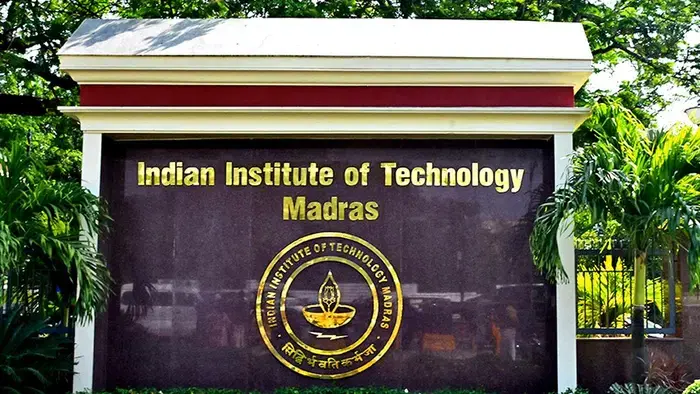
IIT-Madras researchers uncover physiological markers that can predict and manage test anxiety among students

Researchers at the Indian Institute of Technology (IIT) Madras have identified key physiological signals that can help detect students who are most prone to test anxiety, potentially transforming how educational institutions understand and address academic stress. The findings, published in the international peer-reviewed journal Behavioural Brain Research, explore the interaction between the brain and heart in students facing exam-related anxiety. This scientific approach offers early detection possibilities and paves the way for personalized coping strategies. According to NCERT (2022), nearly 81% of Indian students experience some level of test anxiety, which can adversely affect academic outcomes and long-term mental well-being. Led by Venkatesh Balasubramanian from the Department of Engineering Design, the IIT-Madras team emphasized the value of using objective physiological data rather than relying solely on students’ self-reported feelings. Their research shows that a disruption in the brain-heart communication network during stressful situations can make certain students more vulnerable to anxiety and avoidance behaviours, highlighting a biological difference between healthy and unhealthy responses to exam pressure. The study identifies two critical markers: Frontal Alpha Asymmetry (FAA): a brain-based indicator linked to emotional control Heart Rate Variability (HRV): a measure of how effectively the heart adjusts to stress Researchers found that students exhibiting a negative FAA pattern showed weaker heart regulation under pressure, suggesting a biological predisposition to heightened anxiety. This deeper understanding reframes academic stress as a condition rooted not only in psychology but also in measurable physiological interactions. According to Swathy Parameswaran, Research Scholar at IIT Madras, these insights could lead to practical tools powered by artificial intelligence. Such tools may enable real-time, non-invasive monitoring systems capable of alerting educators and mental health professionals before visible symptoms arise. The research also supports the creation of personalized stress management strategies that can be integrated into school and university wellness programs. Though based on a preliminary sample of 52 participants, the study marks a promising advancement in combining neuroscience with educational psychology. The team plans to expand the research with larger, more diverse groups and explore additional factors like sleep quality and physical activity. Upcoming phases will also include advanced methods such as EEG-based connectivity mapping to further unravel heart-brain dynamics during stress. Source: PTI

IIT-Madras researchers uncover physiological markers that can predict and manage test anxiety among students Read More »

Supreme Court Directs NHRC to Oversee Mental Health Authorities Nationwide

In a significant move to strengthen mental healthcare governance, the Supreme Court on Tuesday (October 28, 2025) directed the National Human Rights Commission (NHRC) to monitor the functioning of Central and State Mental Health Authorities across India. The decision, issued by a Bench led by Justice P.S. Narasimha, came in response to a 2018 petition filed by advocate Gaurav Kumar Bansal, which exposed the inhumane treatment of mentally ill inmates who were found chained in a faith-based asylum in Badayun, Uttar Pradesh. The petition had called for the establishment and independent monitoring of Central and State Mental Health Authorities, along with dedicated funding and mental health review boards, as mandated under the Mental Healthcare Act, 2017. Following the petition, the Union Health Ministry informed the Court through an affidavit that these authorities had been formally notified and were operational. Acknowledging this development, the Bench observed: “Since both the Central and State Mental Health Authorities are now functioning, the NHRC shall oversee the matter, hear the concerned bodies, and issue necessary directions to ensure their effective working.” The Supreme Court further instructed that the petition be treated as a “complaint” by the NHRC and monitored accordingly under existing legal provisions. The NHRC has been empowered to issue appropriate orders to ensure that mental health institutions and review boards function efficiently and uphold human rights standards. This directive marks an important step toward ensuring accountability and systemic reform within India’s mental healthcare framework. Source: The Hindu  

Supreme Court Directs NHRC to Oversee Mental Health Authorities Nationwide Read More »

Scientists Explore How Music Can Help Relieve Pain from Surgery and Illness

In the recovery ward at UC San Diego Health, nurse Rod Salaysay relies on more than just medical tools like a stethoscope or thermometer — he also uses his guitar and ukulele. Between post-surgery medications, Salaysay plays tunes at patients’ request, ranging from folk songs and classical pieces like Minuet in G Major to movie classics such as Somewhere Over the Rainbow. The results are often visible: patients smile, relax, and sometimes even require fewer painkillers. “In hospitals, pain, anxiety, and worry often feed into each other,” Salaysay explained. “Music can help break that cycle.” Over the last twenty years, hospitals and clinics worldwide have increasingly turned to music therapy — both live and recorded — as studies continue to reveal its power to ease physical and emotional pain. While music’s emotional influence has long been understood, scientists are only now uncovering how music-induced analgesia — the process by which music reduces pain perception — actually works. Although a melody can’t replace strong pain medication, research published in Pain and Scientific Reports shows that listening to music can lessen pain intensity and increase a person’s tolerance to discomfort. What seems crucial, researchers say, is that patients choose the music themselves and listen attentively, rather than passively. “Pain is incredibly complex,” said Adam Hanley, a psychologist at Florida State University. “It’s shaped by both the body’s sensations and our emotional and mental responses to those sensations.” Even with the same condition, two people might experience pain differently. Acute pain comes from immediate physical triggers, while chronic pain involves long-term changes in the brain that heighten sensitivity. “Pain is processed and interpreted by the brain,” said Dr. Gilbert Chandler, a chronic spinal pain expert from Tallahassee Orthopedic Clinic, “and the brain can amplify or reduce those signals.” Music, experts note, helps redirect attention away from pain. Studies suggest that preferred music is especially effective, even more than podcasts or generic playlists. “Music doesn’t just distract — it engages the whole brain,” said Caroline Palmer, a psychologist at McGill University. “That’s why it changes how people experience pain.” Indeed, Kate Richards Geller, a Los Angeles-based music therapist, explains that engaging with music activates nearly every brain region, easing not just pain but also isolation and anxiety. The use of music for pain relief dates back to the 19th century, when patients listened to melodies during dental procedures before anesthetics were common. Modern researchers continue to explore what makes it most effective. In one experiment at Erasmus University Rotterdam, scientists tested 548 participants across five music genres — classical, rock, pop, urban, and electronic — to measure how long they could withstand cold-induced pain. All genres helped, but none outperformed the others. “The best music is simply what you like,” said study co-author Dr. Emy van der Valk Bouman, noting that familiar songs may trigger memories and emotions that enhance resilience. Allowing patients to choose their music can also restore a sense of control and agency, said Claire Howlin of Trinity College Dublin, whose research shows that self-selected songs can boost pain tolerance. Hanley’s studies further indicate that focused, daily listening may gradually reduce chronic pain, offering an uplifting “emotional bump” without side effects. For many, it’s a powerful, drug-free remedy. Cecily Gardner, a jazz vocalist from California, said music helped her cope with illness and brought comfort to others in pain. “Music reduces stress, connects people,” she said, “and transports you somewhere better.” Source: AP

Scientists Explore How Music Can Help Relieve Pain from Surgery and Illness Read More »

The Changing Face of Health: Why Prevention Matters More Than Cure

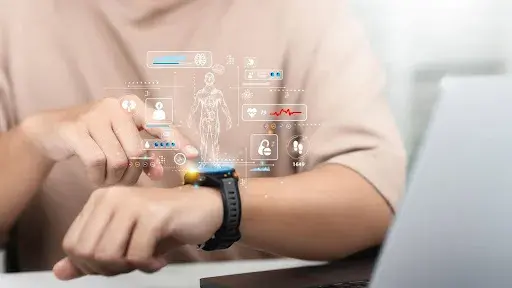
Health is no longer just about curing illnesses — it is about building resilience, balance, and longevity. In an age where medical technology is advancing rapidly, one truth stands out: most health challenges of today can be prevented through timely lifestyle choices. From Reactive to Proactive Healthcare Traditionally, healthcare systems have been reactive, stepping in only after illness occurs. But the global rise of non-communicable diseases (NCDs) — such as diabetes, heart disease, respiratory disorders, and cancers — is changing that mindset. According to the World Health Organization (WHO), NCDs account for over 70% of global deaths each year, many of which are linked to modifiable factors like poor diet, sedentary lifestyle, smoking, and stress. Preventive healthcare focuses on early detection, timely intervention, and healthy living habits. Regular health check-ups, vaccinations, screenings, and wellness programs can significantly reduce the burden of disease, not just on individuals but also on healthcare systems. The Mind-Body Connection Health is multidimensional. Beyond physical well-being, mental health is increasingly recognized as a key factor. Stress, depression, and anxiety often manifest in the body as fatigue, poor immunity, or even chronic illness. For example, long-term stress can contribute to hypertension and heart disease. To counter this, practices like yoga, meditation, breathing exercises, and mindfulness are gaining popularity worldwide. Social support systems — family, friends, and community engagement — also play a powerful role in maintaining mental wellness. Nutrition and Lifestyle: The Foundation of Good Health The saying “we are what we eat” has never been truer. Diets rich in whole foods, fresh fruits, vegetables, lean proteins, and healthy fats are proven to reduce the risk of lifestyle-related conditions. On the other hand, excessive consumption of processed foods, sugar, and unhealthy fats is directly linked to obesity and metabolic disorders. Equally important is physical activity. Experts recommend at least 150 minutes of moderate exercise per week, which could be as simple as brisk walking, cycling, or swimming. Combined with quality sleep and adequate hydration, these habits form the foundation of long-term health. Technology: A Game-Changer in Healthcare Digital health tools are reshaping the way people monitor and manage their well-being. Wearable devices can track heart rate, sleep quality, and physical activity, while telemedicine platforms make healthcare accessible from home. Artificial intelligence (AI) is being used to detect early signs of diseases through scans and lab data, helping doctors make faster and more accurate diagnoses. This patient-centric approach empowers individuals to take control of their health, reducing dependency on hospitals for routine care. Community and Policy Initiatives Health is not just personal — it is social. Governments, workplaces, and schools are increasingly adopting wellness programs, from fitness incentives to mental health counseling. Public awareness campaigns on vaccination, hygiene, and balanced diets continue to play a pivotal role in improving community health standards. Policies that encourage pollution control, clean water, urban green spaces, and accessible healthcare facilities further strengthen the foundation of healthier societies. Building a Healthier Future The future of healthcare lies in a holistic model — where physical, mental, social, and environmental health are interconnected. Instead of waiting for illness to strike, people and systems must embrace prevention as the core of well-being. By making conscious choices — nutritious eating, regular exercise, stress management, technology-driven monitoring, and preventive check-ups — individuals can not only add years to life but also life to years. As the adage goes, “Health is wealth.” In the 21st century, that wealth depends on how well we balance innovation, awareness, and proactive living.

The Changing Face of Health: Why Prevention Matters More Than Cure Read More »

CBSE to Roll Out Educational Podcasts, Invites Student Participation from Classes 9–12

The Central Board of Secondary Education (CBSE) has announced a new initiative to develop its own series of educational podcasts and digital content, covering both academic and counselling themes. The board stated that these resources are being designed to offer valuable insights, guidance, and awareness for students, parents, and schools alike. To ensure accessibility, the podcasts will also be released on public platforms such as YouTube. According to CBSE, the move is aimed at strengthening its existing academic and counselling support system by introducing a more flexible, digital-friendly format. The content will focus on topics like exam preparation, academics, mental well-being, and student welfare. Involving Students’ Voices To make the project more engaging, CBSE plans to integrate student perspectives into the podcasts. Students will be encouraged to contribute through short video or audio snippets, testimonials, and interactive discussions. These inputs will be featured on CBSE’s podcasts, social media platforms, and other digital communication channels, making the content more relatable and student-focused. How Schools Can Participate The board has directed affiliated schools to nominate students from Classes IX to XII who are confident, articulate, and interested in taking part. Participation is voluntary and requires written consent from both the students and their parents or guardians, submitted through the respective school. Schools have been asked to share names and brief profiles of nominated students through a Google form link provided by CBSE. The nominations must be submitted within 10 days of the notice being issued. The board emphasized that this is an optional opportunity meant to give students a platform to share their views while enhancing CBSE’s outreach and communication efforts. Source: Indian Express

CBSE to Roll Out Educational Podcasts, Invites Student Participation from Classes 9–12 Read More »

CBSE Unveils Career Guidance Dashboard and Mental Health Support Network for Schools

In a significant step towards student empowerment and well-being, the Central Board of Secondary Education (CBSE) has launched two major initiatives for the academic year 2025-26 — the CBSE Career Guidance Dashboard and the Counseling Hub and Spoke School Model. Announced on August 7 at the CBSE Integrated Office in Dwarka, these initiatives aim to equip students with both future-ready career planning tools and robust psychosocial support systems within schools. The Career Guidance Dashboard, accessible at cbsecareerguidance.in, is a digital platform offering students a wealth of resources for exploring career options in a structured and informed manner. It is designed to support students at various academic levels as they make decisions about their future educational and career paths. Complementing this, the CBSE Counseling Hub and Spoke Model introduces a community-based approach to mental health support. Under this model, selected CBSE-affiliated “hub” schools will serve as training and resource centres, offering guidance and best practices to surrounding “spoke” schools within their region. This connected network encourages collaboration, peer learning, and the development of emotionally resilient school environments. “The hub and spoke model is not just about guidance — it’s about creating a culture of care and shared learning among schools,” CBSE stated in its official communication. The launch event drew participation from over 500 school leaders, wellness coordinators, and counselors from across the country. During the event, CBSE Chairperson Rahul Singh, IAS underscored how these initiatives reflect the vision of the National Education Policy (NEP) 2020, especially in making education more inclusive, student-centric, and technology-enabled. CBSE Secretary Himanshu Gupta, IAS also highlighted the urgent need for a more structured approach to mental health in schools and commended institutions that actively help students navigate academic and emotional challenges. A detailed session on the Counseling Hub and Spoke Model outlined its implementation roadmap, including roles, responsibilities, training protocols, and evaluation strategies to ensure consistent and measurable impact. The event also featured a keynote by Dr. Sanyam Bhardwaj, CBSE Controller of Examinations, who elaborated on the board’s post-NEP 2020 reforms. Panel discussions brought together voices from diverse schools, offering real-world insights into integrating career counseling and mental wellness into school systems. CBSE reaffirmed its commitment to holistic student development and called for stronger collaboration among educators, administrators, and mental health professionals. “With these initiatives, CBSE is reinforcing its mission to nurture not just academically successful students, but also emotionally and socially balanced individuals,” the Board said in its official statement. Source: Indian Express  

CBSE Unveils Career Guidance Dashboard and Mental Health Support Network for Schools Read More »