ArdorComm Media Group

Thursday, August 27, 2026 1:21 AM

N Chandrasekaran

N Chandrasekaran to Step Down as Tata Sons Chairman After Term Ends
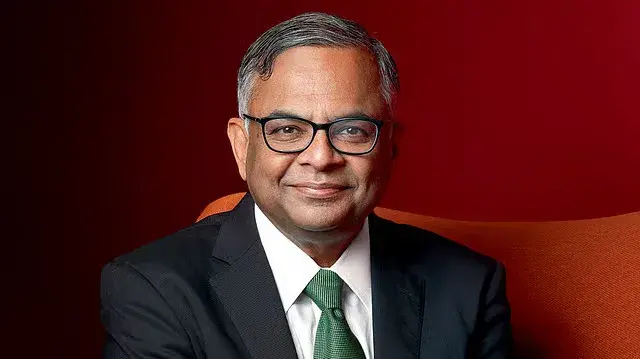
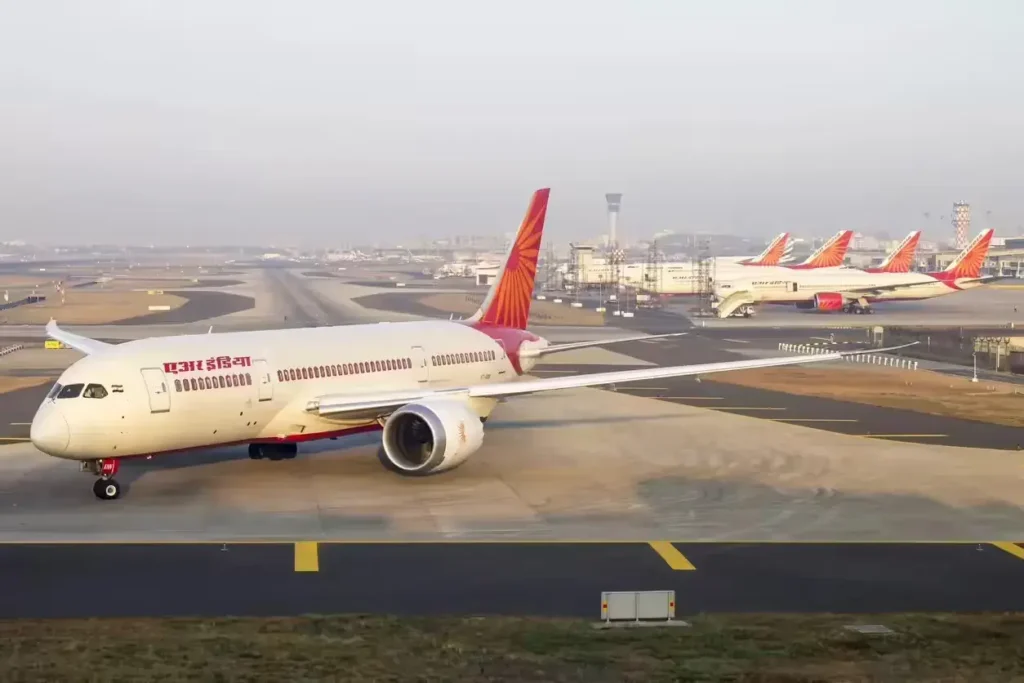
N Chandrasekaran, chairman of Tata Sons, has announced that he will not seek another term when his current tenure ends in February 2027, bringing uncertainty over the future leadership of one of India’s largest business conglomerates. The 63-year-old executive said the decision followed the Tata Sons board’s failure to reach unanimous agreement on a proposed five-year extension. The proposal was first discussed in February, but no consensus was reached even after six months. The announcement triggered a sharp reaction in the stock market, with shares of several listed Tata Group companies falling, while investors assessed the potential implications for the conglomerate, which has interests ranging from Air India and Tata Steel to Jaguar Land Rover and Tata Consultancy Services. Chandrasekaran’s decision comes amid reported differences within the Tata Group’s governance structure. Tata Trusts, the charitable arm of the group, holds a 66% stake in Tata Sons and has three nominees on its board. Reports have pointed to disagreements over board appointments, funding decisions and the potential public listing of Tata Sons. The leadership uncertainty comes as the group navigates several major business priorities, including the ongoing turnaround of Air India, which Tata Group acquired from the Indian government in 2022, as well as other large strategic projects. Chandrasekaran said that with several critical initiatives underway, establishing clarity over leadership beyond February 2027 was important for employees, investors, business partners and other stakeholders. He became Tata Group chairman in 2017, succeeding Cyrus Mistry following Mistry’s controversial removal and the subsequent legal dispute. Prior to taking charge of the group, Chandrasekaran served as CEO and managing director of Tata Consultancy Services, where he had built a long career after joining the Tata Group in 1987. Market analyst Ambareesh Baliga said the departure of a leader of Chandrasekaran’s stature was bound to weigh on investor sentiment. However, he noted that the group has around six months to identify a successor and suggested that the next chairman could potentially emerge from within the Tata Group. Source: BBC

N Chandrasekaran to Step Down as Tata Sons Chairman After Term Ends Read More »
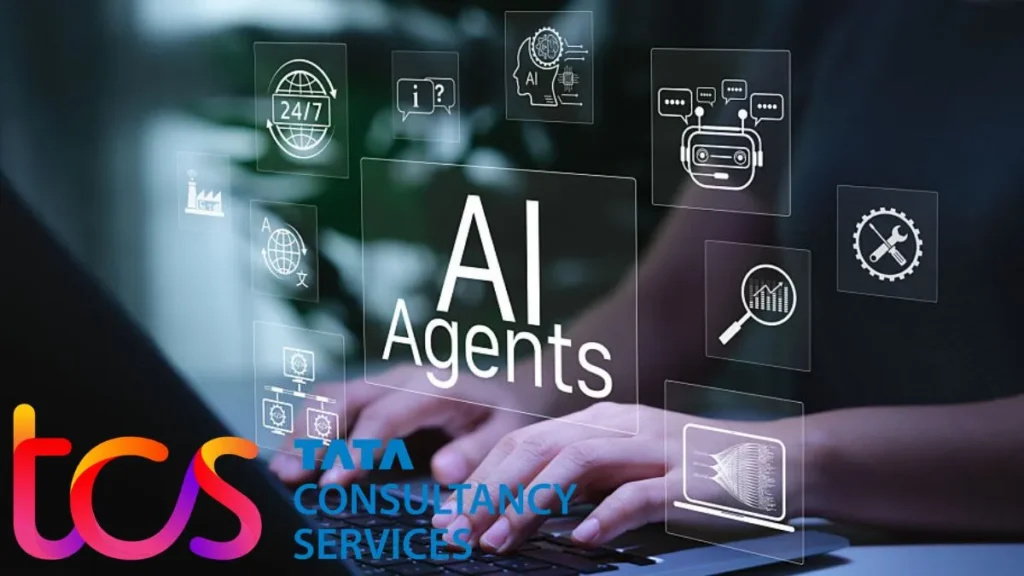
TCS Expects AI Agents to Match Human Workforce Within Three Years, Says N Chandrasekaran

Tata Consultancy Services (TCS) is poised to witness a major shift in its workforce structure, with Tata Sons Chairman N. Chandrasekaran predicting that the company will have as many AI agents as human employees within the next three years. Addressing shareholders at TCS’ 31st Annual General Meeting, Chandrasekaran said the company is rapidly expanding the deployment of AI agents across internal operations, customer solutions, and business processes as part of its long-term artificial intelligence strategy. He emphasized that AI is becoming a critical growth engine for the company and is transforming the way enterprises operate. According to Chandrasekaran, TCS has recorded strong momentum in its AI business, with AI-related revenues growing at a compound quarterly rate of over 22 percent during the past four quarters. The company’s annualised AI revenue reached USD 2.5 billion in the final quarter of FY26, reflecting increasing demand for AI-driven solutions. Rejecting concerns that artificial intelligence could threaten the IT services industry, he described AI as one of the most significant opportunities for enterprise technology. He highlighted five major growth areas emerging from AI adoption: modernization of legacy systems, AI-powered redesign of business processes, governance and management of AI agents, sovereign AI initiatives, and the rise of physical AI applications in industrial environments. Chandrasekaran noted that TCS has already launched sovereign AI projects in India and Europe, while also deploying AI-powered robotics solutions for global clients. He added that growing enterprise investments in AI are expected to drive technology spending worldwide over the next two years. Despite rapid technological change, TCS continues to maintain strong business performance. The company reported consolidated revenue of Rs 2.67 lakh crore in FY26, marking a 4.6 percent year-on-year increase, while net profit rose 8.8 percent to Rs 52,820 crore. TCS also secured contracts worth more than USD 40.7 billion during the fiscal year. He concluded that in the evolving AI landscape, trust, context, and deep client relationships will remain the most valuable differentiators for technology companies. Source: ANI

TCS Expects AI Agents to Match Human Workforce Within Three Years, Says N Chandrasekaran Read More »

Tata Sons Chairman Urges Air India Staff to Tighten Costs and Elevate Service Standards

In a candid address to employees, Natarajan Chandrasekaran, Chairman of Tata Sons, called on the workforce of Air India to prioritise cost efficiency, enhance service quality, and remain grounded amid ongoing industry challenges. Speaking at a town hall held at the airline’s headquarters in Gurugram, Chandrasekaran acknowledged that while Air India has built a strong foundation for future growth, the aviation sector is currently navigating a difficult phase. He emphasised that despite a promising outlook, the present situation demands disciplined execution and a sharp focus on controllable factors. Reaffirming the group’s unwavering support, he stated that the Air India Board remains fully committed to the airline and will continue to collaborate closely with its leadership team. He urged employees to concentrate on improving operational efficiency, managing costs with precision, and maintaining a realistic perspective on the challenges ahead. The address comes shortly after the resignation of Campbell Wilson, who stepped down on April 7, well before completing his five-year term that was scheduled to run until July next year. His exit has added to the transitional phase the airline is currently undergoing. Despite these developments, Chandrasekaran praised Air India employees for their resilience, noting that they have demonstrated remarkable tenacity in navigating a “perfect storm” of challenges. He encouraged the team to continue with the same determination as the airline works towards stabilisation and long-term growth. Source: PTI

Tata Sons Chairman Urges Air India Staff to Tighten Costs and Elevate Service Standards Read More »

TCS to Lay Off Over 12,000 Employees Amid AI Disruption and Economic Pressures

Ardorcomm news

In a landmark decision, Tata Consultancy Services (TCS), India’s largest IT services provider and the crown jewel of the Tata Group, is set to let go of 12,261 employees — nearly 2% of its global workforce — making it the biggest layoff in the company’s history. The move comes as TCS navigates a rapidly evolving technology landscape marked by AI-driven disruption, weakening demand, and global economic headwinds. The company, which had a workforce of over 610,000 as of June, is restructuring to align with new business realities. Historically, workforce reduction at TCS has been modest — for instance, in FY15, the firm cut about 3,000 jobs, roughly 1% of its employee base. This latest wave of layoffs will largely impact mid- to senior-level professionals, particularly those who cannot be transitioned into new roles within the organization. The restructuring signals a major pivot for TCS, as it intensifies its focus on automation and AI to remain competitive in an increasingly margin-sensitive market. “This transformation is about preparing TCS for the future,” CEO K Krithivasan noted in an internal communication. “While such changes are essential for our continued growth, we recognize the challenges it brings to our colleagues. We deeply appreciate their contributions and will support them through this transition.” Analysts say the decision reflects a broader industry trend. Phil Fersht, CEO of HfS Research, highlighted that AI is significantly disrupting the traditional, manpower-heavy IT services model. Clients are also pushing for steep cost reductions — sometimes as much as 20-30% — compelling firms like TCS to reevaluate their cost structures. The trend isn’t isolated to TCS. Other Tata Group companies such as Tata Motors and Tata Steel have also undertaken job cuts in recent years to streamline operations and boost profitability. In 2019, Tata Steel cut 3,000 positions in its European business. This move by TCS underscores the shifting priorities within the IT industry, where future-readiness increasingly hinges on agility, automation, and leaner operations. Source: Economic Times

TCS to Lay Off Over 12,000 Employees Amid AI Disruption and Economic Pressures Read More »