

ArdorComm Media Group

Friday, February 27, 2026 5:55 PM

Public Health

Ayushman Bharat Transforms Rural Healthcare in Bihar, Saves Over ₹1,000 Crore in Just One Year

Ardorcomm news

Bihar is undergoing a healthcare transformation, with the Ayushman Bharat Pradhan Mantri Jan Arogya Yojana (AB PM-JAY) playing a central role in improving the well-being of millions, especially in rural communities. In a landmark achievement, the state has enabled its citizens to save over ₹1,000 crore in out-of-pocket medical expenses within a year—highlighting the scheme’s profound impact. Access to affordable, quality healthcare is rapidly becoming a reality for Bihar’s rural population. Through the dedicated efforts of the State Health Agency (SHA), the state has achieved universal coverage for all eligible families under the AB PM-JAY umbrella. This milestone ensures that no entitled household is left without the financial protection and healthcare support promised under India’s flagship public health insurance programme. Enhancing the reach of healthcare services further, the state government has integrated the Mukhyamantri Jan Arogya Yojana—a complementary state-level initiative. This integration not only broadens the scope of beneficiaries but also reinforces the healthcare infrastructure to provide better, free-of-cost medical services. Today, Bihar boasts a network of over 1,100 empanelled hospitals under the scheme, with private institutions making up half of this total. This public-private synergy has dramatically improved access, reduced patient wait times, and brought quality medical treatment within reach of even the most remote populations. To ensure smooth and transparent implementation, the SHA has rolled out several strategic measures—ranging from real-time digital monitoring and regular audits to grassroots awareness campaigns and grievance redressal systems. These initiatives aim to eliminate corruption and ensure the benefits reach those who need them the most. Officials assert that the scheme is not only improving health outcomes but also mitigating rural hardship, reducing debt from medical expenses, and empowering families with economic and social stability. As Bihar emerges as a model for effective public healthcare delivery, the Ayushman Bharat PM-JAY stands as a testament to what focused governance and inclusive policies can achieve—redefining rural healthcare in India. Source: ANI  

Ayushman Bharat Transforms Rural Healthcare in Bihar, Saves Over ₹1,000 Crore in Just One Year Read More »

India Sees Uptick in COVID-19 Cases: Active Infections Near 4,000, Deaths Reported Across Key States

Ardorcomm news

India is witnessing a steady rise in COVID-19 infections, with active cases reaching 3,961 as of Monday, June 2—a jump of 566 cases from the previous day, according to data from the Ministry of Health and Family Welfare (MoHFW). The recent surge is driven primarily by states like Kerala, Maharashtra, and Delhi, which are reporting the highest case numbers. Since the start of the year, the country has registered 32 COVID-related deaths, including four in the last 24 hours. One fatality each was reported from Delhi, Kerala, Maharashtra, and Tamil Nadu. The deceased include a 22-year-old woman from Delhi with a history of post-tuberculosis complications and a 44-year-old man from Maharashtra suffering from acute respiratory distress and aortic valve problems. While Kerala confirmed another death, specific details are awaited. Delhi Records Steepest Daily Spike; Tamil Nadu, Karnataka Also Report Fatalities Delhi saw the most significant daily rise in active infections among major states, adding 47 new cases and logging one death. Tamil Nadu, with 189 active cases, reported the passing of a 25-year-old man with underlying bronchial asthma and acute kidney complications. Karnataka, currently reporting 253 active cases, recorded a fresh fatality, while Uttar Pradesh reported two deaths and has 157 active cases. In total, 16 states and Union Territories have recorded COVID-related deaths in 2025. However, the majority of cases remain mild, with limited hospital admissions. Kerala Leads in Caseload; Maharashtra, West Bengal Also on High Alert Kerala continues to report the highest number of active COVID-19 cases at 1,435, rising from 1,336 the previous day. Maharashtra follows with 506 active cases, and Delhi with 483. West Bengal has also seen a surge, reporting 331 active infections. Other notable figures include: Gujarat: 338 Karnataka: 253 Tamil Nadu: 189 Uttar Pradesh: 157 Rajasthan: 69 States like Madhya Pradesh (23), Haryana (28), and Odisha (12) have recorded smaller increases. In the last 24 hours, 203 patients have recovered, pushing the total number of recoveries and migrations this year to 2,188. Authorities Urge Caution, Not Panic Health experts and officials maintain that the situation is under control, emphasizing that most new cases are mild and manageable at home. Dr. Rajiv Behl, Director General of the Indian Council of Medical Research (ICMR), reassured the public that while increased vigilance is necessary, there’s no immediate cause for alarm. The rise in cases coincides with the detection of new Omicron sub-variants—LF.7, XFG, JN.1, and NB.1.8.1—identified in genome sequencing studies from western and southern India. These have been classified by the World Health Organization as “Variants Under Monitoring,” indicating they don’t currently pose a significant global threat. Preparedness Measures in Place as Precaution In response, state health departments—particularly in Delhi, Maharashtra, and Kerala—are ramping up hospital readiness and reviewing medical supply logistics. Citizens, especially vulnerable groups such as the elderly and those with pre-existing health issues, are being encouraged to wear masks in crowded or poorly ventilated settings. Experts stress that while the virus is spreading faster due to more contagious but less severe sub-variants, preventive strategies such as timely testing, vaccination, and community awareness remain key to containing its impact. Though the overall caseload is still far lower than during peak waves, the recent tenfold increase over two weeks underscores the need for continued monitoring, public cooperation, and proactive measures to avoid another significant outbreak. Source: Economic Times Photo Credit: iStock   

India Sees Uptick in COVID-19 Cases: Active Infections Near 4,000, Deaths Reported Across Key States Read More »

Highly Contagious COVID-19 Variant NB.1.8.1 Spreads from China to the US

Ardorcomm news

A newly emerging COVID-19 variant, NB.1.8.1 — known for its high transmissibility and recent surge in China — has now been identified in the United States, including cases in New York City, according to the Centers for Disease Control and Prevention (CDC). The variant was first detected among international travelers entering the U.S. between late March and early April through airports in California, Washington State, Virginia, and New York. Since then, additional infections have been reported in Ohio, Rhode Island, and Hawaii. Although the U.S. case count remains relatively small, public health experts are monitoring the situation closely due to the variant’s rapid spread across Asia, where it has become the leading strain. In Hong Kong, the NB.1.8.1 variant has led to a significant rise in hospital admissions and emergency visits, particularly affecting senior citizens. Reports indicate that within a span of four weeks, the city recorded 81 severe cases and 30 fatalities, primarily among individuals aged 65 and older. Mainland China has also seen a steep increase in COVID-positive patients in emergency departments, along with a spike in hospitalizations. However, Chinese health authorities maintain that the variant does not pose a greater threat than earlier strains. U.S. experts are taking a more cautious stance. Dr. Amy Edwards of Case Western Reserve University noted that while NB.1.8.1 may not result in more severe illness, its rapid transmission is concerning. “There’s a clear increase in hospital activity in places like China and Hong Kong,” she told CBS News. CDC data shows that those carrying the variant had traveled from countries including China, Japan, South Korea, Vietnam, Thailand, France, Spain, and Taiwan — suggesting broader international transmission. NB.1.8.1 presents symptoms similar to prior variants — including fatigue, fever, sore throat, and coughing — but scientists believe it has a “growth advantage,” potentially allowing it to spread more efficiently. Dr. Subhash Verma from the University of Nevada highlighted this increased transmissibility as a cause for concern. In Hong Kong, Dr. Edwin Tsui of the Centre for Health Protection urged vigilance, warning that the variant might be more adept at bypassing existing vaccine defenses. Health officials there are tracking the variant’s evolution in line with World Health Organization (WHO) guidance. The emergence of NB.1.8.1 coincides with changes to U.S. COVID-19 vaccine policy. The CDC recently updated its guidelines, advising against routine vaccination for healthy children and pregnant women. Future booster shots will primarily target high-risk populations, such as the elderly and immunocompromised individuals. Source: NDTV Photo Credit: Reuters

Highly Contagious COVID-19 Variant NB.1.8.1 Spreads from China to the US Read More »

New COVID-19 Subvariants NB.1.8.1 and LF.7 Detected in India: INSACOG Report

India has recorded the presence of two newly emerging COVID-19 subvariants—NB.1.8.1 and LF.7—according to recent data released by the Indian SARS-CoV-2 Genomics Consortium (INSACOG). While these variants are currently categorized as Variants Under Monitoring by the World Health Organization (WHO), they have been linked to the recent surge in COVID-19 cases across China and parts of Asia. As per the INSACOG data, a single case of NB.1.8.1 was identified in Tamil Nadu in April, while four cases of LF.7 were reported from Gujarat in May 2025. Despite these new detections, the dominant strain circulating in India remains JN.1, accounting for approximately 53% of the tested samples. It is followed by BA.2 (26%) and other Omicron-related variants (20%). Preliminary assessments by WHO suggest that NB.1.8.1 poses a low global public health risk, but the subvariant carries spike protein mutations—A435S, V445H, and T478I—that may enhance both transmissibility and the ability to evade immune responses. As of May 19, India reported 257 active COVID-19 cases. A high-level review meeting was recently convened, chaired by the Director General of Health Services, with participation from the ICMR, National Centre for Disease Control, and other leading health agencies to monitor the evolving situation. Meanwhile, certain states have shown localized spikes. Delhi reported 23 new cases, Andhra Pradesh had four, Telangana confirmed one, and Bengaluru recorded a positive case in a nine-month-old infant, reflecting a steady rise over the last 20 days. Kerala, in particular, reported 273 cases in May alone. Source: PTI

New COVID-19 Subvariants NB.1.8.1 and LF.7 Detected in India: INSACOG Report Read More »

India Joins Global Pandemic Treaty; PM Emphasizes Role of Global South in World Health

In a landmark step towards bolstering global health security and future pandemic preparedness, India has officially joined other WHO member nations in endorsing the Pandemic Treaty during the 78th World Health Assembly held in Geneva. Addressing the assembly, the Prime Minister highlighted the critical need for inclusive global healthcare, stating, “The future of a healthy world depends on inclusion, and the health of the world depends on how well we care for the most vulnerable, especially in the Global South who are particularly impacted by health challenges.” He also drew attention to India’s domestic strides in public health, mentioning that government health spending has surged while citizens’ out-of-pocket medical costs have declined significantly. He credited this progress to flagship initiatives such as Ayushman Bharat, which extends free healthcare coverage to over 580 million people, and to the proliferation of affordable public pharmacies. “India has established a vast network of Health and Wellness Centres (HWC) that offer screening for major conditions such as cancer, diabetes, and hypertension. India’s digital platform to track vaccination of pregnant women and children is helping to integrate benefits, insurance, records, and information,” the Prime Minister said. The assembly’s primary goal this year was the finalization of the Global Pandemic Treaty, and the Prime Minister commended the efforts of the WHO and all negotiating nations. “India’s initiatives have brought down out-of-pocket expenditure as a percentage of total health expenditure significantly, while government health expenditure has increased considerably,” he added. A WHO statement confirmed the treaty’s adoption during a plenary session of the assembly, which serves as the organization’s highest decision-making body. The treaty was approved by vote in committee, with 124 nations in favor and 11 abstaining. No country formally opposed the agreement. The Pandemic Agreement outlines key principles and strategies to enhance international collaboration in areas like vaccine access, diagnostics, and treatment distribution, all aimed at reinforcing global preparedness and response to health emergencies. However, the agreement was adopted without participation from the United States, a major WHO donor, which had previously halted its funding commitments to the organization earlier this year. Source: Economic Times  

India Joins Global Pandemic Treaty; PM Emphasizes Role of Global South in World Health Read More »

WHO Prepares for Life After U.S. Exit Amid Deep Budget Cuts and Donor Shift

As the World Health Organization (WHO) prepares for its annual assembly in Geneva starting May 19, a significant shift looms over the global health body: how to navigate a future without its top financial backer, the United States. The week-long gathering, typically a forum for setting health priorities and policy, approving vaccines, and coordinating international disease responses, is this year overshadowed by the U.S. decision to leave the organization. In January, President Donald Trump issued an executive order initiating the year-long withdrawal process on his first day back in office. With the U.S. accounting for roughly 18% of the WHO’s funding, officials are now grappling with how to stretch limited resources. “Our goal is to focus on the high-value stuff,” said Daniel Thornton, WHO’s director of coordinated resource mobilisation. While specifics remain under discussion, internal planning documents seen by Reuters suggest the agency will prioritize its emergency response and medicine approval efforts, while scaling back on training programs and potentially closing offices in high-income countries. Key health guidance on vaccines and diseases such as HIV and obesity is expected to continue. A Western diplomat, speaking anonymously, acknowledged the challenge ahead: “We’ve got to make do with what we have.” WHO staff have already begun budget and personnel cuts in anticipation of the funding shortfall. Though the U.S. remains a member until January 21, 2026, under the legally mandated transition period, signs of a policy reversal are slim. President Trump initially left the door open to rejoining if the organization “clean it up,” but health envoys say no concrete steps have followed. In the meantime, WHO faces an immediate budget gap of $600 million this year, with deeper cuts—up to 21%—expected over the next two years. As the U.S. steps back, China is poised to become the largest contributor of assessed contributions—one of WHO’s key funding streams. China’s share will rise from over 15% to 20% following a 2022 funding restructure. “We have to adapt ourselves to multilateral organisations without the Americans. Life goes on,” said Chen Xu, China’s ambassador to Geneva. The evolving donor landscape has prompted calls for deeper reform. Anil Soni, CEO of the WHO Foundation, questioned whether the organization still needs its vast array of committees or to publish thousands of documents each year. He added that the transition was forcing a reassessment of operations, including whether WHO should handle routine logistics like fuel purchases during crises. Soni emphasized the urgency of sustaining vital programs amid the funding squeeze, noting that the agency is increasingly turning to philanthropies and the private sector for targeted support. The ELMA Foundation, for instance, recently contributed $2 million to support the Global Measles and Rubella Laboratory Network, which includes over 700 labs monitoring infectious disease threats. Alongside pandemic preparedness agreements and an investment round to court new donors, funding will remain the central concern at the Geneva meeting. A WHO manager’s recent request for staff to volunteer as ushers—without extra pay—reflects the broader austerity mindset taking hold. Source: Reuters Photo Credit: Reuters

WHO Prepares for Life After U.S. Exit Amid Deep Budget Cuts and Donor Shift Read More »

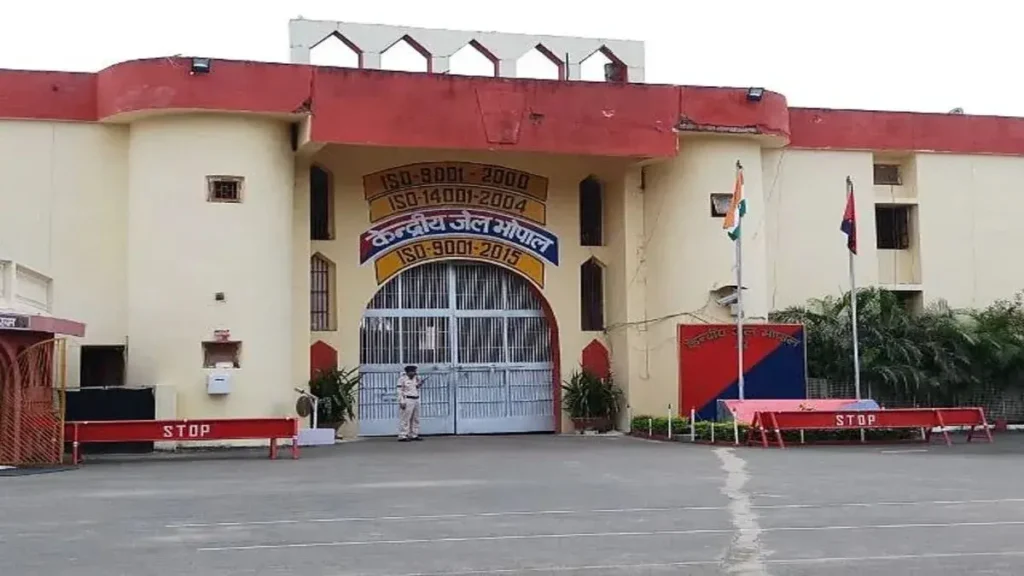
Bhopal Central Jail Inmates Receive Comprehensive Medical Care at Special Health Camp

In a significant initiative aimed at ensuring healthcare access behind bars, more than 900 inmates and staff at Bhopal Central Jail availed medical services during a day-long health camp organised by the Bhopal district health department in collaboration with the District Legal Services Authority (DLSA). The camp saw a turnout of 922 individuals, including inmates and jail personnel, benefiting from consultations and treatments across multiple specialities. Medical experts provided 196 consultations in general medicine, 86 in dermatology, 44 in dentistry, 165 in ophthalmology, 69 in ENT, 128 in orthopaedics, 15 in gynaecology, and 42 in mental health services. Specialised consultations were also offered in neurology, oncology, respiratory medicine, gastroenterology, and more. Routine screenings for hypertension and diabetes were conducted to identify lifestyle-related health concerns. The camp also focused on communicable disease management and preventive care education, with medical teams actively informing attendees about government healthcare schemes and services. Dr. Prabhakar Tiwari, Chief Medical and Health Officer of Bhopal, highlighted the joint effort and underlined the need for inclusive healthcare. “The camp was organised for the well-being of inmates and jail staff, ensuring no one is left behind in accessing quality medical attention,” he said. “Health issues identified during the camp, such as high blood pressure and diabetes, are the same as those prevalent in the general population. There was no significant difference in health concerns,” he told TOI. This initiative not only provided essential care but also helped promote health awareness within the prison system, reinforcing the importance of equity in public health services. Authorities affirmed that such camps would continue to be held regularly to maintain the physical and mental well-being of inmates and staff alike. Source: TOI

Bhopal Central Jail Inmates Receive Comprehensive Medical Care at Special Health Camp Read More »

Dengue Cases Rise in Karnataka Ahead of Monsoon, Over 1,100 Infections Reported

Dengue infections are rising steadily across Karnataka even before the onset of the monsoon, with 1,186 cases reported between January and April 30, 2025. Health officials are particularly concerned that over 50 of these cases are in infants under one year of age, while 553 infections are among children below 18. Early summer showers, stagnant water, and construction activity have led to increased mosquito breeding, with Bengaluru alone accounting for 513 cases—43% of the state’s total. The number of infections spiked significantly in April, rising from 707 cases in early March to 1,186 by the end of April. Though this year’s numbers are lower compared to the same period last year, the memory of 2024—when Karnataka recorded 32,826 dengue cases, the highest in India—has health officials on alert. The state had also reported 20 dengue-related deaths in 2024, trailing only Kerala (99 deaths) and Maharashtra (26 deaths). State Joint Director of the Integrated Disease Surveillance Programme, Dr Ansar Ahmed, confirmed that all six hospitalised cases so far this year were from Bengaluru. He urged the public to prevent water stagnation and remain vigilant, as monsoon conditions favour the spread of mosquito-borne, waterborne, and airborne diseases. Dr Haleema Yezdani, a Bengaluru-based physician, warned that water stagnation after rains becomes a prime breeding ground for mosquitoes. She emphasized early detection, noting that dengue symptoms—high fever, severe headache, fatigue, nausea, and rash—should not be ignored. In response to last year’s outbreak, Karnataka declared dengue a notifiable epidemic disease and imposed a price cap on diagnostic tests. The Health Department also reserved beds in government hospitals and launched a toll-free helpline. With more rains forecast, health authorities are stepping up awareness and surveillance efforts to prevent another outbreak. Source: Hindu  

Dengue Cases Rise in Karnataka Ahead of Monsoon, Over 1,100 Infections Reported Read More »

India Plans Major HPV Vaccine Push with Frontline Training and Awareness Drive

The Union Health Ministry is set to launch comprehensive capacity-building initiatives for frontline workers involved in administering the Human Papillomavirus (HPV) vaccine, as part of its ongoing efforts to prevent cervical cancer among young girls. This follows Union Finance Minister Nirmala Sitharaman’s announcement in the 2024 interim budget encouraging HPV vaccination for girls aged 9–14. Sources indicate that multiple meetings have been held by the ministry to devise a detailed strategy for the rollout. “Capacity building for frontline health workers, along with sensitization through IEC (Information, Education, and Communication) activities, is being planned for smooth implementation of the HPV vaccination program,” a senior official confirmed. The National Technical Advisory Group on Immunisation (NTAGI) had recommended the inclusion of the HPV vaccine in India’s Universal Immunisation Programme in June 2022. Currently, India has access to vaccines from MSD Pharmaceuticals and Serum Institute of India. MSD’s Gardasil 4 and Serum Institute’s Cervavac target four HPV sub-types: 6, 11, 16, and 18. Gardasil 9 — India’s first gender-neutral HPV vaccine — offers protection against nine HPV sub-types and is available for girls (9–26 years) and boys (9–15 years). The vaccines provide protection against cervical, vulvar, vaginal, and anal cancers, as well as genital warts in both males and females. Sub-types 16 and 18 are the leading causes of cervical cancer, officials noted. The World Health Organization (WHO) recommends a single-dose vaccine for optimal protection. India, home to 16% of the world’s women, accounts for nearly 25% of global cervical cancer cases and 33% of related deaths. Each year, around 80,000 Indian women are diagnosed with cervical cancer, and approximately 35,000 succumb to the disease. Source: Business Standard

India Plans Major HPV Vaccine Push with Frontline Training and Awareness Drive Read More »

CDC Retracts $11.4B in Covid Funds, Sparking Concerns Among Health Departments

The Centers for Disease Control and Prevention (CDC) is withdrawing $11.4 billion in Covid-related funding from state and community health departments, NGOs, and international recipients, the Department of Health and Human Services (HHS) confirmed Tuesday. HHS Communications Director Andrew Nixon stated, “The COVID-19 pandemic is over, and HHS will no longer waste billions of taxpayer dollars responding to a non-existent pandemic. We are shifting focus to tackling chronic diseases and making America healthy again.” The funding retraction notices were sent Monday, giving recipients 30 days to reconcile expenditures. The affected grants primarily covered: Covid testing & vaccination Community health workers Health disparity initiatives for minority & rural populations Global Covid projects Wider Impact on Public Health While the federal public health emergency ended in May 2023, concerns remain over long Covid and ongoing infections, with hundreds of deaths still reported weekly. Health officials fear the cuts may undermine broader public health efforts. Kristina Iodice, spokesperson for Colorado’s Department of Public Health, warned the loss of funding could hamper outbreak response, disease tracking, and immunization efforts. Several state health departments confirmed receipt of the withdrawal notice, including Mississippi, Utah, and nine others. Officials in Texas and Florida were hit hardest, with $877 million and $482 million in grants canceled, respectively. HHS Budget Cuts Under New Leadership Under HHS Secretary Robert F. Kennedy Jr., the department has also canceled funding for: Vaccine hesitancy research LGBTQ+ health initiatives HIV prevention programs The CDC reviewed its Covid-related grants and determined which were no longer necessary, though a full list of rescinded projects has not been made public. As federal health funding undergoes a major shift, state agencies are now scrambling to assess the long-term effects of these sudden budget cuts. Source: NBC

CDC Retracts $11.4B in Covid Funds, Sparking Concerns Among Health Departments Read More »