

ArdorComm Media Group

Friday, February 27, 2026 7:50 PM

Public Health

Sangam City Sees Major Healthcare Boost with New Hospitals and Facilities

Over the past eight years, the state government has made significant strides in strengthening healthcare infrastructure in Sangam City. With the expansion of both state and central health schemes, residents now have access to improved medical facilities and treatments. Dr. Vatsala Mishra, Principal of Motilal Nehru (MLN) Medical College, highlighted several key developments, including a 160-bed PMSSY Super Specialty Block at Swaroop Rani Nehru Hospital, built at a cost of ₹160 crore, benefiting patients from Prayagraj and nearby districts. Additionally, a ₹25 crore, 250-bed advanced children’s hospital is set to become operational by August. Healthcare advancements were further supported by a ₹75 crore budget from Maha Kumbh, enabling new constructions and equipment purchases. A new OPD facility was built at Swaroop Rani Nehru Hospital, while a ₹9 crore Central Diagnostic Center now offers all tests in one place. A ₹36 crore L1 Trauma Center project was also approved, with ₹16 crore allocated for modern medical equipment. Furthermore, a ₹7 crore Green Corridor was created to facilitate safe patient transfers between hospital blocks. These developments have significantly increased outpatient department (OPD) visits, now ranging between 3,000 to 4,000 per day. Beyond urban centers, healthcare services have expanded into rural areas. Three new Community Health Centers (CHCs) were established, along with a 100-bed hospital in Bhagwatpur. The district now operates 551 Ayushman Arogya Mandirs, offering primary healthcare and telemedicine consultations. Additionally, 12 Health ATMs have been installed for convenient medical testing. Under the Ayushman Bharat Pradhan Mantri Jan Arogya Yojana, 13.64 lakh golden cards have been issued, ensuring financial coverage for medical expenses. These advancements mark a transformative era in healthcare accessibility and quality in Sangam City. Source: TOI

Sangam City Sees Major Healthcare Boost with New Hospitals and Facilities Read More »

Maharashtra Cuts Health Budget by 6.03%, Raising Concerns Among Experts

Maharashtra’s budget estimates for the health sector have dropped by 6.03% for the upcoming financial year, sparking concerns about the potential impact on healthcare services. The state has allocated ₹27,164.91 crore for 2024-25, down from the revised estimate of ₹28,906.92 crore in the previous year. Despite the reduction, key flagship announcements include: Primary healthcare services promised within a five-km radius of every home. Time-bound distribution of Ayushman Bharat-Pradhan Mantri Jan Arogya Yojana identity cards. Expansion of hospitals under Mahatma Phule Jan Arogya Yojana (MPJAY) as per demand. However, the MPJAY budget remains stagnant at ₹650 crore for both 2024-25 and 2025-26, despite revised estimates reaching ₹1,687 crore in the previous financial year. Key Budget Cuts & Concerns: Public Health Department: Urban health services saw a sharp decline, with hospitals and dispensaries’ budgets reduced from ₹6,098 crore to ₹4,709 crore. National Health Mission (NHM): Budget slashed from ₹3,805 crore to ₹2,860 crore. Medical Education: Allocation fell from ₹9,667 crore to ₹9,057 crore. HBT Clinics: Funding cut from ₹196.79 crore to ₹100 crore. Health economist Dr. Ravi Duggal criticized the budget, stating that it signals a lack of expansion in public healthcare and fails to address critical needs like medicine supply improvements. He warned that urban health infrastructure will suffer due to the funding shortfall, while rural health services see only selective increases. Upcoming Healthcare Developments: Finance Minister Ajit Pawar announced plans for: A 200-bed referral hospital in Thane. A 100-bed referral hospital in Ratnagiri. A 200-bed super-specialty hospital in Raigad. A forthcoming state health and senior citizens policy. As Maharashtra moves forward with these initiatives, experts remain concerned that budget constraints could limit healthcare accessibility and service quality, particularly in urban areas. Source: TOI

Maharashtra Cuts Health Budget by 6.03%, Raising Concerns Among Experts Read More »

HIV Cases in Mizoram Surge to 32,287 – Understanding the Crisis

Mizoram is witnessing a concerning surge in HIV cases, with 32,287 individuals testing positive and 5,511 reported deaths as of January 2025. The state now holds the highest HIV prevalence rate in India at 2.73%, far exceeding the national average of 0.2%. State Health Minister Lalrinpuii has urged lawmakers to take immediate action to combat the epidemic. During a meeting of the Mizoram Legislative Forum on AIDS, Mizoram State AIDS Control Society (MSACS) Project Director Dr. Jane R. Ralte provided an update, revealing that 1,769 new cases were detected between April 2024 and January 2025. According to Dr. Ralte, 67% of infections are attributed to unprotected sexual activity, while 30.44% stem from the use of unsterilized syringes. However, a decline in new infections and HIV-related deaths has been observed due to increased testing and adherence to antiretroviral therapy (ART). To support those affected, the state legislators have pledged Rs 50,000 each from their MLA funds for 2024-25, ensuring continuous ART treatment access through MSACS. Additionally, the Health Ministry has introduced HIV self-testing (HIVST) as a discreet, accessible testing method to combat stigma and improve early detection. HIV primarily spreads through unprotected sexual contact, sharing contaminated needles, blood transfusions, and from mother to child during pregnancy or breastfeeding. High-risk groups include individuals with multiple partners, intravenous drug users, sex workers, and healthcare workers exposed to infected blood. With strengthened policies, awareness programs, and self-testing initiatives, Mizoram aims to curb the HIV crisis and ensure better healthcare access for affected individuals. Source: Business Standard

HIV Cases in Mizoram Surge to 32,287 – Understanding the Crisis Read More »

Global Survey Exposes Low Awareness of Shingles Among Older Indians

A global survey conducted by GSK across nine countries has revealed that 56.6% of Indians aged 50 and above are unaware of shingles, despite 90% of them carrying the virus in their bodies. Released during Shingles Awareness Week, the findings underscore a critical gap in awareness about age-related health risks and the need for better public health education. Shingles, caused by the reactivation of the varicella-zoster virus—the same virus responsible for chickenpox—is a painful disease that can lead to severe and long-lasting complications. While the virus remains dormant in most individuals, it can reactivate with age as the immune system weakens. Symptoms often include a painful rash, burning or stabbing pain, and, in some cases, chronic nerve damage known as post-herpetic neuralgia (PHN). Severe cases may also result in vision loss or an increased risk of heart attack and stroke. The survey highlighted that 61% of Indian respondents aged 50 and above reported having chronic conditions such as diabetes, cardiovascular disease, chronic obstructive pulmonary disease (COPD), asthma, or chronic kidney disease. However, only 49.8% expressed significant concern about developing shingles. Globally, awareness levels were even lower, with only 13% of those with chronic illnesses viewing shingles as a major health concern. Commenting on the findings, Shalini Menon, Medical Director at GSK India, stated, “The survey results highlight a concerning gap in awareness, which underscores the importance of educating individuals about age-related health risks. Proactive health management, including regular screenings, healthy lifestyle choices, and discussions with healthcare providers about vaccination, can significantly improve health outcomes for older adults.” Despite the lack of awareness, the survey also revealed a positive perception of ageing among Indian respondents. Over 55.7% reported feeling younger than their actual age, with 24% stating they feel at least a decade younger. However, only 25% of Indian respondents actively take steps to prevent age-related diseases, emphasizing the need for greater education and proactive health measures. Shingles Awareness Week, organized in collaboration with the International Federation on Ageing (IFA), aims to promote informed discussions between older adults and healthcare professionals. The initiative encourages individuals to recognize the risks associated with ageing and take preventive steps to safeguard their health. The global survey, conducted by Ipsos on behalf of GSK, gathered responses from 8,400 adults aged 50–60 across Brazil, China, Germany, India, Ireland, Italy, Japan, Portugal, and the USA. In India, 500 respondents participated in the study, which explored perceptions of ageing, awareness of age-related diseases, and the impact of declining immune function on health. Shingles typically presents as a rash with painful blisters across the chest, abdomen, or face. The pain, often described as aching or shock-like, can persist for weeks or even months. The most common complication, post-herpetic neuralgia (PHN), affects 5–30% of shingles cases and can lead to chronic nerve pain. In rare cases, shingles can cause vision impairment or severe cardiovascular complications. Source: Business Standard

Global Survey Exposes Low Awareness of Shingles Among Older Indians Read More »

UNICEF and WHO Launch Mass Polio Vaccination Campaign in Gaza

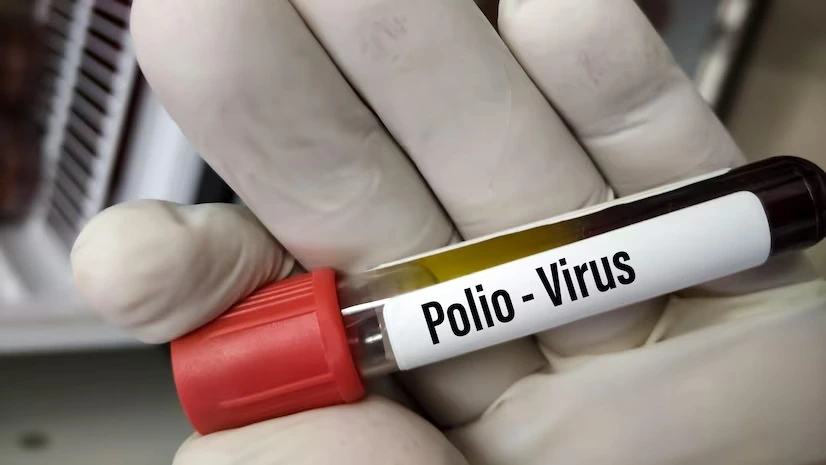
The World Health Organization (WHO) and UNICEF have announced a mass polio vaccination campaign in the Gaza Strip, set to take place from February 22 to 26, 2025. This initiative aims to immunize over 591,000 children under the age of 10 against poliovirus using the novel oral polio vaccine type 2 (nOPV2). The urgent response follows the detection of poliovirus in Gaza’s wastewater, indicating ongoing circulation and increased risk for children. WHO and UNICEF warned that overcrowding in shelters, coupled with damaged water and sanitation infrastructure, has created ideal conditions for the virus to spread. Additionally, increased population movement due to the ongoing ceasefire could further exacerbate transmission. “Pockets of individuals with low or no immunity provide the virus an opportunity to continue spreading and potentially cause disease,” the joint statement read. The upcoming campaign seeks to close immunity gaps and prevent further infections. An additional vaccination round is scheduled for April to ensure comprehensive coverage. The initiative will be spearheaded by the Palestinian Ministry of Health, with support from WHO, UNICEF, the United Nations Relief and Works Agency for Palestine Refugees (UNRWA), and other partners. Efforts will focus on reaching all eligible children, including those previously missed, to halt the outbreak and protect public health. With the combination of medical intervention and coordinated global support, health officials hope to contain the outbreak and safeguard children from the debilitating effects of polio. Source: Business Standard

UNICEF and WHO Launch Mass Polio Vaccination Campaign in Gaza Read More »

WHO Recommends Potassium-Enriched Salt Substitutes for Better Heart Health

The World Health Organization (WHO) has recommended replacing regular table salt with potassium-enriched, lower-sodium salt substitutes to combat hypertension and cardiovascular diseases. The George Institute for Global Health India has strongly endorsed this initiative, emphasizing its potential to save lives, particularly in countries like India, where high sodium intake and low potassium consumption contribute to widespread health issues. A study conducted by The George Institute for Global Health India, in collaboration with PGIMER Chandigarh, highlights the urgent need for dietary changes in India. It found that salt consumption is significantly above recommended levels, while potassium intake remains insufficient, fueling hypertension, cardiovascular disease, and chronic kidney disease. This research is part of a larger effort to understand how India’s dietary habits are linked to non-communicable diseases (NCDs). Prof. Vivekanand Jha, Executive Director of The George Institute for Global Health India, stated, “To tackle hypertension and heart and kidney disease, especially in rural areas, we must make low-sodium, potassium-enriched salts affordable and accessible. By working with policymakers and the food industry, and educating the public with clear labeling and subsidies, we can save lives and promote a healthier future.” He also emphasized the importance of ensuring the safety and efficacy of salt substitutes, particularly for people with kidney disease. The Salt Substitute in India Study (SSiIS) examined the impact of reduced-sodium, potassium-enriched salt substitutes on blood pressure in rural hypertensive patients. Initial data from the study showed excessive sodium intake, with urinary salt excretion levels at 10.4 g/day—more than double the WHO’s recommended intake. The study found that using salt substitutes was an effective and cost-efficient method to manage hypertension, particularly in high-risk populations. The study, led by Sudhir Raj Thout, Research Fellow at The George Institute for Global Health India, involved 502 hypertensive participants from rural India. Results showed that participants using the reduced-sodium, potassium-enriched salt substitutes for three months experienced notable reductions in both systolic (4.6 mmHg) and diastolic (1.1 mmHg) blood pressure. Additionally, urinary potassium levels and the sodium-to-potassium ratio improved. Participants also found the taste of the substitutes acceptable. Sudhir Raj Thout added, “The WHO’s guidance on lower-sodium salt substitutes is crucial for India, as it offers a simple and affordable solution to lower blood pressure and reduce cardiovascular risks amid the current high levels of sodium intake.” Global and Indian research supports the benefits of potassium-enriched salt substitutes in reducing blood pressure without compromising taste. These substitutes offer a cost-effective and accessible intervention, though individuals with advanced kidney disease should avoid them. The George Institute for Global Health India continues to advocate for potassium-enriched salts, collaborating with policymakers, healthcare providers, and the food industry to promote healthier dietary habits. Source: Express healthcare Photo Credit: Express healthcare

WHO Recommends Potassium-Enriched Salt Substitutes for Better Heart Health Read More »

Gurugram Health Department Launches Pollution Awareness Drive

The Gurugram health department has launched an awareness campaign to help residents safeguard against pollution-induced health risks as the city’s Air Quality Index (AQI) improved slightly to a “very poor” reading of 374 on Wednesday, down from Tuesday’s “severe” 402 and Monday’s alarming 469, according to the Central Pollution Control Board (CPCB). Residents are being urged to monitor air quality daily through mobile applications and take precautions, such as using masks, air purifiers, and humidifiers. Officials recommend limiting outdoor activities during peak pollution hours and switching to cleaner cooking fuels, reducing diesel generator usage, and relying more on public transport to minimize emissions. Chief Medical Officer Dr. Virender Yadav emphasized, “Our aim is to empower people with the right knowledge to protect themselves during these critical times.” Manish Rathee, Medical Superintendent of Civil Hospital, Sector 10, highlighted their focus on outreach in underserved areas to ensure awareness reaches vulnerable groups. Doctors are also stressing the importance of early detection of symptoms like coughing, wheezing, and chest discomfort, urging immediate medical attention to prevent severe respiratory or cardiovascular complications. For children and the elderly, who are most vulnerable, parents and caregivers are advised to restrict outdoor activities during high pollution hours, ensure adequate hydration, and maintain clean indoor air. “Simple measures such as drinking more water and avoiding strenuous outdoor activities can make a significant difference,” said Dr. Kajal Kumud from Civil Hospital, Sector 10. The campaign underscores the importance of community action and individual responsibility to mitigate health risks during Gurugram’s ongoing pollution crisis. Source: Hindustan Times Photo Credit: Hindustan Times

Gurugram Health Department Launches Pollution Awareness Drive Read More »

Afghanistan Sees Surge in Measles Cases in 2024, Plans Nationwide Vaccination Campaign

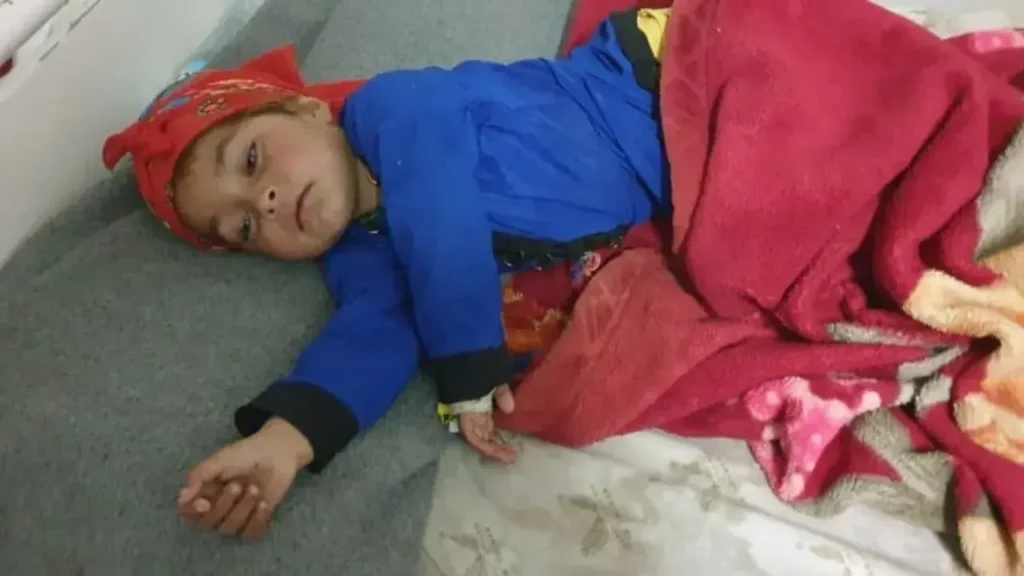
Afghanistan is witnessing a significant spike in measles cases this year, with the Ministry of Public Health reporting nearly 6,000 positive cases out of 10,000 suspected cases in 2024. Ministry spokesperson Sharafat Zaman Amarkhil confirmed this rise in infections compared to the previous year, as reported by local media TOLO News. In response to the outbreak, the ministry is set to launch a nationwide measles vaccination campaign to curb the spread of this highly infectious disease, which is caused by a virus and spreads through respiratory droplets when infected individuals cough, sneeze, or breathe. With measles’ ability to infect nine out of 10 unvaccinated individuals in close contact, officials are emphasizing vaccination as the most effective measure to prevent outbreaks. The ministry’s efforts underscore the critical need for immunization amid Afghanistan’s public health challenges. Source: dailyexcelsior Photo Credit: dailyexcelsior

Afghanistan Sees Surge in Measles Cases in 2024, Plans Nationwide Vaccination Campaign Read More »

Union Health Ministry Issues Mpox Guidelines to States, Focuses on Screening and Testing Suspected Cases

Amid rising concerns about the spread of mpox, Union Health Secretary Apurva Chandra has issued new guidelines to all states, emphasizing the need for rigorous screening and testing of suspected cases. The health ministry’s directive comes after a suspected case was reported in Delhi, marking India’s first alert since the disease was classified as a Public Health Emergency of International Concern (PHEIC) by the World Health Organization (WHO). The guidelines focus on four key steps for states to follow: Surveillance Training: States are instructed to train state and district-level surveillance teams on identifying suspected, probable, and confirmed mpox cases. Contact tracing and enhanced surveillance activities are crucial for early detection and containment. Healthcare Worker Training: Healthcare workers in clinics treating skin and sexually transmitted infections, along with those involved in the government’s HIV control program, must be trained on the signs, symptoms, and clinical management of mpox, while strictly adhering to isolation protocols. Screening and Testing: States are urged to carry out screening and testing of suspected cases, particularly among vulnerable groups such as men who have sex with men and sex workers. Testing facilities should be integrated into hospitals and identified HIV control program sites. Clear Communication: Effective communication about the risks of mpox is critical. The guidelines stress informing healthcare workers, hospital areas, and communities about the modes of transmission, symptoms, and the importance of timely reporting without inciting panic. The ministry has also asked states to identify isolation facilities for treating suspected and confirmed mpox cases. With a significant proportion of global cases being reported among people with HIV, state AIDS control societies have been asked to remain vigilant and monitor any emerging cases. The health ministry’s letter highlights the atypical spread of the deadlier Clade Ib of mpox through sexual contact, a shift from traditional transmission methods. The virus is predominantly affecting young men aged 18-44 years and is primarily spread through sexual and non-sexual close contact. Common symptoms include rashes, particularly on the body or genital region, and fever. Although India has reported 30 cases of the older mpox strain since 2022, the risk of sustained transmission within the country remains low, according to experts. The government continues to stress that while the situation requires vigilance, public panic should be avoided, and the focus should remain on prevention, awareness, and timely medical intervention. Source: Indian Express

Union Health Ministry Issues Mpox Guidelines to States, Focuses on Screening and Testing Suspected Cases Read More »

India Records First Suspected Mpox Case; Patient in Isolation After International Travel

India has recorded its first suspected case of mpox, a virus formerly known as monkeypox, in a young male patient who recently traveled from a country experiencing an outbreak. The health ministry announced that the patient is currently isolated in a hospital and is in stable condition, with ongoing measures to manage the case in line with established protocols. “The case is being managed in line with established protocols, and contact tracing is ongoing to identify potential sources and assess the impact within the country,” the health ministry said in a statement. While the specific strain of the virus is yet to be confirmed, tests are underway to identify the type of mpox infection. The mpox clade 1b variant, recently confirmed in Sweden and linked to an outbreak in Africa, has sparked global concern due to its rapid transmission through close contact. India has previously detected 30 cases of the older clade 2 strain between 2022 and March 2024. Mpox, originally identified in monkeys in 1958 and in humans in 1970, is transmitted from infected animals to humans and can spread through close physical contact. While typically mild, the virus can cause flu-like symptoms and pus-filled lesions, and is fatal in rare cases. The World Health Organization (WHO) renamed monkeypox to mpox last year, addressing concerns that the original name was perceived as racist. Recently, the WHO declared the mpox outbreak a public health emergency of international concern following the emergence of the new clade 1b variant. However, the WHO emphasized that mpox is not another COVID-19, despite its spread. Globally, over 17,500 mpox cases and 629 deaths have been reported in the Democratic Republic of the Congo (DRC) this year alone, where both clade 1b and 1a strains are present. The DRC has received its first batch of mpox vaccines to curb the outbreak, which has also spread to countries like Pakistan, the Philippines, and Thailand. India’s health ministry has assured that the country has robust measures in place to handle the situation, with efforts focused on containment and preventing further spread of the virus. Source: Aljazeera

India Records First Suspected Mpox Case; Patient in Isolation After International Travel Read More »