

ArdorComm Media Group

Friday, February 27, 2026 4:05 PM

Public Health

The Interconnection Between Climate Change and Immune Health: A Growing Concern

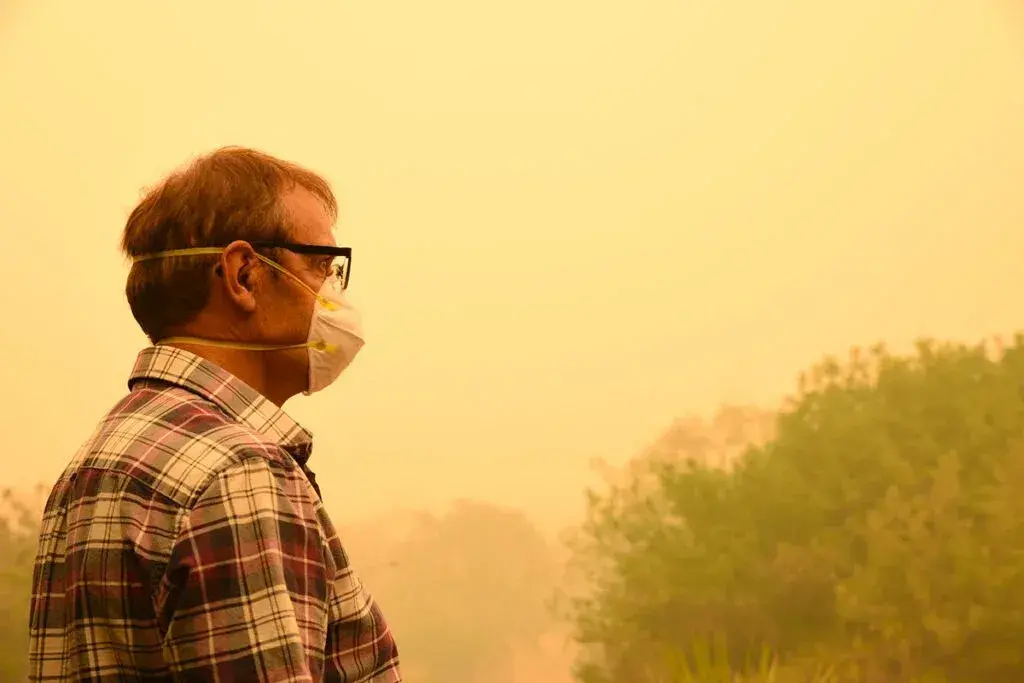
As the global community grapples with the multifaceted challenges of climate change, a concerning trend has emerged: a rise in immune-mediated diseases. From nasal allergies to rheumatoid arthritis to cancer, diseases linked to immune dysregulation are on the ascent, and climate change appears to be a contributing factor. A recent study led by Harvard T.H. Chan School of Public Health sheds light on this critical issue, highlighting the profound implications of climate-driven stressors on human health. The study, published in Frontiers in Science and co-authored by Kari Nadeau, a leading expert in climate and population studies, underscores the intricate interplay between environmental factors and immune health. Climate-driven stressors, such as wildfires, extreme weather events, and changes in agricultural practices, are triggering immune dysregulation, thereby exacerbating the prevalence of immune-mediated diseases. Nadeau’s research elucidates the mechanisms through which climate change impacts immune health. For instance, pollutants from wildfires and heightened pollen levels due to warmer temperatures can compromise the body’s defense mechanisms, leaving individuals more susceptible to infections and allergic reactions. Moreover, disruptions in food production and nutrient depletion resulting from climate-related events contribute to malnutrition, impairing immune system function and exacerbating the risk of disease. Of particular concern is the role of persistent inflammation induced by climate-related stressors in driving immune-mediated diseases, including cancer. As temperatures rise and extreme weather events become more frequent, the prevalence of chronic inflammation poses a significant public health challenge, necessitating urgent action to mitigate its impact. To address the global rise in immune-mediated diseases, Nadeau advocates for a multifaceted approach. This includes implementing policies to curb greenhouse gas emissions, promoting sustainable agricultural practices, and investing in research to better understand the complex interactions between climate change and immune health. Additionally, she underscores the importance of public awareness and education, urging scientists, clinicians, policymakers, and the media to communicate the tangible health consequences of climate change to the general public. The study by Harvard T.H. Chan School of Public Health highlights the pressing need to address the intersection of climate change and immune health. By recognizing the profound impact of environmental factors on human well-being, we can galvanize collective action to safeguard public health in the face of a changing climate. As we strive to build a more resilient and sustainable future, prioritizing the protection of immune health must remain a central tenet of our global health agenda.

The Interconnection Between Climate Change and Immune Health: A Growing Concern Read More »

Delhi Government Warns of Adverse Mental Health Effects Due to Air Pollution, NGT Seeks Action

The Delhi government has alerted the National Green Tribunal (NGT) to the detrimental impact of air pollution on mental health, highlighting feelings of sadness, cognitive difficulties, and decreased resilience among individuals. Responding to NGT’s inquiry on the psychological consequences of declining air quality, the government emphasized the urgent need to analyze mental health effects. In its submission, the Delhi government referenced studies demonstrating the adverse effects of air pollution on mental well-being, especially among rural and economically vulnerable populations. Environmental pollutants, particularly air pollutants, have been linked to various mental health issues, including anxiety, mood changes, and psychotic disorders, according to the government’s report. The NGT bench, led by Justice Prakash Shrivastava, noted the Delhi government’s recommendations for addressing mental health challenges posed by air pollution. These include general measures such as physical activity and therapy, as well as specific interventions like psychiatric services provided by government hospitals. However, the NGT expressed concern over the lack of monitoring for certain air pollutants, including ammonia, lead, nickel arsenic, and Benzo(a)pyrene. The tribunal emphasized the need for comprehensive monitoring and urged the Central Pollution Control Board (CPCB) to provide additional data on these parameters. Furthermore, the NGT raised questions regarding the disbursement of environmental compensation (EC) funds for road construction by municipal authorities. Doubting the legitimacy of such expenditures, the tribunal directed the CPCB to submit a detailed report outlining the approval process for fund allocation, the utilization plan for environmental components, and the correlation between pollutants and human health. As air pollution continues to pose significant risks to public health, the NGT’s scrutiny underscores the imperative for proactive measures to safeguard mental well-being and mitigate environmental hazards.  

Delhi Government Warns of Adverse Mental Health Effects Due to Air Pollution, NGT Seeks Action Read More »

Zell Education Launches Global Career Championship, Offering Financial Education Scholarships

Zell Education has unveiled the Global Career Championship, a scholarship program designed to empower students and professionals seeking to enhance their skills in finance and accounts. The initiative aims to provide a platform for individuals globally to upskill, fostering career growth in the competitive field of financial education. In a recent press release, Zell Education highlighted the program’s focus on offering opportunities for students and working professionals worldwide. The Global Career Championship invites participants to showcase their expertise and passion for finance, with the winner earning exclusive access to Zell Education’s advanced courses. The scholarship covers a spectrum of finance-related subjects, including ACCA, FRM, CFA, CMA, IFRS, and other finance and accounts courses. Notably, the winner will enjoy complimentary enrollment in these courses, with all associated global body fees and coaching fees fully covered. Pratham Barot, CEO and Co-Founder of Zell Education, expressed enthusiasm about the Global Career Championship, emphasizing its role in helping individuals acquire the necessary expertise to excel in their careers. Barot stated, “The Global Career Championship is our way of helping ambitious learners with the knowledge and resources they require to succeed.” This initiative underscores Zell Education’s commitment to fostering learning and development in the field of finance, providing a unique opportunity for individuals globally to advance their careers through top-notch educational offerings. Aspiring candidates eager to excel in finance and accounts are encouraged to participate in the Global Career Championship and leverage this scholarship program for professional growth.

Zell Education Launches Global Career Championship, Offering Financial Education Scholarships Read More »

Chinese Health Authorities Warn of Potential COVID-19 Rebound in January

Chinese health authorities have issued a warning of a possible rebound in COVID-19 infections in January, despite a recent decline in patients at fever clinics since New Year’s Day. The National Health Commission spokesperson, Mi Feng, stated at a press briefing that while respiratory diseases, mainly influenza, are still prevalent, the COVID-19 infection rate remains relatively low. Recent data from the multi-channel monitoring system revealed a positive rate of COVID-19 testing below one percent in sentinel hospitals after the New Year’s Day holiday. Wang Dayan, director of the China National Influenza Center, expressed concern about the upward trend in the proportion of the JN.1 variant strain, indicating a potential resurgence. Experts anticipate a co-circulation of respiratory pathogens during the winter and spring, with influenza viruses dominating in the short term. Wang Dayan highlighted the potential for a COVID-19 rebound in January due to the continuous importation of the JN.1 variant, declining influenza, and a decrease in population immunity. The JN.1 variant is likely to become the dominant strain in China. Influenza B virus proportions have risen significantly in both southern and northern provinces, surpassing influenza A in some regions. Wang emphasized the need for early influenza vaccination, as the immune response from contracting influenza A does not protect against influenza B. Wang Guiqiang, director of the Department of Infectious Diseases at Peking University First Hospital, emphasized the peak season for respiratory infectious diseases in winter and the potential for repeated infections. He urged increased attention to early intervention and diagnosis, particularly for the elderly and those with underlying diseases, as COVID-19 or influenza infections could worsen underlying conditions.

Chinese Health Authorities Warn of Potential COVID-19 Rebound in January Read More »

Delhi Reports First Case of JN.1 COVID Variant: Live Updates and Emerging Trends in India’s Pandemic Landscape

Delhi has reported its first case of the JN.1 COVID variant, as per live updates on the pandemic. The All India Institute of Medical Sciences (AIIMS) in Delhi has promptly issued guidelines in response to this new case. As of December 26, India has recorded a total of 109 JN.1 COVID variant cases, according to sources from the Health Ministry. The distribution of cases reveals 36 in Gujarat, 34 in Karnataka, 14 in Goa, 9 in Maharashtra, 6 in Kerala, 4 in Rajasthan, 4 in Tamil Nadu, and 2 in Telangana. Wednesday witnessed a spike in the daily COVID-19 cases in India, with 529 new infections reported in a single day. The active infection count in the country stands at 4,093, with three new fatalities documented within 24 hours – two in Karnataka and one in Gujarat. This surge in cases follows a period of relative decline, with daily case numbers dropping to double digits until December 5. The resurgence is attributed to the emergence of a new variant and cold weather conditions. Internationally, the World Health Organization (WHO) has classified JN.1 as a variant of interest, distinct from its parent lineage BA.2.86. However, the WHO has emphasized that, based on current evidence, the overall risk posed by JN.1 remains low. The classification of JN.1 as a variant of interest underscores the ongoing efforts to monitor and understand the evolution of the virus.

Delhi Reports First Case of JN.1 COVID Variant: Live Updates and Emerging Trends in India’s Pandemic Landscape Read More »

Deepti Gaur Mukerjee Takes the Helm as CEO of National Health Authority

news on health

The National Health Authority (NHA) has officially appointed Deepti Gaur Mukerjee as its new Chief Executive Officer (CEO). The announcement was made on Wednesday, marking the beginning of a new era for the apex body responsible for overseeing the implementation of the government’s flagship health initiatives. Deepti Gaur Mukerjee, a 1993 batch Indian Administrative Service (IAS) officer from the Madhya Pradesh cadre, brings a wealth of experience and expertise to her new role. The NHA took to social media, particularly Twitter, to share the news with the public. The official NHA Twitter account posted, “We are delighted to extend the warmest welcome to Smt. Deepti Gaur Mukerjee, IAS as CEO, [MP:93], NHA,” NHA tweeted.” We are delighted to extend the warmest welcome to Smt. Deepti Gaur Mukerjee, IAS [MP:93] as CEO, NHA. — National Health Authority (NHA) (@AyushmanNHA) December 13, 2023 Mukerjee takes over the reins from Dr. Ram Sewak Sharma, who stepped down earlier this year after completing his tenure on January 31, 2023. Dr. Sharma had been appointed as the CEO of the NHA in February 2021. During his tenure, the NHA played a crucial role in implementing key healthcare initiatives, including the Ayushman Bharat Pradhan Mantri Yojana (AB PM-JAY), a flagship health insurance scheme, and the Ayushman Bharat Digital Mission (ABDM), aimed at integrating digital health infrastructure across India. The appointment of Deepti Gaur Mukerjee is expected to bring fresh perspectives and strategic leadership to the NHA as it continues its mission to enhance healthcare accessibility and affordability for all citizens. As the nation grapples with ongoing healthcare challenges, Mukerjee’s role becomes pivotal in steering the NHA towards achieving its objectives and contributing to the overall improvement of India’s healthcare landscape. The healthcare community and the public eagerly await the impact of Mukerjee’s leadership on the nation’s health policies and initiatives.

Deepti Gaur Mukerjee Takes the Helm as CEO of National Health Authority Read More »

AIIMS Delhi Identifies Cases of ‘Walking Pneumonia’-Causing Bacterium; Ministry Dismisses Link to China’s Recent Outbreak

The All India Institute of Medical Sciences (AIIMS) in Delhi has identified seven cases of Mycoplasma pneumoniae, the bacterium associated with ‘Walking Pneumonia.’ The cases were detected between April and September this year and were reported in a study published in the Lancet Microbe journal. Notably, ‘Walking Pneumonia’ cases have been reported globally since October, including in China. Contrary to concerns about a link to the recent surge in respiratory infections in children, especially in China, the Union Health Ministry clarified that these seven cases have no connection to the ongoing outbreaks. The ministry stated that the cases were part of an ongoing study at AIIMS Delhi, spanning April to September 2023, and reassured the public that there’s no cause for worry. The ministry emphasized that no Mycoplasma pneumonia was detected in the 611 samples tested at AIIMS Delhi from January 2023 to the present, and there has been no surge reported in any part of India. AIIMS Delhi is part of a global consortium monitoring the spread of Mycoplasma pneumoniae, and the surveillance is conducted only at specific centers, including AIIMS Delhi. The study highlighted the re-emergence of Mycoplasma pneumoniae in Europe and Asia more than three years after the introduction of COVID-19 pandemic restrictions. ‘Walking Pneumonia’ is a milder form of bacterial infection that resembles a cold, allowing infected individuals to continue with daily activities. The infection is particularly risky for individuals aged 2 or younger, 65 or older, those with weakened immune systems, chronic respiratory conditions, or exposure to crowded places. Symptoms include sore throat, fatigue, chest pain, low-grade fever, chills, cough, sneezing, and headache. Preventive measures recommended by health experts include proper respiratory hygiene, regular handwashing, wearing masks around sick individuals (especially for those with respiratory conditions), getting an annual flu shot, avoiding smoking and secondhand smoke, and timely medical intervention using antibiotics and over-the-counter medicines. The Union Health Ministry continues to collaborate with state health authorities, closely monitoring the situation and providing timely updates to the public.

AIIMS Delhi Identifies Cases of ‘Walking Pneumonia’-Causing Bacterium; Ministry Dismisses Link to China’s Recent Outbreak Read More »

Unmasking the Air Pollution Crisis in India: Health Implications and Urgent Solutions

Blog on Health

India is grappling with a multifaceted challenge that poses a severe threat to public health – air pollution. As the air quality crisis in the National Capital Region, Delhi, continues to worsen, it prompts a closer look at the health implications of this persistent issue. This blog provides a comprehensive analysis of the ongoing air pollution crisis in India and delves into the critical health implications of air pollution, shedding light on the gravity of the issue and the urgent need for action. The Silent Killer Air pollution is often referred to as a “silent killer” because its health effects are not immediately apparent but accumulate over time, leading to chronic illnesses and reduced life expectancy. This problem is particularly severe in India, where rapid industrialization and urbanization have resulted in soaring levels of air pollutants. Health Implications of Air Pollution Respiratory Ailments: High levels of fine particulate matter (PM2.5), nitrogen dioxide (NO2), sulfur dioxide (SO2), and ozone (O3) can lead to a surge in respiratory ailments such as asthma, bronchitis, and chronic obstructive pulmonary disease (COPD). Children and the elderly are especially vulnerable. Cardiovascular Diseases: Air pollution plays a significant role in the development of cardiovascular diseases, increasing the risk of heart attacks, strokes, and other circulatory issues. Cancer Risk: Long-term exposure to air pollution, particularly air containing carcinogens like benzene and formaldehyde, can increase the risk of lung cancer. Pregnancy Complications: Pregnant women exposed to high levels of air pollution are at a higher risk of complications such as preterm birth, low birth weight, and developmental issues in their offspring. Mental Health: Recent research has linked air pollution to mental health problems, including depression, anxiety, and cognitive decline. Also Read: Prioritizing Mental Health: The Cornerstone of Student Success in Education Delhi’s Air Quality Crisis Recent developments in Delhi highlight the severity of the air pollution crisis. Despite minor improvements, the overall air quality in Delhi remains ‘very poor.’ The Air Quality Index (AQI) recently shifted from ‘severe’ to ‘very poor,’ but this change does not indicate a significant improvement. The Supreme Court has criticized central and state governments for engaging in a blame game rather than implementing effective solutions. In response, authorities have taken measures, such as suspending physical classes (except for Classes 10 and 12) until November 10 and reintroducing the odd-even car rationing system from November 13 to 20. While there’s a marginal dip in pollution levels as reflected in the AQI, the concentration of PM2.5 particles continues to be a significant concern. Delhi’s PM2.5 levels consistently exceed the government-prescribed safe limit by a substantial margin, posing severe health risks to residents. Also Read: Top 12 Daily Habits for a Healthier Lifestyle What Can Be Done? Addressing India’s air pollution problem requires a multi-faceted approach. Some of the essential measures include: Strict Emission Standards: Enforcing and regularly updating emission standards for industries, vehicles, and power plants is crucial. Promoting Renewable Energy: Transitioning to cleaner energy sources like solar and wind power can reduce emissions. Improving Public Transportation: Expanding and improving public transportation systems can reduce the number of vehicles on the road and, consequently, pollution levels. Urban Planning: Better urban planning and reducing traffic congestion can help mitigate pollution in metropolitan areas. Public Awareness: Raising awareness about the health implications of air pollution can empower citizens to take steps to protect themselves and advocate for change. Also Read: Mobilizing Global Education and Cultural Exchange through Technology Conclusion The air pollution crisis in India, exemplified by Delhi’s ongoing struggle, is a pressing concern with far-reaching health implications. It’s essential to recognize that this is not just a seasonal issue; it’s a year-round problem that demands immediate and sustainable solutions. The blame game among political entities must give way to effective measures to curb air pollution and protect public health. As PM2.5 levels significantly surpass safe limits, there is an urgent need for comprehensive, long-term actions. The situation serves as a stark reminder of the grave consequences of air pollution and the urgency of taking decisive action. It is high time for all stakeholders, including the government, industries, and citizens, to unite in the fight against air pollution and prioritize the well-being of the nation. The battle against air pollution continues, and it’s a fight for the health and future of generations to come. The author, Pratik Ghosh is associated with ArdorComm Media

Unmasking the Air Pollution Crisis in India: Health Implications and Urgent Solutions Read More »

Study in India Reveals Link Between Air Pollution and Type 2 Diabetes Risk

News on Health

Air pollution in India has been linked to an increased risk of type 2 diabetes, as revealed in a groundbreaking study published in the BMJ Open Diabetes Research and Care journal. The study, the first of its kind in India, was conducted in Delhi and Chennai, and it found that exposure to elevated levels of fine pollution particles (PM2.5) in the air, which are 30 times thinner than a strand of hair, is associated with higher blood sugar levels and an elevated incidence of type 2 diabetes. While the health impacts of fine particulate matter are known for cardiovascular and cardiometabolic diseases, this study sought to provide evidence from regions with high air pollution levels like India, where noncommunicable diseases are a significant burden. The research team, which included scientists from the Centre for Chronic Disease Control in New Delhi, followed a group of over 12,000 men and women from 2010 to 2017, regularly measuring their blood sugar levels. They also utilized satellite data and air pollution exposure models to assess air quality in the participants’ localities during that period. The results demonstrated that exposure to PM2.5 for just one month led to increased blood sugar levels, and prolonged exposure for a year or more elevated the risk of diabetes. Additionally, for every 10 micrograms per cubic meter (μg/m3) increase in the annual average PM2.5 levels in Delhi and Chennai, the risk of diabetes rose by 22 percent. The study addressed a significant research gap in South Asia, where diabetes is a major health concern, by providing robust exposure assessment and longitudinal data in this population. It underscores the need for tailored, population-specific policies to combat the high diabetes prevalence by reducing ambient air pollution. The research team, which also included scientists from the Public Health Foundation of India, Harvard University, Emory University, the All India Institute of Medical Sciences, and the Madras Diabetes Research Foundation, emphasized the importance of region-specific measures to achieve meaningful public health improvements at the population level.

Study in India Reveals Link Between Air Pollution and Type 2 Diabetes Risk Read More »

India Leads Global Preterm Births in 2020, Lancet Study Reveals

In 2020, India witnessed the highest number of preterm births globally, with a staggering 3.02 million cases, constituting over 20 percent of all premature births worldwide, as revealed by a study published in The Lancet journal. This research, conducted by experts from the World Health Organization (WHO), the United Nations Children’s Fund (UNICEF), and the London School of Hygiene and Tropical Medicine, UK, further disclosed that more than half of all premature births in 2020 occurred in just eight countries. Following India, the countries with the highest preterm birth rates were Pakistan, Nigeria, China, Ethiopia, Bangladesh, the Democratic Republic of the Congo, and the United States, according to the researchers. The notable prevalence of preterm births in these regions is partly attributable to their substantial population sizes, high numbers of total births, and underdeveloped healthcare systems that struggle to provide high-quality family planning, antenatal care, and childbirth services to all those in need. Globally, approximately 13.4 million babies were born prematurely in 2020, with nearly one million succumbing to complications associated with preterm birth. This data equates to roughly one in ten babies being born prematurely, before completing 37 weeks of pregnancy worldwide. Given that prematurity ranks as the leading cause of child mortality in their early years, there is an urgent need to bolster both preterm infant care and preventative measures, particularly focusing on maternal health and nutrition to enhance child survival, emphasize the authors of the study. Furthermore, preterm birth significantly increases the likelihood of major illnesses, disabilities, developmental delays, and even chronic diseases like diabetes and heart conditions in adulthood for those who survive. This study derives its estimates from data that is representative of populations and national statistics, enabling internationally comparable assessments for the year 2020. It highlighted that India had the highest incidence of preterm births in 2020, totalling 3.02 million cases, accounting for over a fifth of all preterm births worldwide. While most high preterm birth rates were observed in low and middle-income nations, rates of 10 percent or higher were also evident in high-income countries such as Greece and the United States. Within South Asia, Bangladesh reported the highest preterm birth rate in 2020 at 16.2 percent, followed by Pakistan at 14.4 percent, and India at 13.0 percent. In Latin America, the rates ranged from 5.8 percent in Nicaragua to 12.8 percent in Suriname. As birth registration and facility-based deliveries have increased, data on the prevalence of preterm births has improved. Nevertheless, there are still 92 countries lacking sufficient nationally representative data. Consequently, the authors call for sustained efforts to enhance data availability, quality, and sharing to better target support and action where it is most needed. Dr. Anshu Banerjee, Director of Maternal, Newborn, Child, and Adolescent Health and Ageing at WHO, emphasized the vulnerability of preterm babies to life-threatening health complications and the necessity for dedicated care and attention. He stressed the urgency of substantial investments in services supporting preterm infants and their families, as well as a heightened focus on prevention, particularly ensuring access to quality healthcare before and during pregnancies. The researchers underscored that preterm birth is not exclusive to low and middle-income countries, as the data clearly reveals its impact on families worldwide, including some high-income countries such as Greece (11.6 percent) and the United States (10 percent).

India Leads Global Preterm Births in 2020, Lancet Study Reveals Read More »